Teach Kids About Personal Hygiene for Healthy Habits
Learn effective strategies to teach kids about personal hygiene and promote healthy habits that last a lifetime.

In this article
Key takeaways
- Start hygiene education early
- Use fun activities for engagement
- Encourage independence in routines
Teaching kids about personal hygiene is one of the most essential lessons you can impart as a parent. Starting early helps children understand the importance of cleanliness and its impact on health and well-being. Every child is unique, and the way they learn can vary significantly. Therefore, a tailored approach is necessary to effectively instill these vital habits.
As children grow, their understanding of personal hygiene will evolve. From toddlers who are just learning to wash their hands to tweens who are navigating changes in their bodies, there are countless opportunities for you to guide them. This guide will provide practical strategies, tips, and activities that make learning about personal hygiene engaging and effective.
Ensuring your child understands personal hygiene can help them develop lifelong habits that promote their health and boost their confidence. Let’s explore how you can make hygiene education a fun and integral part of your family routine.
Understanding Personal Hygiene
Personal hygiene refers to the practices that maintain health and prevent the spread of diseases. This includes hand washing, dental care, bathing, and grooming. Teaching children about personal hygiene can significantly reduce their risk of infections and illnesses.
Children often don’t understand the link between cleanliness and health. To effectively teach them, clarify how good hygiene practices can prevent germs from spreading. For example, explain that washing hands with soap kills germs that can make them sick. Use relatable examples, such as how they don’t want to catch a cold or get sick during a playdate.
Moreover, personal hygiene encompasses emotional and social aspects, too. Kids who practice good hygiene tend to feel better about themselves and are more confident in social settings. As they grow older, teaching them to keep their bodies clean becomes increasingly important, especially during the transition into puberty.
Establishing a Routine
Creating a hygiene routine is crucial. Kids often thrive on consistency and knowing what to expect. Establishing a daily routine can help reinforce these habits. Here are some steps you can take to create an effective personal hygiene routine:
- Morning Routine: Start with washing hands after waking up, followed by brushing teeth and taking a shower if necessary.
- After Meals: Encourage handwashing before and after meals. This is a great time to reinforce why it’s essential.
- Bedtime Routine: Incorporate brushing teeth and washing their face as part of winding down before sleep.
Consider creating a visual chart that your child can follow. Use stickers or checkmarks as rewards for completing each task. This visual reinforcement can motivate them to stick to their hygiene routine.
Hand Washing Techniques
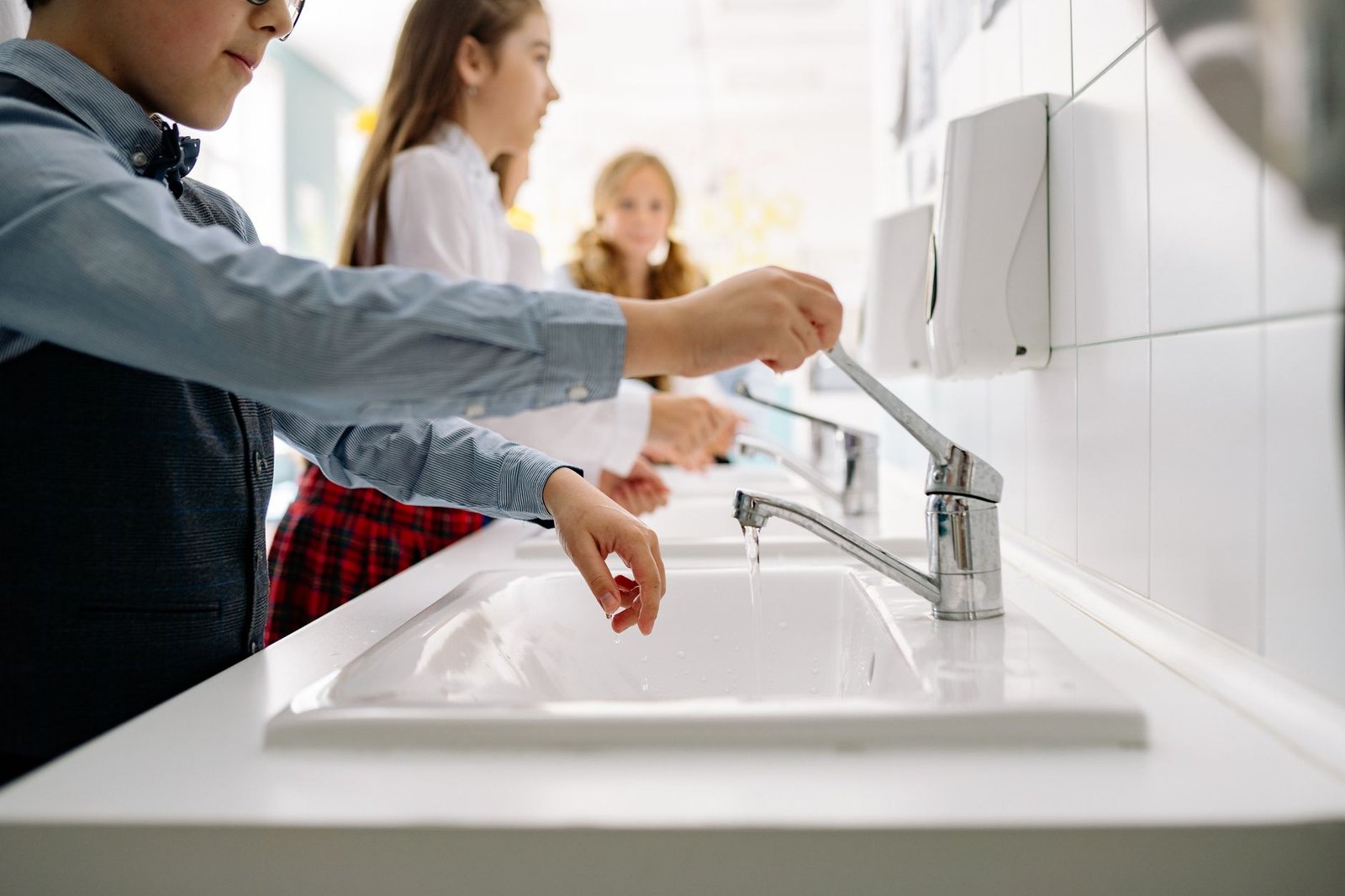
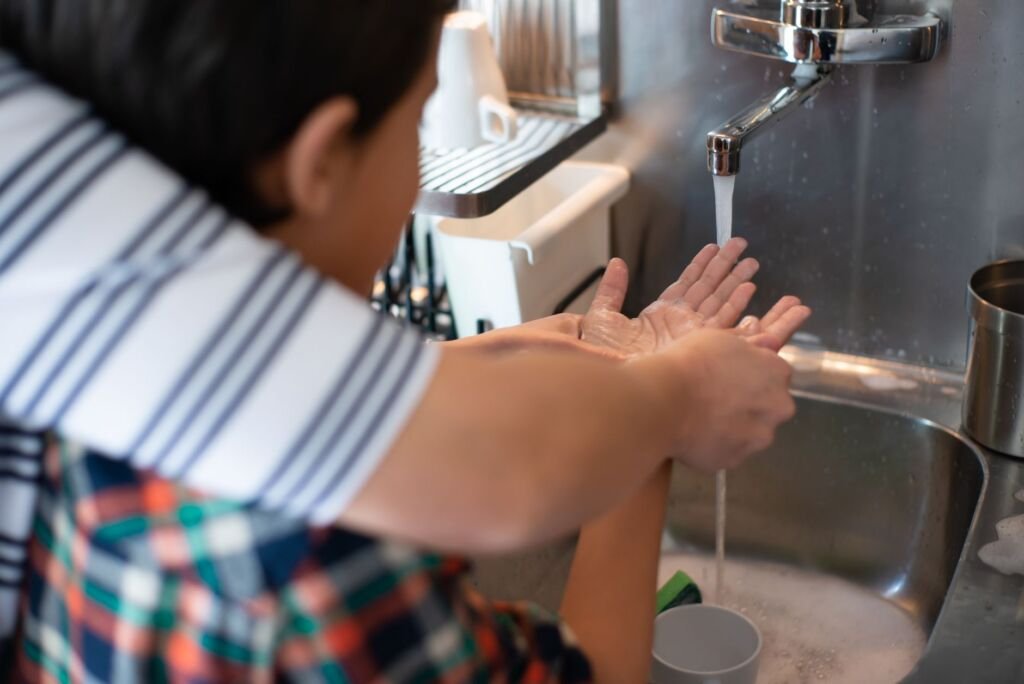
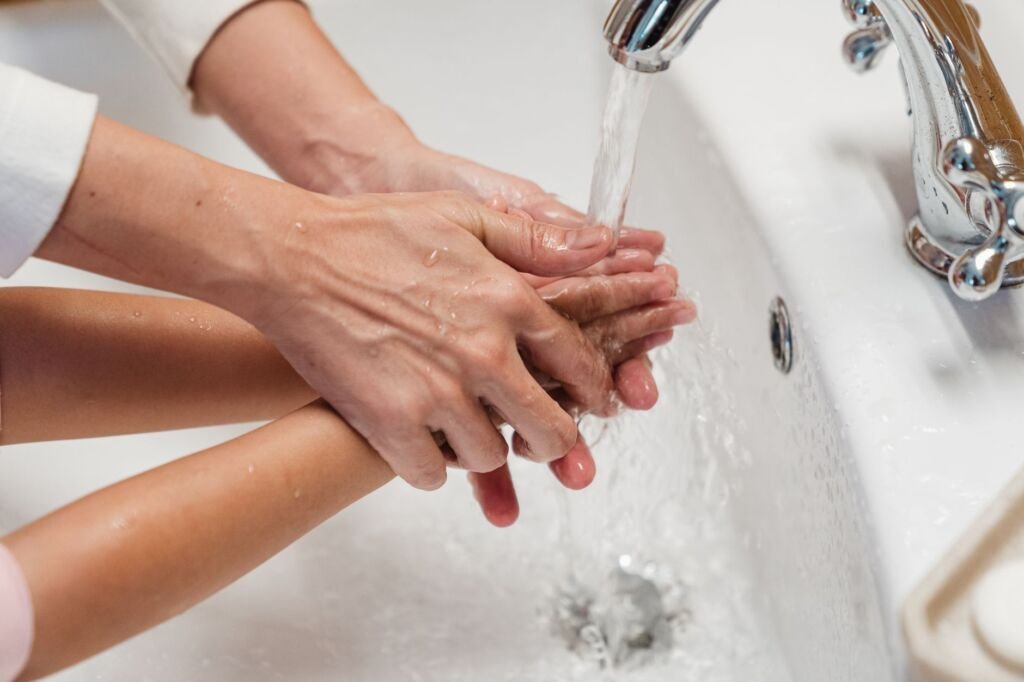
Hand washing is one of the most effective ways to prevent illness. Teaching kids the correct technique is essential. Here’s how you can do it:
- Wet Hands: Start with clean, running water to wet hands.
- Apply Soap: Use enough soap to cover all surfaces of the hands.
- Scrub: Rub hands together for at least 20 seconds. Sing a song or count while they wash to make it fun.
- Rinse: Rinse hands thoroughly under clean, running water.
- Dry: Dry hands using a clean towel or air dry them.
To make it more engaging, you can use colorful soap or handwashing songs. Additionally, consider setting a timer to help them understand the duration they should be washing.
Dental Hygiene
Good dental hygiene is vital for kids. Teaching them to care for their teeth sets the foundation for lifelong oral health. Start by introducing the importance of brushing and flossing:
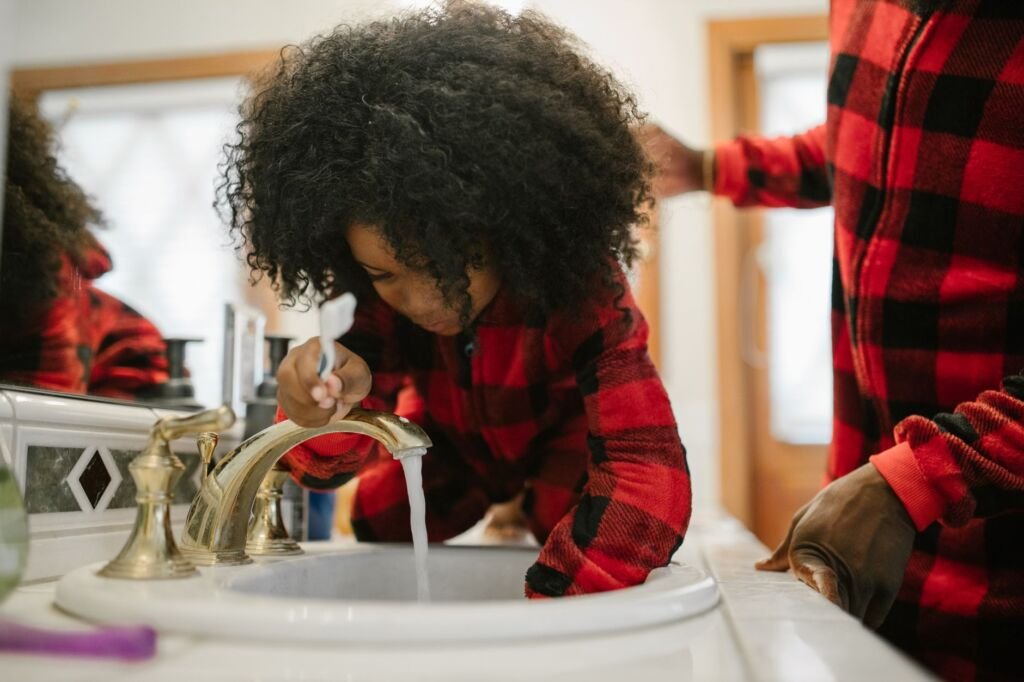
- Brushing: Kids should brush their teeth twice a day using fluoride toothpaste. Make it fun by letting them choose their toothbrush and toothpaste flavor.
- Flossing: Once they have two teeth that touch, introduce flossing. Consider using flossers designed for children to make it easier.
- Regular Check-ups: Schedule dental visits every six months. Explain that the dentist is there to keep their teeth healthy, just like a doctor looks after their overall health.
Use stories or visuals to illustrate the importance of dental hygiene and its impact on their smile. You can also reward them for maintaining their routine, like stickers or extra storytime.
Bathing and Grooming
Bathing and grooming are essential components of personal hygiene that help kids feel clean and confident. The frequency of baths can vary by age:
| Age Group | Bathing Frequency |
|---|---|
| Toddlers | 2-3 times a week or as needed |
| Preschoolers | 3-4 times a week |
| School-age | Daily or every other day |
| Tweens | Daily, especially during puberty |
Encourage your child to take responsibility for their bathing routine. You can help by providing age-appropriate products and making bathing a fun experience, perhaps with bath toys or colorful bath bubbles.
Grooming is also a critical aspect of personal hygiene. Teach your child how to comb their hair, clip their nails, and wash their face. Encourage them to take pride in their appearance by allowing them to choose their clothing and accessories.
Managing Changes During Puberty
As children enter puberty, their bodies undergo significant changes that impact personal hygiene. This stage can be challenging for both parents and kids. Here’s how to navigate it:
- Open Communication: Create a safe space where your child feels comfortable discussing changes. This can help ease their worries and clarify any misconceptions.
- Body Odor: Teach them about body odor and the importance of regular bathing and deodorant use. Introduce them to age-appropriate deodorants.
- Menstruation: For girls, prepare them for menstruation by discussing menstrual hygiene. Offer supplies and guidance on how to manage their periods.
Provide reassurance that these changes are natural and that everyone goes through them. Let them know that you’re there to support them every step of the way.
Making Hygiene Fun
Learning about personal hygiene doesn’t have to be boring. Here are a few engaging activities you can try:
- Hygiene Charts: Create a colorful chart that lists daily hygiene tasks. Kids can earn stickers for completing tasks, making it a fun challenge.
- Role Play: Use dolls or action figures to demonstrate hygiene practices. This interactive play can reinforce learning in a fun way.
- Educational Videos: Find age-appropriate videos that explain hygiene practices in an entertaining manner.
Incorporating games and rewards into hygiene education can create a positive association, making your child more likely to stick to their hygiene routines.
The Role of Nutrition in Personal Hygiene
Understanding the Connection
Nutrition plays a critical role in maintaining personal hygiene and overall health. A balanced diet contributes to the body’s ability to fend off infections, which is crucial for children as their immune systems are still developing. Consuming a variety of nutrients, particularly vitamins and minerals, helps to keep the skin healthy, supports oral hygiene, and enhances the body’s natural defenses.
For instance, Vitamin C is vital for skin health, aiding in the repair of tissues and serving as an antioxidant. On the other hand, Vitamin A promotes a healthy mucosal surface, which includes the skin and the lining of the mouth. Educating children about the importance of these nutrients can help them make better food choices.
Foods That Promote Good Hygiene
Incorporating specific foods into your child’s diet can enhance their personal hygiene practices. Here are some food categories that offer significant benefits:
- Fruits and Vegetables: Rich in vitamins and antioxidants, they help improve skin health and boost the immune system.
- Whole Grains: Provide fiber that aids in digestion, promoting a healthy gut and reducing the risk of illnesses.
- Dairy Products: Foods like yogurt contain probiotics that help maintain oral health and balance gut bacteria.
- Lean Proteins: Sources such as chicken, fish, and beans support tissue repair and overall body function.
Encouraging children to choose colorful plates filled with these nutritious options can make healthy eating exciting and engaging.
Hydration and Its Impact
Water is essential for maintaining personal hygiene as it supports a myriad of bodily functions, including digestion, circulation, and temperature regulation. Teaching children the importance of staying hydrated can prevent skin dryness and promote overall health. Dehydration can lead to various issues, including dry skin and a lack of energy, which can ultimately affect their hygiene habits.
To encourage adequate water intake, parents can:
- Set a daily water goal, such as 6-8 glasses.
- Make water accessible by keeping a water bottle handy.
- Infuse water with fruits for added flavor, making it more appealing.
By prioritizing hydration, parents can foster good hygiene habits that extend beyond just washing hands or brushing teeth.
Understanding Mental Health and Hygiene
The Link Between Mental Well-being and Hygiene
Mental health significantly influences a child’s personal hygiene habits. Children experiencing anxiety, depression, or stress may neglect personal care routines. It is essential for parents to understand these correlations to encourage healthy practices. When children feel overwhelmed, they may struggle to maintain their hygiene, leading to further feelings of low self-worth or embarrassment.
Creating an open dialogue about feelings and emotions can help parents identify any underlying issues that might affect hygiene. Implementing mindfulness practices, such as breathing exercises or journaling, can also promote mental well-being and, in turn, enhance their personal hygiene habits.
Creating a Comfortable Environment
A supportive and nurturing home environment significantly impacts a child’s willingness to engage in personal hygiene practices. Parents can foster this by:
- Encouraging discussions about feelings and experiences related to hygiene.
- Modeling positive hygiene habits themselves.
- Using positive reinforcement when children successfully follow their hygiene routines.
By creating a space where children feel safe and confident, they are more likely to take pride in their personal hygiene.
Teaching Resilience and Self-Care
Teaching children resilience and the importance of self-care can empower them to take charge of their personal hygiene. Parents should encourage children to recognize their feelings and understand that it’s okay to seek help when needed. This can be achieved through activities that promote self-reflection and self-compassion.
Some effective methods include:
- Encouraging children to keep a personal hygiene journal where they can track their habits and feelings.
- Practicing daily affirmations related to self-worth and hygiene.
- Engaging in regular family discussions about self-care and mental health.
By building resilience, children will better understand the significance of maintaining their hygiene, even during challenging emotional times.
Social Aspects of Personal Hygiene
Understanding Social Norms
Teaching children about personal hygiene extends beyond individual practices; it also involves understanding social norms and expectations. Children need to recognize that hygiene is linked to social interactions and relationships. For example, being mindful of body odor or dental hygiene can significantly impact how they are perceived by peers.
Parents should discuss the social implications of hygiene with their children, explaining how it affects friendships and interactions. This understanding can motivate children to prioritize their hygiene as part of fitting into social environments.
Empathy and Hygiene
Instilling empathy in children can also influence their hygiene practices. Teaching them to consider how their hygiene impacts others can lead to more responsible behaviors. Discussing scenarios where poor hygiene affects social interactions can help children develop a sense of empathy.
Parents can encourage this by:
- Role-playing different social situations related to hygiene.
- Creating discussions around how others might feel when hygiene practices are neglected.
- Highlighting stories or media that emphasize the importance of hygiene in social settings.
Community Involvement
Getting involved in community activities can also emphasize the importance of personal hygiene. Participating in local clean-up events or health fairs can help children see the broader impact of hygiene on public health. Understanding that hygiene is not just a personal matter but a community one can instill a sense of responsibility.
Parents can encourage this by:
- Volunteering together for community hygiene initiatives.
- Discussing the role of hygiene in preventing the spread of illnesses in schools and public spaces.
- Involving children in discussions about community health resources and programs.
Related reading: Simple Ways to Bond With Your Newborn: Create Lasting Love and Helping Your Child Build Friendships: Practical Tips.
Frequently Asked Questions
What age should I start teaching my child about hygiene?
You can start teaching hygiene as early as toddlerhood. Simple tasks like handwashing and brushing teeth can be introduced when they are developmentally ready.
How can I encourage my child to wash their hands regularly?
Make handwashing fun with songs, timers, or colorful soaps. You can also create a reward chart to motivate them.
What if my child resists bathing or brushing their teeth?
Try to make it a fun routine by allowing them to choose their products or setting a specific time for these activities. Positive reinforcement can also help.
How can I talk to my child about body changes during puberty?
Approach the topic with openness and honesty. Answer their questions and provide reassurance that these changes are a normal part of growing up.
The Bottom Line
Teaching kids about personal hygiene is an essential part of parenting that lays the foundation for a lifetime of healthy habits. By creating a fun and supportive environment, you can help your child understand the importance of hygiene in maintaining health and confidence. Remember to tailor your approach to your child’s developmental stage and interests, ensuring that they feel empowered and engaged in their hygiene practices.
HealthyChildren.org offers more insights on children’s health, while the American Academy of Pediatrics provides valuable resources for parents seeking guidance on child development.
Was this article helpful?
Thanks for letting us know! Your feedback helps us make our articles better.

Writer at Apparently a Parent, covering the everyday joys and challenges of raising a family.


2 Responses