How to Identify Common Childhood Illnesses Early
Learn how to recognize common childhood illnesses with practical tips and guidance to keep your child healthy and happy.


In this article
Key takeaways
- Understanding symptoms can aid in early detection.
- Not all fevers indicate a serious illness.
- Consult with your pediatrician for persistent issues.
- Promote healthy habits to prevent illness.
As a loving parent, one of your greatest concerns is your child’s health. Recognizing common childhood illnesses can be daunting, especially for first-time parents. It’s essential to familiarize yourself with the signs and symptoms that indicate your child may be unwell. The earlier you identify these issues, the better equipped you will be to respond appropriately.
Every child is unique, and illness can manifest differently depending on a variety of factors, including age, immune system strength, and underlying health conditions. This guide aims to provide practical information so you can confidently recognize common childhood illnesses and take the necessary steps to ensure your child receives appropriate care.
Remember to consult with your pediatrician for any health concerns. They can provide tailored advice based on your child’s specific situation. Let’s dive into the most common childhood illnesses and how to spot them.
Fever
Fever is a common symptom in children and often signals that the body is fighting an infection. While a fever can be alarming, it is usually not a cause for panic. Understanding what constitutes a fever and its possible causes can help you navigate this symptom.
According to the American Academy of Pediatrics (AAP), a fever is generally considered to be a temperature of 100.4°F (38°C) or higher. It’s important to monitor your child’s behavior and other symptoms alongside their temperature. A child with a fever who is otherwise active and drinking fluids may not require immediate medical attention.
Common causes of fever include:
- Viral infections such as colds or flu
- Bacterial infections like strep throat or ear infections
- Teething in infants
- Immunizations
Be cautious if the fever lasts more than a few days or is accompanied by:
- Persistent vomiting
- Difficulty breathing
- Unresponsiveness
- Rash or skin changes
Common Cold
The common cold is one of the most frequent illnesses among children, especially in early childhood. Caused by various viruses, it is highly contagious and can easily spread in daycare settings or schools.
Symptoms of a cold typically include:
- Runny or stuffy nose
- Sore throat
- Cough
- Low-grade fever
- Fatigue
Most colds resolve on their own within a week or two. However, supportive care is essential. Here are some comforting methods you can implement:
- Encourage plenty of fluids to prevent dehydration.
- Use a humidifier in your child’s room to ease congestion.
- Offer age-appropriate over-the-counter medications for symptom relief, but always consult your pediatrician first.
When to seek medical advice? If your child exhibits severe symptoms, such as difficulty breathing or persistent high fever, it’s essential to contact your healthcare provider.
Gastroenteritis
Gastroenteritis, often referred to as the stomach flu, is an inflammation of the stomach and intestines. This condition can be caused by infections from viruses, bacteria, or parasites. Children are particularly susceptible due to their developing immune systems and frequent exposure to other children.
Symptoms of gastroenteritis can include:
- Vomiting
- Diarrhea
- Abdominal pain
- Fever
- Loss of appetite
It’s crucial to monitor your child for signs of dehydration, which can occur due to vomiting and diarrhea. Signs of dehydration include:
- Dry mouth and tongue
- Decreased urination
- Lethargy
- Sunken eyes
To help your child recover, encourage them to drink clear fluids in small amounts. If symptoms persist or worsen, reach out to your healthcare provider for further guidance.
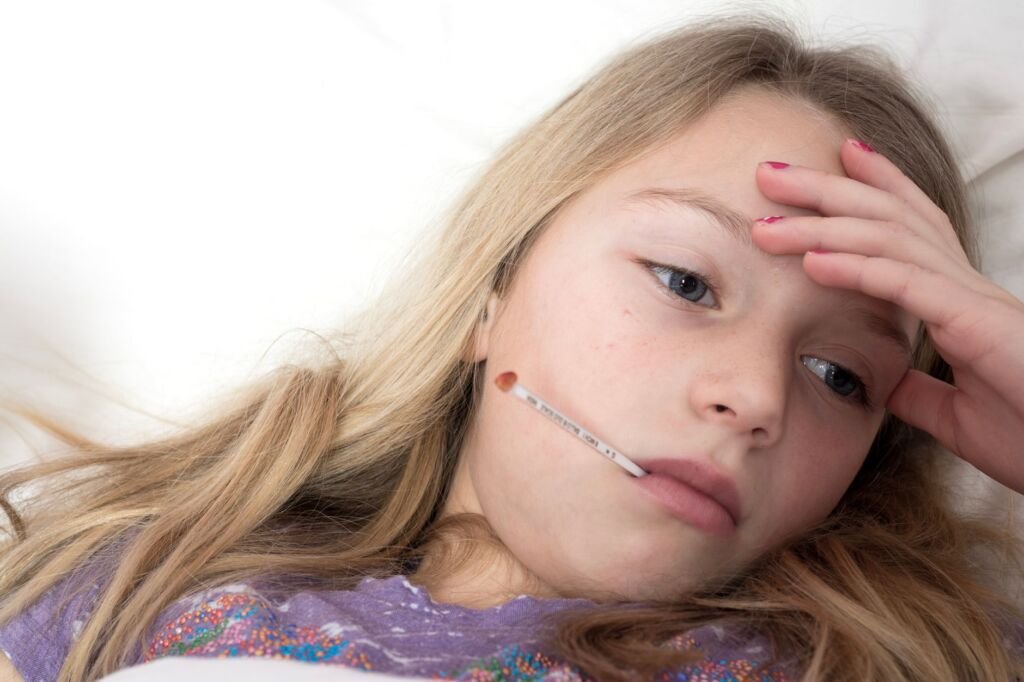
Ear Infections
Ear infections are among the most common illnesses in children, especially those aged six months to three years. They occur when bacteria or viruses infect the middle ear, leading to inflammation and fluid build-up. Recognizing the signs early can prevent complications and ensure prompt treatment.
Symptoms may include:
- Pain in the ear or tugging at the ear
- Fever
- Irritability or difficulty sleeping
- Fluid drainage from the ear
While some ear infections can resolve on their own, others may require antibiotics. Your pediatrician will evaluate your child’s condition and recommend the best course of action. It’s worth noting that frequent ear infections may warrant further investigation.
Rashes and Skin Infections
Skin rashes are common in children and can arise from various causes, including allergies, infections, or irritants. Identifying the type of rash can help you determine the appropriate action.
Some common types of rashes include:
- Diaper rash: Often caused by prolonged exposure to wet diapers, it can be managed with frequent changes and barrier creams.
- Chickenpox: This viral infection presents with an itchy rash and is characterized by red spots that turn into blisters. Vaccination can help prevent this illness.
- Hand, foot, and mouth disease: Caused by a virus, this condition leads to sores in the mouth and a rash on the hands and feet.
Always monitor your child’s rash and consult your pediatrician if it spreads, becomes painful, or is accompanied by fever.
Recognizing Respiratory Syncytial Virus (RSV) in Children
Understanding RSV
Respiratory Syncytial Virus (RSV) is a common viral infection that affects the respiratory tract of infants and young children. It is a leading cause of bronchiolitis and pneumonia in children under the age of two. Symptoms often start with mild cold-like signs, making early identification crucial for proper management.
RSV spreads easily, particularly in crowded places, such as daycare centers. It is important for parents to be aware of the symptoms and take preventative measures to limit exposure, especially during the RSV season, which typically runs from fall to spring.
Key Symptoms of RSV
- Runny or stuffy nose
- Coughing and wheezing
- Rapid or difficult breathing
- Fever
- Decreased appetite
- Fatigue
While RSV often presents itself with mild symptoms, it can escalate quickly in some children. If your child experiences difficulty breathing, blue-tinged lips or face, or shows signs of dehydration, it is critical to seek medical attention immediately.
When to Seek Medical Attention
Monitoring your child’s symptoms is key in managing RSV effectively. Parents should seek medical care if:
- The child is having difficulty breathing
- Breathing is rapid or labored
- The child is lethargic or unresponsive
- Symptoms worsen after a few days
Early intervention can lead to better outcomes, so being vigilant about changes in your child’s condition is essential.

Identifying Hand, Foot, and Mouth Disease (HFMD)
What is Hand, Foot, and Mouth Disease?
Hand, Foot, and Mouth Disease (HFMD) is a contagious viral infection most commonly affecting children under five years old. It is characterized by sores in the mouth and a rash on the hands and feet. The illness is typically mild but can be uncomfortable for young children, and knowing how to identify it early can ease discomfort.
HFMD is caused by viruses in the enterovirus family, with coxsackievirus being the most common. The infection spreads through direct contact with nasal secretions, saliva, or fluid from the rash of an infected person.
Recognizing Symptoms of HFMD
- Fever
- Painful sores in the mouth
- Rash on hands and feet
- Loss of appetite
- Irritability
Symptoms generally appear 3 to 7 days after exposure to the virus. The fever often comes first, followed by mouth sores and the characteristic rash. Parents should monitor for these signs and encourage fluid intake to prevent dehydration.
Management and Prevention Strategies
While there is no specific treatment for HFMD, there are ways to alleviate symptoms. Parents can help by:
- Offering pain relievers like acetaminophen or ibuprofen
- Encouraging soft foods and fluids
- Maintaining good hygiene practices, such as frequent handwashing
- Keeping the child home from school or daycare until they are no longer contagious
Preventing HFMD is primarily about hygiene. Regular handwashing and avoiding close contact with infected individuals can significantly reduce the risk of transmission.
Spotting Allergic Reactions in Children
Understanding Common Allergens
Allergic reactions in children can range from mild to severe and can be caused by various allergens. Common triggers include food, pollen, pet dander, insect stings, and certain medications. Identifying allergic reactions early can prevent complications and ensure your child receives appropriate treatment.
Food allergies are particularly prevalent in children, with reactions commonly triggered by milk, eggs, peanuts, tree nuts, wheat, soy, fish, and shellfish.
Signs of an Allergic Reaction
- Skin reactions, such as hives or eczema
- Respiratory issues, such as wheezing or difficulty breathing
- Digestive problems, including nausea, vomiting, or diarrhea
- Swelling of the face, lips, or throat
- Anaphylaxis in severe cases
Recognizing these symptoms quickly is vital, especially in cases of anaphylaxis, which requires immediate medical attention. Parents should familiarize themselves with the signs and keep an emergency action plan ready if a severe allergy is known.
Managing Allergic Reactions
Management of allergic reactions often involves avoiding known allergens and having emergency medications, such as antihistamines or epinephrine auto-injectors, on hand. To help manage allergies effectively, parents can:
- Consult an allergist for testing and personalized management plans
- Educate themselves and their children about avoiding allergens
- Keep a record of any allergic reactions for future reference
- Ensure schools and caregivers are aware of the child’s allergies
By being proactive, parents can significantly reduce the risk of allergic reactions and ensure their child’s safety and well-being.
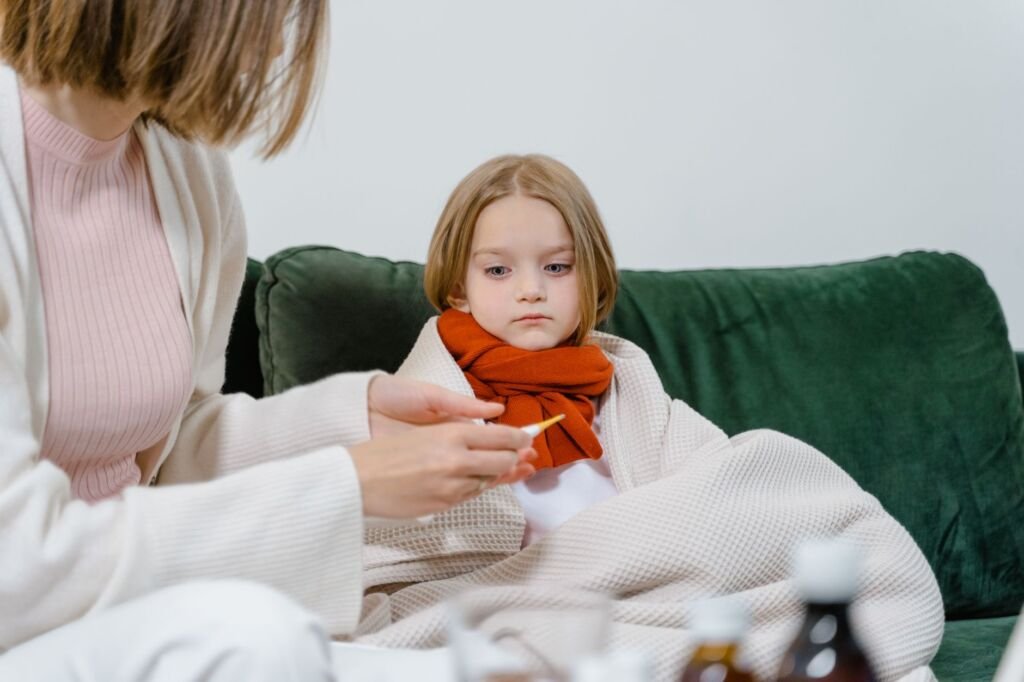
Identifying Stomach Flu Symptoms
Understanding the Causes
The stomach flu, or viral gastroenteritis, is commonly caused by norovirus or rotavirus. These viruses are highly contagious and can spread through contaminated food, surfaces, or close contact with an infected person. In children, the symptoms can manifest quickly, often within one to two days after exposure. Knowing the causes helps parents take preventive measures, especially during outbreaks or in settings like schools and daycares.
Recognizing Symptoms Early
Early identification of stomach flu can help minimize discomfort and prevent spreading the virus. Common symptoms include:
- Nausea and vomiting
- Diarrhea
- Abdominal cramps
- Fever
- Headache
- Muscle aches
Parents should monitor their children for these signs, as dehydration can occur rapidly, especially in young children. It’s crucial to encourage fluid intake and seek medical advice if symptoms persist or worsen.
When to Seek Medical Attention
While most children recover from stomach flu within a few days, certain signs should prompt a visit to the pediatrician, including:
- High fever that lasts more than three days
- Signs of dehydration, such as dry mouth, lack of tears, or infrequent urination
- Severe abdominal pain that does not improve
Being proactive in seeking care can ensure timely treatment and alleviate the child’s discomfort.
Understanding and Identifying Pink Eye
Causes and Transmission
Pink eye, or conjunctivitis, is an inflammation of the tissue lining the eye and eyelid. It can be caused by infections (viral or bacterial), allergens, or irritants. The condition is highly contagious, particularly among children, making it essential for parents to recognize the signs early. Transmission can occur through direct contact with infected fluids or contaminated surfaces, necessitating good hygiene practices.
Key Symptoms of Pink Eye
Parents should be vigilant for these symptoms, which can appear in one or both eyes:
- Redness in the white part of the eye
- Itchiness or a gritty feeling in the eye
- Discharge that may crust over the eyelashes
- Swollen eyelids
Identifying these symptoms promptly can help in managing the condition and reducing the risk of spreading it to others.
When to Consult a Pediatrician
Medical advice is warranted if a child exhibits severe symptoms, including:
- Persistent redness or swelling
- Vision changes
- Intense discomfort or pain
Early consultation can lead to appropriate treatment, especially in cases of bacterial conjunctivitis that may require antibiotics.
Recognizing Signs of Urinary Tract Infections (UTIs)
Understanding the Risk Factors
Urinary tract infections are more common in girls than boys, especially in children aged 2 to 6 years. Factors such as improper wiping techniques, constipation, and urinary retention can increase the risk. Awareness of these factors allows parents to take preventive measures.
Common Symptoms of UTIs
UTIs can often present with nonspecific symptoms in children, making them harder to detect. Key indicators include:
- Frequent urination with little output
- Painful urination or a burning sensation
- Cloudy or foul-smelling urine
- Abdominal or back pain
- Fever without an obvious source
Recognizing these symptoms early can facilitate timely diagnosis and treatment, preventing complications.
When to Seek Medical Help
If a child demonstrates symptoms of a UTI, especially with fever or severe pain, prompt medical attention is essential. A healthcare provider may perform a urine test to confirm the diagnosis and prescribe appropriate antibiotics. Delaying treatment can lead to more serious health issues, such as kidney infections.
Related reading: Healthy Snack Ideas for Toddlers to Fuel Growth and Preparing Your Older Child for a New Baby: A Guide.
Trusted sources: HealthyChildren.org (American Academy of Pediatrics), HealthyChildren.org: Toddler.
Frequently Asked Questions
How can I tell if my child has a serious illness?
Look for signs such as persistent high fever, difficulty breathing, unresponsiveness, and severe pain. If in doubt, consult your pediatrician.
What should I do if my child has a rash?
Monitor the rash closely for changes. If it spreads, becomes painful, or is accompanied by other symptoms, reach out to your child’s healthcare provider.
When should I seek help for my child’s fever?
Seek medical attention if your child’s fever is over 104°F (40°C) or if they are very young, have underlying health conditions, or exhibit concerning symptoms.
How can I prevent common illnesses in my child?
Encourage good hygiene habits, ensure vaccinations are up to date, and promote a healthy diet rich in fruits and vegetables. Teach kids about personal hygiene to foster healthy habits.
The Bottom Line
Recognizing common childhood illnesses is an essential skill for every parent. By understanding the symptoms and appropriate responses, you can help ensure your child receives timely care. Always maintain open communication with your pediatrician, who can guide you through the complexities of childhood health.
Remember that every child is different, and what works for one may not work for another. Stay informed, trust your instincts, and prioritize your child’s well-being.
Seek medical help if you notice any of the following:
- High fever lasting more than three days
- Difficulty breathing or persistent cough
- Severe headache or abdominal pain
- Signs of dehydration
- Unresponsiveness or extreme irritability
[/aap_alert>
Was this article helpful?
Thanks for letting us know! Your feedback helps us make our articles better.

Writer at Apparently a Parent, covering the everyday joys and challenges of raising a family.




2 Responses