Healthy Snack Ideas for Toddlers to Fuel Growth
Explore a variety of healthy snack ideas for toddlers that promote growth and development while appealing to their tastes.


In this article
Key takeaways
- Snacks should be nutritious and age-appropriate.
- Involve your toddler in snack preparation for engagement.
- Offer a variety of flavors and textures to keep snacks interesting.
- Always consult a pediatrician for dietary concerns.
As a parent, you want the best for your toddler, especially when it comes to their nutrition. Healthy snacks play a crucial role in a child’s diet, providing essential nutrients that support their growth and development. These small meals can help bridge the gap between main meals, keeping your little one energized and satisfied throughout the day.
It’s important to remember that every child is unique, with different tastes and preferences. What one toddler loves, another may refuse. Therefore, being flexible and creative in your approach to snacks is key. In this article, we will explore various healthy snack ideas for toddlers that are not only nutritious but also fun and appealing to young taste buds.
Before diving into specific snack ideas, it’s essential to consider some general guidelines. The American Academy of Pediatrics suggests that snacks should be balanced, combining different food groups to meet the nutritional needs of growing children. Always consult your pediatrician if you have concerns about your child’s dietary habits.
Why Healthy Snacks Matter
Healthy snacks are vital for toddlers for several reasons. First and foremost, they help fulfill the nutritional requirements of young children. Toddlers have high energy needs due to their rapid growth and active play. Snacks can provide the necessary calories and nutrients that they might not get during main meals.
Secondly, snacks can help establish healthy eating habits early on. By introducing a variety of nutritious options, you encourage your child to develop a taste for fruits, vegetables, whole grains, and proteins. This foundation can lead to better food choices as they grow older.
Finally, healthy snacks can be a great way to bond with your toddler. Involving them in the selection and preparation of snacks can make them more interested in what they’re eating. It also provides an opportunity for quality time together.
Key Nutritional Components for Toddler Snacks
When planning snacks for your toddler, it’s crucial to include a balance of nutrients. Here are the key components to consider:
- Fruits and Vegetables: Rich in vitamins, minerals, and fiber, these should be the cornerstone of any toddler snack. Aim for a rainbow of colors to ensure a variety of nutrients.
- Whole Grains: Whole grain options like whole wheat bread, brown rice, or oatmeal can provide essential carbohydrates and fiber, helping to keep your toddler full and energized.
- Protein: Including a source of protein, such as yogurt, cheese, nut butter, or lean meats, is important for growth and development.
- Dairy: Dairy products like milk, yogurt, and cheese are great sources of calcium and vitamin D, which are vital for strong bones.
- Healthy Fats: Fats are important for brain development. Incorporate healthy fats from sources like avocados, olive oil, and nuts (if age-appropriate).
Fun and Easy Snack Ideas
Now that we understand the importance of healthy snacks, let’s explore some fun and easy snack ideas that your toddler will love.
1. Fruit-Based Snacks
- Fruit Kabobs: Thread pieces of different fruits onto skewers for a colorful and fun snack. Use fruits like strawberries, bananas, and grapes.
- Yogurt Parfaits: Layer yogurt with chopped fruits and a sprinkle of granola for a delightful treat.
- Apple Slices with Nut Butter: Slice apples and serve them with a small amount of almond or peanut butter for dipping.
- Frozen Fruit Pops: Blend fruits with yogurt and freeze them in molds for a refreshing snack on warm days.
2. Vegetable Snacks
- Veggie Sticks with Hummus: Cut carrots, cucumbers, and bell peppers into sticks and serve with hummus for dipping.
- Cheese and Crackers: Pair whole grain crackers with slices of cheese and cherry tomatoes for a balanced snack.
- Mini Veggie Muffins: Bake muffins with shredded zucchini or carrots for a nutrient-packed snack.
- Stuffed Mini Peppers: Fill mini bell peppers with cream cheese or cottage cheese for a tasty bite-sized snack.
3. Whole Grain Snacks
- Oatmeal Energy Balls: Combine oats, honey, nut butter, and your choice of mix-ins (like chocolate chips or dried fruits) and roll into balls.
- Whole Wheat Pita with Dip: Serve whole wheat pita bread with tzatziki or guacamole for a nutritious twist.
- Homemade Granola Bars: Make your own granola bars using oats, honey, and nuts for a chewy snack option.
- Rice Cakes with Toppings: Top whole grain rice cakes with avocado or nut butter for a satisfying and crunchy snack.
4. Protein-Packed Snacks
- Hard-Boiled Eggs: A great source of protein, hard-boiled eggs can be sliced or served whole for a quick snack.
- Greek Yogurt with Berries: Pair Greek yogurt with fresh or frozen berries for a creamy, protein-rich treat.
- Cheese Cubes and Almonds: Offer small cubes of cheese with a few almonds (if age-appropriate) for a satisfying snack.
- Nut Butter Toast: Spread almond or peanut butter on whole grain toast topped with banana slices.
How to Make Snack Time Engaging
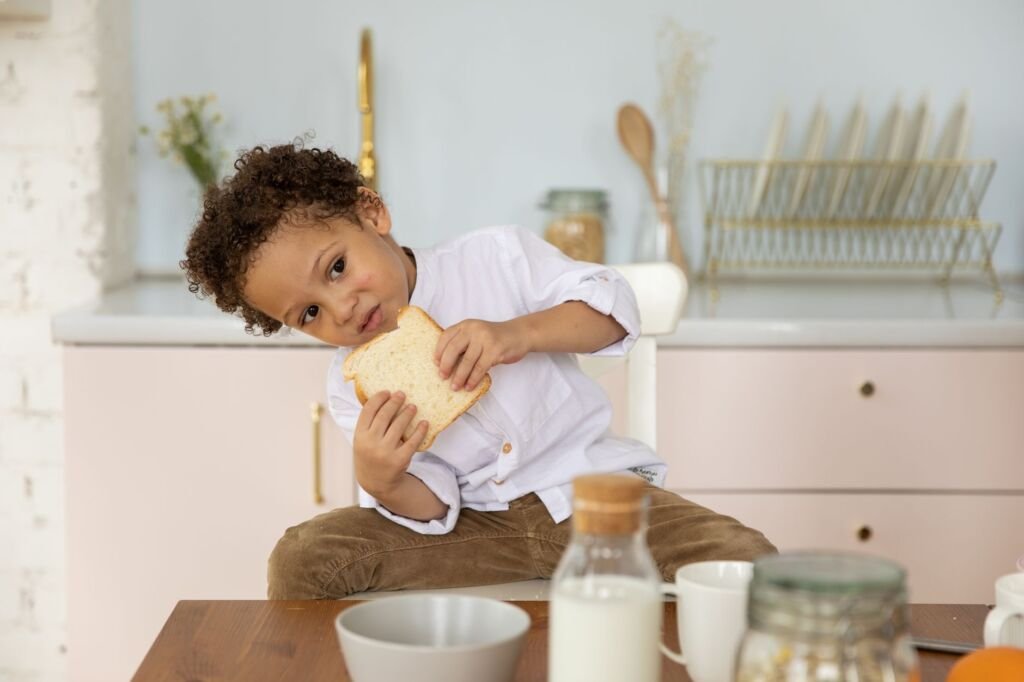
Making snack time enjoyable can help your toddler develop a positive relationship with food. Here are some tips to engage your little one:
- Involve Them in Preparation: Let your toddler help wash fruits, mix ingredients, or even set the snack table. This involvement can spark their interest in food.
- Create a Snack Station: Set up a designated area in your kitchen with healthy snack options. Allow your toddler to choose their snack from the available choices.
- Theme Days: Introduce theme days for snacks, such as “Tropical Tuesday” with tropical fruits or “Veggie Friday” with different vegetables.
- Use Fun Shapes: Use cookie cutters to create fun shapes with fruits, cheeses, and sandwiches to make snacks visually appealing.
Portion Sizes and Frequency
Understanding portion sizes for snacks is important to avoid overfeeding or underfeeding. Here is a general guideline for toddler snack portions:
| Food Group | Suggested Portion Size |
|---|---|
| Fruits | 1/2 cup |
| Vegetables | 1/2 cup |
| Grains | 1 ounce (1 slice of bread or 1/2 cup of cooked pasta) |
| Dairy | 1/2 cup of yogurt or 1 ounce of cheese |
| Protein | 1 ounce (1 egg or 1 tablespoon of nut butter) |
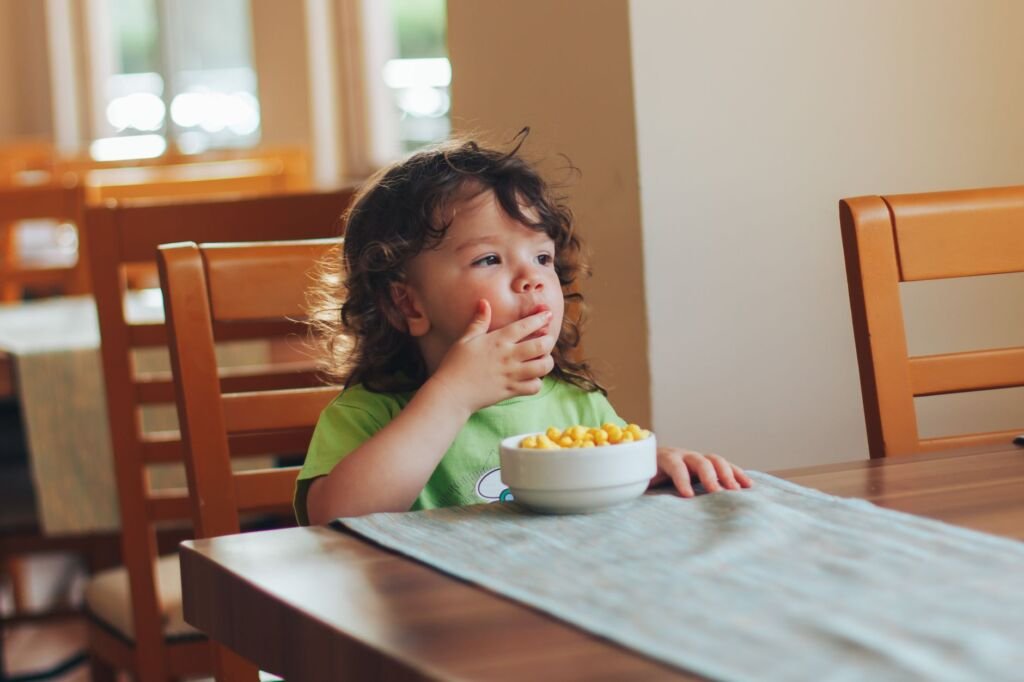
Generally, toddlers can have 2-3 snacks per day in addition to their main meals. This frequency helps to ensure they receive adequate nutrition throughout the day.
Common Allergens to Be Aware Of
When introducing new snacks, be mindful of common allergens. Foods like nuts, dairy, eggs, and gluten can cause reactions in some children. It’s a good practice to introduce new foods one at a time and monitor for any adverse reactions.
If your family has a history of food allergies, consult with your pediatrician before introducing potentially allergenic foods. They can provide guidance and may recommend specific strategies for safely introducing these foods.
Creative Ways to Incorporate Vegetables into Snacks
Veggie Dips
One of the easiest ways to encourage toddlers to eat more vegetables is by pairing them with a tasty dip. Dips can make vegetables more appealing and can introduce new flavors that your child may find exciting. Consider offering hummus, yogurt-based dips, or even guacamole as options for dipping.
- Hummus: Made from chickpeas, tahini, and olive oil, hummus is rich in protein and healthy fats.
- Yogurt Dip: Mix plain yogurt with herbs or spices for a creamy and nutritious option.
- Guacamole: Avocados are packed with healthy fats and can be a fun way for toddlers to enjoy veggies.
For a fun snack, serve a platter of raw vegetables such as carrots, cucumbers, and bell peppers alongside the dips. Let your toddler choose which vegetable to dip, making snack time interactive and enjoyable.
Veggie Smoothies
Sneaking vegetables into smoothies is a great technique to ensure your toddler is getting their daily servings without a fuss. Use a base of fruits like bananas or berries to mask the taste of greens, and add a handful of spinach or kale. These leafy greens are nutrient-dense and can be easily blended into delicious smoothies.
- Spinach Banana Smoothie: Blend together spinach, banana, yogurt, and a splash of milk.
- Kale Berry Smoothie: Combine kale, mixed berries, almond milk, and a spoonful of nut butter.
- Cucumber Mint Smoothie: Mix cucumber, mint leaves, apple juice, and ice for a refreshing drink.
Encourage your toddler to help you make the smoothie by selecting fruits and greens. This involvement can make them more excited to drink their nutritious creation.
Frozen Veggie Treats
Frozen treats are a fun way to enjoy vegetables, especially during warmer weather. You can create veggie popsicles using pureed vegetables and fruit juice, which can be a refreshing snack. Alternatively, freeze small pieces of vegetables like peas or corn into ice cube trays for a fun, crunchy snack.
- Carrot and Orange Popsicle: Puree carrots with orange juice and freeze in molds.
- Spinach and Pineapple Popsicle: Blend spinach with pineapple and coconut water for a tropical treat.
- Frozen Peas and Corn: Simply freeze fresh or cooked peas and corn for a quick snack.
These frozen veggie treats not only provide essential nutrients but also offer a cool and satisfying snack option that toddlers can enjoy outdoors.
Smart Snacking Strategies for Busy Parents
Meal Prepping Snacks
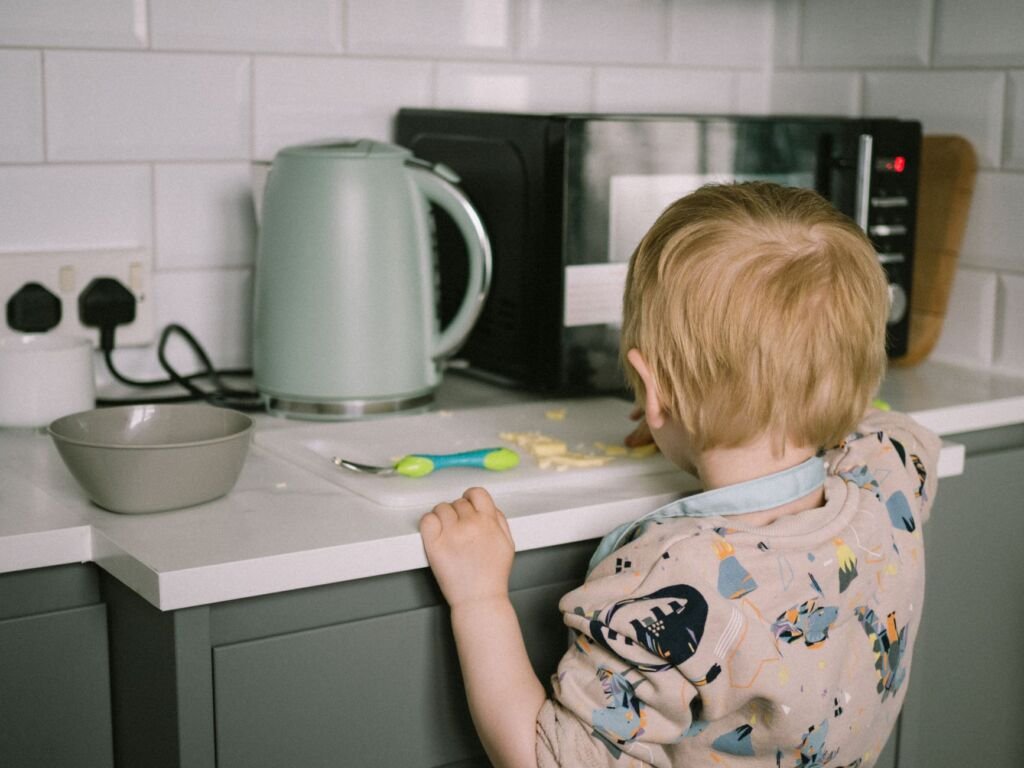
Busy parents often struggle to provide healthy snacks on the go. One effective strategy is to dedicate time each week to meal prep. Preparing snacks in advance can help ensure that healthy options are readily available when hunger strikes. Consider dedicating a couple of hours each weekend to wash, cut, and portion snacks into convenient containers.
- Fruit Cups: Pre-cut fresh fruit and store them in individual containers.
- Veggie Packs: Cut up carrots, celery, and bell peppers and pack them with hummus.
- Nuts and Seeds: Portion out nuts and seeds into small bags for easy grab-and-go snacks.
By having these snacks prepped and ready, parents can easily provide nutritious options that fuel their toddlers throughout the week.
Incorporating Snacks into Family Meals
Another smart snacking strategy is to incorporate healthy snacks into family meals. This can be done by serving small portions of snacks as part of the main meal. For instance, you might include a small side of fruit or a veggie platter during lunch or dinner. This not only encourages healthy eating habits but also allows toddlers to explore different foods in a relaxed setting.
- Serve sliced apples with cheese as an appetizer.
- Include a small salad with a variety of colorful vegetables as a side dish.
- Offer whole-grain crackers with hummus as a part of the main course.
This approach helps children make connections between meals and snacks, promoting an overall healthy eating pattern.
Making Snack Time a Family Activity
Turn snack time into a family bonding experience by involving all family members in the preparation and enjoyment of snacks. This can be as simple as letting toddlers help wash fruits or select which snacks to make. Creating a family snack night can also be a fun tradition, where everyone contributes a healthy snack recipe to try.
- Let each family member choose a healthy snack recipe to prepare together.
- Experiment with making homemade granola bars or energy bites as a family.
- Share stories while snacking to make the experience more engaging.
By making snacks a family affair, you foster a positive food environment and instill healthy habits in your children.
Understanding the Role of Snacks in Toddler Development
Supporting Physical Growth
As toddlers grow, their physical development requires adequate nutrition to support muscle and bone growth. Healthy snacks can play a pivotal role in providing the necessary nutrients that aid in this development. Providing snacks that are rich in protein, calcium, and healthy fats can help toddlers meet their growth milestones.
- Greek Yogurt: An excellent source of protein and calcium.
- Cheese: Offers calcium and essential vitamins.
- Nuts and Nut Butters: Provide healthy fats and protein.
Incorporating these foods into snacks can ensure that toddlers are getting the nutrition they need for optimal physical growth.
Cognitive Development and Snack Choices
Nutrition is also crucial for cognitive development in toddlers. Healthy snacks that contain omega-3 fatty acids, antioxidants, and vitamins can support brain health. Foods like fatty fish, walnuts, and berries can be excellent choices for brain-boosting snacks.
- Salmon or Tuna: Rich in omega-3 fatty acids.
- Blueberries: Packed with antioxidants that support brain function.
- Walnuts: A great source of healthy fats that promote brain health.
Encouraging toddlers to enjoy these brain-healthy snacks can enhance their cognitive development and overall learning abilities.
Emotional and Social Development through Snack Time
Snack time can also play a significant role in a toddler’s emotional and social development. Sharing snacks with peers or family members teaches important social skills and encourages healthy relationships with food. Creating a positive snack time atmosphere can help toddlers develop a healthy attitude towards eating.
- Encourage sharing and taking turns with snack portions.
- Use snack time as an opportunity for conversation and social interaction.
- Involve toddlers in choosing and preparing snacks to boost their confidence.
By fostering a positive and interactive snack experience, you can support your toddler’s emotional and social growth while promoting healthy eating habits.
Related reading: Preparing Your Older Child for a New Baby: A Guide.
Trusted sources: HealthyChildren.org (American Academy of Pediatrics), HealthyChildren.org: Toddler.
Frequently Asked Questions
What are some healthy snack options for toddlers?
Healthy snack options include fruits, vegetables with dip, whole grain crackers, yogurt, and cheese. Aim for a variety of textures and flavors.
How often should toddlers eat snacks?
Toddlers can have 2-3 snacks per day in addition to their main meals, depending on their hunger levels and activity.
How can I encourage my toddler to try new foods?
Involve your toddler in food preparation and offer a variety of foods without pressure. Make trying new foods fun and low-stress.
What should I do if my toddler refuses to eat healthy snacks?
If your toddler refuses healthy snacks, stay patient and keep offering them. Consider involving them in selecting snacks to increase their interest.
The Bottom Line
Healthy snacks are a vital component of your toddler’s diet, fueling their growth and learning. By offering a variety of nutritious options, you can help your little one develop a love for healthy foods. Remember to be patient and flexible, as every child is different. Engaging your toddler in snack preparation can make the experience enjoyable for both of you. For more tips on making family mealtimes enjoyable, check out our article on making family mealtimes more enjoyable.
Was this article helpful?
Thanks for letting us know! Your feedback helps us make our articles better.

Writer at Apparently a Parent, covering the everyday joys and challenges of raising a family.



2 Responses