Ways to Make Family Mealtimes More Enjoyable
Discover effective strategies to enhance family mealtimes, making them more enjoyable and meaningful for everyone involved.


In this article
Key takeaways
- Create a welcoming dining environment.
- Involve children in meal preparation.
- Establish family mealtime traditions.
- Encourage open conversations during meals.
Family mealtimes can be a cherished opportunity for connection, communication, and nourishment. However, with the hustle and bustle of daily life, it can be challenging to make these moments enjoyable and meaningful. Whether you’re a busy parent juggling work and kids or a family navigating the ever-changing dynamics of mealtimes, discovering ways to enhance your dining experience can make all the difference.
In this article, we will explore various strategies to make family mealtimes more enjoyable, ensuring that everyone looks forward to gathering around the table. From setting the mood to involving kids in meal preparation, these tips are designed to create a warm and inviting atmosphere where bonds can flourish.
Every family is unique, and as you read through these suggestions, remember to adapt them to fit your household’s preferences and routines. The goal is to foster a positive mealtime experience that resonates with each member of your family.
Creating the Right Atmosphere
The environment in which you eat can significantly influence the overall dining experience. A welcoming atmosphere can set the stage for enjoyable conversations and connections. Here are some suggestions:
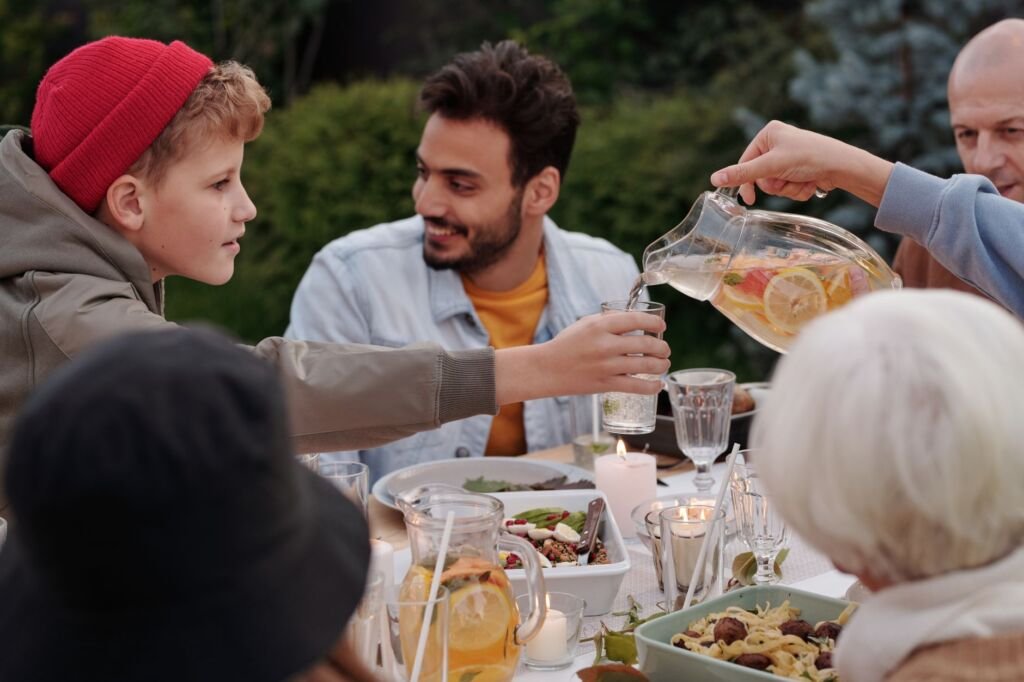
- Set the Table: A nicely set table can make mealtimes feel special. Use colorful plates, cloth napkins, and even a simple centerpiece. Encourage children to help with setting the table to make it a shared activity.
- Lighting and Music: Soft lighting can create a cozy vibe. Consider playing gentle background music that everyone enjoys. This can help ease tensions and make the atmosphere feel more relaxed.
- Minimize Distractions: To create a more engaging mealtime, consider turning off the television and putting away phones. Focus on each other to promote meaningful conversations.
Involving Children in Meal Preparation
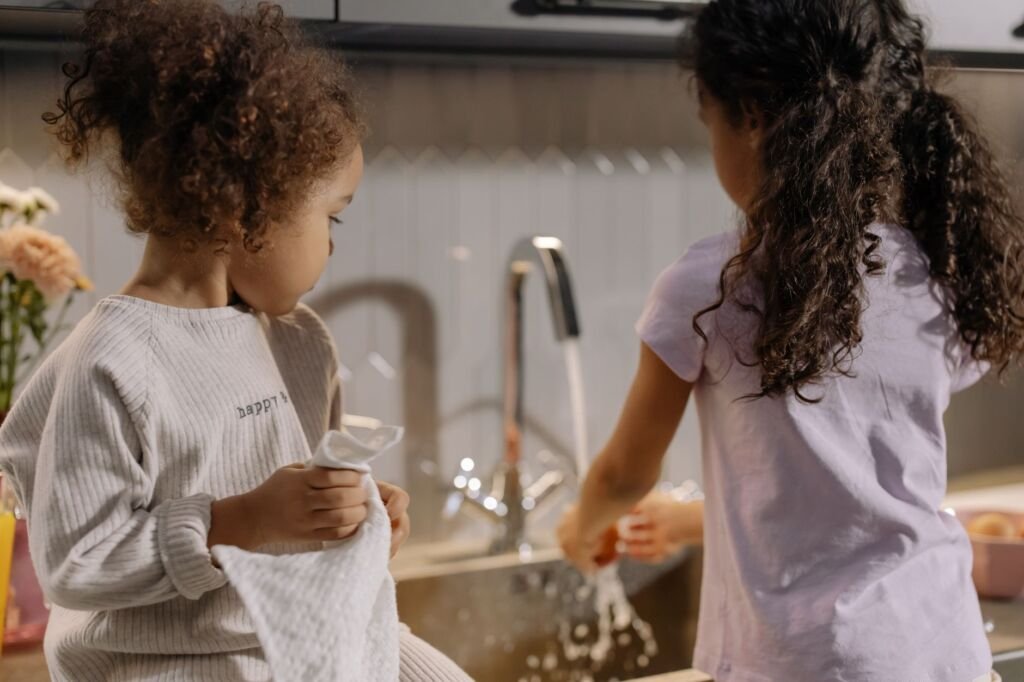
Involving kids in the cooking process can be a fantastic way to increase their interest in mealtimes. When they contribute to making the meal, they may be more excited to eat it. Here’s how to get them engaged:
- Assign Age-Appropriate Tasks: Depending on their age, children can help with tasks like washing vegetables, stirring ingredients, or setting the table. This not only empowers them but also teaches valuable life skills.
- Encourage Creativity: Allow children to suggest meal ideas or create their own dishes. This can lead to unique family recipes and foster a sense of ownership over mealtime.
- Make It Fun: Turn cooking into a game. You can have theme nights where everyone dresses up or create a cooking challenge. Making it fun encourages participation and excitement.
Establishing Family Mealtime Traditions
Traditions can create a sense of stability and belonging within your family. Establishing unique mealtime traditions can enhance the enjoyment of shared meals. Consider these ideas:
- Themed Nights: Create themed dinners that reflect different cultures or cuisines. This can be educational and fun, allowing everyone to learn about new foods and traditions.
- Weekly Family Meetings: Use mealtime to discuss the week’s events, upcoming plans, or simply to check in with one another. This promotes family bonding and communication.
- Celebrate Special Occasions: Use mealtimes to celebrate birthdays, achievements, or even small milestones. Preparing a special meal or dessert can make these occasions memorable.
Encouraging Open Conversations
Mealtimes should be a space for open dialogue. Encouraging conversation can deepen relationships and create a more enjoyable atmosphere. Here are some strategies:
- Conversation Starters: Use prompts or questions to stimulate discussion. Topics can range from favorite memories to future aspirations. This can lead to engaging and enjoyable conversations.
- Active Listening: Teach children the importance of listening. Encourage them to ask questions about each other’s day and show genuine interest in the responses.
- Respectful Discourse: Establish ground rules for respectful communication. Encourage everyone to share their thoughts without interruption, fostering a safe environment for discussion.
Incorporating Healthy Foods
Healthy meals not only nourish the body but can also be delicious and enjoyable. Teaching children about nutrition can enhance their appreciation for mealtime. Here are some ways to incorporate healthy foods while keeping meals enjoyable:
- Colorful Plates: Strive for a rainbow of colors on your dinner plates. Involve children in picking out fruits and vegetables at the grocery store. This can make them more excited to eat what they helped choose.
- Healthy Cooking Methods: Explore cooking techniques like grilling, steaming, or baking that preserve flavors while keeping meals healthy. This can also be a fun way to introduce children to new foods.
- Fun Snacks: Create healthy snacks that are visually appealing. For example, fruit skewers or yogurt parfaits can be fun to make and eat. Get creative with shapes and presentations to pique interest.
Planning and Preparing Meals Together
Meal planning can not only save time but also create anticipation for the week ahead. Here are some practical tips for effective planning:
- Involve Everyone: Have a weekly family meeting to plan meals together. By allowing each family member to contribute their ideas, everyone feels included and invested.
- Prep in Advance: Set aside a day for meal prep. Chopping vegetables, marinating proteins, or even batch cooking can make weekday meals less hectic.
- Utilize a Calendar: Create a meal calendar that outlines what will be served each day. This helps set expectations and allows everyone to contribute to the shopping list.
Dealing with Picky Eaters
Picky eating can be a common challenge for families. However, there are strategies to make mealtimes more enjoyable for everyone:
- Introduce New Foods Gradually: Instead of overwhelming children with unfamiliar foods, introduce one new item at a time alongside favorites. This can make the experience less daunting.
- Model Positive Eating Habits: Show enthusiasm for trying new foods yourself. Children are more likely to be adventurous eaters when they see their parents enjoying a variety of foods.
- Make Meals Interactive: Create a “build-your-own” meal night where everyone can customize their plates. This can include tacos, pizzas, or salads, allowing children to choose what they want.
Creating a Family Mealtime Routine
Establishing a routine around mealtimes can provide structure and predictability, making everyone feel more comfortable. Here are some ways to create a routine:
- Consistent Timing: Aim to have meals at the same time each day. This helps children know what to expect and fosters a sense of stability.
- Limit Outside Influences: Designate mealtime as a device-free zone. This encourages engagement and makes the act of dining together more meaningful.
- End with Gratitude: Encourage everyone to share something they are thankful for at the end of each meal. This can help cultivate a positive atmosphere and reinforce family bonds.

Encouraging Conversations During Mealtime
Open-Ended Questions
One of the most effective ways to foster engaging conversations during family mealtimes is by asking open-ended questions. These types of questions encourage children to express their thoughts and feelings more freely, promoting deeper discussions. For instance, instead of asking, ‘Did you have a good day?’, try asking, ‘What was the most interesting thing that happened at school today?’. This small change in questioning can lead to richer conversations.
Here are some examples of open-ended questions to consider:
- What was the best part of your day?
- If you could be any animal for a day, what would you choose and why?
- What is something new you learned recently?
By incorporating these questions into your mealtime routine, you can help your family develop better communication skills and strengthen their relationships.
Storytelling and Sharing
Another way to make mealtimes more enjoyable is by incorporating storytelling. Encourage family members to share stories from their day or recall funny memories. This not only entertains but also helps children learn narrative skills and the art of listening. To make storytelling more structured, consider a theme for each dinner, such as ‘favorite vacation stories’ or ‘funny school moments’.
To enhance this experience, you might also implement a ‘story jar’, where family members can write down memorable moments or stories on slips of paper and draw one at each meal. This adds an element of surprise and anticipation to the mealtime discussion.
Active Listening Techniques
Teaching active listening during mealtime can significantly enhance the quality of conversations. This involves encouraging family members to fully engage with the speaker, showing interest, and responding appropriately. Techniques include maintaining eye contact, nodding, and verbally acknowledging what others say. This not only makes the speaker feel valued but also models good communication skills for children.
To practice active listening, you could implement a ‘talking stick’ where only the person holding the stick speaks, and everyone else listens. This encourages respect for each person’s voice and perspective.
Incorporating Cultural Diversity into Family Meals
Exploring International Cuisines
Introducing various international cuisines can be a fun and educational way to enrich your family mealtime experience. By exploring dishes from different cultures, you not only expose your family to new flavors but also to the diverse world around them. You could dedicate one night a week to ‘World Cuisine Night’, where each family member takes turns selecting a dish from a different country.
Here are some international cuisines to consider:
- Mexican: Tacos, enchiladas, or tamales
- Italian: Pasta, risotto, or pizza
- Indian: Curry, naan, or samosas
- Japanese: Sushi, ramen, or teriyaki
- Mediterranean: Hummus, falafel, or tabbouleh
This approach not only broadens your family’s palate but also instills an appreciation for different cultures and traditions.
Celebrating Cultural Festivals with Food
Food is often a central element in cultural celebrations. Use family mealtimes to celebrate various cultural festivals by preparing traditional dishes associated with those events. For example, during Diwali, you might make samosas, while during Chinese New Year, you could prepare dumplings or noodles.
Incorporating these celebrations into your meals can enhance your family’s understanding of different cultures and their practices. You could also share stories or watch videos related to the festival to enrich the experience.
Cooking Together as a Family
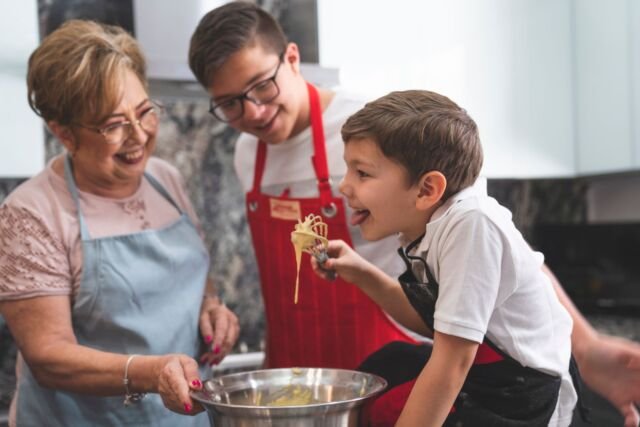
Involving all family members in the cooking process can make mealtime more enjoyable and educational. Each person can take on specific roles, from chopping vegetables to setting the table, making it a team effort. This not only teaches children valuable life skills but also allows them to take pride in the meal they helped create.
To make cooking together more structured, you could plan a monthly family cooking day where everyone contributes to the meal. This can be a great opportunity to try new recipes and cuisines while fostering teamwork.
Creating a Learning Experience at the Table
Incorporating Educational Themes
Transforming mealtime into an educational experience can be both fun and informative. Choose themes for your meals that correspond with what your children are learning at school. For example, if they are studying marine life, prepare seafood dishes and discuss different ocean creatures during dinner.
To further enhance this learning experience, you can create a ‘fact of the day’ related to the theme that family members can share. This can lead to interesting discussions and help reinforce what children are learning in a way that feels relaxed and enjoyable.
Encouraging Math and Science through Cooking
Cooking provides a perfect opportunity to incorporate math and science lessons into mealtime. Measuring ingredients can help kids understand fractions and volume, while observing how ingredients change during cooking can spark their interest in chemistry. Turn cooking into a mini science project by discussing how heat affects food or why certain ingredients are used in recipes.
You might consider creating a recipe book together with your children, where they can write down their favorite meals and the measurements required, reinforcing both math skills and literacy.
Engaging in Cultural and Historical Discussions
Family mealtimes can also serve as an opportunity to engage in cultural and historical discussions. When preparing meals from different cultures, use this time to talk about the history and significance of the dish. This not only makes the meal more meaningful but also encourages curiosity about the world.
To facilitate these discussions, you could assign each family member a specific culture to research and present at dinner. This encourages learning while promoting public speaking skills in a comfortable environment.
Related reading: Make Healthy Lunches Kids Will Actually Eat and Fun Indoor Activities for Kids on Rainy Days.
Trusted sources: MyPlate: Kids.
Frequently Asked Questions
What if my child refuses to eat certain foods?
It’s common for children to refuse new foods. Continue to offer them without pressure. Encourage them to try just a small bite, and remember, it may take several exposures for them to accept a new food.
How can I get my kids involved without making a mess?
Assign age-appropriate tasks that are simple and manageable. For younger children, focus on washing fruits or tearing lettuce. For older children, they can help with mixing or measuring ingredients.
What are some quick meal ideas for busy nights?
Consider quick options like stir-fries, pasta with vegetables, or one-pot meals. Meal prepping on weekends can also help you save time during busy weekdays.
How can I encourage my kids to try new foods?
Make trying new foods a fun challenge. You can create a “food passport” where they get a stamp for trying each new item. Celebrate their adventurous spirit to encourage more exploration.
The Bottom Line
Enhancing family mealtimes is about creating a welcoming and enjoyable experience that fosters connection and communication. By setting the right atmosphere, involving children in the process, and establishing traditions, you can make mealtimes a highlight of your family’s day. Remember that every family is unique, so adapt these suggestions to fit your needs. The most important thing is to cherish the time spent together around the table.
HealthyChildren.org provides further insights into family health and wellness, which can enrich your family mealtime experiences.
Was this article helpful?
Thanks for letting us know! Your feedback helps us make our articles better.

Writer at Apparently a Parent, covering the everyday joys and challenges of raising a family.



4 Responses