Choosing the Right Car Seat for Your Child’s Safety
Learn how to choose a car seat that keeps your child safe and comfortable, with essential tips and guidance for every family.


In this article
Key takeaways
- Understand different car seat types.
- Check for safety certifications.
- Install car seats correctly for maximum protection.
- Keep your child's age, weight, and height in mind.
Choosing a car seat for your child is one of the most important decisions you will make as a parent. With so many options available, it can feel overwhelming, especially if you are a first-time parent. Rest assured, you are not alone in this journey. Many parents share your concerns about safety, comfort, and ease of use when it comes to car seats.
Car seats are designed to protect your child in the event of a car accident, which is why understanding how to choose a car seat is crucial. A properly chosen and installed car seat can reduce the risk of injury or death by up to 71%. This article will guide you through the key considerations and steps in selecting the right car seat for your family’s needs.
Your child’s safety is paramount, and every family is different. Factors like your vehicle type, your child’s age, and your lifestyle will influence your choice. For instance, if you have more than one child, you may want a car seat that accommodates siblings easily. Let’s dive into the essential details you need to know.
Understanding Car Seat Types
To effectively choose a car seat, it’s essential to understand the different types available on the market. There are three primary categories: infant car seats, convertible car seats, and booster seats.
1. Infant Car Seats
Infant car seats are rear-facing seats designed for newborns and infants up to about 22 to 35 pounds, depending on the model. They typically come with a base that remains in the car, allowing you to easily detach the seat for carrying your baby without waking them. These seats offer the best protection for small children.
- Advantages: Convenient for carrying, easy to switch between cars.
- Disadvantages: Limited use as your baby grows.
2. Convertible Car Seats
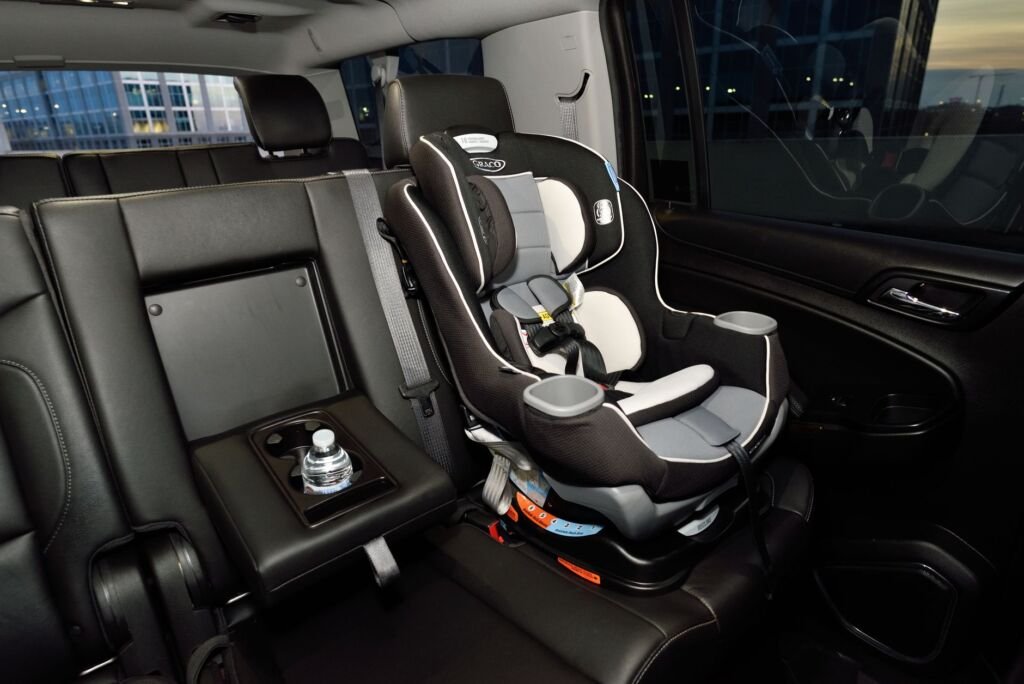
Convertible car seats can be used in both rear-facing and forward-facing positions. They are designed for children from birth to about 65 pounds. This versatility makes them a popular choice among parents who want a long-lasting solution.
- Advantages: Versatile use, longer lifespan.
- Disadvantages: Can be bulkier and heavier than infant seats.
3. Booster Seats
Booster seats are designed for older children who have outgrown their forward-facing seats but are not yet large enough to use the vehicle’s seat belt alone. They elevate the child, ensuring that the seat belt fits properly across their shoulder and lap.
- Advantages: Helps position the seat belt correctly, longer usable period.
- Disadvantages: Requires the child to be mature enough to sit properly.
Safety Certifications and Regulations
Safety is the most critical factor when selecting a car seat. It is vital to look for seats that meet or exceed the safety standards set by regulatory bodies. In the United States, the National Highway Traffic Safety Administration (NHTSA) and the American Academy of Pediatrics (AAP) provide guidelines and certifications.
When shopping for a car seat, check for the following:
- Federal Motor Vehicle Safety Standards (FMVSS): Ensure the car seat meets these safety criteria.
- Expiration Date: Car seats have an expiration date, typically between six to ten years from the date of manufacture. Always check this to ensure your seat remains safe.
- Crash Test Ratings: Look for information regarding how well the car seat performed in crash tests.
In addition to certifications, many manufacturers provide information about the materials used in their car seats. Opting for seats that use non-toxic materials can provide peace of mind about your child’s health and safety.

Installation and Use
Even the safest car seat won’t protect your child if it’s not installed correctly. Follow the manufacturer’s instructions closely to ensure proper installation. Here are some key points to keep in mind:
- Read the Manual: Each car seat comes with its specific installation instructions. Familiarize yourself with these before installation.
- Use the Right Seat Belt: Ensure you are using either the vehicle’s seat belt or the LATCH system correctly, as indicated in the manual.
- Check for Movement: After installation, shake the car seat at the base to ensure it doesn’t move more than an inch side to side or front to back.
It may be beneficial to have a certified technician check your installation. Many local fire departments and police stations offer this service for free.
HealthyChildren.org provides additional resources on proper car seat installation and safety tips.
Age, Weight, and Height Considerations
Understanding your child’s age, weight, and height is crucial in determining which car seat is appropriate for them. Children’s bodies grow at different rates, so it’s essential to select a seat that fits your child’s current size while also allowing for future growth.
| Child’s Age | Recommended Car Seat Type | Weight Limit | Height Limit |
|---|---|---|---|
| Newborn to 1 year | Infant Car Seat | Up to 35 lbs | Up to 32 inches |
| 1 to 4 years | Convertible Car Seat | Up to 65 lbs | Up to 49 inches |
| 4 to 8 years | Booster Seat | Up to 100 lbs | Up to 57 inches |
Keep in mind that these are general guidelines. Always refer to the specific recommendations from the car seat manufacturer and your pediatrician.
Convenience and Lifestyle Factors
When selecting a car seat, consider how it fits into your family’s lifestyle. If you frequently travel or use multiple vehicles, a lightweight car seat may be more convenient. Look for seats that are easy to install and remove, as this will save you time and frustration.
- Ease of Use: Choose a seat that is user-friendly, especially if you will be moving it between vehicles.
- Space Considerations: If your vehicle is smaller, ensure the car seat fits comfortably without compromising safety.
- Price Range: Car seats can vary significantly in price. While it’s essential to invest in safety, there are budget-friendly options that still meet safety standards.
For families with more than one child, consider whether you need to install multiple car seats side by side. Some models are designed to fit three across, which can be a lifesaver in tight spaces.
Understanding Car Seat Features
Adjustable Harness Systems
One of the crucial features to look for in a car seat is an adjustable harness system. These systems allow you to modify the harness as your child grows, ensuring a snug and safe fit at all times. Most modern car seats come with multiple harness slots, which can be adjusted without having to uninstall the seat. This feature not only enhances safety but also convenience, allowing parents to make changes quickly and easily.
When selecting a car seat, consider the following features related to the harness system:
- Ease of adjustment: Ensure that the harness can be adjusted without removing the seat from the car.
- Multiple positions: A good car seat should offer several height options to accommodate your child’s growth.
- 5-point harness: Look for seats that provide a secure 5-point harness system for infants and toddlers.
Side Impact Protection
Side impact protection is a critical feature that can significantly enhance your child’s safety during a collision. Car seats equipped with energy-absorbing foam and strategically designed structures can reduce the forces of a side impact. Many manufacturers have developed specific technologies to provide additional protection on the sides of the car seat, ensuring that your child is shielded from potential harm.
When evaluating side impact protection, consider:
- Reinforced side wings: These provide an additional layer of protection.
- Energy-absorbing materials: Look for seats that feature advanced materials designed to absorb crash forces.
- Testing protocols: Check if the car seat has undergone rigorous side impact testing.
Ease of Cleaning
Children can be messy, and a car seat can quickly become soiled with spills, crumbs, and other debris. Therefore, choosing a car seat that is easy to clean can save parents significant time and stress. Many manufacturers now offer removable and washable covers that can be taken off without the need for tools.
When selecting a car seat based on ease of cleaning, consider the following:
- Machine washable covers: These can simplify the cleaning process.
- Removable padding: Look for seats that allow you to remove the padding for easy cleaning.
- Surface materials: Opt for seats made from materials that are resistant to stains and easy to wipe down.

Car Seat Longevity and Expiration
Understanding Expiration Dates
Every car seat comes with an expiration date, typically ranging from six to ten years after the manufacturing date. This is important because materials used in car seats can degrade over time, potentially compromising safety. Parents should always check the expiration date before using a car seat, especially if it has been in storage or handed down from another family.
Expiration dates can vary based on several factors, including:
- Manufacturing materials: Some materials may degrade faster than others.
- Usage: Seats that have been involved in crashes should be replaced, regardless of their age.
- Environmental factors: Exposure to extreme temperatures can also affect a car seat’s lifespan.
Transitioning Between Seat Types
As your child grows, they will eventually need to transition from one type of car seat to another. This process can be confusing for many parents, as each type of seat has different requirements and safety considerations. Understanding when and how to make these transitions is crucial for your child’s safety.
Here are some guidelines for transitioning car seats:
- Infant to convertible: Transition when your child exceeds the height or weight limit of the infant seat.
- Convertible to booster: Once your child outgrows the convertible seat, typically around 40-65 pounds, they can transition to a booster seat.
- Booster to seatbelt: Children should use a booster until they are tall enough to use the vehicle’s seatbelt alone, usually around 4 feet 9 inches tall.
Understanding the Resale Market
Many parents consider purchasing a used car seat to save money. While this can be a viable option, it’s essential to understand the risks associated with used seats. Without knowing the seat’s history, you may unknowingly compromise your child’s safety. If you choose to buy a used car seat, there are several guidelines to follow.
Here are key considerations when purchasing a used car seat:
- Check for recalls: Always verify if the car seat has been recalled and if the issue has been resolved.
- Inspect for damage: Look for any signs of wear, cracks, or missing parts.
- Verify the expiration date: Ensure the seat is still within its usable life.
Car Seat Accessories and Add-Ons
Understanding the Role of Accessories
While the primary focus of car seats is safety, various accessories can enhance comfort and usability. However, it’s crucial to ensure that any add-ons do not compromise the car seat’s safety features. Always consult the car seat manufacturer before purchasing accessories, as not all are approved for use.
Popular accessories include:
- Seat protectors: These can help prevent damage to your vehicle’s upholstery but should be compatible with your car seat.
- Cup holders: Some car seats come with built-in cup holders, while others offer detachable options.
- Infant head and body supports: These can provide additional comfort for younger infants but should be designed specifically for use with your car seat.
Choosing the Right Travel System
A travel system combines an infant car seat with a stroller, offering convenience for parents on the go. This integrated solution allows for easy transitions between car and stroller, which can reduce the hassle of managing separate items. When considering a travel system, ensure both the car seat and stroller meet safety standards.
Key factors to evaluate in a travel system include:
- Compatibility: Ensure that the car seat securely clicks into the stroller.
- Ease of use: Look for a system that allows for easy one-handed operation.
- Storage space: Consider how much storage capacity the stroller offers for diaper bags and other necessities.
Safety Features of Accessories
While accessories can enhance usability, they must be evaluated for safety. Some accessories may not have been tested with the car seat, potentially leading to safety risks. Always prioritize safety by checking for manufacturer recommendations regarding the use of accessories.
Consider the following safety aspects:
- Manufacturer guidelines: Always follow the manufacturer’s recommendations for approved accessories.
- Material safety: Ensure that all materials used in accessories are free from harmful chemicals.
- Non-intrusive design: Accessories should not interfere with the car seat’s harness system or safety features.
Related reading: Essential Baby Monitor Features Every Parent Uses and Educational Toys That Grow With Your Child’s Development.
Frequently Asked Questions
1. When should I transition my child to a booster seat?
Most children can transition to a booster seat once they have outgrown their forward-facing car seat, typically around 4 years old. However, it’s essential to check your child’s weight and height against the booster seat’s specifications.
2. How long should my child remain in a rear-facing car seat?
The AAP recommends that children remain in a rear-facing car seat until at least age 2, or until they reach the maximum weight or height limit set by the car seat manufacturer.
3. Are used car seats safe to buy?
Buying a used car seat can be risky. Ensure it meets current safety standards, has not been in an accident, and is not expired. If possible, buy from a trusted source.
4. What if my car seat was involved in a minor accident?
Generally, if a car seat has been involved in a crash, it should be replaced, even if there are no visible signs of damage. However, check with the car seat manufacturer for specific guidelines.
The Bottom Line
Choosing the right car seat is a vital step in ensuring your child’s safety during travel. Remember to consider your child’s age, weight, and height, as well as your family’s lifestyle and vehicle type. By following the guidelines in this article, you can make an informed decision that keeps your little one secure. Don’t hesitate to consult your pediatrician for personalized advice tailored to your child’s needs.
The American Academy of Pediatrics provides further resources and updates on child safety in vehicles.
Was this article helpful?
Thanks for letting us know! Your feedback helps us make our articles better.

Writer at Apparently a Parent, covering the everyday joys and challenges of raising a family.




One Response