Understanding Picky Eating in Toddlers: What Works
Explore effective strategies to manage picky eating in toddlers and discover what works and what backfires in meal time struggles.


In this article
Key takeaways
- Picky eating is common in toddlers.
- Create a positive mealtime environment.
- Involve your child in food choices.
- Be patient and consistent with new foods.
Understanding Picky Eating in Toddlers
Picky eating is a common phase that many toddlers go through. As a parent, it can be both frustrating and concerning when your little one seems to reject nearly everything on their plate. It’s important to understand that this phase is part of their development. Toddlers are learning about textures, flavors, and their own preferences. Each child is unique, and what works for one may not work for another.
The American Academy of Pediatrics advises that picky eating often emerges between the ages of 1 and 3. This is a critical time for developing healthy eating habits, and while it might seem like a trivial issue, it can have lasting effects on your child’s nutrition and relationship with food. The key is to navigate this phase with patience and understanding.
In this article, we will explore effective strategies to manage picky eating in toddlers. You’ll learn what approaches are beneficial and which can lead to increased resistance or stress during meals. Remember, every family is different, and it’s essential to find what works best for your child.
Why Do Toddlers Become Picky Eaters?
There are several reasons why toddlers may become picky eaters. Understanding these reasons can help you approach the situation with empathy and strategies tailored to your child’s needs.
Developmental Stage
During the toddler years, children are developing their independence. They are beginning to assert their preferences, which can manifest as picky eating. This is a natural part of their growth as they explore their surroundings and, in this case, their food options.
Additionally, toddlers are experiencing rapid growth and changes in their taste buds. Foods they once enjoyed may suddenly seem unappealing. Recognizing that this behavior is usually temporary can help ease parental frustration.
Fear of New Foods
Many toddlers exhibit neophobia, which is the fear of trying new things, including foods. This can be particularly pronounced when they are introduced to unfamiliar textures or tastes. The fear of new foods is a common trait among toddlers and is often linked to their natural instinct for self-preservation.
When introducing new foods, it’s essential to do so gradually. Offering a variety of foods over time can help your child become more comfortable with different tastes and textures. Pairing new foods with familiar favorites can also ease the transition.
Parental Influence
The eating habits of parents and caregivers greatly influence a toddler’s food preferences. If children see their parents enjoying a wide range of foods, they are more likely to be open to trying new things themselves. On the other hand, if they observe restrictive or negative attitudes toward certain foods, they might adopt similar behaviors.
Modeling healthy eating habits and showing enthusiasm for diverse foods can encourage your child to explore new flavors. It’s also vital to avoid pressuring your child to eat, as this can lead to negative associations with mealtimes.
Strategies for Encouraging Healthy Eating
There are numerous strategies you can employ to help your toddler develop a more varied diet. Here are some practical approaches that have proven effective for many families:
Create a Positive Mealtime Environment
- Eliminate Distractions: Turn off screens and focus on the meal as a family. This helps make mealtime enjoyable and engaging.
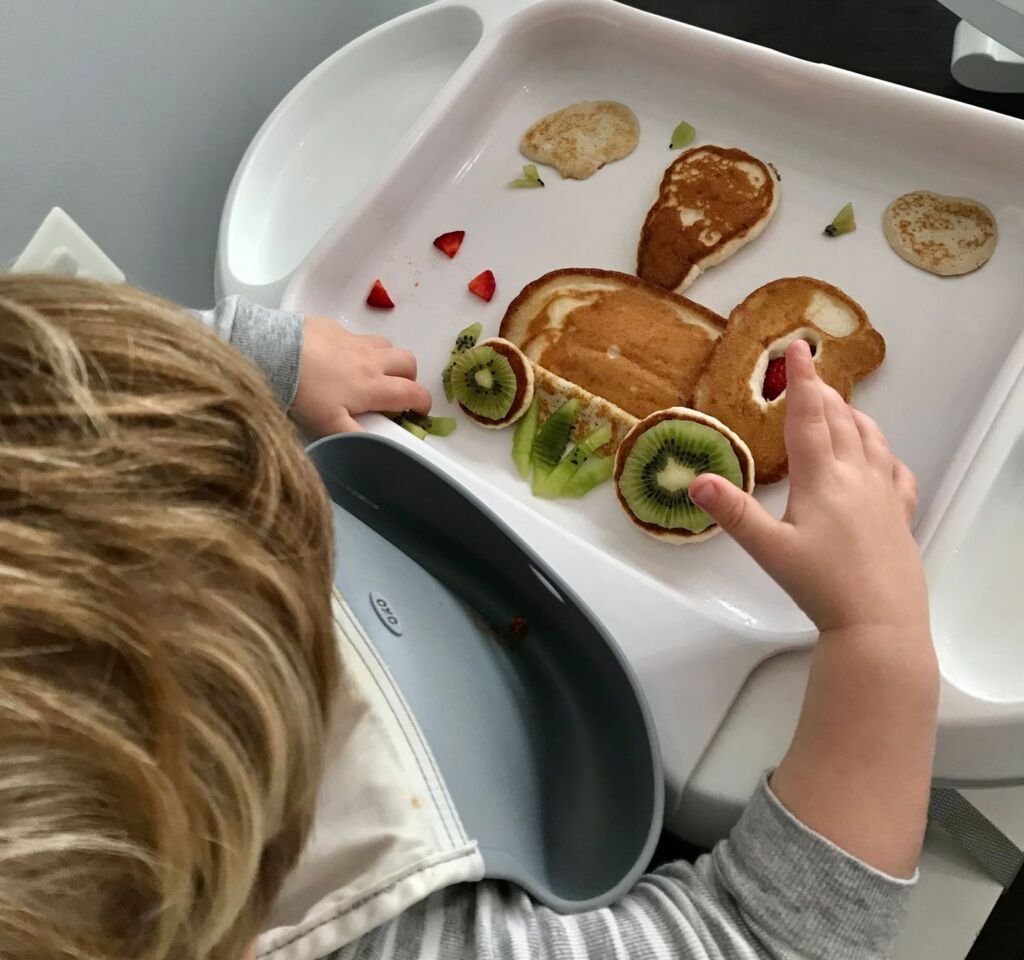
- Make It Fun: Use colorful plates and arrange food in fun shapes. Making meals visually appealing can entice your toddler to try new foods.
- Stay Calm: If your child refuses to eat something, avoid reacting with frustration. Keeping a positive attitude can help make mealtimes less stressful.
Involve Your Child in Food Choices
Letting your toddler participate in meal planning can increase their interest in trying new foods. Here are some ways to involve them:
- Grocery Shopping: Take your toddler with you and allow them to choose a new fruit or vegetable to try at home.
- Cooking Together: Involve your toddler in simple cooking tasks, such as washing vegetables or stirring. This can create excitement about the meal.
- Taste Tests: Have fun taste-testing different foods together. You can create a mini food tasting at home where they can rate what they like or dislike.
Offer a Variety of Foods
Exposure is key when it comes to developing a varied palate. Here are some tips for offering a range of foods:
- Regular Introductions: Introduce new foods alongside familiar favorites. This can make the new food less intimidating.
- Consistent Offerings: Serve a variety of foods repeatedly. It can take multiple exposures before a child is willing to try something new.
- Snack Options: Provide healthy snacks that include a mix of textures and flavors. This can encourage spontaneous tasting between meals.
What to Avoid When Managing Picky Eating
While it’s important to encourage healthy eating, certain approaches may backfire and make the situation worse. Here are some common pitfalls to avoid:
Pressuring Your Child to Eat
Forcing or pressuring your child to eat certain foods can create negative associations with mealtimes. This can lead to resistance and further picky eating behaviors.
Using Food as a Reward or Punishment
Using food as a reward for good behavior or as a punishment can create an unhealthy relationship with food. Instead, focus on providing a range of nutritious options without attaching emotional weight to them.
Creating a Stressful Environment
Mealtime should be a pleasant experience. If you find yourself constantly battling over food, it may be time to reassess your approach. Creating a relaxed atmosphere can help foster a more positive attitude toward eating.

Understanding Nutritional Needs
During the toddler years, proper nutrition is essential for growth and development. Here are some key nutritional considerations:
Essential Nutrients
Toddlers require a balanced diet that includes:
- Fruits and Vegetables: Aim for a colorful variety to ensure a broad spectrum of vitamins and minerals.
- Whole Grains: Foods like whole grain bread, oatmeal, and brown rice provide necessary energy and nutrients.
- Protein Sources: Include lean meats, beans, and dairy to support healthy muscle growth.
Portion Sizes
Understanding appropriate portion sizes for toddlers is crucial. A general guideline is:
| Food Group | Recommended Portion Size |
|---|---|
| Fruits | 1/4 to 1/2 cup |
| Vegetables | 1/4 to 1/2 cup |
| Grains | 1/4 to 1/2 cup |
| Protein | 1 to 2 ounces |
| Dairy | 1/2 cup |
Consulting with Professionals
If you have concerns about your child’s nutrition or eating habits, consulting with a pediatrician or a registered dietitian can provide valuable guidance tailored to your child’s needs. They can help ensure that your toddler is meeting their nutritional requirements and can offer additional strategies for dealing with picky eating.
[h2]Frequently Asked Questions[/h2]
What should I do if my toddler refuses to try new foods?
Continue to offer the new food alongside familiar favorites without pressure. It can take several exposures for a child to feel comfortable trying something new.
How can I make mealtime more enjoyable?
Create a relaxed atmosphere, involve your child in meal prep, and serve meals at consistent times to establish a routine.
Is it normal for toddlers to have strong food preferences?
Yes, strong food preferences are normal during toddler years. This is a part of their development as they explore autonomy and tastes.
When should I be concerned about my toddler’s eating habits?
If your toddler is consistently refusing food, losing weight, or showing signs of nutritional deficiencies, consult your pediatrician for advice.
Creating a Positive Eating Environment
Establishing Routine Meal Times
One effective way to help toddlers overcome picky eating is to establish consistent meal and snack times. This provides structure and helps children know when to expect food. Aim for three meals and two snacks each day, and try to serve meals at the same time every day. This predictability can also help reduce anxiety around mealtime.
Make sure to include your toddler in the process of preparing meals and snacks. Allowing them to help with simple tasks can increase their interest in the food that is served. For example, let them wash vegetables, stir ingredients, or set the table. This involvement can foster a sense of ownership and curiosity about the food.
- Breakfast: 8:00 AM
- Snack: 10:00 AM
- Lunch: 12:00 PM
- Snack: 3:00 PM
- Dinner: 6:00 PM
Minimizing Distractions
Creating an environment conducive to eating can significantly impact your toddler’s willingness to try new foods. Reducing distractions, such as turning off the television and putting away toys, can help your child focus on their meal. Consider making mealtime a family affair, where everyone sits together at the table without electronic devices.
Encourage conversation during meals to engage your child, but keep it light and fun. Ask them about their day or their favorite colors, which can help create a relaxed atmosphere. This approach reinforces the idea that mealtime is a pleasant experience, rather than a battleground over food.
Making Food Fun
Turning the act of eating into a playful experience can also encourage toddlers to try new foods. Use cookie cutters to create fun shapes from fruits, vegetables, and sandwiches. Arrange food into fun designs on their plate, such as a smiley face or a flower. Making food visually appealing can spark curiosity and encourage them to taste what is on their plate.
Additionally, consider themed meals where foods are introduced based on a specific concept, such as “Rainbow Day” where you serve a variety of colorful fruits and vegetables. By making food fun and engaging, you can increase your toddler’s willingness to explore different flavors and textures.
Understanding Sensory Preferences
Recognizing Texture Preferences
Toddlers often have strong preferences when it comes to food textures, which can contribute to picky eating. Some children may prefer crunchy textures, while others may only eat soft foods. Understanding your child’s texture preferences can help you tailor meals to their liking, making it easier to introduce new foods.
To assist in this, consider offering foods with various textures during meals. For example, serve cooked carrots alongside raw ones or pair creamy avocado with crunchy tortilla chips. This approach can help your child gradually accept different textures while still providing them with foods they enjoy.
- Crispy: Apple slices, carrot sticks
- Soft: Mashed potatoes, yogurt
- Chewy: Dried fruits, whole grain bread
Addressing Taste Sensitivities
Children can also be sensitive to certain flavors, which can lead to a preference for bland foods. It’s essential to recognize if your child is sensitive to bitterness, sourness, or spiciness. If they have a strong aversion to these flavors, introducing new foods gradually can help them adapt over time.
Start by mixing small amounts of new flavors into familiar foods. For instance, if your child loves pasta, consider adding a small amount of tomato sauce or mild herbs. This method allows them to experience new tastes without feeling overwhelmed. Over time, you can increase the amount of the new ingredient as their palate adjusts.
Incorporating Familiar Foods in New Dishes
Another effective strategy for addressing picky eating is to incorporate familiar foods into new dishes. For example, if your toddler loves cheese, consider making a cheese and vegetable quesadilla. This not only includes a new food (vegetables) but also maintains a familiar flavor that they already enjoy.
Experiment with different recipes that combine old favorites with new ingredients. Smoothies are another great option, where you can blend fruits with spinach or kale without your child even noticing. This technique allows for the introduction of healthier options while still focusing on foods your child already loves.
Encouraging Independence and Choice
Offering Choices in Food Selection
Empowering your toddler by allowing them to make choices can be a powerful tool in combating picky eating. Present two or three options for meals or snacks and let your child choose what they want to eat. This approach gives them a sense of control and can increase their willingness to try new foods.
When offering choices, ensure that all options are healthy. For example, you might offer a choice between carrot sticks or cucumber slices for a snack. This way, your child feels that they have a say in their food while still adhering to healthy eating habits.
- Snack Options:
- Fruit: Apple slices or banana
- Veggies: Peppers or cherry tomatoes
- Dairy: Yogurt or cheese
Encouraging Self-Feeding
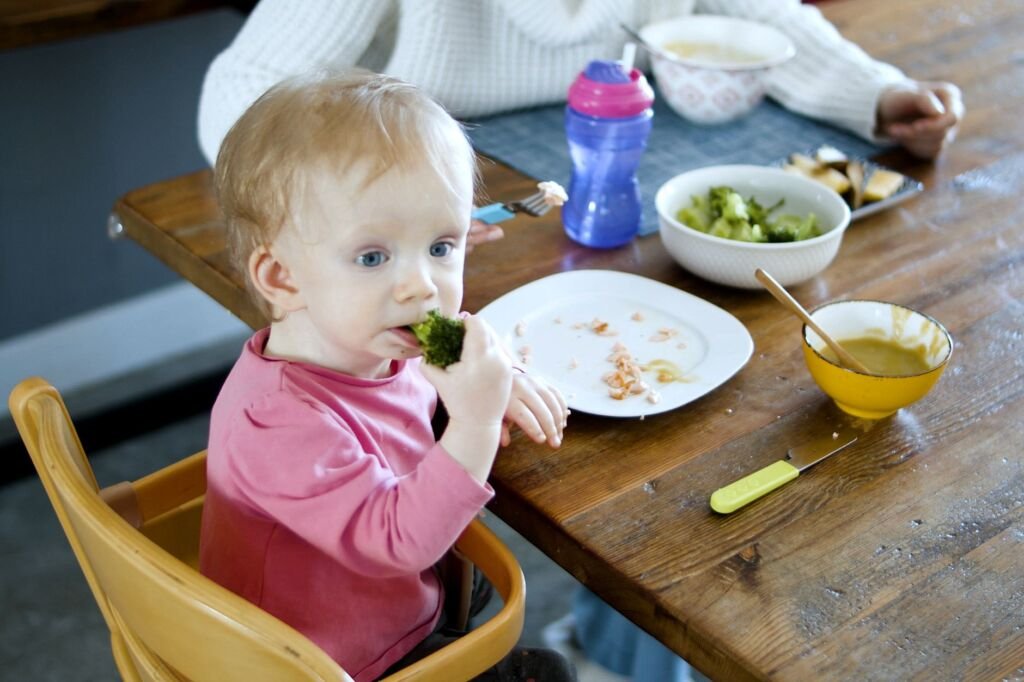
Encouraging your toddler to self-feed can also help them develop a positive relationship with food. Allow them to use their hands or child-friendly utensils to explore different foods. This hands-on approach can make mealtimes more enjoyable and less stressful.
Offer finger foods that are easy for toddlers to grasp, such as small pieces of fruit, cooked pasta, or bite-sized vegetables. This can help them feel more comfortable trying new items and can lead to increased acceptance of a variety of foods.
Setting a Good Example
Your own eating habits play a significant role in shaping your toddler’s attitudes toward food. Be mindful of the foods you consume and demonstrate a positive attitude toward trying new dishes. Children often mimic their parents’ behavior, and showing enthusiasm for a diverse range of foods can encourage them to follow suit.
Involve your child in grocery shopping and meal preparation to expose them to different foods. Discuss the nutritional benefits of various items and express excitement about trying new recipes. This active involvement can inspire curiosity and openness toward a wider variety of foods.
Related reading: Toddler Screen Time: Setting Healthy Limits for Kids and How to Manage Toddler Tantrums in Public Effectively.
Trusted sources: HealthyChildren.org (American Academy of Pediatrics), HealthyChildren.org: Toddler.
Frequently Asked Questions
How can I encourage my toddler to try new foods?
Introduce new foods alongside familiar favorites and avoid pressure. It may take several attempts before they feel comfortable trying something new.
What should I do if my toddler has a very limited diet?
If your toddler's diet is extremely limited, focus on offering a variety of healthy options regularly. Consulting a pediatrician or dietitian can provide tailored strategies and ensure their nutritional needs are being met.
Is it okay to give my toddler the same foods every day?
While some repetition is normal, it's important to strive for a balanced diet with a variety of foods. This helps ensure they receive all necessary nutrients and encourages broader taste acceptance.
How can I create a positive mealtime atmosphere?
Eliminate distractions, engage in light conversation, and make meals visually appealing. A relaxed environment can help reduce stress and encourage your toddler to explore different foods.
The Bottom Line
Picky eating in toddlers is a common challenge that many parents face. By understanding the developmental reasons behind this behavior and employing effective strategies, you can help your child develop a healthier relationship with food. Remember to be patient and consistent, and most importantly, create a positive mealtime environment that encourages exploration and enjoyment of a variety of foods.
Was this article helpful?
Thanks for letting us know! Your feedback helps us make our articles better.

Writer at Apparently a Parent, covering the everyday joys and challenges of raising a family.




2 Responses