Understanding What Happens During a Prenatal Checkup
Discover what happens during a prenatal checkup, including tests, procedures, and tips for a confident visit to your healthcare provider.


In this article
Key takeaways
- Prenatal checkups are essential for monitoring maternal and fetal health.
- Expect physical exams, lab tests, and discussions about your pregnancy.
- Prepare questions and concerns to discuss with your healthcare provider.
- Regular checkups help ensure a healthy pregnancy and delivery.
As you embark on the beautiful journey of pregnancy, understanding what to expect during your prenatal checkups can provide reassurance and confidence. These visits are not merely appointments but vital touchpoints to monitor both your health and the development of your growing baby. Each prenatal checkup serves a specific purpose, ensuring that you and your baby are thriving.
During a prenatal checkup, you will engage with your healthcare provider, who will conduct a variety of assessments and tests. This is an excellent opportunity for you to express any concerns or questions you might have. Each pregnancy is unique, and your experience may vary based on your individual needs and circumstances.
In this guide, we will delve into the various components of a typical prenatal checkup, what you can expect, and how to prepare for these important visits. Let’s explore the journey ahead together.
What to Expect at Your First Prenatal Visit
Your first prenatal visit typically occurs within the first 8 to 12 weeks of your pregnancy. This visit is crucial for establishing your care plan and addressing any initial concerns. During this appointment, your healthcare provider will conduct a comprehensive assessment.
Initial Assessment: This includes a thorough medical history review where you will discuss your past pregnancies, medical conditions, and family health history. Your provider will also inquire about your lifestyle, including diet, exercise, and substance use. These factors can influence both your health and your baby’s development.
Physical Exam: A physical examination is conducted to assess your overall health. This may include measuring your weight, checking your blood pressure, and performing a pelvic examination. Your healthcare provider may also conduct blood tests to check for anemia, blood type, and infections.
Expected Tests: Depending on your medical history and other factors, you may undergo additional tests. Common tests include:
- Blood tests for hormones and nutrients
- Urinalysis to check for infections
- Screening for sexually transmitted infections (STIs)
Understanding these early assessments can help you feel more prepared for your first visit. Remember, the goal is to create a supportive environment that fosters both your health and that of your baby.
Regular Prenatal Checkup Schedule
Once you have established care with your provider, understanding the schedule for subsequent checkups is vital. Generally, prenatal visits will follow this timeline:
| Trimester | Frequency of Visits |
|---|---|
| First Trimester (Weeks 1-12) | Every 4-6 weeks |
| Second Trimester (Weeks 13-26) | Every 4 weeks |
| Third Trimester (Weeks 27-40) | Every 2-3 weeks until week 36, then weekly |
This schedule may vary based on individual circumstances. High-risk pregnancies may require more frequent visits to monitor health closely.
Consistency is key. Attending all scheduled checkups helps ensure any potential issues are identified early. This proactive approach is essential for a healthy pregnancy.
Common Tests and Screenings During Prenatal Visits
Throughout your pregnancy, your healthcare provider will recommend various tests and screenings to monitor your health and that of your baby. Here are some common tests:
- Ultrasound: Usually performed in the first and second trimesters, ultrasounds help visualize the baby’s growth and development. They can also confirm the number of fetuses.
- Gestational Diabetes Screening: Typically performed between 24 and 28 weeks, this test checks how your body processes sugar and assesses the risk of gestational diabetes.
- Group B Strep Test: Conducted between 35 and 37 weeks, this test screens for bacteria that could affect your baby during delivery.
- Blood Tests: Regular blood tests may check for iron levels, infections, and genetic conditions, depending on your background and family history.
Discuss these tests with your healthcare provider and understand their purpose. It’s your pregnancy, and being informed is empowering.

Discussing Your Health and Lifestyle Choices
During your prenatal checkups, your healthcare provider will take the time to discuss your health and lifestyle choices. This dialogue is essential in ensuring that you are making choices that support a healthy pregnancy.
Nutrition: Your diet plays a significant role in your health and that of your baby. Discuss your eating habits, and consider asking about recommended prenatal vitamins. For more information on prenatal vitamins, check out our article on what every parent should know about prenatal vitamins.
Exercise: Staying active is generally encouraged during pregnancy, but it’s important to discuss any exercise routines you currently have. Your healthcare provider can suggest safe exercises tailored to your needs.
Mental Health: Pregnancy can be an emotional rollercoaster. Do not hesitate to discuss any feelings of anxiety or depression. Your emotional well-being is just as important as your physical health.
Preparing for Your Prenatal Checkup
Preparation can help you get the most out of each prenatal visit. Here are some tips to ensure you make the most of your time with your healthcare provider:
- Write Down Questions: Before your appointment, jot down any questions or concerns you have. This ensures that you address everything during your visit.
- Bring Important Information: If you have had previous pregnancies, be sure to bring any relevant medical records. Also, bring a list of medications you are currently taking.
- Consider Bringing a Support Person: Having a partner or friend accompany you can provide emotional support and can also help remember the information shared during your appointment.
Being prepared can lead to more productive conversations with your healthcare provider.
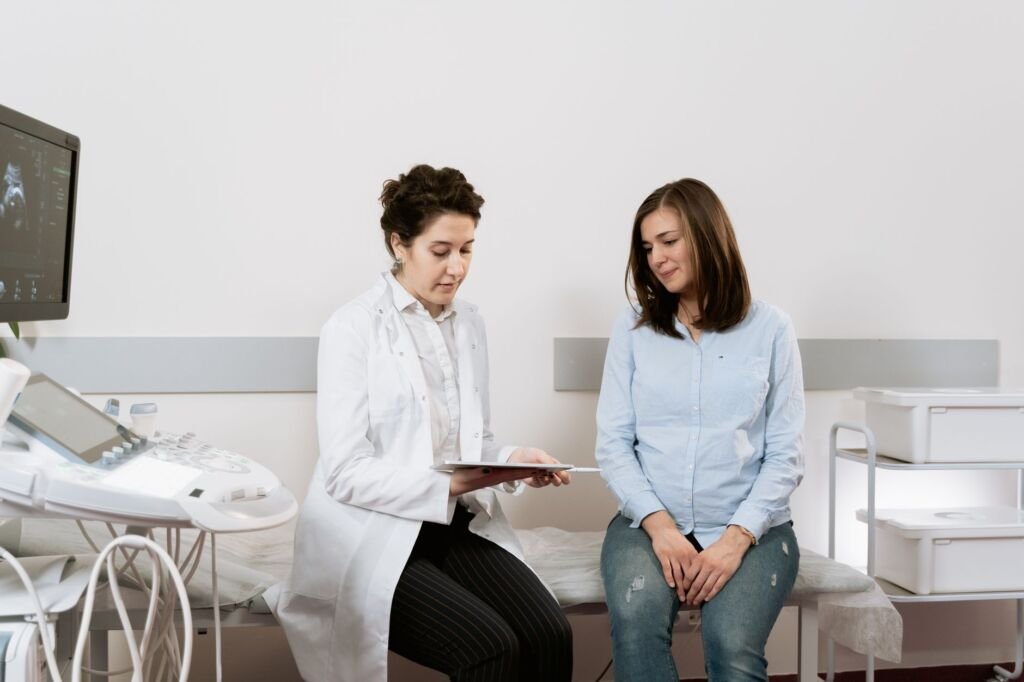
What to Expect During the Physical Examination
During your prenatal checkup, a physical examination is standard. Here’s what typically occurs:
Weight and Blood Pressure: Your weight and blood pressure will be checked at each visit to monitor your health. Significant changes can indicate potential issues.
Abdominal Examination: Your healthcare provider will palpate your abdomen to assess the size and position of your baby. This helps track growth and development.
Fetal Heartbeat: Listening to your baby’s heartbeat is one of the most exciting aspects of your checkup. It usually becomes audible around the 10 to 12-week mark.
These examinations are essential for tracking your pregnancy’s progress and ensuring both you and your baby remain healthy.
The Role of Nutrition in Prenatal Care
Understanding Nutritional Needs
Nutrition plays a critical role in prenatal health, as it directly impacts the development of the fetus. During pregnancy, a woman’s caloric needs increase, and it is essential to focus on nutrient-dense foods. The primary nutrients that should be emphasized include folic acid, iron, calcium, and omega-3 fatty acids. These nutrients are vital for fetal growth and development, and they help to mitigate pregnancy-related complications.
It’s recommended that pregnant individuals consume a balanced diet that includes a variety of food groups. Here’s a list of essential food sources for key nutrients:
- Folic Acid: Leafy greens, fortified cereals, beans, and citrus fruits.
- Iron: Lean meats, spinach, lentils, and fortified grains.
- Calcium: Dairy products, fortified plant milks, tofu, and almonds.
- Omega-3 Fatty Acids: Fatty fish (like salmon), walnuts, and flaxseeds.
Managing Dietary Restrictions and Cravings
Pregnancy can bring about unique cravings and aversions to certain foods. It’s important for expectant parents to understand how to navigate these changes while still meeting their nutritional needs. For those with dietary restrictions or food allergies, consulting with a registered dietitian can provide tailored advice to ensure that both mother and baby receive adequate nutrition.
It’s recommended to keep a food diary, noting cravings and aversions, which can help in identifying patterns and ensuring a balanced diet. If cravings lead to unhealthy choices, consider healthier alternatives that can satisfy the same desire without compromising nutrition.
Hydration and its Importance
Staying hydrated is vital during pregnancy as it supports increased blood volume and helps in the formation of amniotic fluid. Pregnant individuals should aim to drink at least 8 to 10 cups of water each day. Proper hydration can alleviate common discomforts such as constipation and swelling.
In addition to water, consuming hydrating foods can also contribute to overall fluid intake. Foods such as cucumbers, oranges, and watermelon are excellent sources of hydration. It is advisable to limit caffeine and avoid sugary drinks to maintain optimal hydration levels.

The Emotional and Psychological Aspects of Prenatal Care
Recognizing and Addressing Pregnancy-Related Anxiety
Many expectant parents experience a range of emotions during pregnancy, including anxiety and stress. It is essential to recognize these feelings and address them proactively. Anxiety can stem from various sources, including the anticipation of childbirth, concerns about parenting, and health issues.
Engaging in mindfulness and relaxation techniques can be beneficial. Practices such as deep breathing, prenatal yoga, and meditation can help manage stress levels. Additionally, having open conversations with healthcare providers about mental health can lead to better support and resources during pregnancy.
The Importance of Support Systems
Building a support system is crucial for emotional well-being during pregnancy. This support can come from partners, family, friends, or support groups. Engaging with others who are going through similar experiences can provide a sense of community and validation.
Expectant parents should not hesitate to reach out for help or express their feelings. Participating in prenatal classes can also foster connections with other parents and offer valuable insights into the journey ahead.
Postpartum Mental Health Considerations
Understanding that emotional challenges may continue into the postpartum period is essential. Conditions like postpartum depression and anxiety can affect new parents, and it is vital to be aware of the signs and seek help if needed. Regular check-ins with healthcare providers during postpartum visits can facilitate discussions about mental health.
Education about these potential challenges can empower expectant parents to seek support early. Here are some signs that may indicate the need for professional help:
- Persistent feelings of sadness or hopelessness.
- Difficulty bonding with the baby.
- Intense mood swings or irritability.
- Changes in sleeping or eating patterns.
Understanding the Impact of Lifestyle Choices During Pregnancy
The Effects of Exercise on Pregnancy
Exercise during pregnancy is not only safe for most individuals but also beneficial. Regular physical activity can help improve mood, reduce pregnancy-related discomfort, and support overall health. However, it’s essential to consult with a healthcare provider before starting or continuing an exercise regimen during pregnancy.
Low-impact exercises such as walking, swimming, and prenatal yoga are often recommended. It’s essential to listen to the body and avoid overexertion. Here’s a list of benefits associated with prenatal exercise:
- Improved sleep quality.
- Reduced risk of gestational diabetes.
- Less back pain and improved posture.
- Better stamina for labor and delivery.
Avoiding Harmful Substances
During pregnancy, avoiding harmful substances is crucial for the health of both the mother and the developing fetus. This includes refraining from smoking, alcohol consumption, and illicit drug use. Research indicates that exposure to these substances can lead to significant health risks, including developmental delays and low birth weight.
It’s also important to discuss the use of prescription medications and any over-the-counter drugs with a healthcare provider to ensure they are safe during pregnancy. If a mother is struggling with substance use, seeking help early can lead to better outcomes for both her and her baby.
The Role of Prenatal Classes
Participating in prenatal classes can provide valuable education and resources for expectant parents. These classes often cover topics such as childbirth preparation, breastfeeding, and newborn care. They can also serve as a platform for parents to connect with others and build a community.
Expectant parents are encouraged to explore different types of classes, including those focused on specific topics like infant CPR, breastfeeding support, and postpartum recovery. This knowledge can empower parents and help them feel more prepared for the journey ahead.
Related reading: Essential Items to Pack in Your Hospital Bag.
Trusted sources: ACOG: Women's health, NHS: Pregnancy.
Frequently Asked Questions
How long will my prenatal appointments last?
Your prenatal visits usually last around 30 minutes to an hour, depending on your needs and the specific tests being conducted.
Can I bring my children to my prenatal checkup?
While some parents prefer to bring their children, consider whether it will be a distraction or if you would prefer one-on-one time with your provider.
What should I do if I feel anxious about my appointments?
It’s normal to feel anxious. Communicate this with your healthcare provider, who can offer support and reassurance during your visits.
How can I make the most of my prenatal visits?
Prepare questions ahead of time, bring necessary documents, and engage actively in discussions about your health and lifestyle choices.
The Bottom Line
Understanding what happens during a prenatal checkup can help alleviate anxiety and empower you throughout your pregnancy. These visits are an opportunity to monitor your health, ask questions, and receive guidance tailored to your journey. Each checkup is a step towards ensuring a healthy pregnancy and preparing for the joys of parenthood. Embrace this journey with confidence, knowing that you are taking the necessary steps to care for yourself and your baby.
Was this article helpful?
Thanks for letting us know! Your feedback helps us make our articles better.

Writer at Apparently a Parent, covering the everyday joys and challenges of raising a family.




One Response