Essential Items to Pack in Your Hospital Bag
Discover what to pack in your hospital bag for labor and delivery, ensuring a smooth and stress-free experience for you and your baby.


In this article
Key takeaways
- Pack essentials for labor, postpartum care, and baby.
- Consider personal comfort items for your stay.
- Include documents and items for your support person.
- Tailor your bag based on hospital guidelines and personal preferences.
Preparing for Your Hospital Stay
The journey to parenthood is filled with excitement, anticipation, and a fair amount of planning. One important task on your to-do list is packing your hospital bag. Knowing what to pack in your hospital bag can make a significant difference in ensuring that you feel prepared and comfortable during labor and delivery. This guide outlines everything you need to consider as you prepare for your big day.
Each family is different, and your hospital experience may vary based on personal preferences, the type of delivery, and hospital policies. Always check with your healthcare provider or the hospital for any specific recommendations or restrictions. Packing your bag ahead of time can help alleviate some of the stress as you approach your due date.
In this article, we will explore the essential items you’ll want to include in your hospital bag, as well as some additional comfort items to make your stay more pleasant. From labor essentials to postpartum care items, we’ll cover everything you need to ensure a smooth transition into parenthood.
Essential Items for Labor
Your labor experience can be unpredictable, so it’s crucial to pack items that will help you feel comfortable and supported during this time. Start by including the following essentials:
- Comfortable clothing: A loose-fitting gown or pajama set is ideal. Hospitals often provide gowns, but many women prefer their own garments for comfort.
- Slippers and socks: Warm, non-slip slippers and cozy socks can make walking around the hospital more comfortable.
- Toiletries: Bring travel-sized items such as a toothbrush, toothpaste, deodorant, shampoo, conditioner, and body wash. Personal hygiene can boost your comfort level during labor.
- Hair ties: If you have long hair, pack a few hair ties or clips to keep your hair out of your face.
- Essential oils or lotion: Many women find that aromatherapy can help relax them during labor. If you have a favorite scent, consider bringing it along.
- Music or a playlist: Create a calming atmosphere by packing a portable speaker or headphones with your favorite music or relaxation sounds.
- Snacks and drinks: Check with your healthcare provider, but having some light snacks and drinks can help keep your energy up during early labor.
It’s important to remember that labor can last several hours, and having items that ease discomfort can make a significant difference. Some hospitals offer various comfort measures, but having your favorite items can provide a sense of familiarity.
Postpartum Care Essentials
After your baby arrives, you’ll want to ensure you have everything you need for your own recovery. Here are key items to include in your hospital bag for postpartum care:
- Comfortable underwear: Bring a few pairs of your favorite underwear. Many women prefer disposables for the first few days, but it’s a personal choice.
- Postpartum pads: While hospitals provide these, you may prefer your own brand. Make sure to choose heavy-duty ones that can accommodate postpartum bleeding.
- Perineal spray or witch hazel pads: These can provide soothing relief after delivery. Check with your healthcare provider about recommendations.
- Breastfeeding supplies: If you plan to breastfeed, consider packing a nursing pillow, breast pads, and lanolin cream to ease discomfort.
- Comfortable clothing: Loose-fitting clothing and nursing-friendly tops will help you recover comfortably while allowing easy access for feeding.
- Personal items: Don’t forget any personal items that make you feel better, like a cozy blanket or a favorite pillow.
Having your postpartum care essentials ready will help you focus on your new baby rather than worrying about your recovery. Remember that recovery is a journey, and it’s essential to take care of yourself during this time.

Baby’s First Essentials
Your hospital bag isn’t just about you; it’s also about welcoming your new baby into the world. Here’s what you should consider packing for your little one:
- Baby clothes: Pack one or two outfits for your baby, including a going-home outfit, socks, and a hat. Choose soft, comfortable materials that are easy to put on.
- Receiving blankets: Hospitals usually provide blankets, but having an additional one can be convenient for cuddling or swaddling.
- Diapers and wipes: While hospitals typically provide these, having a few of your preferred brand can ensure you’re comfortable.
- Baby car seat: Ensure it’s properly installed in your vehicle before heading to the hospital. You won’t be able to leave without it!
- Pacifiers: If you plan to use them, pack a few newborn-sized pacifiers.
- Health records: Bring any necessary health records or information that might be required for your baby’s care.
Each hospital may have different policies regarding what they provide for newborns, so it’s always a good idea to check ahead. Having these items ready will help you feel more prepared for your baby’s arrival.
Documents and Important Information
In the excitement of labor, it’s easy to forget about the essential documents you need to bring with you. Consider including the following:
- Identification: Bring a valid ID, such as a driver’s license or passport.
- Health insurance card: Ensure that your insurance information is easily accessible.
- Birth plan: If you have a birth plan, pack several copies to share with your healthcare team.
- Emergency contact information: Write down the names and numbers of people you want to notify after the birth.
- List of questions: If you have specific questions or concerns, jot them down to discuss with your healthcare provider.
Having your documents organized will alleviate some stress during the process. It’s best to keep them in a designated folder or envelope within your hospital bag.
Comfort Items for Your Support Person
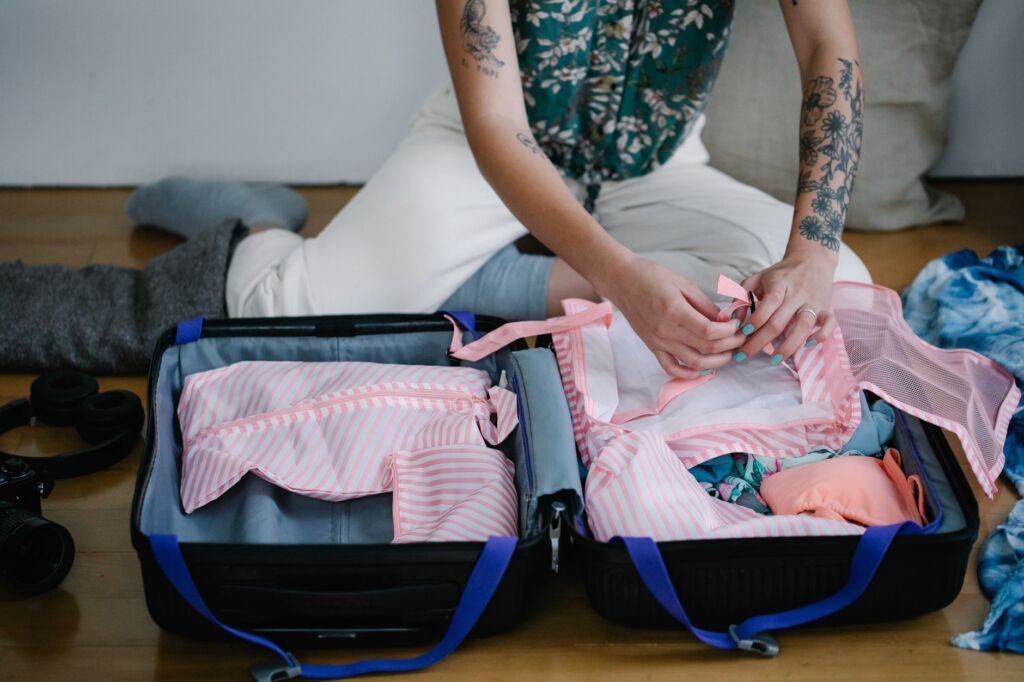
Your support person plays a vital role during labor and delivery. Consider packing items that will help them feel comfortable and prepared as well:
- Snacks and drinks: Labor can be a lengthy process, so having snacks and beverages on hand will keep your support person energized.
- Comfortable clothing: Encourage them to bring a change of clothes or comfortable shoes, as they may be there for an extended period.
- Entertainment: A book, magazine, or electronic device can help keep your support person occupied during downtime.
- Chargers: Make sure to pack chargers for phones and devices to keep everyone connected.
- A camera or phone for photos: Remind them to capture those first precious moments after your baby arrives.
Your support person is there to help you through labor, and ensuring they have what they need can make the experience smoother for both of you. A little preparation goes a long way in keeping everyone comfortable.
Additional Tips for Packing Your Hospital Bag
As you prepare your hospital bag, here are some additional tips to keep in mind:
- Check hospital policies: Some hospitals have specific rules about what you can bring. Always check in advance to avoid any surprises.
- Pack early: Aim to have your bag packed by the time you reach 36 weeks of pregnancy, so you don’t have to scramble at the last minute.
- Keep it light: While it’s tempting to pack everything but the kitchen sink, try to keep your bag manageable. Only pack what you truly need.
- Consider a checklist: Create a packing checklist to ensure you don’t forget any essential items.
By following these guidelines, you can create a well-prepared hospital bag that meets your needs and those of your new baby. Remember to personalize your bag according to your preferences and comfort.
Personal Care and Hygiene Items
For the Mother
While hospitals typically provide basic hygiene supplies, having your own personal care items can greatly enhance your comfort during your stay. Items like your favorite shampoo, conditioner, and body wash will make you feel more at home. Opt for travel-size containers to save space and keep your bag organized.
- Shampoo and conditioner
- Body wash or soap
- Toothbrush and toothpaste
- Facial moisturizer
- Hairbrush or comb
- Face wipes
- Deodorant
- Lip balm
Additionally, consider packing a soft towel and washcloth. Hospital towels can sometimes be rough and small, so having your own can provide a cozy touch during your stay.
For the Baby
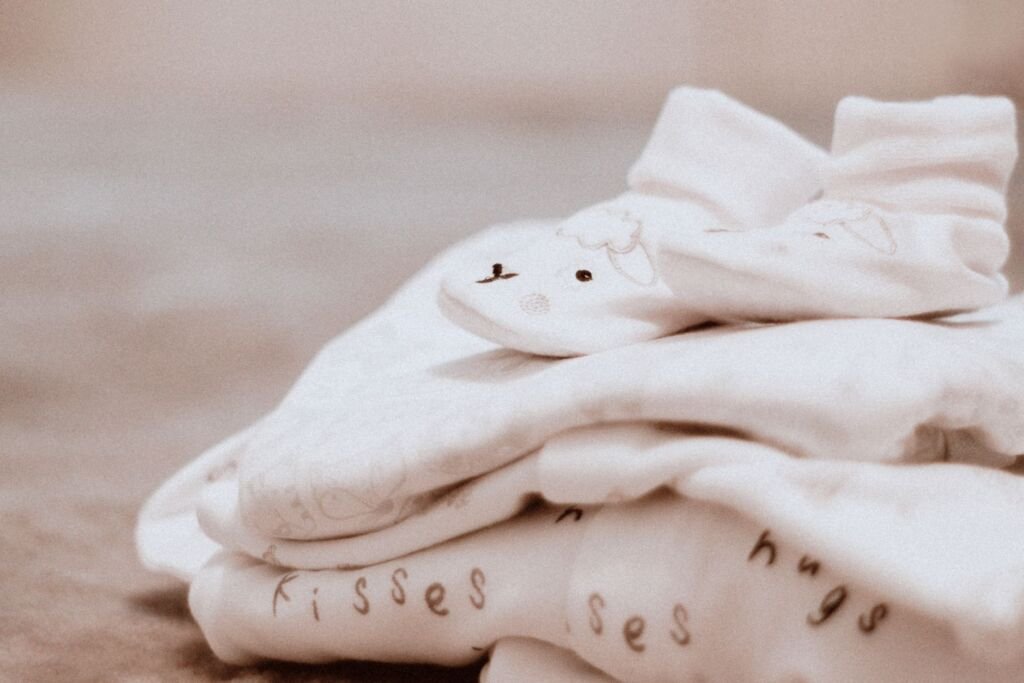
Baby care items are essential for the first few days of your newborn’s life. While hospitals will provide basic needs, having a few personal items can help you bond with your baby. Pack a gentle baby wash and lotion to keep your little one’s skin soft and clean. Choose products that are free from harsh chemicals and allergens.
- Gentle baby wash
- Baby lotion
- Soft baby blanket
- Receiving blankets
- Pacifiers (if you plan to use them)
Including a few of your baby’s favorite items, such as a small stuffed animal or a special blanket, can also help soothe them during their adjustment to the new environment.
Entertainment and Distraction Tools
For the Mother and Support Person
Labor can be a long and stressful process. Having entertainment options can help pass the time and provide distraction. Consider packing a tablet or e-reader loaded with books, movies, or podcasts that you enjoy. Music can also be a great tool for relaxation, so don’t forget your headphones and a playlist that calms you.
- Tablet or e-reader
- Headphones
- Books or magazines
- Downloaded movies or TV shows
- Music playlist
- Journals or notebooks
Additionally, some hospitals may have Wi-Fi available, allowing you to stay connected with family and friends through social media or video calls, which can be a great way to share your experience and keep spirits high.
For the Baby
Consider bringing a few soft toys or rattles to help stimulate your newborn’s senses. These can serve as great distractions for your baby during their first few days of life. A small, soft toy can also accompany your baby home from the hospital, serving as a cherished keepsake from their early days.
- Soft toys
- Rattles
- Board books for reading during skin-to-skin time
- Musical toys
Engaging with your baby through gentle play and interaction can aid in early bonding and developmental stimulation, so having these items can be beneficial.
Snacks and Hydration Options
For the Mother
The hospital will provide meals; however, you may want to have your own snacks on hand. Labor can be unpredictable, and having healthy snacks can help maintain your energy levels. Look for items that are easy to pack and can be stored without refrigeration.
- Granola bars
- Trail mix
- Fruit snacks
- Nut butter packets
- Hydration drinks
Hydration is equally important during labor, so pack a reusable water bottle to stay hydrated throughout your stay. Many hospitals encourage drinking fluids to support labor progression.
For the Support Person
Your support person will also need to maintain their energy levels during the hospital stay. Make sure to include snacks and drinks for them as well. Having their favorite snacks can provide comfort and boost morale during labor. Include a mix of healthy options and indulgent treats to keep spirits high.
- Nut bars
- Chocolate or sweets
- Caffeinated beverages
- Sandwiches or wraps (if allowed)
With both you and your support person prepared with snacks and hydration options, you can both focus more on the experience rather than on hunger or fatigue.
Related reading: What Every Parent Should Know About Prenatal Vitamins and What to Expect During the First Trimester of Pregnancy.
Trusted sources: ACOG: Women's health, NHS: Pregnancy.
Frequently Asked Questions
When should I pack my hospital bag?
It’s best to have your hospital bag packed by around 36 weeks of pregnancy. This allows you ample time to gather everything you need without the stress of last-minute packing.
What if I forget something?
Don’t worry if you forget something! Most hospitals have basic supplies, and your support person can always run out to get anything you need.
Can I use my own toiletries at the hospital?
Yes, you can bring your own toiletries. Many women prefer using their personal items for comfort during their hospital stay.
What should I do if I have a scheduled C-section?
If you have a scheduled C-section, you may want to pack a few extra comfort items and additional clothing suitable for recovery.
The Bottom Line
Packing your hospital bag is an important step in preparing for your baby’s arrival. By ensuring you have all the essentials for labor, postpartum care, and your newborn, you can focus on what truly matters: welcoming your little one into the world. Take the time to personalize your packing list based on your preferences and needs, and remember to enjoy this exciting journey into parenthood.
Was this article helpful?
Thanks for letting us know! Your feedback helps us make our articles better.

Writer at Apparently a Parent, covering the everyday joys and challenges of raising a family.




One Response