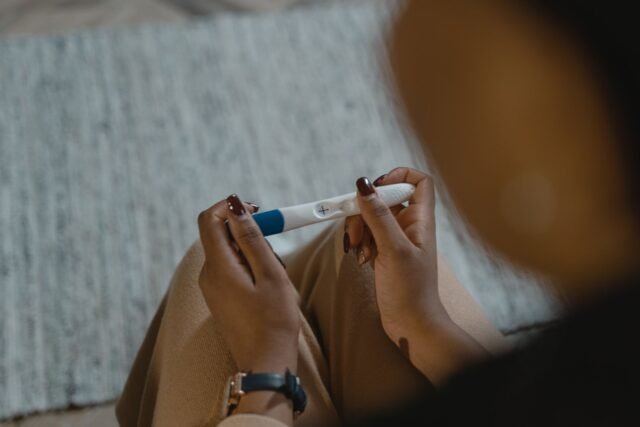
Understanding Your Cycle: Track Ovulation Naturally
Learn effective methods for tracking ovulation without apps, empowering you to understand your cycle and enhance your family planning journey.

In this article
Key takeaways
- Ovulation tracking can be done without technology.
- Observing body signs is essential for understanding your cycle.
- Natural methods can aid in family planning.
- Consult healthcare professionals for personalized advice.
Understanding your menstrual cycle can be a transformative journey, especially if you’re considering starting a family or simply want to know more about your body. Tracking ovulation without apps is not only possible but can also be empowering. This guide will walk you through various methods to track your ovulation naturally, offering practical tips and insights.
While many rely on apps for convenience, there are effective manual methods you can use to gain insight into your fertility. Each cycle is unique, and the approach you choose should align with your personal comfort and lifestyle. This article will provide you with the knowledge and tools to track your ovulation confidently.
As you embark on this journey, remember that every individual and family is different. What works for one person may not work for another. It’s always a good idea to consult with a healthcare professional for personalized guidance, particularly if you’re trying to conceive.
Understanding Your Menstrual Cycle
Your menstrual cycle is divided into several phases, each playing a crucial role in fertility. Understanding these phases can help you identify your ovulation window. Typically, the cycle lasts between 21 and 35 days, with the average being 28 days.
The key phases include:
- Menstrual Phase: This is the first phase, lasting 3 to 7 days, when the uterine lining sheds.
- Follicular Phase: After menstruation, this phase begins and lasts until ovulation. Hormones stimulate the growth of follicles in the ovaries.
- Ovulation: Usually occurring around the midpoint of your cycle, ovulation is when a mature egg is released from the ovary.
- Luteal Phase: Following ovulation, this phase lasts about 14 days, where the body prepares for a potential pregnancy.
Tracking these phases can help you pinpoint when you are most fertile. The ovulation window typically lasts about 6 days, which includes the 5 days before ovulation and the day of ovulation itself.
Signs of Ovulation
Identifying the signs of ovulation can be one of the most effective ways to track your cycle without an app. These signs can vary from person to person, but some common indicators include:
- Changes in Cervical Mucus: As ovulation approaches, you may notice an increase in cervical mucus that becomes clear, stretchy, and resembles raw egg whites.
- Basal Body Temperature (BBT) Shift: Your BBT slightly increases after ovulation due to hormonal changes. Tracking your temperature daily can help you identify this shift.
- Ovulation Pain: Some women experience mild pain or discomfort on one side of the abdomen during ovulation, known as Mittelschmerz.
- Increased Libido: Many women report a heightened sex drive around ovulation, which can be a natural signal of peak fertility.
Additionally, some women may experience light spotting or breast tenderness. Keeping track of these signs can provide a clearer picture of your cycle.
Tracking Your Signs
To effectively track these signs, consider keeping a journal or a simple chart. This can help you identify patterns in your cycle over time. Here are some practical tips:
- Daily Observations: Make a habit of recording your observations each day. Note any changes in cervical mucus, BBT, or physical symptoms.
- Use a Calendar: Mark your menstrual cycle on a calendar. This will help you visualize your cycle length and identify your fertile window.
- Be Consistent: Try to take your BBT at the same time every morning before getting out of bed for the most accurate readings.
Over time, you’ll likely become more in tune with your body and its signals, making tracking your ovulation much easier.
Natural Methods for Tracking Ovulation
There are several natural methods you can employ to track ovulation without the need for apps or technology. These methods emphasize awareness of your body and its cyclical rhythms.
1. Basal Body Temperature Method
The Basal Body Temperature method involves measuring your body temperature first thing in the morning before any activity. Here’s how to implement this method:
- Choose a Reliable Thermometer: Use a basal thermometer that measures temperature to two decimal points for accuracy.
- Track Your Temperature Daily: Record your temperature every morning at the same time. A rise in temperature of about 0.5 to 1 degree Fahrenheit can indicate ovulation has occurred.
- Look for Patterns: After a few cycles, you may begin to see a pattern emerge, helping you predict future ovulation days.
2. Cervical Mucus Monitoring
Monitoring changes in cervical mucus is an ancient and effective method for tracking ovulation. Consider the following:
- Check Consistency: Pay attention to the texture and color of your cervical mucus throughout your cycle. It may change from thick and cloudy to thin and clear as ovulation approaches.
- Perform a Stretch Test: When you notice clear, stretchy mucus, this is a sign of peak fertility. If the mucus stretches between your fingers without breaking, you are likely nearing ovulation.
- Daily Checks: Make it a habit to check your cervical mucus during your daily hygiene routine. This will help you become more attuned to your body’s signals.
3. Calendar Method
The calendar method is a straightforward approach that can help you estimate your ovulation days. Here’s how you can use this method:
- Track Your Cycle: For several months, keep a record of the start and end dates of your menstrual cycle. This will help you calculate your average cycle length.
- Determine Your Ovulation Window: Subtract 14 days from the end of your cycle to estimate the day of ovulation. This will give you a rough idea of when to expect ovulation.
- Mark Key Dates: Use a calendar to mark your estimated ovulation days and fertile window. This visual aid can help you plan accordingly.
Combining Methods for Accuracy
While each method can be effective on its own, combining them can significantly increase your accuracy in tracking ovulation. By observing multiple signs, you’re likely to get a clearer picture of your cycle.
For instance, you might start with the calendar method to estimate your fertile window, and then use the BBT and cervical mucus methods to confirm ovulation when the time arrives. This layered approach allows you to cross-reference your observations, providing a more comprehensive understanding of your cycle.
Common Myths About Ovulation
As you embark on your journey of understanding your cycle, it’s important to dispel some common myths about ovulation that may lead to confusion:
- Myth 1: You can only get pregnant during ovulation.
In reality, sperm can survive in the reproductive tract for up to five days, meaning you can conceive if you have intercourse a few days before ovulation. - Myth 2: Every woman ovulates on day 14.
Ovulation can vary greatly among women and even from cycle to cycle. - Myth 3: You cannot track ovulation without an app.
As discussed, there are many effective manual methods for tracking ovulation.
Diet and Lifestyle Factors Affecting Ovulation
The Role of Nutrition
Your diet plays a significant role in regulating your menstrual cycle and supporting healthy ovulation. Certain nutrients are vital for hormonal balance and overall reproductive health. Incorporating a variety of whole foods can enhance your fertility.
- Folate: Leafy greens, legumes, and fortified cereals help support ovulation.
- Omega-3 Fatty Acids: Found in fish, flaxseeds, and walnuts, these fats help reduce inflammation and promote hormonal health.
- Antioxidants: Berries, nuts, and seeds can protect eggs from oxidative stress, improving fertility.
Moreover, maintaining a balanced diet that includes healthy fats, protein sources, and complex carbohydrates is essential. Avoiding processed foods, excessive sugar, and trans fats can help maintain a healthy weight and hormonal balance, which are crucial for ovulation.
Exercise and Its Impact on Hormones
Regular physical activity is essential for maintaining a healthy weight and can positively influence your menstrual cycle. However, the type and intensity of exercise matter. Moderate exercise can help regulate ovulation, while excessive training may lead to irregular cycles.
- Moderate Activities: Walking, swimming, and cycling are great options that support healthy ovulation.
- High-Intensity Training: While beneficial for fitness, excessive high-intensity workouts can lead to hormonal imbalances.
- Mind-Body Exercises: Activities like yoga and Pilates can reduce stress and improve hormonal balance.
Finding the right balance in your exercise routine can help optimize your chances of ovulation and overall reproductive health.
Stress Management Techniques
High stress levels can disrupt your hormonal balance and affect ovulation. Incorporating stress management techniques into your daily routine can improve your overall well-being and enhance your fertility. Various strategies can help you manage stress effectively.
- Mindfulness and Meditation: Practicing mindfulness can help reduce anxiety and improve emotional health.
- Deep Breathing Exercises: Techniques such as diaphragmatic breathing can help alleviate stress and promote relaxation.
- Regular Sleep Patterns: Ensuring you get adequate sleep is crucial for hormone regulation and stress management.
By prioritizing stress management, you can create a more conducive environment for healthy ovulation.
Natural Supplements for Ovulation Support
Herbal Remedies
Certain herbal supplements have been traditionally used to support reproductive health and may enhance ovulation. While scientific research on some herbs is limited, many women find them beneficial.
- Vitex (Chaste Tree Berry): Known to balance hormones and regulate menstrual cycles.
- Red Clover: Contains isoflavones that can help regulate estrogen levels.
- Raspberry Leaf: Often used to support uterine health and may help in regulating cycles.
Before considering herbal remedies, consult with a healthcare provider to ensure they are safe and appropriate for your individual health needs.
Vitamins and Minerals to Consider
In addition to herbs, certain vitamins and minerals can support ovulation and overall reproductive health. Some key nutrients include:
- Vitamin D: Important for hormone production and may support fertility.
- Zinc: Plays a role in hormone regulation and is essential for reproductive health.
- Coenzyme Q10: An antioxidant that may improve egg quality.
Incorporating a multivitamin or specific supplements after consulting a healthcare professional can help address any nutritional deficiencies that might impact ovulation.
When to Seek Professional Guidance
While many women successfully track and understand their ovulation cycles using natural methods, there are times when seeking professional guidance is essential. If you experience any of the following, consulting a healthcare provider is advisable:
- Irregular Cycles: If your cycle is consistently irregular, it may indicate an underlying issue.
- Severe Pain: Experiencing extreme discomfort during your cycle could signal conditions like endometriosis.
- Difficulty Conceiving: If you have been trying to conceive for over a year without success, professional assistance may be needed.
Understanding when to seek help can make a significant difference in managing your reproductive health.
Understanding the Fertility Awareness Method (FAM)
What is FAM?
The Fertility Awareness Method (FAM) is a holistic approach that empowers individuals to understand their fertility signals. By tracking various signs of fertility, individuals can identify their fertile window each month, which may aid in conception or natural family planning.
- Cervical Mucus Monitoring: Observing changes in cervical mucus provides insight into ovulation.
- Basal Body Temperature: Tracking daily temperature can indicate when ovulation has occurred.
- Calendar Method: Keeping a record of menstrual cycles helps identify patterns over time.
FAM encourages individuals to become more attuned to their bodies and can be an empowering tool in understanding reproductive health.
Implementing FAM in Daily Life
To successfully implement FAM, consistency and commitment are key. Here are some practical steps to integrate FAM into your daily routine:
- Daily Tracking: Use a journal or mobile app to track your symptoms and fertility signs consistently.
- Educate Yourself: Attend workshops or read books on FAM to deepen your understanding.
- Communicate with Your Partner: Discuss your findings with your partner to foster mutual understanding and support.
By taking these steps, you can effectively apply FAM principles to enhance your awareness of your menstrual cycle.
Challenges and Considerations
While FAM can be a powerful tool, it may come with challenges. Some factors to consider include:
- Variability: Stress, illness, or travel can affect your cycle and make tracking more complex.
- Commitment: FAM requires daily attention, which may be challenging for those with busy lifestyles.
- Accuracy: While FAM can provide valuable insights, it is not foolproof and may require additional methods for those trying to conceive.
Being aware of these challenges can help you navigate FAM more effectively and make it a beneficial part of your reproductive health journey.
Related reading: How to Boost Fertility Naturally Before Trying to Conceive and Best Time of Day to Take a Pregnancy Test for Accuracy.
Trusted sources: ReproductiveFacts.org (ASRM), NHS: Trying for a baby.
Frequently Asked Questions
How long does ovulation last?
Ovulation itself is a brief event, typically lasting 12 to 24 hours. However, the fertile window extends over several days, including the days leading up to ovulation.
Can stress affect ovulation?
Yes, high levels of stress can disrupt your hormonal balance, potentially leading to irregular ovulation or missed periods.
Is it possible to track ovulation after stopping birth control?
Yes, many women can track their ovulation after stopping birth control, but it may take some time for cycles to regulate. It’s advisable to consult your doctor regarding this transition.
What should I do if I have irregular cycles?
If your cycles are irregular, it’s best to consult with a healthcare provider. They can help identify underlying issues and provide guidance on tracking your ovulation effectively.
The Bottom Line
Tracking ovulation without apps is entirely possible and can provide you with a deeper understanding of your body’s rhythms. By observing physical signs, using various methods, and being consistent in your approach, you can effectively identify your fertile window. Remember that every individual is unique, and it’s always wise to consult with your healthcare provider for tailored advice. With patience and practice, you can confidently navigate your cycle, enhancing your family planning efforts.
Tracking ovulation can help you understand your body better and improve your family planning efforts.[/aap_tip>
Was this article helpful?
Thanks for letting us know! Your feedback helps us make our articles better.

Writer at Apparently a Parent, covering the everyday joys and challenges of raising a family.