Establishing a Healthy Sleep Routine for Your Baby
Learn how to create a healthy sleep routine for your baby with practical tips and expert advice to promote restful nights for both of you.


In this article
Key takeaways
- A consistent sleep routine fosters better sleep for your baby.
- Understand your baby's sleep cycles to help establish routines.
- Create a calm sleep environment to promote relaxation.
- Be patient and flexible; every baby is different.
Establishing a healthy sleep routine for your baby can feel like an overwhelming task. As a new parent, you want to ensure that your little one gets the restful sleep they need for proper growth and development. However, understanding the nuances of infant sleep can be quite challenging, especially with varying recommendations and advice. This guide aims to provide you with practical steps and insights to create a sleep routine that works for your family.
Every baby is different, and what works for one child may not be effective for another. It’s okay to experiment and adjust your approach. The goal is to ensure your baby feels safe and secure, which is essential for their ability to sleep well. As you embark on this journey, remember to be patient with both yourself and your child.
In this article, we will explore various aspects of creating a healthy sleep routine for your baby, from understanding their sleep cycles to establishing a calming bedtime environment. With the right strategies, you can foster a positive sleep experience for your baby and make bedtime a peaceful time for your entire family.
Understanding Baby Sleep Patterns
Before you can establish a sleep routine, it’s crucial to understand how babies sleep. Newborns sleep a lot, up to 16-20 hours a day, but their sleep is not continuous. Instead, they cycle through different stages of sleep, including light and deep sleep, several times throughout the night and day.
Infants typically have shorter sleep cycles compared to adults, lasting about 50-60 minutes. This means they may wake frequently and may need assistance to return to sleep. As they grow, their sleep patterns will gradually change. By around six months, many babies will start to sleep for longer stretches at night, which can be a great relief for parents.
Here’s a general breakdown of sleep needs by age:
| Age | Average Sleep Needs |
|---|---|
| Newborn (0-2 months) | 14-17 hours |
| Infant (3-12 months) | 12-16 hours |
| Toddler (1-2 years) | 11-14 hours |
Creating a Consistent Sleep Routine
Consistency is key when establishing a healthy sleep routine for your baby. A predictable routine helps signal to your little one that it’s time to wind down and prepare for sleep. Aim for a bedtime routine that lasts about 20-30 minutes and includes calming activities.
Here are some elements you might include in your baby’s bedtime routine:
- Bath time: A warm bath can help relax your baby and signal that bedtime is approaching.
- Gentle massage: A soothing massage can help calm your baby and prepare them for sleep.
- Reading a book: Reading a short story can create a peaceful atmosphere and enhance bonding time.
- Soft music or lullabies: Playing soft music can create a soothing environment, helping your baby to relax.
- Dim the lights: Lowering the lights can help signal to your baby that it’s time for sleep.
Make sure to keep the routine consistent every night. This consistency helps your baby understand what to expect, which can ease anxiety and make them more comfortable at bedtime.
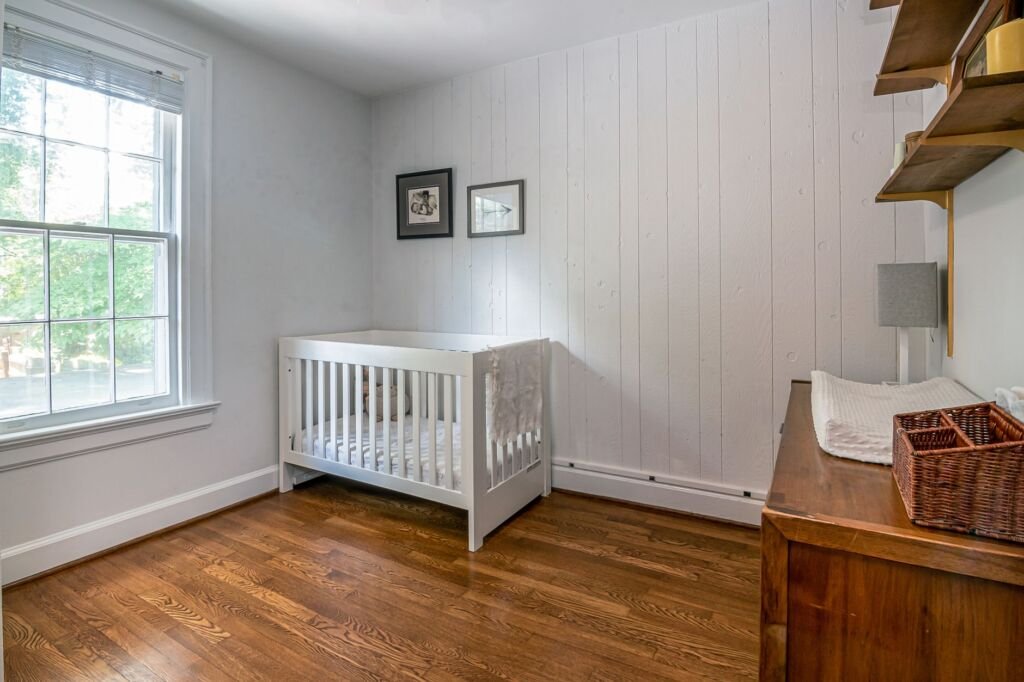
Creating a Calming Sleep Environment
The sleep environment plays a significant role in your baby’s ability to fall asleep and stay asleep. Ideally, you want to create a space that is dark, quiet, and comfortable. Here are some tips to enhance your baby’s sleep environment:
- Darkness: Use blackout curtains to keep the room dark during nap times and nighttime. Darkness promotes melatonin production, which helps regulate sleep cycles.
- Sound: Consider using a white noise machine to drown out household noises that might disturb your baby’s sleep. This can help create a consistent auditory environment.
- Temperature: Keep the room at a comfortable temperature, ideally between 68-72°F (20-22°C). A room that is too hot or too cold can disturb sleep.
- Comfortable sleep space: Ensure the crib or bassinet is safe and comfortable. The mattress should be firm and covered with a fitted sheet.
Creating a calming sleep environment can make a significant difference in your baby’s sleep quality. Take the time to set up a space that feels cozy and secure for your little one.

Recognizing Sleep Cues
Learning to recognize your baby’s sleep cues can help you respond appropriately when they are ready for sleep. Common signs that your baby is tired include rubbing their eyes, yawning, or becoming fussy. Responding to these cues promptly can help prevent overtiredness, which can make it more difficult for your baby to fall asleep.
When you notice these signs, it’s a good idea to begin the bedtime routine. If you wait too long, your baby may become overstimulated and have a harder time settling down. Every baby has their own rhythm, so pay attention to your child’s unique signals.
Here are a few common sleep cues to look for:
- Yawning or stretching
- Becoming quiet or still
- Turning their head away from stimulation
- Fidgeting or fussing
By recognizing these cues, you can help your baby transition smoothly to sleep without unnecessary frustration.
Dealing with Sleep Challenges
While establishing a sleep routine is important, many parents encounter sleep challenges along the way. These can include frequent night wakings, difficulty falling asleep, and sleep regressions. Understanding that these challenges are common can help you feel more prepared to manage them.
When your baby wakes during the night, it’s essential to assess the situation calmly. Check if they need a diaper change, are hungry, or simply need reassurance. Offering comfort, whether through gentle rocking or soothing sounds, can help them return to sleep without becoming overly stimulated.
Here are some tips to manage sleep challenges:
- Stay consistent: Stick to your established routine as much as possible, even when sleep challenges arise.
- Offer comfort: When your baby wakes, comfort them without turning on bright lights or engaging in stimulating activities.
- Gradual changes: If you need to adjust the routine, do so gradually to allow your baby to adapt.
- Seek support: Don’t hesitate to reach out to your pediatrician if you have concerns about your baby’s sleep.
Remember, sleep challenges are often temporary. With patience and persistence, you can help your baby develop healthy sleep habits.

Using Sleep Training Techniques
As your baby grows, you may consider implementing sleep training techniques. Sleep training can help your baby learn to fall asleep independently and stay asleep longer. There are various approaches to sleep training, and it’s essential to choose one that aligns with your family’s values and comfort level.
Some popular sleep training methods include:
- Ferber Method: This involves allowing your baby to cry for progressively longer periods before offering comfort.
- Chair Method: You gradually move further away from your baby’s crib each night until they can fall asleep independently.
- No Tears Method: This approach involves comforting your baby without letting them cry, using gradual steps to help them learn to sleep alone.
Before starting any sleep training method, it’s advisable to consult with your pediatrician. They can provide guidance tailored to your baby’s needs and developmental stage.
Be flexible with your sleep routine. Adjust as necessary based on your baby’s changing needs.
Importance of Daytime Activities
Physical Activity
Engaging your baby in physical activities during the day can significantly impact their nighttime sleep quality. Babies thrive on movement, and incorporating tummy time, gentle stretches, or even playful bouncing can help them expend excess energy. As babies grow, allowing them to explore their surroundings safely through crawling or walking can further promote healthy sleep patterns.
Consider the following activities to enhance your baby’s physical development:
- Tummy Time: Lay your baby on their stomach for short periods to build neck and shoulder strength.
- Interactive Play: Use toys that encourage reaching and grabbing to stimulate movement.
- Outdoor Time: Fresh air and natural light can also help regulate your baby’s circadian rhythm.
Cognitive Engagement
In addition to physical activity, cognitive engagement is crucial for your baby’s development and sleep. Stimulating your baby’s mind with songs, stories, and interactive games can help them feel more satisfied and ready for sleep. Language development activities, such as reading aloud, not only aid cognitive growth but can also become a comforting part of their bedtime routine.
Here are some ideas for cognitive activities:
- Reading Books: Choose colorful board books to capture their attention.
- Musical Play: Sing songs or play soft music during the day to enhance auditory skills.
- Visual Stimulation: Use toys with contrasting colors or patterns to encourage visual tracking.
Nutrition and Sleep
Feeding Schedule
Your baby’s feeding schedule can have a direct influence on their sleep quality. Establishing a routine that aligns feeding times with sleep can help your baby feel more secure and ready for rest. It’s important to recognize that some babies may need a final feeding before bedtime to help them settle down for the night.
Consider these tips for managing your baby’s feeding schedule:
- Cluster Feeding: This technique involves offering more frequent feedings in the evening to help your baby fill up before bed.
- Monitor Hunger Cues: Pay attention to your baby’s signs of hunger, which can indicate when they might need to eat.
- Offer a Soothing Feed: A calming feeding session before bedtime can create a sense of assurance and comfort.
Hydration and Sleep
While hydration is crucial, it’s essential to balance fluid intake to avoid nighttime awakenings for diaper changes. Ensure your baby is well-hydrated during the day but consider reducing fluid intake closer to bedtime. This practice can help them stay dry and undisturbed throughout the night.
Tips for managing hydration:
- Daytime Hydration: Offer plenty of fluids during the day, especially if your baby is breastfeeding or formula-feeding.
- Limit Evening Fluids: Reduce the amount of liquid your baby consumes in the hour before bed to minimize disruptions.
- Watch for Signs: If your baby seems unusually thirsty, it may be a sign to adjust their daytime intake.
Parental Self-Care
Importance of Parental Rest
As much as you focus on your baby’s sleep, your rest is equally important for creating a healthy sleep environment. When parents are well-rested, they are better equipped to respond to their baby’s needs and establish a consistent sleep routine. Prioritizing your own sleep can lead to more positive interactions with your little one.
Consider these strategies for enhancing your own sleep:
- Sleep When the Baby Sleeps: Take advantage of naps to recharge whenever possible.
- Establish a Wind-Down Routine: Create a calming pre-sleep ritual for yourself that mimics what you do for your baby.
- Seek Support: If you have a partner, take turns caring for the baby at night to give each other breaks.
Reducing Parental Stress
Stress can negatively impact both your sleep and your baby’s sleep. Finding effective ways to manage stress is crucial for maintaining a peaceful home environment. Techniques such as deep breathing, meditation, or even gentle yoga can help lower anxiety levels and promote better sleep for both you and your baby.
Ways to reduce stress include:
- Practice Mindfulness: Engage in mindfulness exercises to stay present and reduce overwhelming feelings.
- Connect with Others: Reach out to friends or family for emotional support or even babysitting help.
- Limit Screen Time: Reducing exposure to screens before bed can help both you and your baby wind down more effectively.
Related reading: Essential Water Safety Rules Every Family Should Know and Childproofing Your Home Room by Room for Safety.
Trusted sources: HealthyChildren.org (American Academy of Pediatrics), HealthyChildren.org: Toddler.
Frequently Asked Questions
How much sleep does my baby need?
Newborns typically need 14-17 hours of sleep, while infants (3-12 months) require about 12-16 hours. As your child grows, their sleep needs will change.
What if my baby doesn’t follow the sleep routine?
It’s normal for babies to resist routines sometimes. Stay consistent but be flexible; adapt the routine as needed to accommodate your baby’s preferences.
When should I start sleep training my baby?
Many parents begin sleep training around 4-6 months, but it’s essential to consider your baby’s individual readiness and consult with your pediatrician.
Is it okay for my baby to sleep with a blanket or stuffed animal?
For babies under 12 months, it’s safest to avoid blankets and stuffed animals in the crib due to the risk of suffocation. Keep the sleep environment simple and safe.
The Bottom Line
Establishing a healthy sleep routine for your baby is a crucial step in promoting their overall well-being. By understanding their sleep patterns, creating a calming environment, and being consistent with your approach, you can help your baby develop positive sleep habits. Remember that every child is unique, and it may take time to find what works best for your family. With patience and love, you can nurture a peaceful bedtime routine that benefits everyone.
Was this article helpful?
Thanks for letting us know! Your feedback helps us make our articles better.

Writer at Apparently a Parent, covering the everyday joys and challenges of raising a family.




2 Responses