Creating a Safe Nursery for Your Baby: Essential Steps
Learn how to create a safe nursery for your baby with practical steps and tips to ensure a secure and nurturing environment.

In this article
Key takeaways
- Prioritize a safe sleep environment.
- Choose baby gear that meets safety standards.
- Keep hazardous items out of reach.
- Regularly check and update safety measures.
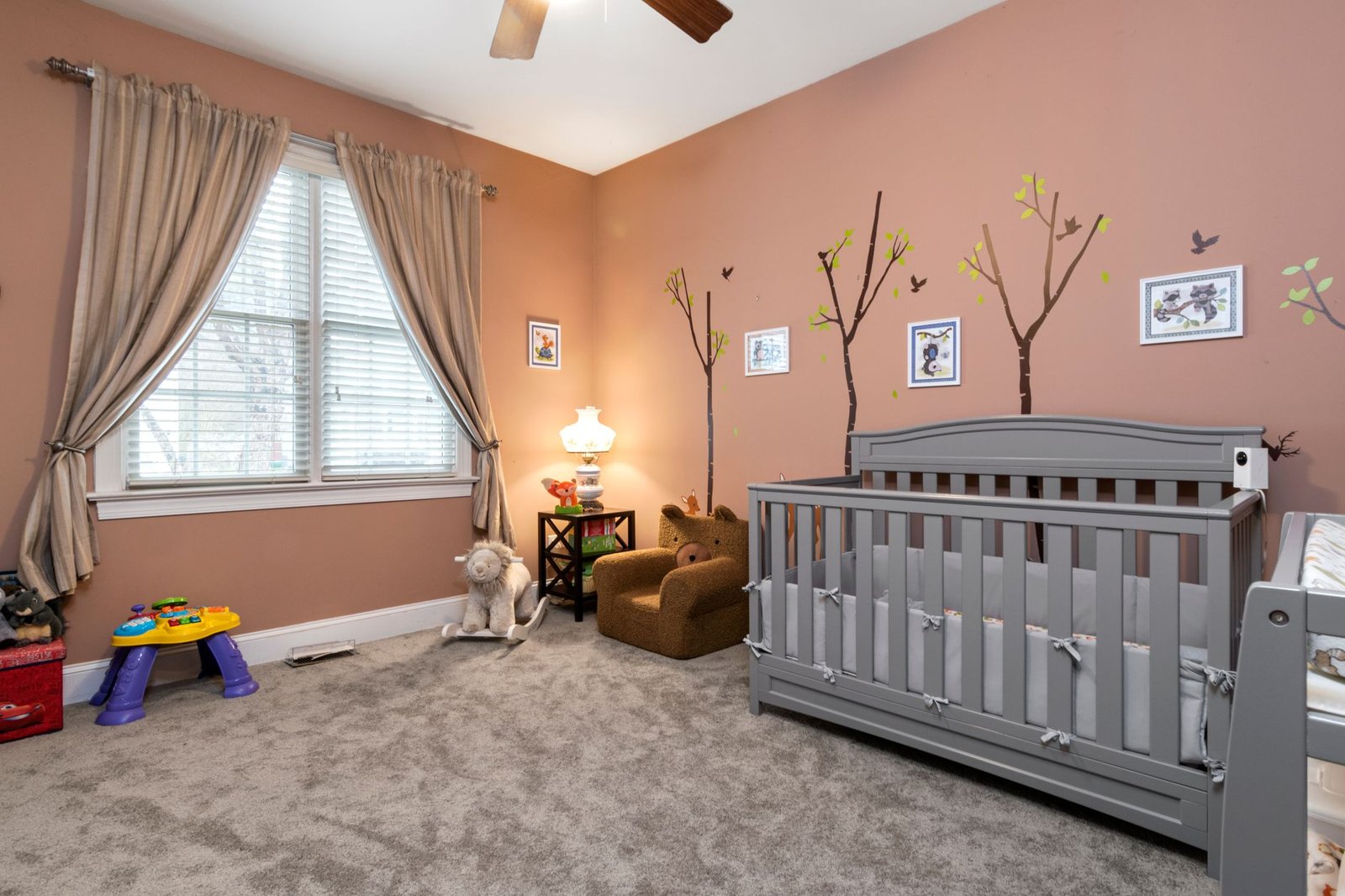
Welcoming a new baby into your life is a thrilling journey filled with joy, anticipation, and, let’s face it, a bit of anxiety. One of the most important tasks on your to-do list is creating a safe nursery for your baby. A well-designed nursery not only serves as a comforting space for your little one but also ensures that it is a secure environment where they can sleep, play, and grow.
As you prepare for your baby’s arrival, it’s essential to consider various safety aspects. Each family is unique, and your nursery needs to reflect your specific needs while adhering to safety guidelines recommended by leading health organizations. To help you get started, this guide will walk you through the key steps to create a safe nursery for your baby.
From choosing the right crib to selecting safe toys, you’ll find practical tips and insights that will empower you to make informed decisions. Let’s dive into the essential elements that contribute to a secure nursery.
Choosing Safe Furniture
The furniture you select for your baby’s nursery plays a critical role in ensuring safety. One of the fundamental pieces is the crib, which should meet current safety standards. Look for cribs that have been certified by safety organizations such as the Consumer Product Safety Commission (CPSC). Avoid using cribs with drop sides, as they can pose significant risks.
In addition to the crib, consider the changing table and any storage units. A changing table should have safety straps and guardrails to prevent your baby from rolling off. If you opt for a dresser or shelves, ensure that they are securely anchored to the wall to prevent tipping.
Here’s a checklist of important furniture safety considerations:
- Choose cribs that meet CPSC safety standards.
- Avoid cribs with drop sides.
- Secure changing tables with safety straps.
- Anchor dressers and shelves to the wall to prevent tipping.
- Ensure all furniture edges are smooth or cushioned to prevent injuries.
Creating a Safe Sleep Space
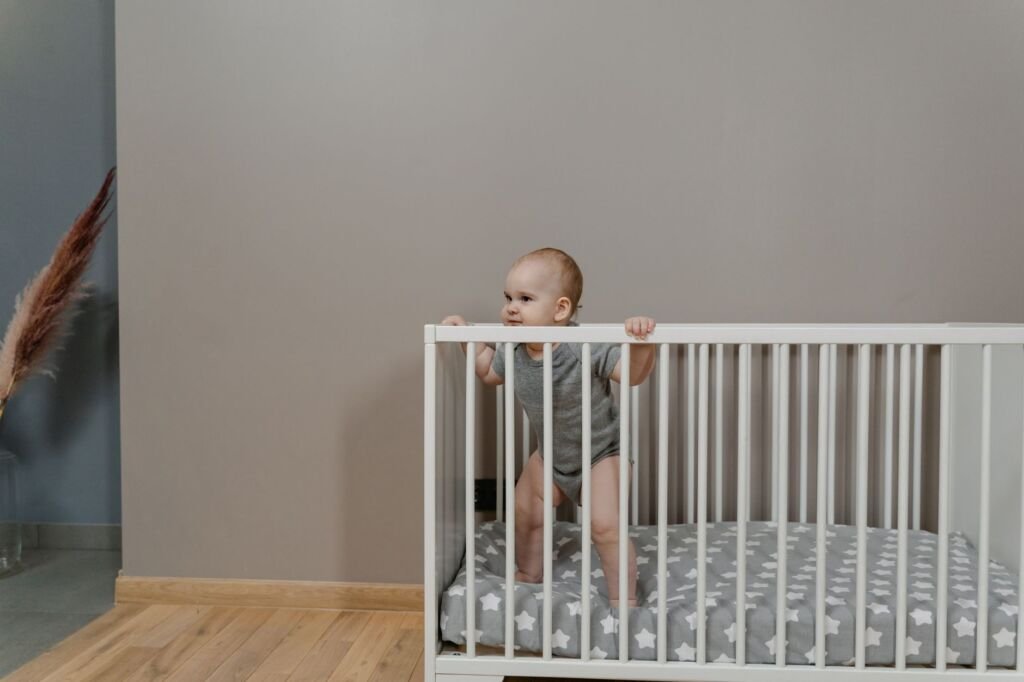
The sleep environment is a top priority in nursery safety. The American Academy of Pediatrics (AAP) recommends that babies sleep on their backs on a firm mattress covered with a fitted sheet. Avoid using soft bedding, pillows, or toys in the crib, as these can increase the risk of suffocation.
Monitor room temperature to ensure it’s comfortable but not too warm. The AAP suggests keeping the room temperature between 68°F and 72°F. Avoid overdressing your baby at night; a simple onesie or sleep sack is often enough to keep them warm.
Consider these key points when setting up a safe sleep space:
- Always place your baby on their back to sleep.
- Use a firm mattress with a fitted sheet only.
- Avoid soft bedding, pillows, and toys in the crib.
- Keep the room at a comfortable temperature.
- Use a pacifier during naps and bedtime, if appropriate.
Choosing Baby Gear Wisely
When shopping for baby gear, it’s essential to prioritize safety over style. Look for items that are certified by safety organizations and have passed rigorous testing. This includes strollers, car seats, and playpens. Check for labels that indicate compliance with safety standards.
Regularly inspect baby gear for any signs of wear and tear. If you have used items passed down from family or friends, ensure they are still compliant with current safety standards. Many older products may not meet today’s safety criteria.
Here’s a helpful list of considerations when selecting baby gear:
- Verify that items are certified by safety organizations.
- Inspect for wear and tear regularly.
- Research product recalls and safety alerts.
- Ensure car seats are properly installed and age-appropriate.
- Choose strollers that are easy to maneuver and have safety features.

Keeping Hazardous Items Out of Reach
As your baby grows, they will become increasingly curious, which means you need to be proactive about keeping hazardous items out of reach. This includes chemicals, medications, and sharp objects. Store these items in locked cabinets or on high shelves that your baby cannot access.
Also, consider using outlet covers and corner guards to protect your child from electrical hazards and sharp edges. Baby-proofing your nursery is an ongoing process; regularly assess your space for potential dangers as your baby becomes more mobile.
Here are some safety tips to keep hazardous items out of reach:
- Store chemicals and medications in locked cabinets.
- Use outlet covers for electrical outlets.
- Install corner guards on sharp furniture edges.
- Regularly assess your nursery for potential hazards.
- Keep small objects that could be choking hazards out of reach.
Maintaining a Clean and Healthy Environment
Creating a safe nursery goes hand-in-hand with maintaining a clean environment. Regular cleaning reduces allergens and keeps the space healthy for your baby. Use non-toxic cleaning products to minimize exposure to harmful chemicals.
Dust surfaces regularly and vacuum with a HEPA filter to capture allergens. Be mindful of the air quality in the nursery; consider using an air purifier if you live in an area with high pollution or allergens.
Here are some cleaning and maintenance tips for a healthy nursery:
- Use non-toxic cleaning products.
- Dust surfaces and vacuum regularly.
- Consider an air purifier for improved air quality.
- Wash bedding and soft toys frequently.
- Keep windows clean and ensure good ventilation.

Regularly Reviewing Safety Measures
As your baby develops and grows, their needs will change, and so will the safety measures you need to implement. Regularly review your nursery to ensure that it continues to meet safety standards. Keep an eye out for recalls on baby products and be proactive about replacing any items that may be outdated or unsafe.
In addition to checking for recalls, consider scheduling a safety audit of your nursery. This may include assessing the stability of furniture, checking the condition of baby gear, and ensuring that all safety measures are still in place.
Here’s a checklist for regularly reviewing safety measures:
- Stay informed about product recalls.
- Assess furniture stability and safety regularly.
- Ensure baby gear is compliant with current safety standards.
- Update safety measures as your baby grows.
- Consider a safety audit every six months.
Understanding Nursery Lighting for Safety
Types of Lighting to Consider
When designing a nursery, lighting plays a crucial role not just in aesthetics but also in the safety and comfort of your baby. Opt for soft, diffused lighting to create a calming environment. Here are some types of lighting to consider:
- Ambient Lighting: This is the primary source of light in the room, providing overall illumination. Consider using ceiling-mounted fixtures or wall sconces that diffuse light evenly.
- Task Lighting: Task lighting is essential for activities like feeding or changing diapers. A bedside lamp with a warm bulb can help you see clearly without disrupting your baby’s sleep.
- Night Lights: A night light can provide a gentle glow that helps parents navigate the nursery during late-night feedings or diaper changes without waking the baby. Choose a night light with adjustable brightness to suit different times of the day.
Controlling Light Levels
Controlling light levels in the nursery is important for your baby’s sleep cycles. Babies thrive on routine, and creating a consistent light environment can help regulate their circadian rhythms. Consider these strategies:
- Blackout Curtains: Install blackout curtains to keep the nursery dark during nap times and at night. This will help to minimize disruptions from outside light sources.
- Dimmer Switches: Installing dimmer switches allows you to adjust the brightness of the room according to the time of day. This flexibility can promote a soothing atmosphere during nighttime feedings.
- Natural Light: Harness natural light during the day. Position the crib away from direct sunlight to prevent overheating and to create a gentle, inviting space.
Safety Considerations for Nursery Lighting
While lighting is essential for comfort and functionality, safety should always come first. Here are several considerations to keep in mind:
- Electrical Safety: Ensure all electrical outlets are covered with safety caps, and avoid overloading circuits with multiple lamps or devices.
- Heat Emission: Choose LED bulbs where possible, as they emit less heat compared to incandescent bulbs and are more energy-efficient.
- Secure Cords: Keep electrical cords out of reach of babies and secure them to walls to prevent tripping hazards.
Integrating Technology Safely
Smart Nursery Devices
Technology can enhance the nursery experience, but it is vital to choose devices that prioritize safety. Smart devices can assist parents in monitoring their baby’s well-being, and some popular options include:
- Baby Monitors: Look for video monitors with Wi-Fi connectivity that offer encrypted signals to ensure privacy.
- Smart Thermometers: These devices help track your baby’s temperature and alert you to any changes, ensuring prompt responses to potential health issues.
- Smart Lights: Lights that can be controlled via smartphone apps allow for easy adjustments without disturbing your baby.
Setting Up Safe Wi-Fi Practices
While integrating technology, it is crucial to establish safe Wi-Fi practices to protect your family’s data. Here are some steps to enhance your nursery’s cybersecurity:
- Strong Passwords: Use complex passwords for your Wi-Fi network and change them regularly to prevent unauthorized access.
- Network Security: Enable encryption on your Wi-Fi network to safeguard against external threats.
- Device Security Updates: Regularly check for firmware updates for all smart devices in the nursery to patch any security vulnerabilities.
Monitoring Screen Time
While technology can provide benefits, it is essential to monitor screen time for both parents and babies. Create a healthy balance by:
- Setting Boundaries: Designate specific times for device usage and stick to them, ensuring that technology does not interfere with bonding time.
- Choosing Age-Appropriate Content: If using screens for entertainment, select high-quality, educational programming that is suitable for infants.
- Engaging in Interactive Play: Focus on interactive play rather than passive screen time, encouraging physical and cognitive development.
Creating a Sensory-Friendly Environment
Choosing Appropriate Textiles
The right textiles can significantly impact your baby’s comfort and sensory experiences. Focus on selecting materials that are safe and pleasant to the touch:
- Organic Fabrics: Consider using organic cotton or bamboo for bedding and curtains to minimize exposure to harmful chemicals.
- Soft Textures: Choose soft, plush materials for toys and blankets that can provide comfort and security for your baby.
- Washable Items: Ensure that all textiles are machine washable to maintain cleanliness and hygiene.
Incorporating Calming Elements
Incorporating calming elements into the nursery can help create a soothing atmosphere for your baby. These elements can include:
- Sound Machines: A white noise machine can help mask disruptive sounds and provide a calming environment for sleep.
- Aromatherapy: Use essential oil diffusers with baby-safe oils, such as lavender, to promote relaxation.
- Visual Stimuli: Incorporate wall art or mobiles with soft colors and gentle patterns to engage your baby’s visual senses without overstimulation.
Regular Sensory Assessments
As your baby grows, their sensory needs will evolve. Regular assessments of the nursery environment can ensure it remains suitable. Consider these points:
- Observing Reactions: Pay attention to your baby’s reactions to different stimuli and adjust the environment accordingly.
- Consulting with Professionals: If you have concerns about your baby’s sensory processing, consult with pediatricians or occupational therapists for tailored advice.
- Adapting to Growth: As your baby develops, be prepared to change elements in the nursery to meet their changing sensory needs.
Related reading: How to Talk to Your Child About Where Babies Come From and How to Identify Common Childhood Illnesses Early.
Trusted sources: HealthyChildren.org (American Academy of Pediatrics), HealthyChildren.org: Toddler.
Frequently Asked Questions
What is the safest crib option for my baby?
The safest crib is one that meets the current safety standards set by the CPSC. Look for cribs with a sturdy construction, no drop sides, and a firm mattress.
How can I ensure my baby sleeps safely?
To ensure safe sleep, always place your baby on their back in a crib with a firm mattress and fitted sheet, and avoid soft bedding and toys in the crib.
What are common hazards to look for in a nursery?
Common hazards include sharp furniture edges, loose cords, choking hazards, and toxic cleaning supplies. Regularly assess your nursery for these potential dangers.
When should I start baby-proofing the nursery?
Begin baby-proofing your nursery before your baby arrives, and continue to make adjustments as they grow and become more mobile.
The Bottom Line
Creating a safe nursery for your baby involves thoughtful planning and regular attention to safety measures. By prioritizing safe furniture, maintaining a clean environment, and staying informed about safety standards, you can provide a nurturing space for your little one. Remember, safety is an ongoing process, and adapting to your baby’s changing needs will ensure that your nursery remains a safe haven for years to come.
Was this article helpful?
Thanks for letting us know! Your feedback helps us make our articles better.

Writer at Apparently a Parent, covering the everyday joys and challenges of raising a family.



One Response