How to Introduce Your Baby to Solid Foods Safely
Learn how to introduce your baby to solid foods safely and confidently with our comprehensive guide filled with practical tips and expert advice.

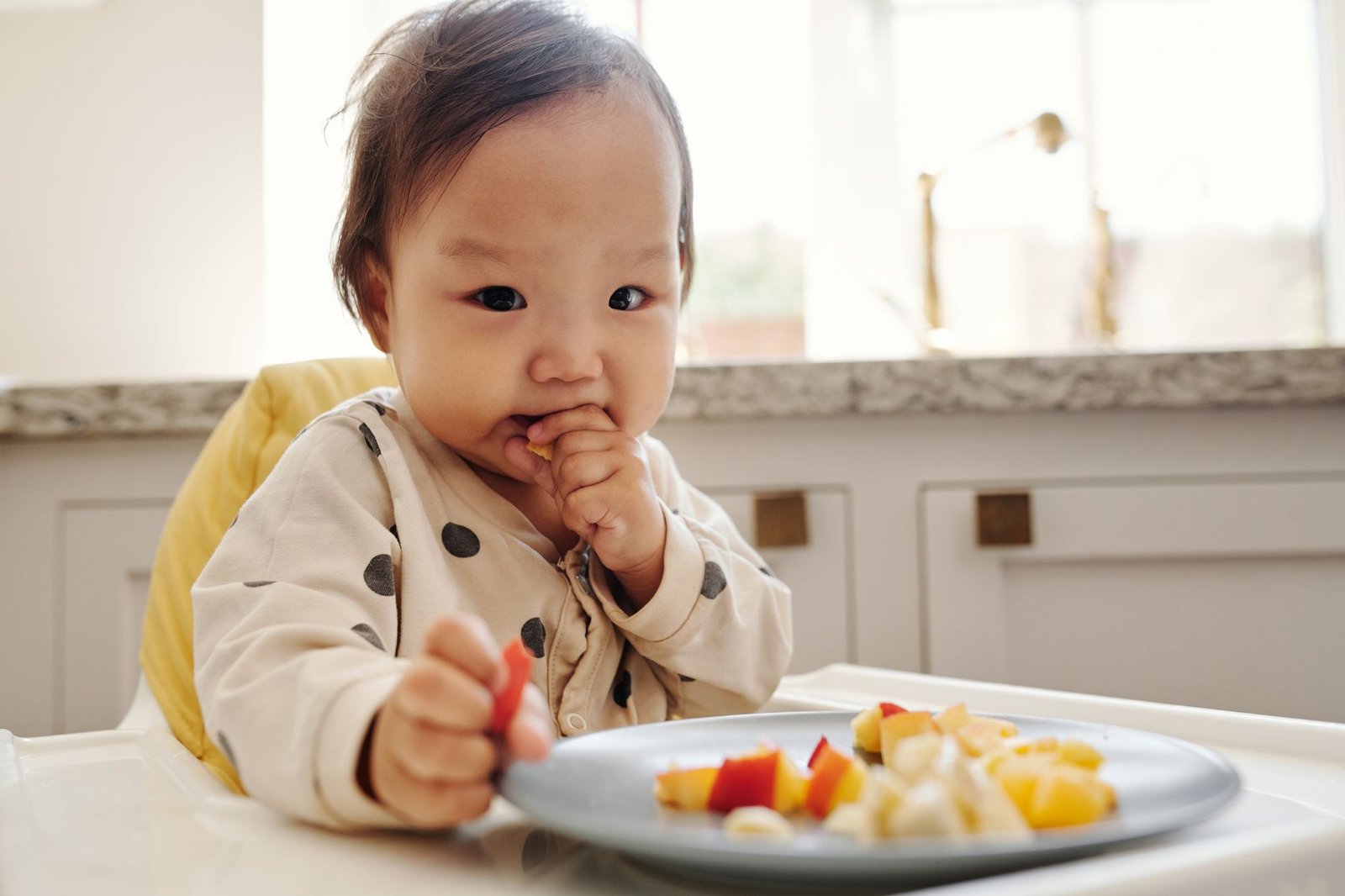
In this article
Key takeaways
- Understand your baby's readiness for solids.
- Explore safe first foods for your baby.
- Learn tips for a positive feeding experience.
- Be aware of common allergies and choking hazards.
Introducing your baby to solid foods is an exciting milestone in their development. As a parent, you may feel a mix of joy, anticipation, and perhaps a little anxiety about this new phase. Understanding how to navigate this transition can help ease your concerns and make the experience enjoyable for both you and your little one.
At around six months of age, many babies are ready to begin eating solid foods alongside breast milk or formula. This process, often referred to as weaning, is not just about nutrition; it also plays a crucial role in your baby’s development, enhancing their motor skills, taste preferences, and social interactions during mealtimes.
Every child is unique, so it’s important to approach this journey with patience and flexibility. Some babies may take to solids quickly, while others might need a little more time to adjust. In this guide, we’ll walk you through the essential steps to introduce your baby to solid foods, ensuring safety and promoting a positive feeding experience.
When to Start Introducing Solids
Determining the right time to introduce solid foods is crucial for your baby’s health and development. The American Academy of Pediatrics (AAP) recommends starting solids when your baby is around six months old, but signs of readiness can vary. Here are some indicators that your baby might be ready:
- Head and Neck Control: Your baby should be able to hold their head up steadily and sit with support.
- Interest in Food: If your baby shows curiosity about what you eat, reaching for food or opening their mouth when food is offered, it may be time to start.
- Loss of Tongue-Thrust Reflex: Babies naturally push food out of their mouths with their tongues. If this reflex diminishes, they may be ready for solids.
- Ability to Chew: Although your baby won’t have teeth yet, they should be able to move food to the back of their mouth to swallow.
Remember, each baby develops at their own pace. If you have concerns about your baby’s readiness, consult with your pediatrician for personalized guidance.
Choosing First Foods
When it comes to selecting first foods for your baby, there are several nutritious options to consider. Starting with single-grain cereals or pureed fruits and vegetables is often recommended. Here’s a breakdown of some great first food options:
| Food Type | Suggested First Foods | Notes |
|---|---|---|
| Cereals | Rice cereal, oatmeal | Mix with breast milk or formula for a smoother texture. |
| Fruits | Apples, bananas, pears | Puree or mash until smooth; introduce one at a time. |
| Vegetables | Carrots, sweet potatoes, peas | Cook and puree; start with mild flavors. |
| Proteins | Pureed meats, beans | Introduce gradually; ensure they are well-cooked and mashed. |
It’s essential to introduce new foods one at a time and wait a few days before adding another. This strategy helps you monitor for any allergic reactions. According to the American Academy of Pediatrics, common allergenic foods such as eggs, dairy, and peanuts can be introduced early, but consult with your pediatrician, especially if there’s a family history of allergies.
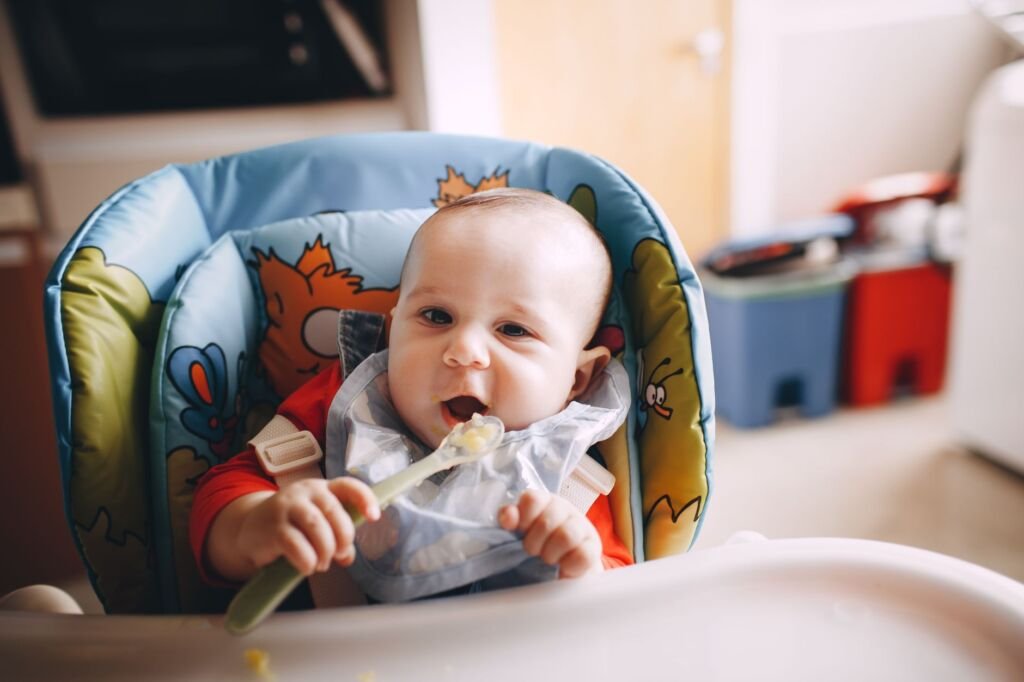
Preparing and Serving Solid Foods
How you prepare and serve solid foods can significantly impact your baby’s willingness to try new textures and flavors. Here are some tips to create a pleasant feeding experience:
- Texture: Start with smooth purees and gradually move to thicker textures as your baby becomes accustomed to eating solids. This progression helps develop chewing skills.
- Temperature: Ensure food is at room temperature or slightly warm. Test it before serving to avoid discomfort.
- Utensils: Use soft-tipped spoons designed for babies to prevent injury and make feeding easier.
- Seating: Use a high chair that supports your baby’s posture, allowing them to sit upright during meals.
Feeding your baby can also be a social experience. Combine mealtimes with family gatherings or quiet moments, allowing your baby to observe others eating. This exposure helps them understand mealtime routines and encourages a positive relationship with food.
Creating a Positive Feeding Environment
Establishing a positive feeding environment is key to successful mealtimes. Here are ways to foster a comfortable and encouraging atmosphere:
- Patience: Allow your baby to explore food at their own pace. They may need time to adjust to new tastes and textures.
- No Pressure: Avoid forcing your baby to eat. If they refuse a food, try again later. It can take several attempts before they accept a new flavor.
- Engagement: Engage your baby during meals by talking, singing, or making it a fun experience. This interaction can make mealtimes enjoyable.
- Minimize Distractions: Keep the feeding area calm and free from distractions like screens or loud noises.
As your baby grows, they will develop their preferences and dislikes. Respect their choices while gently encouraging healthy options. For tips on enhancing family mealtimes further, consider reading our article on ways to make family mealtimes more enjoyable.

Allergies and Safety Considerations
Introducing solids comes with certain safety considerations, particularly concerning allergies and choking hazards. Here are essential points to keep in mind:
- Allergy Awareness: Introduce allergenic foods one at a time and watch for any reactions such as hives, swelling, or gastrointestinal distress. Common allergens include dairy, eggs, wheat, soy, peanuts, and tree nuts.
- Choking Hazards: Avoid foods that can pose choking risks. These include whole grapes, nuts, popcorn, and hard pieces of raw vegetables. Always supervise your baby while they are eating.
- Food Preparation: Ensure all foods are thoroughly cooked and pureed or mashed appropriately to avoid any lumps that might be difficult for your baby to handle.
If you notice any signs of an allergic reaction or if your baby seems to be having difficulty swallowing, seek immediate medical attention. For more information on recognizing when to call the doctor, please consult your pediatrician.
Understanding Your Baby’s Readiness for Different Textures
Signs of Readiness for Texture Progression
As your baby becomes accustomed to solid foods, it’s essential to pay attention to their readiness for different textures. The transition from purees to more textured foods is a significant step in their developmental journey. Signs that your baby may be ready for a more textured diet include increased ability to chew, a desire to self-feed, and showing interest in what others are eating.
Typically, around 8-10 months, many infants are ready to progress to thicker purees and soft finger foods. They might start to show these signs:
- Gumming or chewing on toys or fingers
- Using their tongue to move food around in their mouth
- Attempting to grasp food with their fingers
Types of Textures to Introduce
When your baby shows readiness for more complex textures, you can gradually introduce different types of foods. Start with thicker purees, then move on to mashed foods, and eventually to soft, small pieces. Here are some suggestions for textures to introduce at different stages:
- Thick Purees: Mashed bananas, avocados, or sweet potatoes.
- Soft Foods: Cooked carrots, peas, or applesauce.
- Soft Finger Foods: Small pieces of tofu, well-cooked pasta, or soft fruits.
Always monitor your baby while they are eating, ensuring they are handling new textures safely and comfortably.
Encouraging Self-Feeding
Self-feeding is an essential skill that promotes independence and helps your baby explore different textures and flavors. Allowing your baby to practice self-feeding can enhance their motor skills and hand-eye coordination. To encourage this, consider the following tips:
- Offer soft, manageable pieces of food that your baby can easily grasp.
- Use a high chair or a safe space where they can explore food without distractions.
- Be patient and allow them to make a mess; this is part of the learning process.
By fostering an environment conducive to self-feeding, you can help your baby develop confidence and skills as they progress toward more complex foods.
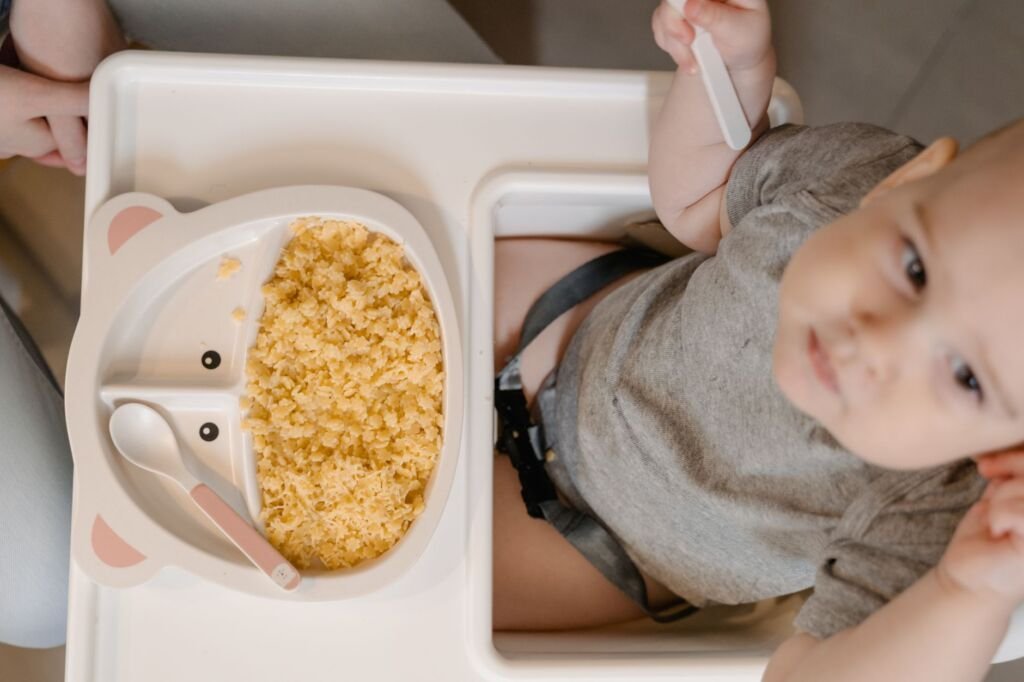
Building a Balanced Diet with Variety
Importance of Nutritional Variety
A balanced diet is crucial for your baby’s growth and development. Introducing a variety of foods not only helps to ensure they receive essential nutrients but also promotes healthy eating habits as they grow. Aim for a spectrum of food groups, including fruits, vegetables, grains, proteins, and dairy, to provide a well-rounded diet.
Here are some food groups to consider incorporating into your baby’s diet:
- Fruits: Apples, pears, bananas, and berries.
- Vegetables: Spinach, peas, sweet potatoes, and carrots.
- Grains: Oatmeal, rice, and whole grain cereals.
- Proteins: Lentils, beans, chicken, and fish (ensure they are age-appropriate and cooked well).
- Dairy: Yogurt and small amounts of cheese (after 6 months).
Introducing New Foods Gradually
When introducing new foods, it’s best to do so one at a time, following the three-day rule. This approach allows you to monitor for any reactions or allergies. If your baby shows no adverse effects, feel free to introduce another new food. This gradual introduction helps identify which foods your baby enjoys and tolerates well.
While introducing new foods, keep a food diary to track what your baby eats and any potential reactions. This practice can help you make informed decisions about future meals and snacks.
Encouraging Flavor Exploration
Encouraging your baby to explore different flavors is important for developing their palate. Introducing a range of spices and herbs can help enhance the taste of foods without adding salt or sugar. Consider the following:
- Herbs: Basil, dill, and parsley are mild and can add a pleasant flavor.
- Spices: Cinnamon and nutmeg can enhance sweet foods, while cumin and garlic powder can add depth to savory dishes.
- Flavor Pairings: Combine different foods, like sweet potatoes with a sprinkle of cinnamon or peas with mint.
By introducing a variety of flavors, you can help your baby develop a love for diverse foods that will benefit them as they grow.
Establishing Healthy Eating Habits
Creating Routine Around Meal Times
Establishing a consistent meal routine can help your baby understand when to expect food and create a sense of security. Regular meal and snack times can foster healthy eating habits and reinforce the family mealtime experience. Aim to sit down together as a family whenever possible, even if it’s just for a few minutes.
Setting a routine can include:
- Designating specific times for breakfast, lunch, and dinner.
- Incorporating snacks between meals to maintain energy levels.
- Creating a calming and distraction-free environment during meal times.
Modeling Healthy Eating Behaviors
Children often mimic the behaviors of their parents and caregivers. By modeling healthy eating habits, you can positively influence your baby’s relationship with food. Show enthusiasm for trying new foods and maintaining a balanced diet.
Consider these strategies to promote healthy eating behaviors:
- Eat a variety of foods yourself to demonstrate the importance of nutritional diversity.
- Involve your baby in food preparation when appropriate, fostering their interest in the meals.
- Encourage mindful eating by discussing flavors and textures while sharing meals together.
Encouraging Positive Attitudes Toward Food
Fostering a positive attitude towards food can help your baby develop a healthy relationship with eating. Avoid using food as a reward or punishment, as this can create negative associations. Instead, promote the idea that food is nourishing and enjoyable.
Some tips to encourage a positive attitude include:
- Be patient with your baby’s preferences and encourage them to try new things without pressure.
- Celebrate small victories when they try a new food or finish their meal.
- Refrain from labeling foods as “good” or “bad”; instead, focus on balance.
By implementing these strategies, you can help your baby establish healthy eating habits that will last a lifetime.
Trusted sources: HealthyChildren.org: Toddler.
Frequently Asked Questions
1. What foods should I avoid when introducing solids?
Avoid honey, which can contain harmful bacteria for babies under one year, and whole nuts, which can pose choking hazards. Also, limit added sugars and salt in your baby’s diet.
2. How do I know if my baby is full?
Look for cues such as turning their head away, closing their mouth, or pushing food away. Each baby has their own hunger signals, so observe and respect them.
3. Can I give my baby water during meal times?
Once your baby starts eating solids, small sips of water with meals can be introduced. However, breast milk or formula should remain their primary source of nutrition until one year old.
4. How can I make mealtimes more enjoyable for my baby?
Incorporate a variety of colors and textures on their plate, and offer family meals together. For more ideas, check out our guide on making family mealtimes enjoyable.
The Bottom Line
Introducing your baby to solid foods is a significant step in their development. By recognizing readiness signs, choosing appropriate foods, and creating a positive feeding environment, you can help your baby develop healthy eating habits. Remember, patience and flexibility are key, and consult with your healthcare provider whenever necessary. Enjoy this journey of discovering new tastes and textures together!
Was this article helpful?
Thanks for letting us know! Your feedback helps us make our articles better.

Writer at Apparently a Parent, covering the everyday joys and challenges of raising a family.




One Response