Engaging Developmental Activities for Your Baby’s Growth
Discover engaging developmental activities for your baby that promote growth and learning in a fun, nurturing environment.

In this article
Key takeaways
- Engaging activities boost cognitive and physical growth.
- Every baby develops at their own pace; adapt activities to fit your child.
- Interactive play helps strengthen the bond between you and your baby.
- Consult your pediatrician for tailored advice on your baby's development.
As a new parent, you might wonder how to best support your baby’s growth and development. The early months of your child’s life are crucial for brain development, and engaging them in developmental activities can make a significant difference. From promoting motor skills to enhancing sensory awareness, these activities can help your baby thrive.
Understanding that every child is unique is essential. What works for one baby may not work for another. Therefore, flexibility and patience are key. This guide will explore various developmental activities suitable for babies, helping you nurture their growth in a warm and supportive environment.
Incorporating these activities into your baby’s daily routine not only aids in their development but also strengthens the bond between you. Let’s dive into the best developmental activities that can enrich your baby’s life.
Why Developmental Activities Matter
Developmental activities are essential for babies as they foster cognitive, emotional, and physical growth. Engaging in various activities stimulates your baby’s brain, helping them learn about the world around them. Through play, babies develop their problem-solving skills, hand-eye coordination, and social skills, crucial building blocks for their future.
Research from the American Academy of Pediatrics indicates that active engagement in play fosters brain development and enhances learning. This early exposure to varied activities shapes their growth trajectory, enabling them to reach critical milestones.
Moreover, these activities serve as opportunities for bonding. When you participate in developmental tasks with your baby, you create a loving environment that promotes security and trust. This emotional foundation is vital as your child grows and faces new challenges.
Activities for Newborns (0-3 Months)
During the first few months, your baby’s primary activities will revolve around sensory exploration and bonding. Here are some effective developmental activities for this age group:
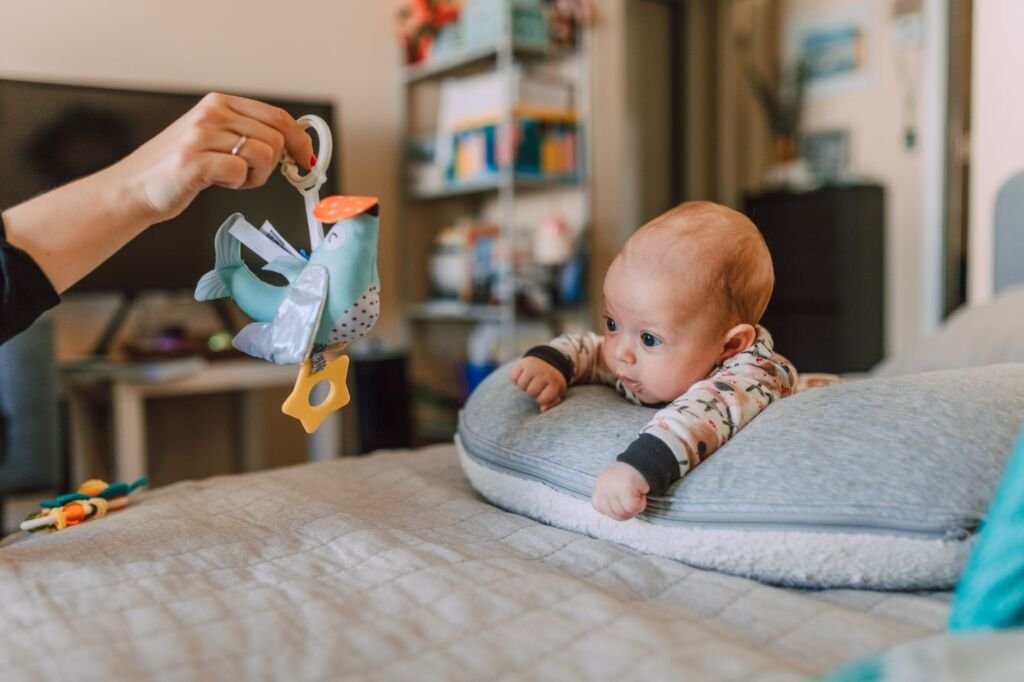
- Tummy Time: This activity helps strengthen your baby’s neck and shoulder muscles. Place your baby on their tummy for short periods, gradually increasing the duration as they get stronger.
- Soft Music and Rhythm: Play soft music to stimulate auditory senses. Gently sway or rock your baby to the rhythm to engage their sense of movement.
- High-Contrast Toys: Use toys that feature bold patterns and colors. Newborns can see high-contrast images better, which helps develop their visual tracking skills.
Table: Developmental Activities for Newborns
| Activity | Purpose | Suggested Duration |
|---|---|---|
| Tummy Time | Strengthens neck and shoulder muscles | 2-3 minutes, increasing gradually |
| Soft Music | Stimulates auditory senses | 10-15 minutes |
| High-Contrast Toys | Develops visual tracking | As long as they show interest |
Activities for Infants (4-6 Months)
As your baby reaches four months, they become more active and curious. At this stage, activities should encourage exploration and fine motor skills:
- Reaching and Grasping: Encourage your baby to reach for toys placed just out of their grasp. This activity promotes hand-eye coordination and strengthens their grip.
- Water Play: Supervised water play in a shallow basin can be delightful. Use cups and toys to introduce concepts like pouring and splashing.
- Reading Together: Choose board books with colorful images and textures. Reading aloud nurtures language development and introduces them to storytelling.

Activities for Older Infants (7-12 Months)
Once your baby is around seven months old, they will be more mobile and eager to explore. Activities at this stage should focus on mobility and social interaction:
- Crawling Obstacle Course: Create a safe, soft area with cushions or blankets for your baby to crawl over. This activity enhances motor skills and encourages exploration.
- Interactive Games: Simple games like peek-a-boo or pat-a-cake promote social interaction and help your baby understand cause and effect.
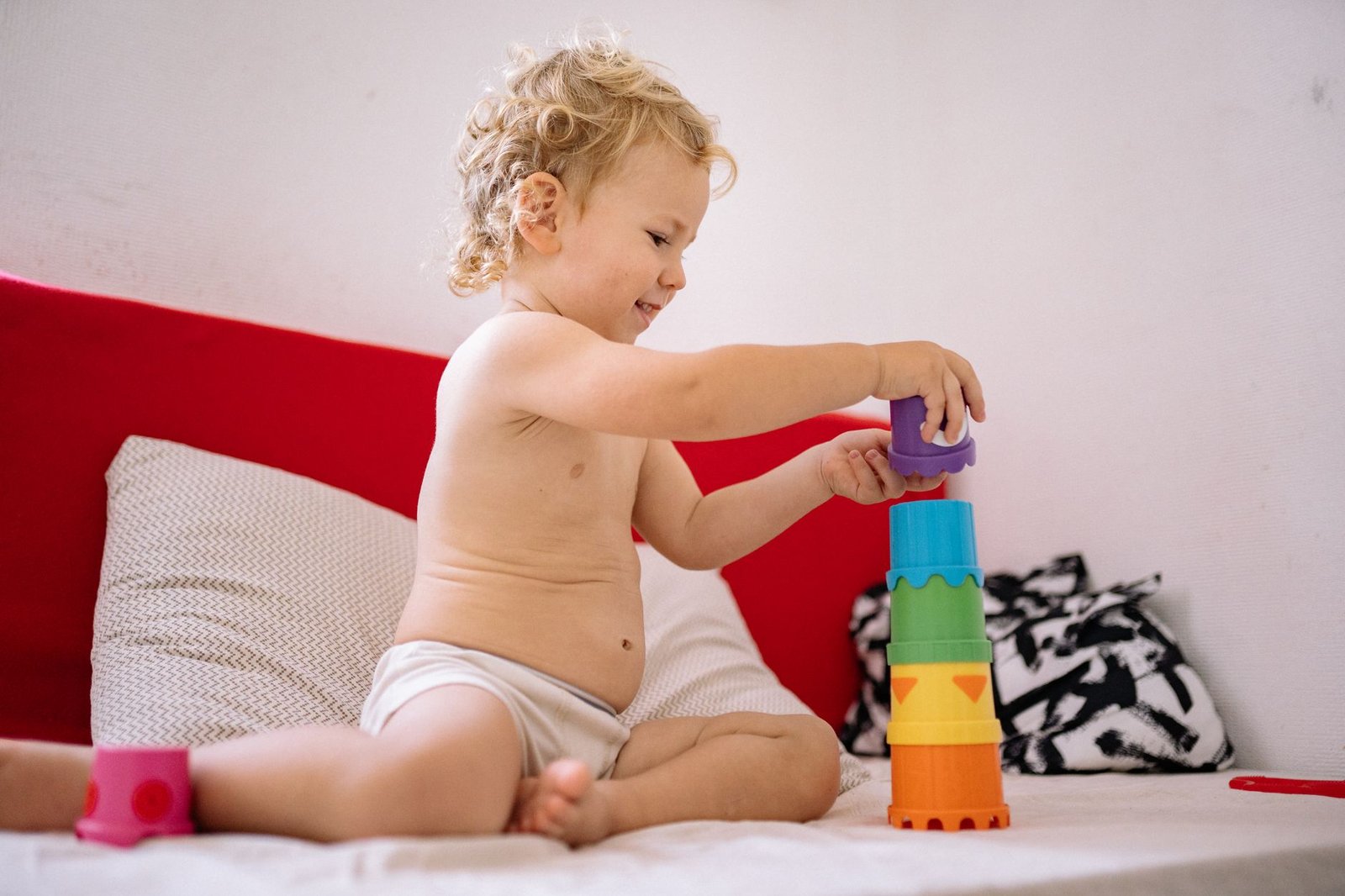
- Stacking Blocks: Introduce soft blocks for stacking. This activity encourages problem-solving and fine motor skills as they learn to balance objects.
Activities for Social and Emotional Development
Social and emotional development is as crucial as physical and cognitive growth. Engaging your baby in activities that promote these areas helps build their confidence and social skills:
- Playdates: Arranging playdates with other babies can help your child learn to interact with peers, promoting social skills and cooperation.
- Mirror Play: Babies love looking at themselves in mirrors. This activity can help them recognize their expressions and emotions, enhancing self-awareness.
- Emotion Cards: Use simple cards with different facial expressions. Show them to your baby and name the emotions to introduce emotional vocabulary.

Incorporating Sensory Play
Sensory play is a fantastic way to engage your baby’s senses while promoting cognitive development. Here are some ideas:
- Texture Exploration: Provide various textured items like soft fabric, rough sandpaper, or smooth plastic for your baby to touch and explore.
- Nature Exploration: Take your baby on nature walks. Let them feel leaves, grass, or flowers, introducing them to the world outside.
- Sound Exploration: Use everyday items like pots, pans, and wooden spoons to create sounds. Let your baby explore different sounds and rhythms.
Creating a Safe Environment for Play
As you engage your baby in various developmental activities, ensuring their safety is paramount. Here are some tips to create a safe environment:
- Safe Play Area: Designate a specific area for play that is free of sharp objects and hazards. Use soft mats or blankets to cushion falls.
- Supervision: Always supervise your baby during play, especially when using toys or materials that could pose a choking hazard.
- Regularly Inspect Toys: Check toys for any broken parts or wear. Replace damaged items to ensure safety during playtime.
Always supervise your baby during playtime to ensure their safety. Remove any small objects that could pose a choking hazard.
Activities to Enhance Cognitive Development
Exploration Through Play
Engaging your baby in exploratory play can significantly boost cognitive development. This type of play encourages problem-solving and critical thinking as your baby navigates their environment. You can create an exploratory play area with various textures, shapes, and colors that invite curiosity and discovery. For instance, consider using items that are safe for chewing, like soft blocks or fabric books, to promote tactile exploration.
Some effective exploratory activities include:
- Treasure Baskets: Fill a basket with safe household items like wooden spoons, fabric scraps, and plastic containers for your baby to explore.
- Water Play: Supervised water play with cups, spoons, and floating toys can enhance sensory skills and cause-and-effect understanding.
- Mirror Play: Babies love looking at their reflections. A non-breakable mirror can help them understand their own movements and expressions.
Building Memory Skills
Memory is a crucial component of cognitive development. Activities that involve repetition and recall can help improve your baby’s memory skills. Simple games like hiding and revealing toys can encourage your baby to remember where items are placed. This not only builds their memory but also introduces the concept of object permanence.
To enhance memory skills, try these activities:
- Peek-a-Boo: This classic game teaches babies about object permanence while also being fun and engaging.
- Simple Songs and Rhymes: Repeating songs and rhymes can help enhance memory through melody and rhythm. Incorporate hand movements to make it interactive.
- Storytelling with Pictures: Show your baby pictures and tell a simple story. Ask them to point to familiar objects or characters in the images.
Language Development Through Interaction
Language development is greatly enhanced by interaction with caregivers. Engaging in verbal communication from an early age lays the foundation for language skills. Talk to your baby frequently, narrate your activities, and respond to their coos and babbles. This back-and-forth interaction is essential for communication skills.
Consider these strategies to foster language development:
- Read Aloud Daily: Reading to your baby exposes them to new vocabulary and different sounds. Choose colorful picture books to maintain their interest.
- Singing and Rhyming: Incorporate songs and nursery rhymes into your daily routine. The rhythm and repetition are engaging and beneficial for language skills.
- Labeling Objects: As you interact with your baby, name objects around the house. This helps them associate words with their meanings.
Physical Activities for Gross Motor Skills
Tummy Time Variations
Tummy time is essential for developing your baby’s gross motor skills. It helps strengthen neck and shoulder muscles, which are crucial for future milestones like rolling over and crawling. However, to keep tummy time engaging, consider incorporating variations that stimulate your baby further.
Some tummy time activities include:
- Tummy Time on an Incline: Place your baby on their stomach on a slight incline, like a couch cushion, to make it easier for them to lift their head and look around.
- Tummy Time with Toys: Place colorful toys or mirrors in front of your baby during tummy time to encourage them to reach and engage.
- Parental Interaction: Get down on the floor and play with your baby during tummy time. Your presence can motivate them to lift their head and engage more.
Assisted Standing and Walking
As your baby grows, they will begin to show interest in standing and walking. Assisting them in these activities can enhance their leg strength and coordination. Create a safe space where they can practice standing with support and eventually take their first steps.
Ways to encourage standing and walking include:
- Furniture Cruising: Encourage your baby to pull themselves up on furniture and move along the edge for stability.
- Walking with Support: Hold your baby’s hands and let them take steps towards you. This promotes balance and confidence.
- Push Toys: Provide sturdy push toys that allow them to practice walking while having something to hold onto for balance.
Outdoor Play and Exploration
Outdoor play is vital for physical development and offers sensory experiences that indoor play may not provide. Fresh air, varied textures, and different sounds can stimulate your baby’s senses. Outdoor exploration encourages movement and curiosity.
Consider these outdoor activities:
- Nature Walks: Take your baby on walks in a stroller or carrier, pointing out trees, flowers, and animals. This builds awareness of their surroundings.
- Sandbox Play: If possible, set up a sandbox where your baby can practice scooping and pouring with safe tools.
- Grass Crawling: Allow your baby to crawl on grass in a safe environment. The texture and sensation can be exciting for them.
Encouraging Social Interaction and Play
Playdates and Group Activities
Social interaction is crucial for your baby’s emotional and social development. Organizing playdates with other babies can provide opportunities for them to learn from one another. Interacting with peers helps develop essential social skills such as sharing, taking turns, and cooperation.
When arranging playdates, consider the following:
- Age Compatibility: Ensure the other babies are of similar age to facilitate comparable levels of interaction.
- Safe Environment: Choose venues that are safe and baby-friendly, with soft surfaces and minimal hazards.
- Interactive Activities: Plan simple group activities, like rolling balls or sharing toys, to encourage interaction.
Encouraging Imaginative Play
Imaginative play is vital for cognitive and social skills development. Providing props and opportunities for role-playing can spark creativity and collaboration among babies. Even at a young age, babies can engage in simple pretend play, which supports their understanding of the world around them.
Ways to encourage imaginative play include:
- Dress-Up Props: Offer hats, scarves, and other dress-up items that babies can explore and use in their imaginative scenarios.
- Storytelling and Role-Play: Use puppets or stuffed animals to create simple stories that your baby can engage with.
- Kitchen Play: Set up a pretend kitchen area with safe, toy kitchen items to encourage role-playing.
Music and Movement Activities
Music and movement are powerful tools for socialization and physical development. Engaging your baby in musical activities can foster a love for rhythm while enhancing coordination and social skills. Singing together and dancing can be a joyful bonding experience as well.
To incorporate music and movement, try these activities:
- Shake and Move: Use instruments like maracas or tambourines to introduce rhythm and encourage your baby to shake and move.
- Baby Dance Parties: Play various types of music and dance around with your baby. This promotes physical activity and creates a joyful atmosphere.
- Movement Songs: Sing songs that involve actions, such as “The Wheels on the Bus,” to encourage physical participation.
Related reading: Teach Kids About Personal Hygiene for Healthy Habits and Simple Ways to Bond With Your Newborn: Create Lasting Love.
Trusted sources: HealthyChildren.org (American Academy of Pediatrics), HealthyChildren.org: Toddler.
Frequently Asked Questions
What types of toys are best for developmental activities?
Choose toys that are age-appropriate, safe, and stimulate different senses. Look for toys that encourage manipulation, exploration, and creativity, such as blocks, musical instruments, and textured toys.
How much time should I dedicate to developmental activities?
Short, frequent sessions of 10-15 minutes are ideal for infants. Follow your baby’s cues to determine how long they wish to engage in each activity.
How can I tell if my baby is developing normally?
Each child develops at their own pace. However, you can monitor their growth by observing milestones and consulting your pediatrician for guidance on developmental checks.
What should I do if I’m concerned about my baby’s development?
If you have concerns, it’s essential to speak with your pediatrician. They can provide advice and resources tailored to your baby’s specific needs.
The Bottom Line
Engaging your baby in developmental activities is a wonderful way to support their growth while nurturing your bond. Remember that every child develops at their own pace, so adapt activities accordingly and be patient. With a variety of engaging activities, you can create an enriching environment that fosters your baby’s development and happiness.
Was this article helpful?
Thanks for letting us know! Your feedback helps us make our articles better.

Writer at Apparently a Parent, covering the everyday joys and challenges of raising a family.



One Response