Simple Ways to Bond With Your Newborn: Create Lasting Love
Discover simple ways to bond with your newborn and foster a loving connection that lasts a lifetime.


In this article
Key takeaways
- Bonding helps with emotional development.
- Skin-to-skin contact is essential.
- Reading to your baby promotes language skills.
- Every family has unique bonding experiences.
Welcoming a newborn into your family is a profoundly transformative experience. As a new parent, you may find yourself filled with excitement, joy, and even a few nerves as you navigate this new chapter. One of the most critical aspects of parenting during those early days is forming a strong bond with your newborn. This connection not only promotes emotional security for your baby but also lays the foundation for a lifetime of trust and love.
Bonding with your newborn can come in many forms, from physical contact to vocal interactions. Understanding how to nurture this relationship can significantly impact your baby’s development. In this article, you’ll discover simple yet effective ways to bond with your newborn, creating a warm, loving environment that encourages healthy growth and development.
Every parent and child relationship is unique, and it’s essential to find what works best for you and your little one. As you explore these bonding techniques, remember to be patient and flexible. Your journey of bonding with your newborn will be as individual as your family.
Physical Bonding Techniques
Physical touch is one of the most crucial elements of bonding with your newborn. Babies thrive on skin-to-skin contact, which has been shown to enhance emotional security.
To help you explore physical bonding techniques, consider the following:
- Skin-to-Skin Contact: Holding your baby against your bare chest promotes warmth and security. This practice can also help regulate your baby’s body temperature and heart rate.
- Gentle Massages: A soft, gentle massage can be soothing for your newborn. Use baby-safe oils or lotions and follow their cues for what feels good.
- Swaddling: Wrapping your newborn snugly in a soft blanket can mimic the womb’s environment, helping them feel safe and secure.
- Carrying Your Baby: Use a baby carrier to keep your newborn close to you. This allows for bonding while keeping your hands free.
Vocal Interactions and Communication
Your voice is a powerful tool for bonding with your newborn. Research has shown that babies recognize their parents’ voices shortly after birth. Engaging in vocal interactions can help stimulate your baby’s brain development.
Here are some ways to foster communication through your voice:
- Talk to Your Baby: Describe your actions, surroundings, and feelings. This not only fosters connection but also introduces your baby to language.
- Singing Lullabies: Soft songs or lullabies can soothe your newborn and create a calming environment. It also introduces rhythm and melody.
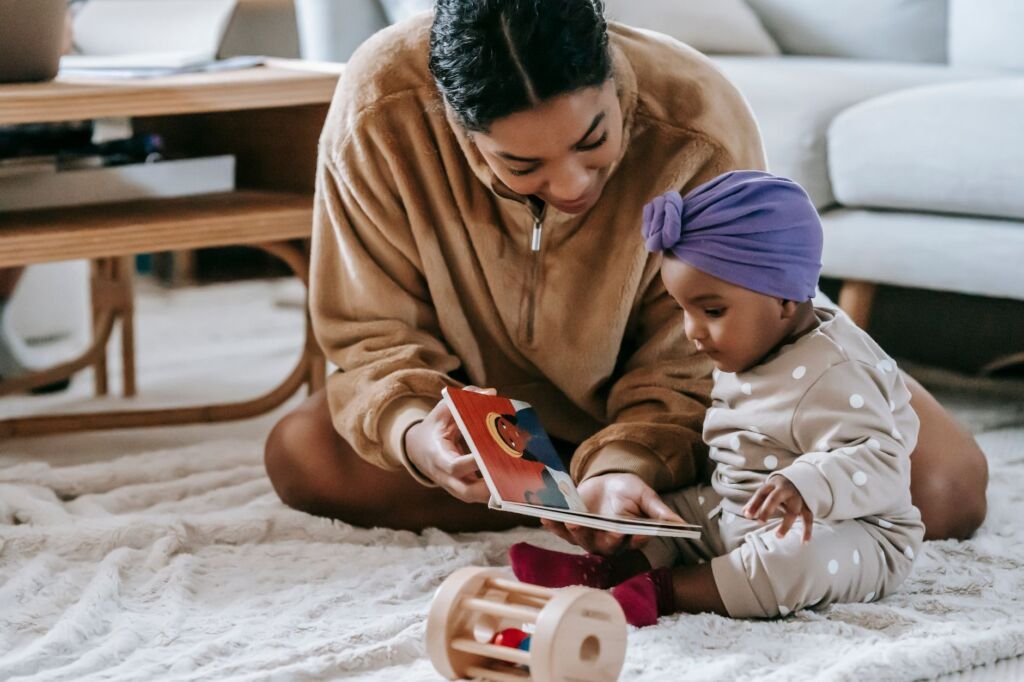
- Reading Aloud: Even at a young age, reading to your baby can enhance their language skills. Choose colorful, engaging books to capture their attention.
Responsive Parenting
Being responsive to your newborn’s needs is vital for bonding. This means recognizing and responding to their cues, which fosters trust and security.
Consider the following strategies for responsive parenting:
- Recognizing Cues: Pay attention to your baby’s signals, such as cooing, crying, or body movements. These cues can indicate hunger, discomfort, or the need for affection.
- Comforting Techniques: Use soothing techniques like rocking, swaddling, or gentle patting to calm your newborn when they are upset.
- Establishing Routines: Developing consistent feeding, sleeping, and play routines can help your baby feel secure and build trust.

Creating a Calm Environment
A calm, nurturing environment is essential for fostering a strong bond with your newborn. Babies are sensitive to their surroundings, and a peaceful atmosphere can significantly affect their mood and comfort.
Here are some tips for creating a soothing environment:
- Reduce Noise: Keep the noise levels low to create a serene space. Consider using white noise machines to mask sudden sounds.
- Soft Lighting: Use soft, dim lighting during nighttime feedings and changes to create a calming ambiance.
- Comfortable Space: Ensure your baby’s sleeping and play areas are cozy and inviting, with soft bedding and safe toys.
Engaging in Play
Play is a vital aspect of bonding with your newborn. Although they may be too young for traditional play, engaging in simple activities can enhance your connection.
Here are some play ideas:
- Tummy Time: Lay your baby on their tummy to help strengthen their neck and shoulder muscles while encouraging interaction.
- Face-to-Face Play: Make eye contact and smile at your baby. This can help strengthen your emotional bond.
- Simple Toys: Use soft rattles or colorful toys to encourage reaching and grasping, stimulating your baby’s development.

Family Involvement
Involving family members in the bonding process can enrich your newborn’s experience. Whether it’s siblings, grandparents, or other relatives, everyone can contribute to the nurturing environment.
Consider these ideas to encourage family involvement:
- Shared Care: Encourage family members to participate in feeding, diaper changes, and soothing your baby. This helps everyone feel connected.
- Family Storytime: Make reading a family affair. Encourage siblings or grandparents to read to the baby, helping them form connections.
- Group Activities: Plan family outings that are baby-friendly, such as walks in the park or visits to family members.
Building a Support Network
Having a support network can significantly ease the transition into parenthood. Connecting with other parents or support groups can provide valuable insights and encouragement.
Consider these options to build your support network:
- Parenting Classes: Look for local classes to meet other new parents and learn about baby care and bonding techniques.
- Online Communities: Join parenting forums or social media groups to share experiences and gain advice from others in similar situations.
- Local Resources: Check local community centers or hospitals for parenting support groups that offer resources and social opportunities.
Understanding Your Newborn’s Cues
Recognizing Body Language
Newborns communicate a great deal through their body language, and learning to interpret these signals is crucial for forming a strong bond. Pay attention to their facial expressions, limb movements, and overall demeanor. For instance, a relaxed posture indicates comfort, while clenched fists or rigid limbs may suggest discomfort or frustration.
Here are some common body language signals to watch for:
- Yawning: Indicates tiredness.
- Rooting reflex: Suggests hunger.
- Turning away: Signals overstimulation or the need for a break.
By being attentive to these cues, you can respond more effectively to your newborn’s needs, fostering a sense of security and trust between you both.
Developing a Routine
Establishing a consistent routine can greatly enhance the bond you share with your newborn. Routines create predictability, which can help your baby feel secure and calm. Start with simple daily rituals, such as bath time, feeding, or reading a short story before sleep.
Consider the following elements when crafting your routine:
- Feeding times: Establish a regular schedule to help your baby know what to expect.
- Bedtime rituals: Incorporate calming activities like swaddling or soft singing to signal that it’s time to wind down.
- Playtime: Set aside specific times for interactive play that can evolve as your baby grows.
A predictable routine not only helps your baby feel secure but also allows you to anticipate and respond to their needs more effectively, reinforcing your connection.
Creating a Sensory Environment
Newborns experience the world primarily through their senses, so creating a rich sensory environment can enhance the bonding experience. Engaging your baby’s senses can stimulate their cognitive development while strengthening your emotional connection.
Consider incorporating the following sensory experiences:
- Visual stimuli: Use colorful toys or mobile displays to capture their attention.
- Auditory experiences: Play soft music or nature sounds to create a soothing atmosphere.
- Tactile interactions: Use different textures, like soft blankets or plush toys, to help them explore.
By offering varied sensory experiences, you’re not only supporting your baby’s development but also creating opportunities for interaction, which can deepen your bond.
Engaging in Mindful Parenting
Practicing Being Present
Mindful parenting involves being fully present during your interactions with your newborn. This means setting aside distractions, like phones or other responsibilities, to focus entirely on your baby during your time together. When you’re fully engaged, you can better respond to their needs and cues, fostering a deeper emotional connection.
To practice mindfulness, consider the following techniques:
- Deep breathing: Take a moment to breathe deeply before engaging with your baby to center yourself.
- Active listening: Focus on your baby’s sounds and movements, responding thoughtfully to them.
- Slow down: Engage in activities at a slower pace, allowing yourself to savor the moments.
By being truly present, you can create a nurturing environment that fosters emotional security and strengthens the bond you share.
Emotional Regulation Strategies
Newborns can pick up on their parents’ emotions. Therefore, managing your own feelings is essential for creating a supportive atmosphere for your baby. Emotional regulation helps you respond calmly and sensitively to your newborn’s needs, which is key to building trust and attachment.
Implement the following strategies to enhance your emotional regulation:
- Self-awareness: Recognize your feelings and how they may affect your interactions.
- Stress-reduction techniques: Practice mindfulness, meditation, or gentle exercise to manage stress levels.
- Seeking support: Talk to friends or family about your feelings, which can help alleviate emotional burdens.
By ensuring your emotional well-being, you’re better equipped to provide the love and care your newborn needs.
Encouraging Touch and Skin-to-Skin Contact
Touch is one of the most effective ways to bond with your newborn. Skin-to-skin contact, also known as kangaroo care, involves holding your baby against your bare chest. This practice not only fosters a strong emotional connection but also promotes numerous health benefits for both you and your baby.
Here are some benefits of skin-to-skin contact:
- Regulated body temperature: Helps maintain your baby’s optimal temperature.
- Improved breastfeeding: Increases the likelihood of successful breastfeeding by enhancing baby’s instincts.
- Reduced stress: Promotes the release of hormones like oxytocin, which fosters bonding.
Make it a regular part of your routine to hold your baby skin-to-skin, especially during quiet moments, to strengthen your emotional connection.
Integrating Family Traditions
Creating Meaningful Family Rituals
Family traditions can play a significant role in nurturing bonds with your newborn. These rituals create a sense of belonging and identity, which are essential for emotional development. Establishing meaningful family rituals provides opportunities for connection and can be as simple as reading a story together or celebrating new milestones.
Consider incorporating the following family rituals:
- Bedtime stories: Make reading a nightly ritual to foster a love for books and storytelling.
- Weekend family outings: Plan regular outings to parks or nature walks to create lasting memories.
- Celebrating milestones: Acknowledge important events like first smiles or first words with small family celebrations.
Through these rituals, you not only bond with your newborn but also lay the foundation for family connections that will last a lifetime.
Involving Extended Family Members
Encouraging involvement from extended family members can enrich your newborn’s life and strengthen familial bonds. This can be a great way for grandparents, aunts, uncles, and cousins to connect with your baby and create a supportive network for your growing family.
Here are some ways to involve extended family:
- Regular visits: Schedule regular visits to strengthen connections and allow family members to engage with your newborn.
- Video calls: Use technology to bridge distances, allowing family members to interact and bond with your baby even from afar.
- Shared responsibilities: Encourage family members to assist with tasks like babysitting or helping with meals, fostering a sense of teamwork.
Involving extended family strengthens the community around your newborn, promoting a nurturing environment that supports healthy development.
Documenting Your Journey
Documenting your experiences with your newborn can serve as a powerful bonding tool. Keeping a journal or creating a scrapbook allows you to reflect on your journey as a parent, capture precious moments, and share these memories with your child as they grow.
Consider the following ways to document your journey:
- Daily journal: Write down thoughts, feelings, and milestones you observe in your baby.
- Photography: Take photos of special moments, capturing the growth and changes in your baby.
- Memory books: Create a scrapbook that includes photos, notes, and mementos from your baby’s early days.
Documenting your journey not only helps strengthen the bond with your newborn but also provides a cherished keepsake for years to come.
Related reading: Helping Your Child Build Friendships: Practical Tips and How to Introduce Your Baby to Solid Foods Safely.
Trusted sources: HealthyChildren.org (American Academy of Pediatrics), HealthyChildren.org: Toddler.
Frequently Asked Questions
How long does it take to bond with my newborn?
Bonding can begin immediately after birth, but it may take time to develop a strong connection. Every family is different, so be patient and give yourself grace.
Can I bond with my baby if I’m feeling overwhelmed?
Yes, it’s natural to feel overwhelmed as a new parent. Even small moments of interaction can help strengthen your bond. Reach out for support if needed.
What if my baby seems distant or unresponsive?
Some babies may take longer to engage. Continue to provide love and comfort, and consult your pediatrician if you have concerns about your baby’s responsiveness.
Is it important for both parents to bond with the baby?
Yes, both parents should engage in bonding activities. This not only strengthens the family unit but also provides your baby with diverse interactions.
The Bottom Line
Bonding with your newborn is an essential part of parenting that fosters trust and emotional security. By incorporating various techniques such as physical touch, vocal interactions, and creating a nurturing environment, you can build a lasting relationship with your child. Remember, every family is unique, and it’s essential to find what works best for you and your little one. Cherish these early moments, they are the foundation of a lifelong connection.
Engage in bonding activities daily, even if for short periods, to strengthen your connection with your newborn.[/aap_tip>
Was this article helpful?
Thanks for letting us know! Your feedback helps us make our articles better.

Writer at Apparently a Parent, covering the everyday joys and challenges of raising a family.



2 Responses