Helping Your Child Build Friendships: Practical Tips
Discover practical strategies to help your child make friends and develop social skills in a supportive environment.

In this article
Key takeaways
- Understand your child's unique social style.
- Encourage shared activities to foster connections.
- Model positive social interactions as a parent.
- Provide guidance on handling peer conflicts.
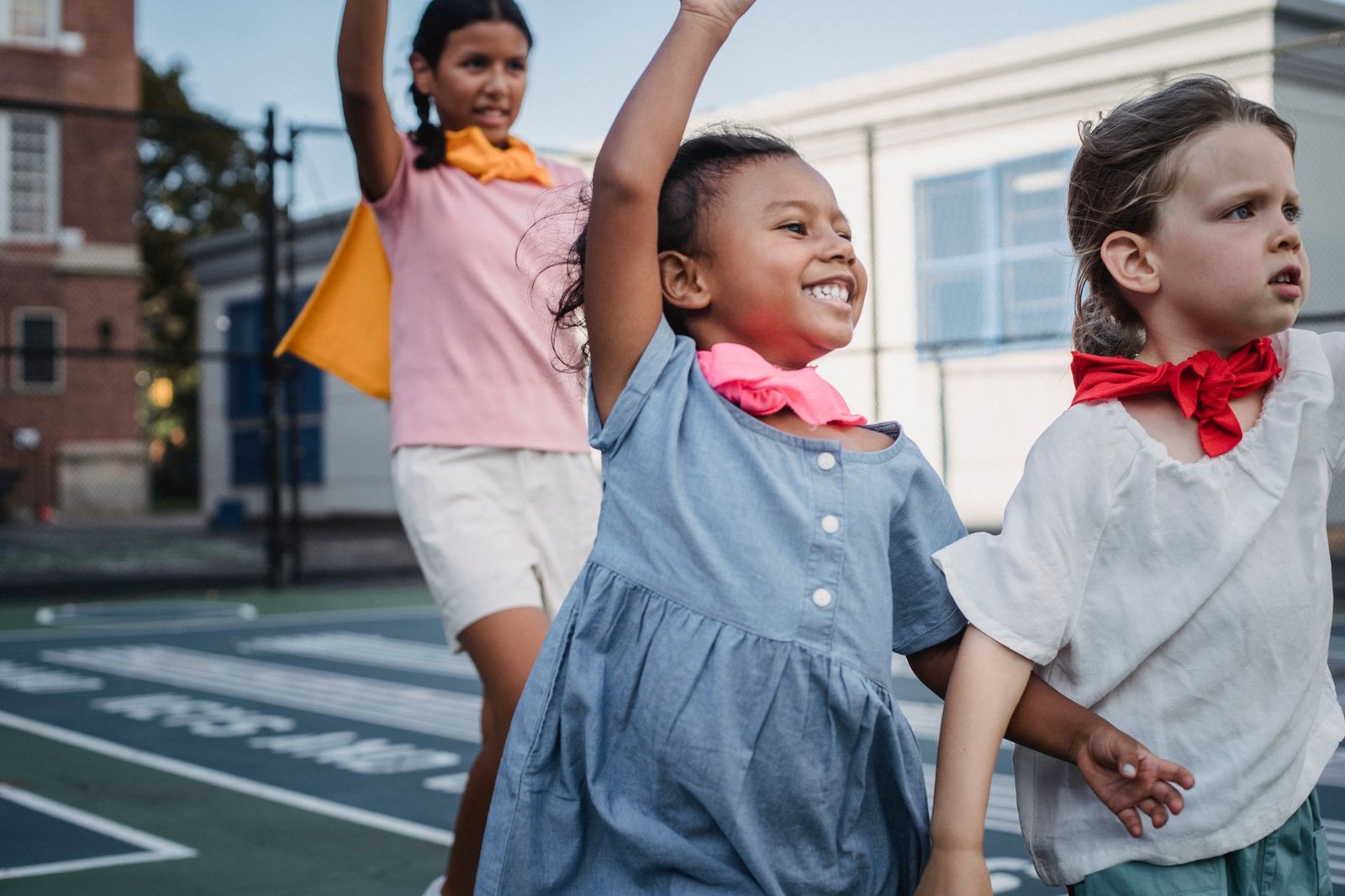
Friendship is a vital component of childhood development. As a parent, you play a crucial role in helping your child navigate the sometimes tricky waters of making friends. Whether your little one is outgoing or more reserved, understanding how to support their social growth is key. Every child is unique, and it’s important to recognize that social skills can vary widely among children.
In this article, we will explore various strategies to help your child make friends. From fostering social skills to creating opportunities for interaction, you can equip your child with the tools they need to build lasting friendships. This guide is tailored to parents who want to nurture their children’s social development in a warm and supportive manner.
Let’s dive into practical steps you can take to help your child form meaningful connections with their peers.
Understanding Your Child’s Personality
The first step in helping your child make friends is to understand their unique personality. Some children are naturally extroverted and thrive in social settings, while others may be introverted and prefer smaller groups or one-on-one interactions. Recognizing your child’s social temperament can guide you in determining the best approach to facilitate friendships.
To better understand your child’s personality, consider the following:
- Observe Their Behavior: Notice how your child interacts with others. Do they engage easily, or do they seem shy and hesitant? Recognizing these traits will help you tailor your approach.
- Ask Questions: Talk to your child about their feelings on social situations. Ask them what they enjoy most about playing with others and what they find challenging. This dialogue can provide insights into their social experiences.
- Encourage Self-Expression: Help your child articulate their thoughts and feelings about friendships. This can foster a greater understanding of their needs and desires in social settings.
Encouraging Social Skills Development
Once you understand your child’s personality, the next step is to encourage the development of essential social skills. These skills will not only help your child make friends but will also serve them well throughout their lives.
Here are some effective ways to cultivate social skills in your child:
- Role-Playing: Use role-playing scenarios to practice social interactions. For example, take turns initiating conversations, sharing toys, or resolving conflicts. This practice can build confidence in real-life situations.
- Teach Empathy: Encourage your child to think about others’ feelings. Discuss how different actions can affect their peers and what it means to be a good friend. Empathy is a cornerstone of lasting relationships.
- Model Positive Behavior: Children learn a lot by observing their parents. Demonstrate positive social interactions in your own life. Show kindness, active listening, and respectful communication, and your child may emulate these behaviors.
Creating Opportunities for Interaction
Creating opportunities for your child to interact with peers is essential in helping them make friends. Look for activities that align with their interests and provide a platform for social engagement.
Consider the following avenues to foster friendships:
- Extracurricular Activities: Enroll your child in sports, arts, or educational programs. These activities not only allow children to pursue their interests but also provide a structured environment for socialization.
- Playdates: Organize playdates with classmates or neighbors. A comfortable, familiar setting can ease social anxiety and encourage free play.
- Community Events: Attend local events, such as fairs, festivals, or library programs. This exposes your child to a diverse group of peers and encourages social interactions.
Encouraging Shared Interests
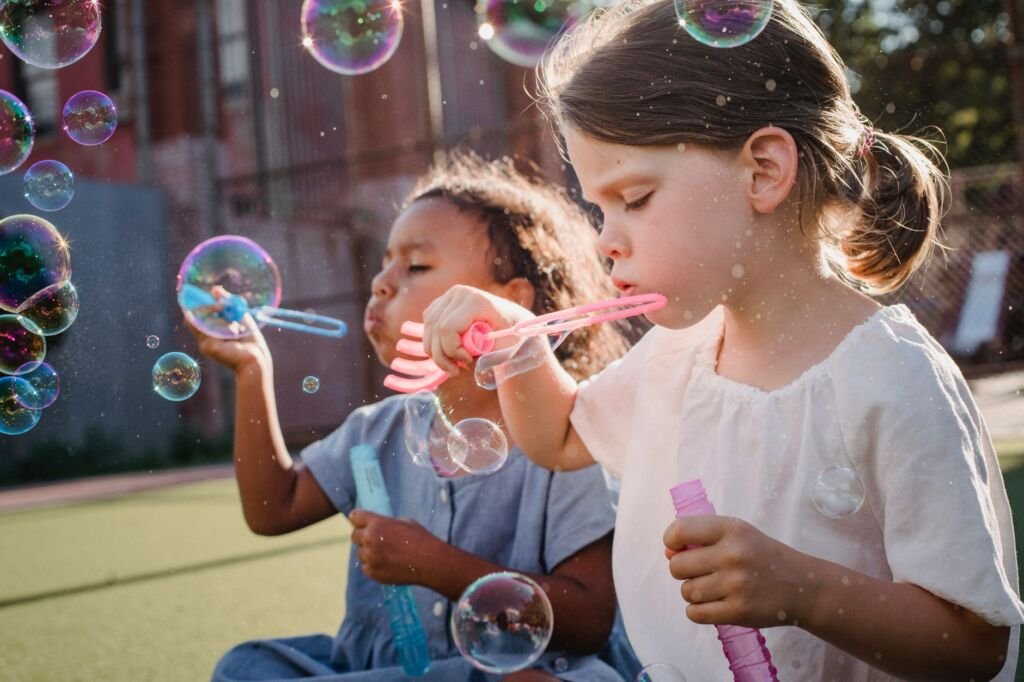
Friendships often blossom from shared interests. Encourage your child to explore hobbies and activities that they enjoy, as this can naturally lead to connections with like-minded peers.
Here are some ways to cultivate shared interests:
- Explore New Activities: Introduce your child to various hobbies and sports. This exploration can help them discover what they enjoy and where they might find peers with similar interests.
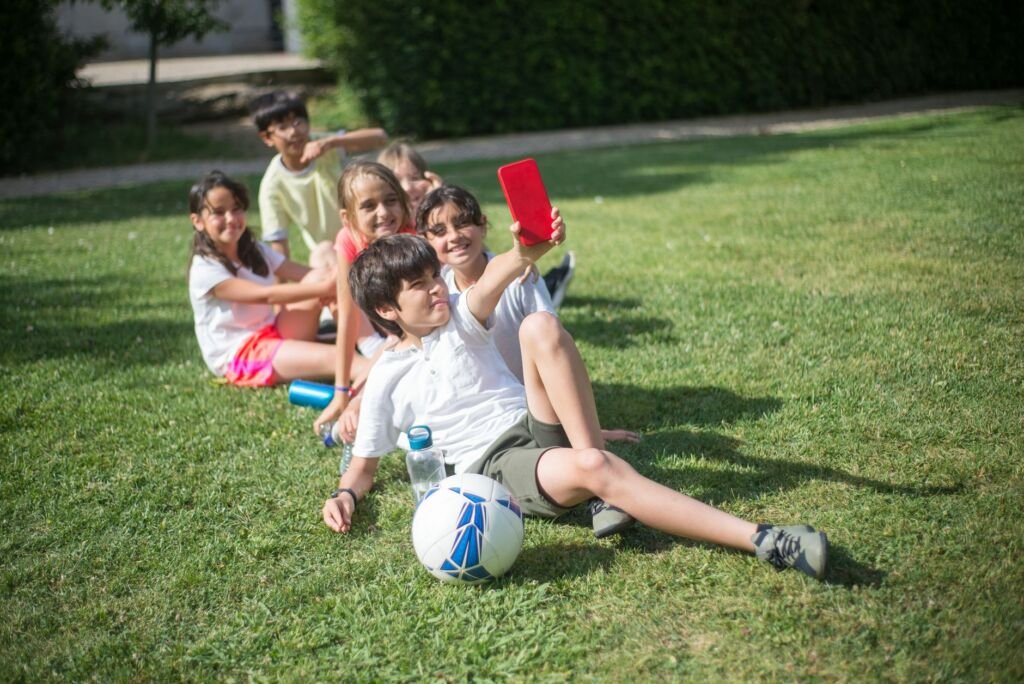
- Encourage Team Activities: Team sports or group projects can foster camaraderie. Children learn to work together toward a common goal, which can strengthen bonds.
- Join Clubs or Groups: Look for clubs that focus on your child’s interests, such as book clubs, science clubs, or art classes. These settings often facilitate friendships based on mutual passions.
Building Confidence in Social Situations
Confidence plays a significant role in making friends. Support your child in building self-esteem, as this will empower them to engage with others more readily.
Consider these strategies to boost your child’s confidence:
- Positive Reinforcement: Celebrate your child’s efforts in social situations, regardless of the outcome. Positive feedback can encourage them to try again in the future.
- Teach Problem-Solving: Equip your child with strategies to handle social challenges. Discuss potential scenarios they may encounter and brainstorm solutions together.
- Set Realistic Goals: Help your child set small, achievable social goals. Whether it’s saying hello to a classmate or sharing a toy, reaching these goals can boost their confidence and motivation.
Encouraging Emotional Intelligence
Emotional intelligence is crucial for building relationships. Teach your child to recognize their emotions and the emotions of others, which can significantly enhance their social interactions.
To develop emotional intelligence, consider these approaches:
- Discuss Emotions: Regularly engage your child in conversations about feelings. Ask them how they feel in different situations and encourage them to express their emotions verbally.
- Read Books Together: Choose stories that highlight different emotional experiences. Discuss the characters’ feelings and how they relate to real-life situations.
- Encourage Perspective-Taking: Help your child understand that people may have different viewpoints. Encourage them to consider how others might feel in various scenarios.
Handling Conflicts and Rejection
Conflicts and rejection are natural parts of friendships. It’s essential to prepare your child for these experiences and teach them how to navigate them effectively.
Here are some methods to help your child handle social conflicts:
- Teach Conflict Resolution: Discuss strategies for resolving conflicts, such as using “I” statements to express feelings and actively listening to the other person’s perspective.
- Normalize Rejection: Explain that rejection happens to everyone at some point. Encourage your child to view it as a learning experience rather than a personal failure.
- Encourage Open Communication: Foster an environment where your child feels safe discussing their social struggles. This open dialogue can help them process their feelings and gain perspective.

Understanding Social Dynamics in Groups
The Role of Group Size
When children are in social settings, the size of the group can significantly affect their interactions. Small groups, consisting of two to four children, often allow for more intimate conversations and stronger connections. In contrast, larger groups can lead to a more chaotic environment where some children may feel overlooked. Parents can help their children navigate these dynamics by encouraging participation in both small and large group activities.
Consider these benefits of different group sizes:
- Small Groups: Easier to communicate, allows deeper connections, and fosters teamwork.
- Large Groups: Teaches adaptability, exposes children to diverse perspectives, and encourages leadership skills.
Understanding Social Hierarchies
Social dynamics often involve hierarchies, where certain children take on leadership roles while others may follow. It’s essential for parents to explain these concepts to their children, helping them recognize that not every interaction will be equal. Children should be encouraged to observe how friendships form and evolve within these structures.
To assist your child in understanding social hierarchies, you can:
- Discuss examples from their own experiences or stories.
- Encourage them to express how they feel about their social standing.
- Teach them to be supportive and inclusive, regardless of group dynamics.
Encouraging Empathy in Group Settings
Empathy is crucial for navigating group interactions. When children can put themselves in others’ shoes, they are more likely to form meaningful connections. Parents can help cultivate empathy by discussing emotions with their children and encouraging them to express their feelings openly.
Activities that promote empathy include:
- Role-playing different scenarios to explore various perspectives.
- Reading books that highlight emotional experiences and discussing them.
- Encouraging volunteer work to foster understanding of diverse backgrounds.
Fostering Communication Skills
Active Listening Techniques
Effective communication starts with active listening, a skill that can be taught to children from a young age. By modeling good listening habits at home, parents can demonstrate how to engage in conversations meaningfully. Active listening involves not just hearing words but also understanding the emotions behind them.
To practice active listening with your child, you can:
- Encourage them to make eye contact and nod while others speak.
- Ask follow-up questions to deepen understanding.
- Discuss their thoughts after listening to ensure they grasp the conversation.
Non-Verbal Communication Awareness
Much of communication is non-verbal, and children should learn to recognize body language, facial expressions, and tone of voice. Parents can help their children become more aware of these cues, which will improve their social interactions. For example, a smile can indicate friendliness, while crossed arms may suggest defensiveness.
Ways to teach non-verbal communication include:
- Playing games that involve guessing emotions based on expressions.
- Using videos or cartoons to analyze characters’ body language.
- Encouraging your child to express their feelings through drawings or gestures.
Practicing Conversation Starters
Having a few go-to conversation starters can help children feel more confident in social situations. Parents can work with their children to create a list of questions or topics that are appropriate for various settings, such as school, playdates, or family gatherings. This preparation can alleviate anxiety and empower children to engage with their peers.
Examples of effective conversation starters include:
- “What was the best part of your day today?”
- “Do you have a favorite book or movie right now?”
- “What games do you like to play at recess?”
Encouraging Inclusivity and Diversity
Promoting Diverse Friendships
Encouraging children to build friendships with peers from different backgrounds enriches their social experiences. Exposure to diverse perspectives can enhance empathy and understanding. Parents can facilitate this by introducing their children to various cultures through books, music, and community events.
To promote diverse friendships, consider:
- Encouraging participation in multicultural events.
- Seeking out diverse playgroups or extracurricular activities.
- Discussing the importance of respecting and celebrating differences.
Teaching Acceptance of Differences
It is essential for children to learn how to accept and appreciate differences in their peers. Teaching acceptance can help prevent bullying and foster a supportive environment where everyone feels valued. Parents should encourage open discussions about differences, whether they pertain to culture, abilities, or interests.
Ways to teach acceptance include:
- Reading stories that focus on inclusivity and acceptance.
- Engaging in discussions about experiences that highlight differences.
- Modeling inclusive behavior by inviting diverse friends into your home.
Encouraging Teamwork in Diverse Settings
Teamwork is an excellent way for children to learn collaboration and communication while embracing diversity. Participating in team sports, group projects, or community service can help children understand the value of working together with peers who may have different viewpoints or skills.
To foster teamwork, you can:
- Encourage your child to join diverse teams or clubs.
- Discuss the importance of each team member’s role.
- Celebrate group achievements to reinforce the benefits of collaboration.
Related reading: How to Introduce Your Baby to Solid Foods Safely and How Much Sleep Does Your Child Need for Optimal Growth?.
Trusted sources: HealthyChildren.org (American Academy of Pediatrics), HealthyChildren.org: Toddler.
Frequently Asked Questions
What age do children typically start making friends?
Most children begin forming friendships around age 3 to 4. At this age, they start to engage in cooperative play and seek companionship.
How can I help my shy child make friends?
Encourage gradual exposure to social situations, practice social skills at home, and arrange low-pressure playdates to help your shy child feel more comfortable.
What should I do if my child is bullied by peers?
Address bullying immediately. Talk to your child about their feelings, and involve school authorities if necessary. Encourage assertiveness and ensure they know they can seek help.
How can I teach my child to be a good friend?
Model positive friendship behaviors, discuss the qualities of a good friend, and encourage empathy and respect in their interactions with peers.
The Bottom Line
Helping your child make friends is a rewarding journey that requires patience, understanding, and support. By nurturing their social skills, creating opportunities for interaction, and fostering emotional intelligence, you can empower your child to build meaningful friendships. Remember that every child is different, and it’s essential to adapt your approach to fit your child’s unique personality and needs. With your guidance, they can develop the confidence and skills necessary to form lasting connections with their peers.
Be patient and supportive as your child navigates social situations; every child develops social skills at their own pace.[/aap_tip>
Was this article helpful?
Thanks for letting us know! Your feedback helps us make our articles better.

Writer at Apparently a Parent, covering the everyday joys and challenges of raising a family.




One Response