Helping Your Child Overcome Their Fear of the Dark
Learn effective strategies to support your child who is afraid of the dark, ensuring they feel safe and secure during nighttime.


In this article
Key takeaways
- Understanding the commonality of fear of the dark.
- Practical strategies to help your child cope.
- The importance of creating a comforting bedtime routine.
- When to seek additional help if fears persist.
Understanding the Fear of the Dark
Fear of the dark is one of the most common fears among young children. As a parent, it can be distressing to see your child struggle with something that seems so irrational to adults. However, it is important to remember that fear is a normal part of childhood development. Children often use their imagination to interpret the world around them, and darkness can evoke feelings of vulnerability and uncertainty.
During the toddler years and into early childhood, children’s imaginations bloom. They start to create scenarios in their minds that may not align with reality. This imaginative play is a crucial part of their cognitive development, but it can also amplify their fears. According to the American Academy of Pediatrics, it is typical for children to experience fears of the dark, strangers, and even loud noises as they navigate their understanding of the world.
Understanding why your child may be afraid of the dark can help you approach the issue with empathy and patience. Their worries could stem from a variety of sources, including:
- Exposure to scary stories or movies
- Changes in their environment, such as moving to a new home
- Stressful events, like starting school or welcoming a new sibling
- Genetic predisposition to anxiety
Creating a Safe and Secure Environment
To help your child feel secure, creating a safe environment is essential. This can be done through a variety of strategies, focusing on making their nighttime experience more comforting and less intimidating. Here are some practical steps you can take:
- Night Lights: Use a soft night light in your child’s room. The gentle glow can help alleviate their fear of darkness by providing a sense of visibility and comfort.
- Consistent Bedtime Routine: Establishing a calming bedtime routine can signal to your child that it is time to wind down. This can include reading a story, talking about their day, or practicing deep breathing exercises.
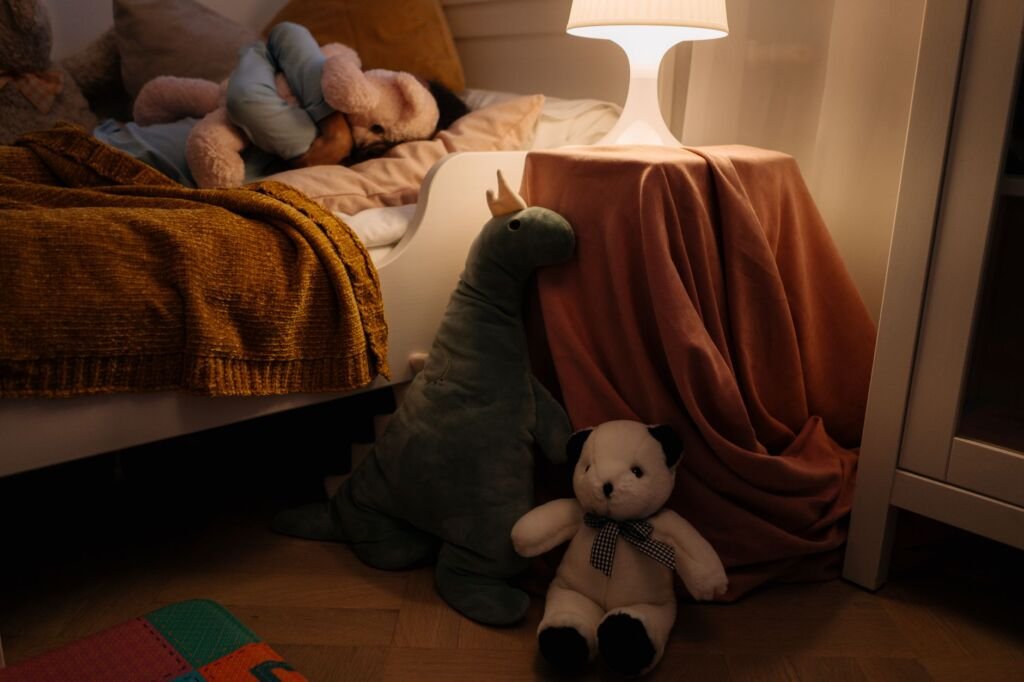
- Comfort Objects: Allow your child to have a favorite stuffed animal or blanket. These comfort objects can provide the emotional support they need to feel safe at night.
- Reassurance: Reassure your child that they are safe in their room. You can tell them that you are nearby and that they can call for you if they feel scared.
Additionally, consider the layout of their room. Ensure that the space feels cozy and inviting. Personal touches, like family photos or their favorite artwork, can help make the room feel more secure.
Engaging in Open Conversations
Communication is key when addressing fears. Create an open dialogue about their feelings, allowing your child to express what they are afraid of without judgment. Here are some tips to foster these conversations:
- Listen Actively: When your child shares their fears, listen without interrupting. Validate their feelings by acknowledging that it is okay to be scared.
- Use Imagination: Engage your child’s imagination in a positive way. Encourage them to create a “monster spray” made of water and a little bit of lavender or other calming scents. Explain that this spray keeps away any imaginary creatures.
- Storytelling: Use stories to address their fears. Share tales where characters face their fears and ultimately overcome them. This can help your child realize that they are not alone in their feelings.
Remember that every child is different. Some may need more reassurance than others, so tailor your approach to what feels right for your child.

Practical Techniques to Cope with Fear
In addition to creating a safe environment and engaging in open conversations, there are specific techniques you can teach your child to help them cope with their fear of the dark. These techniques can empower them and provide tools for managing their anxiety:
- Deep Breathing: Teach your child deep breathing exercises. For example, instruct them to take a deep breath in through their nose, hold it for a moment, and then slowly exhale through their mouth. This can help calm their nerves.
- Visualization: Encourage your child to visualize a safe and happy place. They can close their eyes and imagine being there whenever they feel scared.
- Gradual Exposure: Gradually expose your child to the dark in a controlled way. Start with dimming the lights slightly each night until they are comfortable with complete darkness.
- Empowerment through Control: Allow your child to control their environment. For example, they can choose when to dim the lights or when to turn on their night light, giving them a sense of agency.
The Role of Routine in Reducing Fear
Establishing a consistent bedtime routine is one of the most effective ways to help your child feel secure. A predictable routine can reduce anxiety and create a calming environment. Here are some components you might consider including in their routine:
- Wind Down Time: Set aside time for quiet activities, such as reading or drawing, to signal that bedtime is approaching.
- Comforting Activities: Incorporate activities that your child enjoys and finds calming, such as listening to soft music or gentle stretching.
- Bedtime Check-ins: Offer periodic check-ins after your child goes to bed. This shows your child that you are nearby and attentive to their needs.
By following a routine, you can help your child understand that nighttime is a safe time to rest and recharge.
When to Seek Additional Help
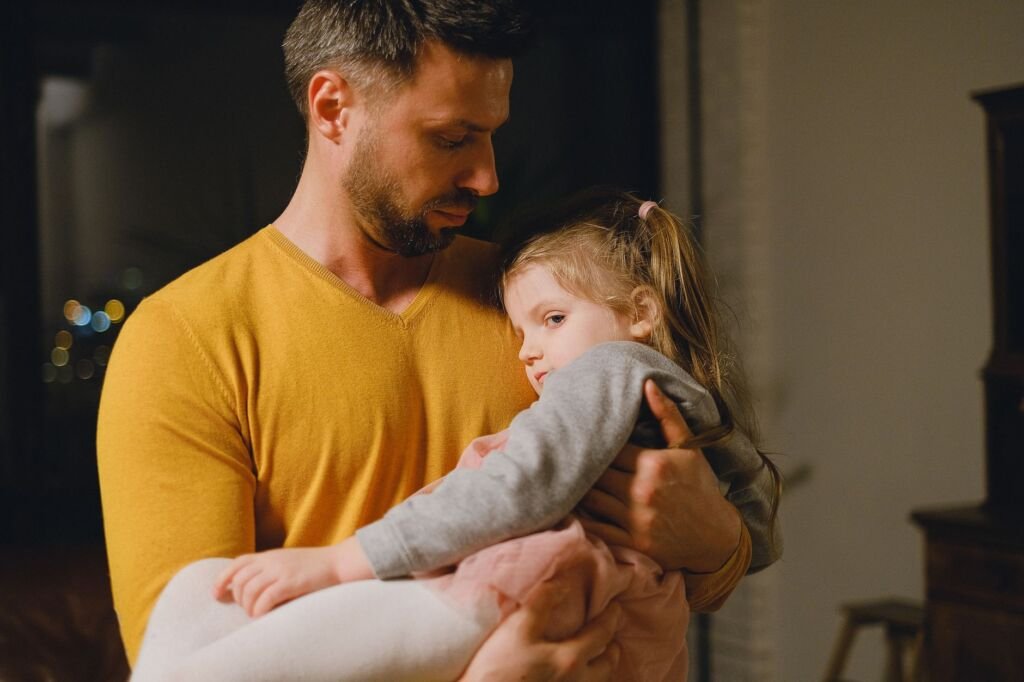
While many children outgrow their fear of the dark, some may experience persistent anxiety that affects their ability to sleep or function during the day. If you notice that your child’s fear is severe or leads to significant distress, it may be time to seek professional help. Consider consulting a pediatrician or a child psychologist if you observe the following:
- Nightmares or sleep disturbances that occur frequently
- Excessive daytime anxiety related to their fear
- Refusal to sleep alone or in their room
- Physical symptoms, such as stomachaches or headaches, related to their fear
These professionals can provide tailored strategies and support to help your child navigate their fears effectively.
Remember that patience and understanding are key as your child learns to cope with their fears. Celebrate small victories along the way.
Empowering Your Child Through Gradual Exposure
Understanding Gradual Exposure
Gradual exposure is a psychological technique often used to help children confront their fears in a controlled manner. The idea is to slowly introduce your child to darkness in safe and manageable increments. This approach allows the child to build confidence and resilience while reducing their anxiety over time. For instance, you might start by dimming the lights gradually instead of turning them off completely. This technique helps them acclimatize to lower light levels without overwhelming them.
As this process continues, you can adjust the environment, ensuring that it remains a positive experience. It is crucial to celebrate small victories during this journey, as positive reinforcement can significantly boost their confidence. You might say, “I’m so proud of you for trying to stay in your room even when it’s a bit dark!” This positive feedback encourages them to continue facing their fears.
Steps for Gradual Exposure
Implementing gradual exposure effectively requires a structured plan. Here are steps that you can follow:
- Step 1: Start with a fully lit room, discussing the fear openly with your child.
- Step 2: Dim the lights slightly for short periods while engaging in a comforting activity.
- Step 3: Gradually increase the time spent in low-light conditions, reassuring your child at each step.
- Step 4: Introduce a nightlight that they can control, empowering them to manage the light levels.
- Step 5: Encourage them to sleep with the lights off for short intervals, gradually increasing that time.
These steps should be tailored to your child’s pace, ensuring they feel comfortable at each stage. Patience is essential, as this process may take time. Remind your child that it’s perfectly okay to take a step back if they feel overwhelmed.
Using Comfort Objects
Comfort objects, such as stuffed animals or special blankets, can play a significant role in helping children feel secure in the dark. Encourage your child to choose a comfort object that they feel attached to. These items can serve as a tangible source of comfort and reassurance during moments of fear.
In addition to providing emotional support, comfort objects can also be used in gradual exposure exercises. For instance, you can practice being in the dark together while holding the comfort object, which can help create a positive association with darkness. This can reinforce the idea that they are safe and not alone, making the dark less intimidating.
Utilizing Storytelling and Imagination
The Power of Storytelling
Storytelling is a powerful tool that can help children process their fears and emotions. Creating engaging stories that feature characters overcoming their fears can provide your child with relatable scenarios and solutions. When children hear about characters facing similar challenges, it can help normalize their feelings and inspire them to confront their fears.
Consider crafting a series of bedtime stories where the protagonist embarks on adventures in the dark, like exploring a magical forest or meeting friendly nighttime creatures. These narratives can reshape their perception of darkness, turning it from a source of fear into an exciting opportunity for adventure.
Interactive Storytelling Techniques
To make storytelling more engaging, consider the following interactive techniques:
- Character Creation: Allow your child to create their own characters to star in the stories.
- Choose Your Adventure: Make the story interactive by letting them choose what happens next.
- Visual Storytelling: Use illustrations or puppets to bring the stories to life.
- Collaborative Storytelling: Take turns adding to the story, fostering creativity and engagement.
These techniques not only make storytelling more enjoyable but also empower your child to express their feelings and fears creatively. Engaging in this way can help alleviate anxiety and promote emotional understanding.
Encouraging Imaginative Play
Imaginative play can also be a beneficial avenue for children to explore their fears. Encourage your child to engage in role-playing scenarios that involve overcoming darkness or monsters. This form of play allows them to externalize their fears and approach them in a safe and controlled manner.
For example, you could set up a “monster patrol” where your child pretends to be a superhero protecting their room from imaginary creatures. This empowers them to take control of their fears, transforming the narrative from one of vulnerability into one of strength and courage.
Building a Supportive Community
The Role of Family Support
Building a strong support network is essential for children facing fears, including fear of the dark. Family members can play a crucial role in providing comfort and reassurance. Regular family discussions about fears can promote an open environment where children feel safe sharing their feelings without judgment.
Encourage siblings to share their own experiences with fear, highlighting that everyone has fears and that it’s perfectly normal. This collective sharing can foster a sense of unity and understanding, helping your child feel less isolated in their fear.
Involving Other Caregivers
Involving other caregivers, such as grandparents, babysitters, and teachers, can extend the support your child receives. Inform them of your child’s fear and the strategies you are implementing at home. Consistency in approach across different caregivers can reinforce your child’s coping mechanisms.
Additionally, these caregivers can provide essential perspectives and encouragement. For instance, a teacher could share a story of how they overcame their fear of the dark, offering your child a role model to look up to. This shared experience can inspire your child to adopt similar strategies.
Community Resources and Activities
Exploring community resources can also be beneficial. Many local libraries or community centers offer workshops or story hours focused on overcoming fears. Here are some resources you might consider:
- Local libraries that host storytelling sessions.
- Community centers offering workshops on emotional intelligence.
- Support groups for parents of children with similar fears.
- Children’s classes that incorporate imaginative play.
Engaging in community activities can introduce your child to new friends and experiences, helping them realize they are not alone in their struggles. This network can be instrumental in alleviating fears and building confidence.
Related reading: Creating a Safe Nursery for Your Baby: Essential Steps and How to Talk to Your Child About Where Babies Come From.
Trusted sources: HealthyChildren.org (American Academy of Pediatrics), HealthyChildren.org: Toddler.
Frequently Asked Questions
What age do children typically fear the dark?
Fear of the dark often emerges around age two and can persist into the early elementary years. However, every child develops at their own pace.
Is it normal for my child to be afraid of the dark?
Yes, it is completely normal for children to have fears related to darkness. This fear is part of their emotional development and usually lessens with age.
How can I help my child who is afraid of the dark when they sleep over at a friend’s house?
Encourage your child to bring a comfort item, such as a stuffed animal or blanket, to their sleepover. Discuss any fears beforehand and remind them that it’s okay to communicate with their friends or their host’s parents if they feel scared.
Are there any books that can help with my child’s fear of the dark?
Yes, there are many children’s books that address fears of the dark, such as
The Bottom Line
Helping your child overcome their fear of the dark is a journey that requires patience and understanding. By creating a safe environment, engaging in open conversations, and implementing practical techniques, you can support your child in managing their fears. Remember that gradual exposure and storytelling can empower them to face their fears with confidence. Celebrate their progress along the way, and know that you are not alone in this experience.
Was this article helpful?
Thanks for letting us know! Your feedback helps us make our articles better.

Writer at Apparently a Parent, covering the everyday joys and challenges of raising a family.




One Response