Essential Water Safety Rules Every Family Should Know
Learn essential water safety rules to protect your family during swimming and water activities. Ensure a safe and enjoyable experience for everyone.


In this article
Key takeaways
- Always supervise children around water.
- Teach kids to swim as early as possible.
- Use life jackets in open water.
- Learn CPR and first aid for emergencies.
Understanding the Importance of Water Safety
Water is an integral part of summer fun and family activities, but it also poses significant risks. Every year, thousands of children are affected by drowning incidents, and many more face injuries related to water activities. Understanding water safety rules is crucial for keeping your family safe, whether you’re at a pool, beach, or lake.
As a parent, you want to create memories filled with laughter and joy, not fear. By implementing effective water safety measures, you can ensure that your family enjoys water activities while minimizing risks. Each child is different, and their comfort levels around water will vary, but establishing clear safety rules can help everyone feel secure.
It’s essential to have open discussions with your children about the potential dangers of water and the importance of following safety guidelines. Engaging them in conversations about water safety can empower them, making them more aware of their surroundings and more responsible.
Supervision: The Key to Safety
One of the most effective ways to prevent accidents is through vigilant supervision. You should never leave children unattended near water, even for a moment. Drowning can occur silently and quickly, so constant watchfulness is necessary.
It’s advisable to designate an adult as the “water watcher” when your family is engaging in activities around water. This person should avoid distractions, such as using their phone or engaging in conversations. The water watcher should focus solely on the children in the water, ensuring they are safe at all times.
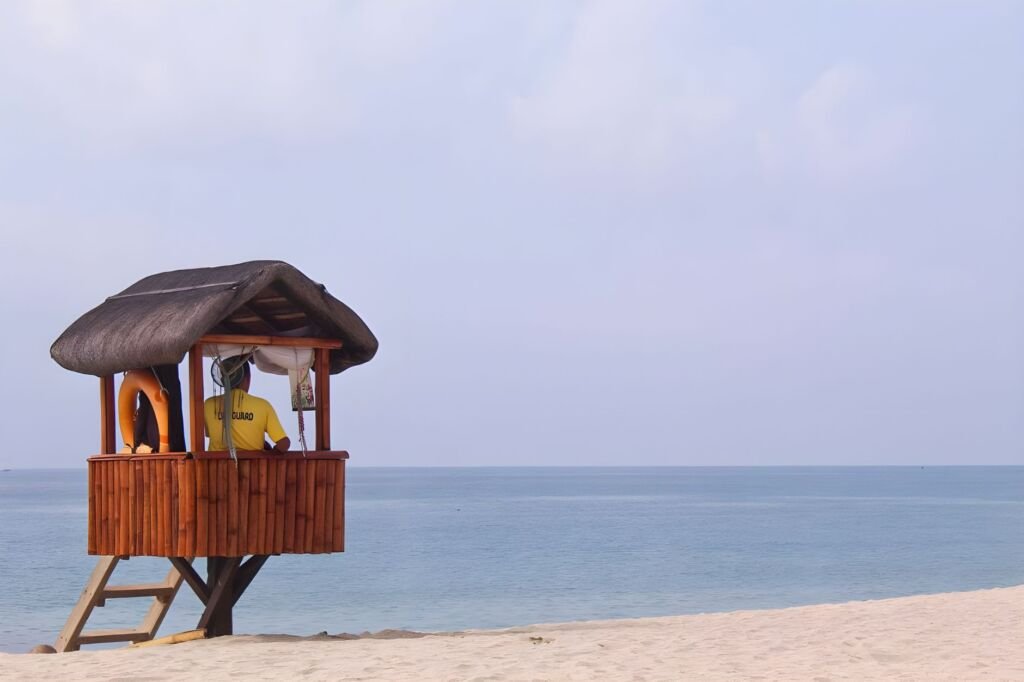
In addition to adult supervision, consider using safety measures like pool fences or barriers to prevent children from accessing water when unsupervised. For public places such as beaches, ensure your children stay within designated swimming areas where lifeguards are present.
Teach Kids to Swim
Teaching your children to swim is one of the most valuable skills you can impart. The American Academy of Pediatrics recommends that children can begin formal swimming lessons as early as age one. Swimming lessons can help children develop water confidence and learn essential skills to keep themselves safe.
Look for swimming programs that are age-appropriate and taught by certified instructors. These classes will often teach children not only how to swim but also how to handle themselves in various water situations, such as floating on their backs, treading water, and reaching for safety.
As your child progresses in their swimming abilities, encourage regular practice. Frequent exposure to water in a safe environment can help reinforce their skills and comfort level. Remember that every child learns at their own pace, so be patient and supportive as they develop their swimming abilities.
Use Life Jackets Appropriately
Life jackets are essential safety devices, especially for young children. Always ensure that your child wears a properly fitted life jacket when participating in activities like boating or swimming in open water. This applies even if they are skilled swimmers, as unexpected situations can arise.
When choosing a life jacket, make sure it meets U.S. Coast Guard standards and is appropriate for your child’s weight and size. Check for proper fitting by ensuring that the jacket is snug but not too tight, and that the child cannot slip out of it. If it’s too loose, it may not provide adequate support.
In addition to life jackets, consider using other flotation devices in pools, such as noodles or inflatable rafts, but remember that these are not substitutes for life jackets. Always supervise children wearing any flotation device.
Learn CPR and First Aid
In the event of an emergency, knowing how to perform CPR and basic first aid can save lives. It’s wise for parents and caregivers to take certified CPR and first aid courses, especially if you frequently engage in water activities.
Many organizations, including the American Red Cross, offer courses that teach essential skills. These courses educate how to respond to various emergencies, including drowning, and how to provide immediate care until professional help arrives.
In addition to CPR, familiarize yourself with other first aid techniques, such as treating cuts, scrapes, and heat-related illnesses. Having this knowledge can provide peace of mind and better prepare you to handle emergencies if they arise.
Setting Boundaries and Rules
Establishing clear rules for water safety is essential. These rules should be communicated to all family members, and everyone should understand their importance. Rules may include:
- No running near the pool or water’s edge.
- Always ask an adult before going into the water.
- Stay within designated swimming areas.
- Do not dive or jump into water unless it is safe to do so.
- Never swim alone. Always have a buddy.
Make these rules a part of your family’s routine. Remind children of the rules before engaging in water activities and reinforce them regularly. Consistency will help children internalize these guidelines, keeping safety at the forefront of their minds.
Watch for Weather Conditions
Weather conditions can change rapidly, particularly near bodies of water. Always be aware of the weather forecasts before heading out for a day of swimming or boating. Thunderstorms, high winds, and sudden changes in temperature can create dangerous situations.
If you are at the beach, look out for warning flags that indicate water conditions. Red flags typically mean that swimming is prohibited due to dangerous conditions like high surf or rip currents. Respect these warnings and ensure your family understands the significance of adhering to them.
In addition, keep a close eye on your children for signs of fatigue or distress in the water. Swimming can be exhausting, and children may not recognize when they need to take a break. Encourage regular rest periods and hydration, especially on hot days.
Frequent Safety Drills
Conducting regular safety drills can help reinforce your family’s commitment to water safety. These drills can include practicing how to respond in case of an emergency, such as what to do if someone is struggling in the water or how to use flotation devices.
Involve your children in these drills, allowing them to take part in discussions and decision-making regarding safety. This engagement will help them feel empowered and more likely to remember what to do during a real emergency.
Consider using family swim days to incorporate these drills into your routine. Make it a fun and educational experience while ensuring everyone understands the importance of water safety.
Creating a Water Safety Culture at Home
Establishing Open Communication
Creating a culture of water safety within your family begins with open communication. Encourage your children to express their feelings and fears about water activities. By fostering this dialogue, you can address their concerns and reinforce the importance of safety. Discussing potential dangers in a calm and informative manner helps children understand the significance of the rules without instilling unnecessary fear.
Make it a habit to hold regular family meetings where water safety is a key topic. During these discussions, you can review safety practices, share experiences, and remind everyone of the rules. This not only keeps safety at the forefront but also allows for adjustments based on your family’s evolving needs and experiences.
Encouraging Responsibility
Empowering children with responsibility regarding their own safety is essential. Teach them to recognize unsafe situations and encourage them to speak up if they feel uncomfortable. This not only builds their confidence but also instills a sense of ownership over their safety. You can set up a system where older children are responsible for younger siblings, ensuring they look out for each other while in or near the water.
- Older siblings should always keep an eye on younger ones.
- Assign specific roles during family outings, such as a designated lookout.
- Create a checklist for safety equipment before heading to the pool or beach.
Implementing Consistent Safety Practices
Consistency is crucial in reinforcing water safety rules. Establish clear routines for approaching water activities, such as checking safety equipment before use or conducting a headcount before swimming. This consistency helps normalize safety practices, making them second nature for your children.
Consider using visual reminders, such as posters or signs around your home and pool area, to reinforce rules. These reminders can serve as prompts for both children and adults, ensuring that safety remains a priority at all times.
The Role of Technology in Water Safety
Utilizing Water Safety Apps
In today’s digital age, technology can significantly enhance water safety. Numerous apps are designed to educate families about water safety and provide real-time assistance. For instance, some apps offer tips on water safety, swimming techniques, and emergency procedures, while others provide location-based alerts for hazardous weather conditions.
Look for apps that include features such as:
- Interactive swimming lessons tailored for different age groups.
- Emergency contact lists that are easily accessible.
- Weather alerts for severe conditions like thunderstorms or high waves.
Smart Wearable Devices
Wearable technology has become increasingly popular in promoting safety. Devices such as smart life jackets, swim watches, and even GPS-enabled swim bands can offer peace of mind for parents. These gadgets can track children’s locations, monitor water temperature, and provide alerts in case of emergencies.
When selecting a wearable, consider the following features:
- Waterproof rating suitable for your intended use.
- Battery life appropriate for extended outings.
- Emergency alert systems that notify guardians when needed.
Social Media and Community Resources
Social media can be a valuable tool for staying informed about local water safety events and resources. Many community organizations and local authorities share information on safe swimming practices, upcoming safety courses, and family-friendly water activities. Joining local parenting groups can also provide insights and shared experiences regarding water safety.
Utilize social media for:
- Finding local swimming classes or safety workshops.
- Connecting with other families to share tips and resources.
- Staying updated on community water safety initiatives.
Understanding Different Water Environments
Pool vs. Open Water Safety
Understanding the differences between pool and open water safety is essential for families. Pools generally have controlled environments, but they still pose unique risks such as slips and falls. Open water, including lakes and oceans, introduces additional hazards like currents, tides, and wildlife. Teaching children the specific risks associated with each environment can help them navigate safely.
Key distinctions include:
- In pools, emphasize the importance of not running and following depth markers.
- In open water, teach kids to stay close to shore and be aware of changing tides.
- Both environments require constant supervision, but open water may necessitate additional caution regarding wildlife encounters.
Recognizing Hidden Dangers
Water environments can hide dangers that are not immediately obvious. For example, in lakes, submerged objects can pose a risk, while ocean currents can be strong and unpredictable. Educate your children about potential hazards, such as rip currents and underwater obstacles, and teach them how to respond appropriately.
Some tips for recognizing hidden dangers include:
- Learning to identify rip currents and how to escape them.
- Understanding local wildlife and the potential risks they pose.
- Checking water clarity to assess visibility and avoid submerged hazards.
Age-Appropriate Water Activities
Different ages require different types of water activities to ensure safety and enjoyment. Younger children may benefit from shallow water play, while older kids can engage in more adventurous activities like snorkeling or kayaking. Tailoring activities to their developmental stage ensures they are both safe and appropriately challenged.
Consider these age-appropriate activities:
- Infants and toddlers: Splash pads and shallow kiddie pools.
- Preschoolers: Supervised play in shallow sections of the pool.
- School-age children: Swimming lessons and supervised boating.
Related reading: Childproofing Your Home Room by Room for Safety.
Trusted sources: HealthyChildren.org (American Academy of Pediatrics), HealthyChildren.org: Toddler.
Frequently Asked Questions
What age should my child start swimming lessons?
The American Academy of Pediatrics recommends that children can begin swimming lessons as young as one year old. However, readiness can vary by child, so assess your child’s comfort and skills before enrolling them in classes.
How do I choose a life jacket for my child?
When selecting a life jacket, ensure it is U.S. Coast Guard approved and fits your child’s weight and size. The jacket should be snug but not overly tight, preventing slipping out while ensuring comfort.
What should I do if my child is struggling in the water?
If you notice your child struggling in the water, immediately enter the water if safe, or reach for them using a flotation device. Call for help if needed, and remember to perform CPR if they are unresponsive.
How can I teach my child about water safety?
Engage your child in conversations about water safety rules, keep it fun, and involve them in safety drills. Using books, games, and practical experiences can reinforce lessons about being safe around water.
The Bottom Line
Water activities are an enjoyable aspect of family life, but safety should always be a priority. By implementing effective water safety rules, teaching swimming skills, and remaining vigilant, you can ensure that your family enjoys a safe and fun experience around water. Remember that every family is unique, and it’s essential to assess your specific needs and circumstances to create a safe environment for your loved ones.
Childproofing your home can further enhance your family’s safety by preventing accidents in various environments.
Was this article helpful?
Thanks for letting us know! Your feedback helps us make our articles better.

Writer at Apparently a Parent, covering the everyday joys and challenges of raising a family.



2 Responses