What Parents Should Know About Childhood Burns
Learn essential information about childhood burns, prevention tips, and treatment options to keep your child safe and healthy.

In this article
Key takeaways
- Understand different types of burns children may experience.
- Learn effective prevention strategies for burn incidents.
- Recognize when to seek medical help for burns.
- Foster an environment of safety and awareness.
Understanding Childhood Burns
As a parent, your primary concern is your child’s safety and well-being. Understanding the nature of childhood burns is a key part of that responsibility. Burns can occur in various ways, from hot liquids to fire, and each type can have different implications for your child.
Burns are classified into three main categories: first-degree, second-degree, and third-degree. Each type varies in severity and treatment approach. First-degree burns affect only the outer layer of skin and are characterized by redness and minor pain. Second-degree burns damage deeper layers, causing blisters and more intense pain. Third-degree burns are the most severe, destroying all layers of skin and potentially affecting underlying tissues.
According to the American Academy of Pediatrics, burns are among the leading causes of unintentional injury in children. Understanding how these injuries occur can help you take proactive measures to prevent them. The most common sources of burns for children include hot liquids, flames, contact with hot objects, and sun exposure.
Common Causes of Burns in Children
Burns can occur in various environments, and being aware of these can help you protect your child. Here are some common causes of childhood burns:
- Scalds: Hot liquids, such as boiling water or hot coffee, can cause severe burns. Young children are particularly vulnerable because they may pull hot drinks off tables or reach for hot items.
- Flames: Open flames from matches, lighters, or fireplaces can easily ignite clothing or hair. Teaching children about fire safety is crucial.
- Contact burns: Touching hot objects, such as stoves or irons, can cause burns. Keeping these items out of reach and using safety covers can minimize risks.
- Sunburn: Prolonged exposure to the sun can lead to painful burns. Applying sunscreen and encouraging shade-seeking behaviors can prevent sunburn.
Understanding these causes allows you to implement specific preventive measures tailored to your household. For example, keeping hot liquids out of reach or using child-safe lighters can greatly reduce the risk of burns.
Prevention Strategies for Childhood Burns
While accidents can happen, many burns are preventable with proper safety measures. Here are several strategies that can help you keep your child safe:
- Kitchen safety: Always supervise your child in the kitchen. Use back burners on the stove and turn pot handles inward to prevent accidental spills. Consider using stove guards to create a barrier.
- Fire safety: Teach your child about fire safety, including not playing with matches or lighters. Keep these items out of reach. Install smoke detectors in your home and practice fire drills.
- Sun protection: Apply sunscreen with a high SPF before outdoor activities, reapplying as needed. Dress your child in protective clothing, including hats and sunglasses, to shield them from harmful UV rays.
- Bathroom precautions: Always check the water temperature before bathing your child. Set your water heater to a maximum of 120°F (49°C) to prevent scalding.
The earlier you start teaching your child about safety, the better equipped they will be to avoid dangerous situations. Regular discussions and role-playing can reinforce these concepts.
Recognizing the Severity of Burns
Not all burns require medical attention, but knowing when to seek help is essential. Here’s how to assess the severity of a burn:
- First-degree burns: If your child has a red, painful area without blisters, it is likely a first-degree burn. These can often be treated at home with soothing ointments and cool compresses.
- Second-degree burns: Blisters are a sign of a second-degree burn. If your child has blisters or the burn area is large, seek medical attention. These burns can require more intensive care to prevent infection.
- Third-degree burns: If the skin appears white, charred, or leathery, this indicates a third-degree burn. This type of burn can be life-threatening and requires immediate medical attention.
As a parent, it’s vital to trust your instincts. If you’re ever unsure about the severity of a burn, it’s better to consult with a healthcare professional. The American Academy of Pediatrics recommends having a pediatrician’s contact information readily available for these situations.
First Aid Steps for Burns
Knowing how to respond to a burn can greatly affect your child’s recovery. Here are the recommended first aid steps for treating burns:
- Cool the burn: Immediately place the burn under cool running water for 10-20 minutes. This helps reduce pain and limits the burn’s depth.
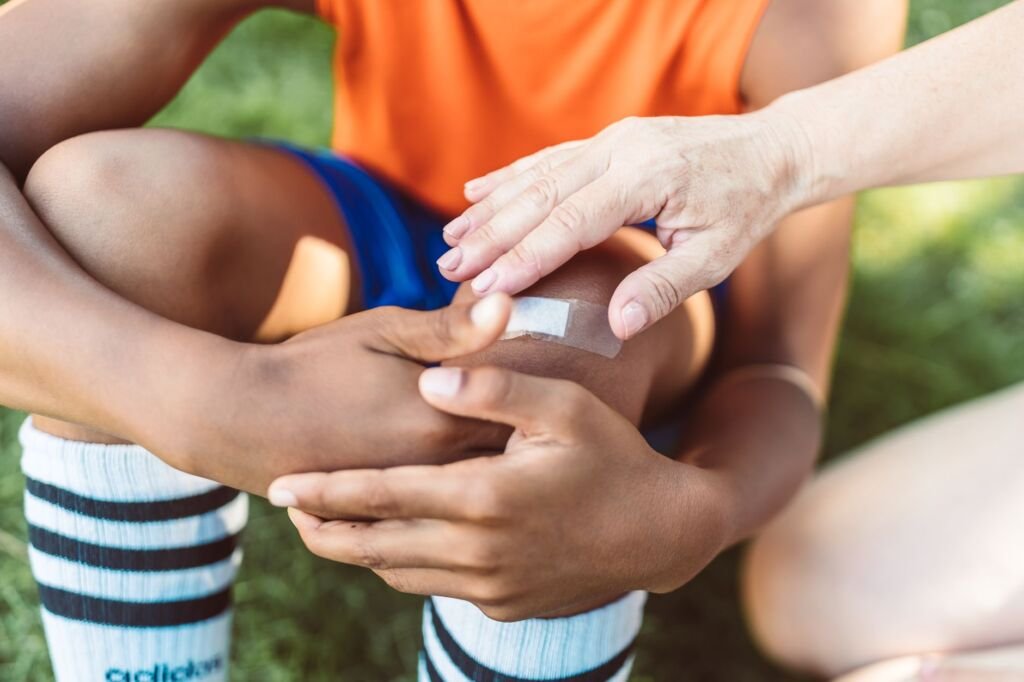
- Cover the burn: After cooling, gently pat the area dry and cover it with a clean, non-stick bandage. Avoid using cotton balls or other materials that may stick to the burn.
- Avoid home remedies: Do not apply ice, butter, or ointments to the burn as these can worsen the injury or cause infection.
- Monitor for infection: Keep an eye on the burn for signs of infection, such as increased redness, swelling, or pus. If any of these occur, consult your pediatrician.
Having a basic understanding of first aid can empower you to respond effectively in high-stress situations. Consider taking a first aid and CPR course to further enhance your skills.

When to Seek Professional Medical Help
Knowing when to consult a medical professional is crucial for your child’s safety. Here are specific situations when you should seek help:
- Burns larger than three inches: If the burn covers a substantial area, it may require specialized treatment.
- Burns on the face, hands, or genitals: These areas are particularly sensitive and may require careful medical evaluation.
- Signs of infection: If you notice increased redness, swelling, or pus, seek medical advice immediately.
- Burns that do not heal: If the burn does not show signs of improvement within a few days, have it checked by a doctor.
Always err on the side of caution when it comes to your child’s health. If in doubt, consult your pediatrician for guidance.
Understanding the Psychological Impact of Burns on Children
Emotional Responses to Burn Injuries
Burn injuries can have profound psychological effects on children, often leading to feelings of anxiety, depression, and low self-esteem. The trauma of experiencing a painful injury can be exacerbated by the visible scars that may remain long after the physical healing has occurred. Children might struggle with their body image, especially during their formative years, which can affect their social interactions.
Parents should be aware that emotional responses can vary dramatically based on a child’s age, personality, and prior experiences. Younger children may not fully understand the permanence of their injuries, while older children may feel embarrassment or shame. Encouraging open discussions about feelings can help children process their experiences in a healthy manner.
Support Systems and Resources
Building a strong support system is crucial for children recovering from burns. Parents can play a pivotal role in fostering resilience and emotional recovery. Here is a list of resources available for families dealing with the aftermath of burn injuries:
- Support groups for burn survivors
- Therapists specialized in trauma and injury recovery
- Online forums and communities
- Workshops on coping strategies
- Books and literature on emotional healing after burns
Involving peer support can also be beneficial, as children may feel less isolated when they interact with others who have had similar experiences. Connecting with local burn centers can provide opportunities for children to meet others and share their stories.
Long-term Psychological Support
It’s important for parents to recognize that the psychological impact of a burn injury may not resolve quickly. Long-term follow-up with mental health professionals can help address ongoing issues such as post-traumatic stress disorder (PTSD). Parents can work collaboratively with professionals to create a tailored plan that addresses their child’s unique emotional needs.
Additionally, therapy options such as cognitive-behavioral therapy (CBT) can be effective in helping children manage their thoughts and feelings. Parents should be proactive in seeking help if they notice changes in their child’s behavior, such as withdrawal from activities or increased irritability.
Burn Rehabilitation and Physical Recovery
The Importance of Rehabilitation
Rehabilitation plays a critical role in the physical recovery of children after burn injuries. The process often involves physical therapy to restore movement and flexibility, especially if the burns have resulted in scarring or contractures. Early intervention is key to preventing long-term disabilities and ensuring optimal recovery.
Parents should work closely with healthcare providers to develop a comprehensive rehabilitation plan that includes:
- Regular physical therapy sessions
- Occupational therapy for daily living skills
- Scar management techniques
- Hydrotherapy to ease discomfort and promote healing
- Use of compression garments to minimize scarring
Monitoring Physical Changes
During the recovery process, monitoring changes in the skin and overall physical health is essential. Parents should observe for signs of infection, changes in scar tissue, or limitations in mobility. Regular follow-ups with a pediatrician or specialist can help track progress and make necessary adjustments to the rehabilitation plan.
Engaging in activities that encourage movement, such as swimming or playing sports tailored to the child’s abilities, can also support physical recovery. These activities not only aid in rehabilitation but can also boost a child’s morale and sense of normalcy.
Nutrition and Healing
Nutrition plays a vital role in the healing process for children recovering from burns. A well-balanced diet rich in vitamins and minerals can enhance skin healing and overall recovery. Parents should focus on incorporating foods that support healing, including:
- Lean proteins (chicken, fish, tofu)
- Fruits and vegetables (rich in vitamins A, C, and E)
- Whole grains (brown rice, whole wheat bread)
- Healthy fats (avocado, nuts, olive oil)
Consulting with a pediatric nutritionist can provide tailored dietary advice to ensure that children receive the necessary nutrients for optimal recovery.
Community Resources and Support for Families
Local and National Support Organizations
Families coping with the aftermath of childhood burns can benefit from various community and national organizations dedicated to providing support and resources. These organizations often offer educational materials, counseling services, and financial assistance for families in need. Some valuable resources include:
- The American Burn Association
- Burn survivors support groups
- Local burn centers with outreach programs
- Nonprofits that provide financial assistance for medical bills
- Public health initiatives focused on burn prevention and education
Creating Awareness and Advocacy
Raising awareness about childhood burns is essential for prevention and support. Parents can engage in advocacy efforts by participating in local events, promoting burn safety education in schools, and sharing their experiences with the community. Becoming involved in advocacy can empower families and help reduce stigma associated with burn injuries.
Additionally, organizing or participating in fundraising events for burn-related charities can provide crucial support for programs dedicated to burn recovery and prevention. This involvement can also foster a sense of community among families facing similar challenges.
Building a Network of Support
Connecting with other families who have experienced burn injuries can provide emotional support and practical advice. Parents can create or join local support groups to share experiences, coping strategies, and resources. Online platforms and social media groups can also serve as valuable spaces for connection and support.
In conclusion, fostering a community of support is crucial for the emotional and physical recovery of children with burn injuries. Parents should actively seek out resources, connect with others, and advocate for awareness to create a supportive environment for their children.
Related reading: CPR Basics Every Parent Should Know for Child Safety and How to Make Time for Yourself as a Parent.
Trusted sources: HealthyChildren.org (American Academy of Pediatrics), HealthyChildren.org: Toddler.
Frequently Asked Questions
What can I do to prevent my child from getting burned?
Implement safety measures such as keeping hot liquids out of reach, teaching fire safety, and applying sunscreen during outdoor activities.
How can I treat a minor burn at home?
Cool the burn under running water, cover it with a clean bandage, and avoid applying ice or ointments. Monitor for signs of infection.
When should I take my child to the emergency room for a burn?
Seek immediate medical attention for burns larger than three inches, burns on sensitive areas, or if signs of infection develop.
Are there any long-term effects of burns?
Severe burns can lead to scarring or other complications. Early and appropriate treatment can help minimize these risks.
The Bottom Line
Understanding childhood burns is an essential part of keeping your child safe. By being aware of common causes, implementing preventive measures, and knowing how to respond effectively, you can greatly reduce the risks associated with burns. Remember, every family is different, so tailor your safety strategies to fit your individual needs. Always feel empowered to reach out to your pediatrician for guidance and support. Your child’s safety and health are worth it.
Was this article helpful?
Thanks for letting us know! Your feedback helps us make our articles better.

Writer at Apparently a Parent, covering the everyday joys and challenges of raising a family.