CPR Basics Every Parent Should Know for Child Safety
Learn essential CPR basics every parent should know to ensure your child's safety in emergencies. Empower yourself with life-saving skills today.

In this article
Key takeaways
- Understanding CPR can save lives.
- Learn the differences in CPR for adults and children.
- Regular practice is essential for retaining skills.
- Always call for emergency help first in real situations.
Introduction to CPR
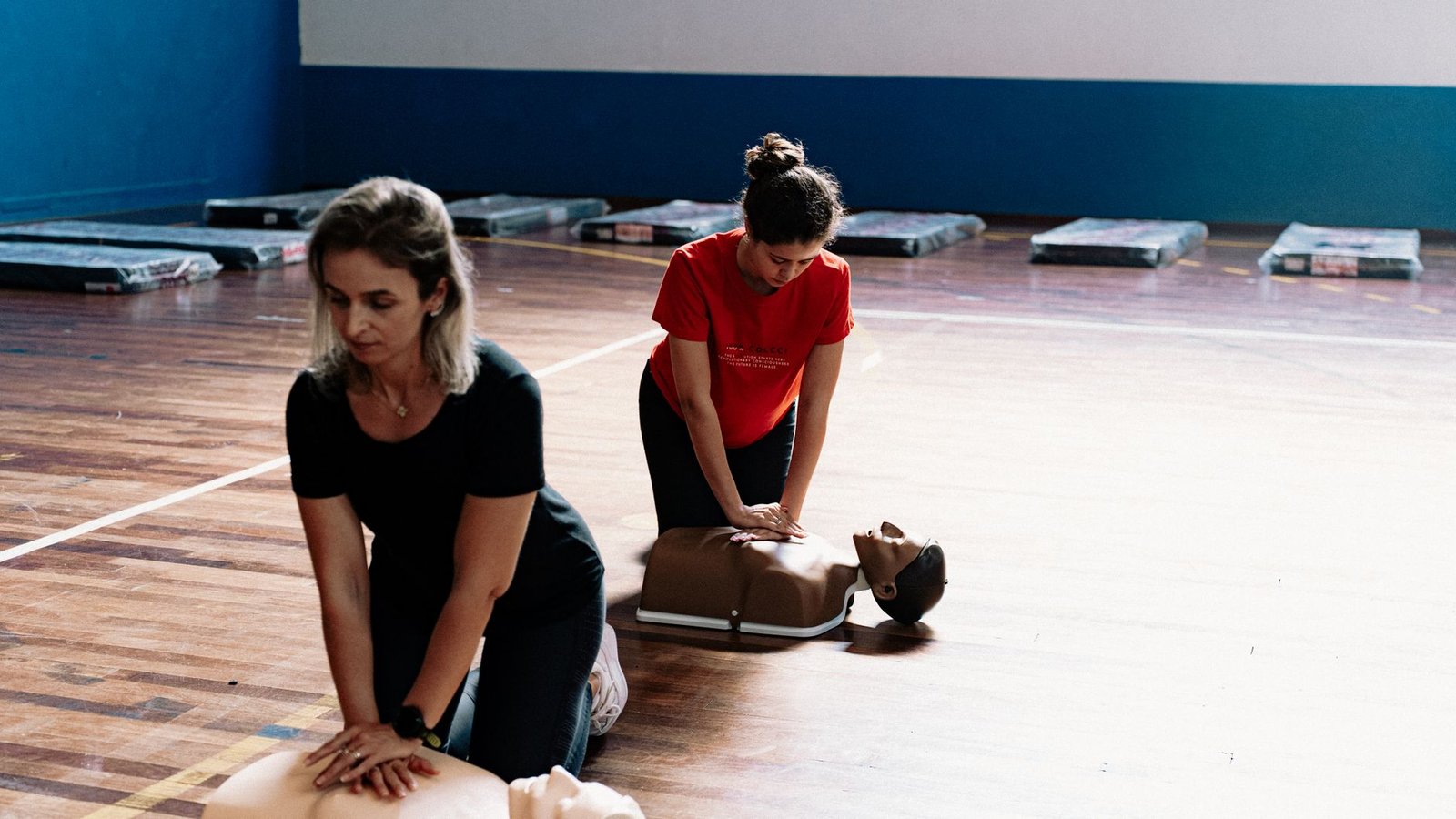
As a parent, understanding CPR basics is vital for ensuring your child’s safety. Emergencies can happen in an instant, and knowing how to respond can make a significant difference. CPR, or cardiopulmonary resuscitation, is a lifesaving technique used in emergencies when someone’s breathing or heartbeat has stopped. It can be the difference between life and death, and being equipped with this knowledge can empower you to act swiftly and effectively.
Every child and family is different, and each situation may require a unique approach. Therefore, it’s essential to familiarize yourself with CPR techniques specific to children, as they differ from those used for adults. Whether your child is an infant, toddler, or older, knowing the appropriate steps can help you feel more confident in your ability to help them in a crisis.
This article will guide you through the CPR basics every parent should know, breaking it down into manageable sections. You will learn how to recognize emergencies, perform CPR, and when to seek professional help. Remember, regular practice and updates on techniques are crucial, as guidelines may change.
Recognizing When CPR is Needed
Before diving into the specifics of performing CPR, it’s important to recognize when it is necessary. CPR is required when a child is unresponsive and not breathing or not breathing normally. Some signs to look out for include:
- Unconsciousness or unresponsiveness
- Absence of normal breathing (gasping may occur)
- Color changes in the skin, especially a bluish tint around the lips or face
- Signs of severe distress, such as clutching the chest or throat
In any of these situations, acting quickly is essential. If you suspect your child requires CPR, call for emergency assistance immediately while preparing to perform the procedure. Remember, time is critical in emergencies.
Understanding the Importance of CPR
CPR is designed to maintain blood flow to the brain and other vital organs until medical professionals arrive. According to the American Heart Association, effective CPR can double or even triple a victim’s chance of survival. This is particularly true when performed immediately after cardiac arrest or drowning incidents.
For parents, mastering CPR skills not only builds confidence but also fosters a sense of preparedness. Knowing that you have the ability to save your child’s life can alleviate some of the anxiety surrounding parenting. Regularly reviewing and practicing CPR techniques keeps your skills fresh and ready for emergencies.
Steps to Perform CPR on Infants
The steps to perform CPR on infants (ages 0-1 year) differ slightly from those for older children and adults. Here’s a step-by-step guide to help you:
Step-by-Step CPR for Infants
- Check responsiveness: Gently tap the infant and shout their name. If there is no response, proceed to the next step.
- Call for help: If you are alone, call 911 before starting CPR. If someone is with you, have them call for help while you proceed.
- Position the infant: Place the infant on a firm, flat surface, such as a table or the floor.
- Open the airway: Place one hand on the infant’s forehead and gently tilt their head back. Use two fingers to lift the chin.
- Give breaths: Pinch the infant’s nose shut, cover their mouth with yours, and give two gentle breaths, each lasting about one second.
- Perform chest compressions: Using two fingers, compress the center of the infant’s chest just below the nipple line. Push down hard and fast, allowing the chest to fully recoil between compressions. Aim for 30 compressions followed by 2 breaths.
- Continue the cycle: Repeat the cycle of 30 compressions and 2 breaths until help arrives or the infant shows signs of life.
It’s crucial to remember that the depth of compressions for infants should be about 1.5 inches, and the rate should be around 100-120 compressions per minute. You may also want to consider taking a certified CPR course to practice these skills in a controlled environment.
Steps to Perform CPR on Children
For children aged 1 to 8 years, the CPR techniques are slightly modified compared to those for infants. Here’s what you need to know:
Step-by-Step CPR for Children
- Check responsiveness: Tap the child’s shoulder and shout to see if they respond.
- Call for help: If unresponsive, call 911 or have someone else call while you begin CPR.
- Position the child: Have the child lie flat on their back on a firm surface.
- Open the airway: Tilt the head back slightly and lift the chin.
- Give breaths: Pinch the child’s nose shut, cover their mouth with yours, and give two breaths, each lasting about one second.
- Perform chest compressions: Use one hand for children over 8 years and two hands for those younger. Compress down at least 2 inches at a rate of 100-120 compressions per minute.
- Continue the cycle: Alternate 30 chest compressions with 2 rescue breaths until help arrives or the child shows signs of life.
Always ensure that your compressions are strong and fast, as this is crucial for maintaining blood flow to vital organs. The technique may seem simple, but it is vital to practice regularly.
CPR for Adults
While your primary focus may be your child, knowing how to perform CPR on adults is equally important. The steps are generally the same as those for children but differ slightly in approach.
Step-by-Step CPR for Adults
- Check responsiveness: Shake the adult gently and shout to see if they respond.
- Call for help: If unresponsive, call 911 immediately.
- Position the adult: Place them on their back on a firm, flat surface.
- Open the airway: Tilt the head back and lift the chin.
- Give breaths: Pinch the nose, cover their mouth with yours, and give two breaths, each lasting about one second.
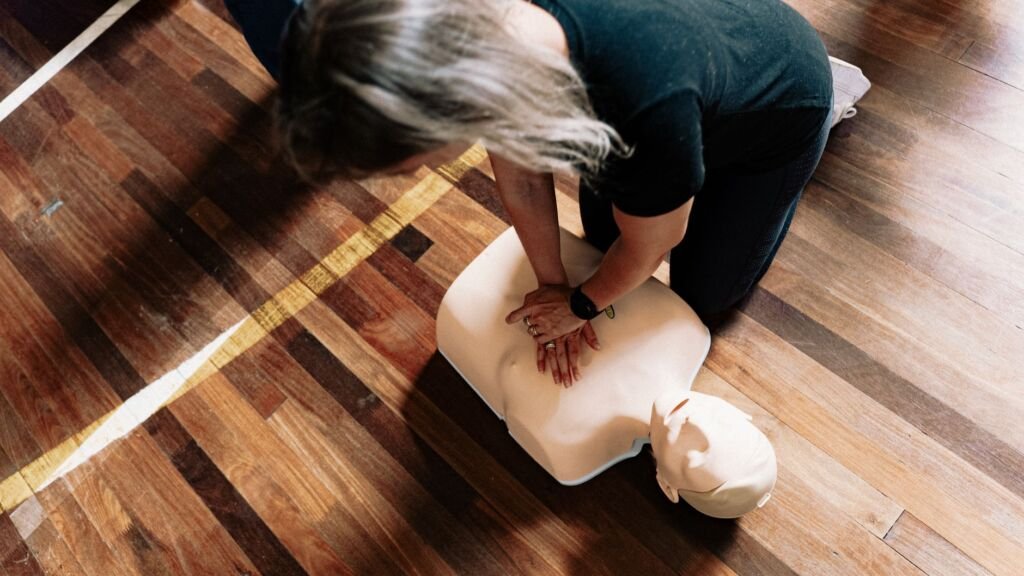
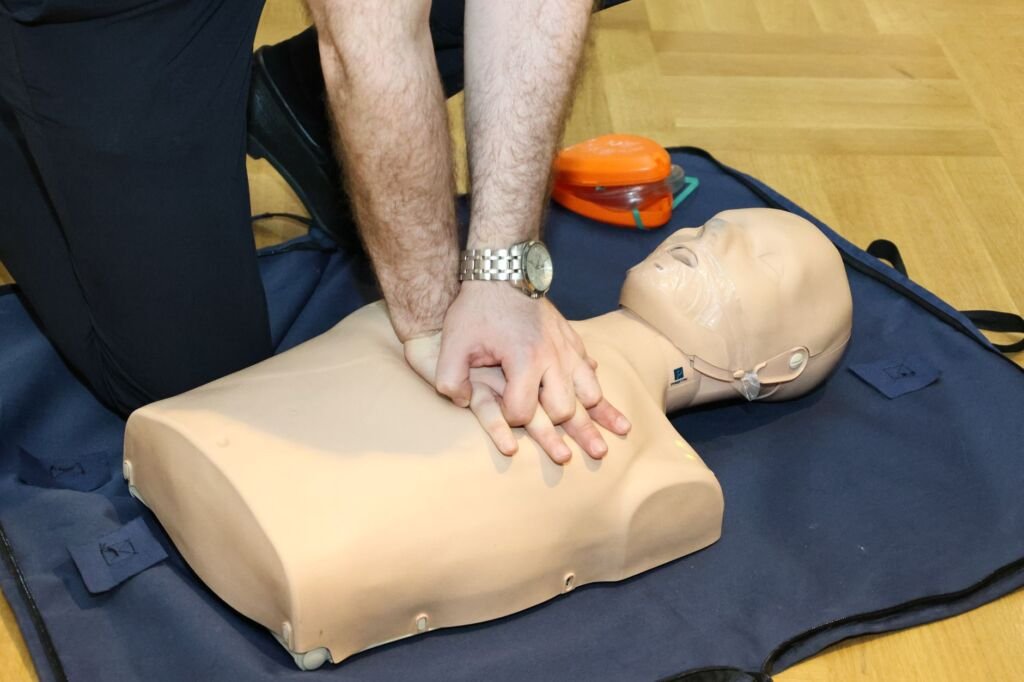
- Perform chest compressions: Use both hands, interlocking your fingers, and compress down at least 2 inches at a rate of 100-120 compressions per minute.
- Continue the cycle: Perform 30 chest compressions followed by 2 rescue breaths until emergency services arrive.
For adults, the depth is crucial, and you should aim for about 2 inches of compression depth. Regularly practicing these techniques through a CPR course can enhance your confidence and preparedness.

The Importance of CPR Training
While knowing CPR basics is incredibly valuable, formal training is essential. CPR certification courses are available through organizations like the American Heart Association and the Red Cross. These courses offer hands-on practice and updated information, ensuring you are well-prepared for emergency situations.
Consider enrolling in a local CPR class that includes both adult and pediatric training. Many hospitals and community organizations offer these courses, often at little or no cost. It’s a great way to connect with other parents while gaining critical life-saving skills.
In addition to formal training, you may find it beneficial to participate in refreshers regularly. Skills can fade over time, and staying up-to-date with the latest guidelines ensures you are ready when it matters most.
Understanding Choking Hazards
Common Choking Hazards for Children
Choking is a leading cause of injury among children, and understanding the common hazards can help parents take preventive measures. Foods are often the primary culprits, with small, hard items posing the greatest risk. Common choking hazards include:
- Grapes
- Hard candies
- Popcorn
- Hot dogs
- Nuts
- Chunks of meat or cheese
- Raw vegetables
In addition to food, small toys and household items can also be choking hazards. Items such as coins, small batteries, and even pieces of toys can easily fit into a child’s mouth, leading to choking. Parents should regularly assess their child’s environment and remove or secure any small objects that could pose a risk.
Preventive Measures to Reduce Choking Risks
Preventing choking incidents involves a combination of supervision and education. Here are some strategies parents can implement to minimize choking risks:
- Always supervise young children during meals and snacks.
- Teach children proper eating habits, such as chewing food thoroughly and not talking while eating.
- Cut food into small, manageable pieces, especially for younger children.
- Keep small toys and objects out of reach of infants and toddlers.
- Educate older children about the dangers of sharing food and playing with small items.
By being vigilant and teaching children about choking hazards, parents can significantly reduce the risk of choking incidents at home and in public settings.
What to Do If a Child is Choking
If a child is choking, it is crucial to act quickly and calmly. Here are the steps to take if a child is unable to breathe, cough, or speak:
- Encourage the child to cough if they can, as this can help dislodge the object.
- For infants under one year, use back blows and chest thrusts. Hold the infant face down on your forearm, delivering five gentle back blows between the shoulder blades. If this doesn’t work, turn the infant face up and give five chest thrusts using two fingers just below the nipple line.
- For children over one year, give five back blows followed by five abdominal thrusts (Heimlich maneuver) until the object is dislodged.
- If the child loses consciousness, call emergency services immediately and begin CPR if you are trained to do so.
Staying calm and following these steps can help resolve choking emergencies effectively.
First Aid for Common Childhood Injuries
How to Handle Cuts and Scrapes
Cuts and scrapes are common among children, especially those who are active. Proper first aid can prevent infections and promote healing. Here’s how to treat a cut or scrape:
- Wash your hands thoroughly before treating a wound.
- Clean the cut or scrape with mild soap and water; avoid using alcohol or hydrogen peroxide, as they can irritate the skin.
- Apply an antibiotic ointment to prevent infection.
- Cover the wound with a sterile bandage or gauze to keep it clean.
- Change the dressing daily or whenever it becomes wet or dirty.
Monitor the injury for signs of infection, such as increased redness, swelling, or pus. If any of these occur, consult a healthcare professional.
Managing Burns in Children
Burns can happen easily, especially in a home environment. Knowing how to treat them properly is vital. Here’s a basic guide to treating minor burns:
- Immediately cool the burn under running cool (not cold) water for at least 10 minutes.
- Do not apply ice directly to the burn, as it can cause further damage.
- Cover the burn with a sterile, non-stick bandage or cloth.
- Do not pop blisters if they form, as this can lead to infection.
- For pain relief, consider giving appropriate doses of acetaminophen or ibuprofen, following the guidelines for your child’s age and weight.
If the burn is severe, or if it involves the face, hands, or genitals, seek medical attention immediately.
Recognizing and Responding to Allergic Reactions
Allergic reactions can range from mild to severe and can occur in response to food, insect stings, medications, or other allergens. Here’s how to recognize and respond to an allergic reaction:
- Signs of a mild allergic reaction may include hives, itching, or nasal congestion.
- Severe reactions, known as anaphylaxis, can cause difficulty breathing, swelling of the throat, rapid heartbeat, and loss of consciousness.
If you suspect your child is having a severe allergic reaction, call emergency services immediately. If the child has a known allergy, and you have an epinephrine auto-injector (EpiPen), administer it as directed. Always follow up with a healthcare provider after any allergic reaction.
Emergency Preparedness for Parents
Creating an Emergency Plan
Having a well-thought-out emergency plan can make a significant difference during a crisis. Here are key components every family should include in their emergency plan:
- Identify emergency contacts, including neighbors, family members, and medical providers.
- Establish a safe meeting place in case of evacuation.
- Create a communication plan that includes how family members will contact each other during an emergency.
- Practice the plan regularly to ensure everyone knows their roles and responsibilities.
By preparing ahead of time, families can act swiftly and effectively in emergencies.
Assembling a Family First Aid Kit
A comprehensive first aid kit is an essential tool for parents. Here’s what to include in your family first aid kit:
- Adhesive bandages in various sizes
- Sterile gauze pads and adhesive tape
- Antibiotic ointment
- Scissors and tweezers
- Instant cold packs
- Pain relievers suitable for children
- Thermometer
- Emergency contact information and medical history
Regularly check and restock your first aid kit to ensure you are prepared for any situation.
Understanding Local Emergency Services
Familiarizing yourself with local emergency services is crucial. Know the following:
- The quickest route to the nearest hospital or urgent care center.
- Emergency numbers (e.g., 911 in the United States).
- How to access poison control centers in your area.
Keeping this information handy, either in your phone or printed and stored in your first aid kit, can save valuable time in an emergency.
Related reading: How to Make Time for Yourself as a Parent and Helping Your Child Overcome Their Fear of the Dark.
Trusted sources: HealthyChildren.org (American Academy of Pediatrics), HealthyChildren.org: Toddler.
Frequently Asked Questions
What is the best age to learn CPR?
There is no specific age limit for learning CPR. Many organizations offer courses for teens and adults, while some even provide child-specific training for parents and caregivers. The earlier you start learning, the more prepared you will be.
How often should I renew my CPR certification?
CPR certifications typically need to be renewed every two years. It’s a good idea to take a refresher course every year to keep your skills sharp.
Can CPR cause harm to the person receiving it?
While CPR can sometimes result in broken ribs or other injuries, it is better to risk potential injury than to do nothing when someone’s life is at stake. The benefits of performing CPR far outweigh the risks.
Are there any special considerations for performing CPR on a pregnant woman?
Yes, when performing CPR on a pregnant woman, you should tilt her to her left side to avoid putting pressure on the inferior vena cava, which can restrict blood flow. Otherwise, the steps are similar to those for adults.
The Bottom Line
Understanding CPR basics can empower you as a parent to act confidently in emergencies. By knowing how to recognize when CPR is needed and how to perform it effectively, you increase the chances of survival for your child and others. Regular practice and formal training are key components to ensuring you are prepared for any situation. Remember, every moment counts in emergencies, and your knowledge can make all the difference.
Was this article helpful?
Thanks for letting us know! Your feedback helps us make our articles better.

Writer at Apparently a Parent, covering the everyday joys and challenges of raising a family.




One Response