Childproofing Your Home Room by Room for Safety
Learn effective strategies for childproofing your home room by room to keep your little ones safe and secure.


In this article
Key takeaways
- Childproofing varies by age and needs.
- Focus on high-risk areas first.
- Regularly reassess safety as children grow.
- Involve your children in learning safety.
As a parent, ensuring your child’s safety is a top priority. One of the most effective ways to protect your little one is by childproofing your home. This process involves making adjustments in your living environment to minimize risks and hazards that could lead to accidents. Each room in your house presents unique challenges and opportunities for safety improvements, and understanding these can help you feel more confident in your protective measures.
Childproofing your home is not a one-size-fits-all approach. Every child is different, and their developmental stages will influence the kind of precautions you need to take. Infants, toddlers, and older children all have varying needs when it comes to safety. Therefore, it’s essential to regularly assess your child’s environment and adapt your strategies as they grow.
This guide will walk you through practical childproofing measures that you can implement room by room, ensuring that your home is a safe haven for your child to explore and grow.
Living Room Safety
The living room is often the heart of the home, where families gather and children play. However, it can also pose several dangers, especially with furniture, electronics, and decor. Start by removing or securing items that could be harmful.
- Secure Furniture: Anchor heavy furniture like bookshelves and dressers to the walls to prevent tipping.
- Cover Sharp Edges: Use foam corner guards on coffee tables or other furniture with sharp edges.
- Control Cords: Keep electrical cords out of reach and use cord covers to prevent entanglement.
Additionally, consider the potential hazards of your living room layout. Ensure that toys are organized and that pathways are clear to prevent tripping. Regularly check for small items that could be choking hazards. The American Academy of Pediatrics recommends keeping small objects out of reach of children under three years old.
Organizing Play Areas
Designate a specific area for play that is free from hazards. Use sturdy storage bins for toys to keep clutter to a minimum. Involving your child in organizing their toys can help them learn about safety and responsibility.
Kitchen Childproofing
The kitchen is often referred to as the most dangerous room in the house for children. With hot appliances, sharp utensils, and cleaning supplies, it’s crucial to take extra precautions here. Begin by ensuring that hazardous items are stored out of reach.
- Cabinet Locks: Install childproof locks on cabinets that contain cleaning supplies, medications, or sharp objects.
- Stove Safety: Use stove knob covers to prevent children from turning on burners. Keep pot handles turned inward to avoid accidental spills.
- Appliance Safety: Keep blenders, toasters, and other appliances unplugged when not in use, and store them in cabinets if possible.
Additionally, be mindful of food safety. Ensure that food items are stored securely and that choking hazards are minimized. Teaching your child about kitchen safety can also be beneficial as they grow older and begin to participate in cooking.
Bathroom Safety
The bathroom can be another area filled with potential dangers, particularly due to water hazards and sharp objects. To create a safe environment, start by evaluating the space.
- Water Temperature: Set your water heater to 120 degrees Fahrenheit or lower to prevent scalding.
- Non-Slip Mats: Place non-slip mats in and around the bathtub and sink to reduce the risk of falls.
- Toilet Locks: Install toilet seat locks to prevent drowning hazards.
Consider using a bath thermometer to ensure the water is a safe temperature for your child. Regularly supervise your child during bath time and never leave them unattended.

Bedroom and Nursery Precautions
Your child’s bedroom or nursery is a space for rest and play. However, it’s essential to ensure it remains a safe environment. Start by considering the furniture arrangements and items in the room.
- Crib Safety: Ensure the crib meets current safety standards and that the mattress fits snugly. Remove any soft bedding or toys that could pose a suffocation risk.
- Furniture Safety: Anchor heavy furniture to the wall to prevent tipping and avoid placing items on high shelves that could fall.
- Monitor Devices: If your child uses a monitor, ensure cords are tucked away to avoid strangulation risks.
As your child grows, transition from a crib to a bed safely. Use bed rails to prevent falls and encourage a clutter-free environment to minimize tripping hazards.
Outdoor Safety Measures
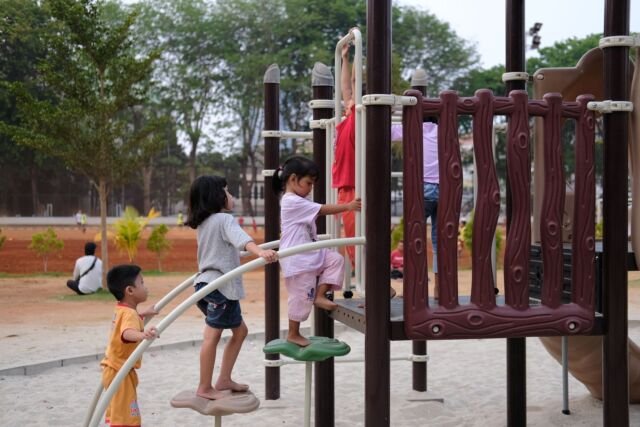
Outdoor play is a vital part of childhood development, but it also comes with its own set of risks. Before letting your child play outside, make sure the area is safe.
- Fencing: Install a fence around your yard to keep children safe from roads and unfamiliar animals.
- Play Equipment: Ensure that any playground equipment is age-appropriate and well-maintained.
- Supervision: Always supervise outdoor play, especially near water or busy streets.
Consider teaching your child outdoor safety rules, such as looking both ways before crossing the street. Encourage them to play in safe areas, such as backyards or designated playgrounds.

Technology and Media Safety
In today’s digital age, ensuring your child’s safety extends to technology use as well. Establishing guidelines for media consumption can help foster a safe online environment.
- Set Screen Time Limits: According to the American Academy of Pediatrics, children aged 2 to 5 should have no more than one hour of high-quality programming each day.
- Use Parental Controls: Implement parental controls on devices to restrict access to inappropriate content.
- Educate About Online Safety: Discuss the importance of not sharing personal information online and recognizing safe versus unsafe online behavior.
Involving your child in conversations about technology can empower them to make safe choices while using devices. For more on managing screen time, check out our article on toddler screen time.
Dining Room Safety Considerations
Secure Furniture and Appliances
The dining room often contains heavy furniture and appliances that can pose risks to young children. It’s essential to secure items like bookshelves, china cabinets, and large dining tables to the wall to prevent tipping. Use anti-tip brackets or straps, which are widely available at home improvement stores, to anchor these pieces securely. In addition, be mindful of tablecloths, as children may pull them, bringing down dishes, glasses, and other items, leading to injuries.
Consider the following list of items to secure or remove from your dining room:
- Heavy furniture (tables, cabinets)
- Sharp utensils and glassware
- Centerpieces or decorative items that can be pulled
Food Safety and Allergens
Another critical aspect of dining room safety is managing food storage and potential allergens. Ensure that any food items are out of reach of young children. Use childproof locks on cabinets where you store snacks, utensils, or cleaning supplies. Additionally, keep an eye on food allergies among your children and label any potential allergens clearly. This helps avoid accidental exposure and teaches children to recognize what they can and cannot eat.
Consider implementing the following practices:
- Store all food items at a height inaccessible to children.
- Clearly label all food products, especially those containing allergens.
- Teach children about food safety and what to avoid.
Distraction and Engagement
While dining, it’s essential to keep children engaged and distracted to prevent them from reaching for unsafe items. One approach is to create a designated children’s area at the dining table with safe toys or activities. This keeps their hands occupied and reduces the likelihood of them experimenting with potentially dangerous items like glassware or utensils.
Here are some ideas to keep children engaged during meals:
- Provide age-appropriate coloring books or puzzles.
- Involve them in meal preparation when safe.
- Use placemats with educational content to stimulate learning.
Entryway and Hallway Precautions
Floor Safety and Trip Hazards
The entryway and hallways are often overlooked when it comes to childproofing. However, these areas can pose significant trip hazards, especially with shoes, bags, and other clutter. Ensure that the entryway is clear of obstacles and that shoes are stored in designated bins or closets. Consider using non-slip mats to provide grip and prevent slips during rainy or snowy weather.
Take these steps to enhance safety in your entryway and hallways:
- Implement a shoe storage solution that keeps the floor clear.
- Use non-slip mats or carpets in entryways.
- Regularly check for and remove any trip hazards.
Safe Access to Outdoor Areas
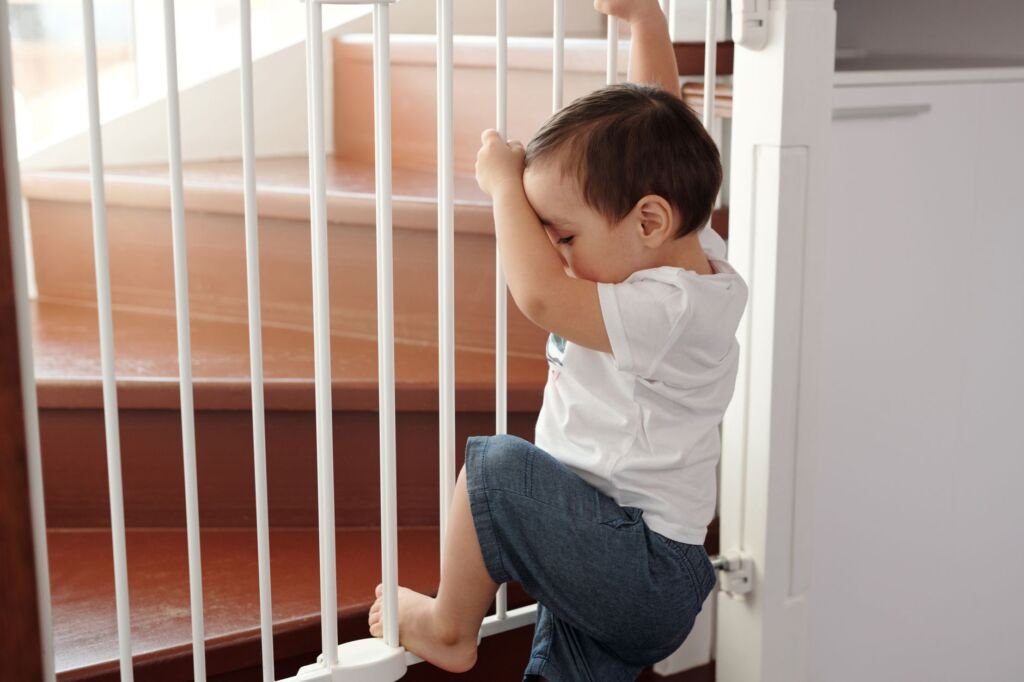
Many entryways lead to outdoor spaces, making it crucial to monitor access points. Install childproof gates at doors leading to outdoor areas, and ensure that any stairs are equipped with railings. Additionally, teach children about safe boundaries in outdoor settings, such as staying within the yard or designated play areas. Clear communication about outdoor rules can greatly enhance safety.
Key points to remember when securing outdoor access include:
- Install gates that are high enough to prevent climbing.
- Discuss outdoor safety rules with your children.
- Regularly inspect the outdoor area for hazards.
Emergency Preparedness
In case of emergencies, ensure that your family is prepared for any situation that may arise in the entryway or hallway. This includes having a clear and accessible plan for emergencies such as fire or intrusions. Designate a safe meeting place outside the home and practice emergency drills with your children. Make sure that everyone knows how to contact emergency services.
Establish these emergency preparedness measures:
- Develop and practice emergency exit plans.
- Keep emergency contact numbers visible and easily accessible.
- Educate children about recognizing emergency situations and how to respond.
Garage and Basement Safety
Hazardous Materials Management
The garage and basement often contain hazardous materials that can be toxic or dangerous to children. Store cleaning supplies, chemicals, and tools in locked cabinets or high shelves. Invest in childproof locks for cabinets that hold any hazardous items. Regularly check stored items to ensure they are not expired or leaking, and dispose of them safely.
Consider the following tips for managing hazardous materials:
- Always store chemicals in their original containers with labels intact.
- Use childproof locks on storage areas containing hazardous materials.
- Regularly inspect and properly dispose of expired items.
Tool and Equipment Safety
Tools and equipment stored in garages and basements can also pose risks. Ensure that any power tools are unplugged and stored out of reach. Create a designated area for tools that is locked or secured. Additionally, teach older children about the safe use of tools, emphasizing the importance of adult supervision.
Implement these safety measures for tools and equipment:
- Store tools in a locked cabinet or on high shelves.
- Unplug power tools when not in use.
- Provide education and supervision for older children using tools.
Preventing Falls and Injuries
Garages and basements may have stairs or uneven flooring, which can lead to falls. Make sure that staircases are well-lit and have handrails. Consider adding non-slip treads to stairs to provide better grip. Regularly inspect the flooring for hazards, and remove any clutter that could lead to tripping.
To prevent falls and injuries, consider these actions:
- Ensure staircases are well-lit and free from clutter.
- Add non-slip treads to stairs.
- Teach children to navigate stairs safely.
Related reading: Fever in Babies and Kids: When to Worry and What to Do.
Trusted sources: HealthyChildren.org: Toddler.
Frequently Asked Questions
What age should I start childproofing my home?
Childproofing should begin before your baby starts moving around. Infants can start exploring their environment as early as six months, so it’s best to start childproofing before then.
How often should I reassess my childproofing measures?
Regular reassessment is crucial as your child grows and develops new skills. Every few months or when your child reaches a new developmental stage, take time to evaluate the safety of your home.
Can I involve my child in the childproofing process?
Yes, involving your child can help teach them about safety. As they grow, explain the reasons behind each safety measure, fostering a sense of responsibility.
Are there any resources for additional childproofing tips?
Many organizations provide resources on child safety, including the American Academy of Pediatrics, which offers guidelines and tips for keeping your home safe.
The Bottom Line
Childproofing your home is an essential step in ensuring your child’s safety as they grow and explore. By taking the time to assess each room and make necessary adjustments, you create a nurturing environment that allows your child to learn and play safely. Remember that every child is different, and your approach should be tailored to meet their specific needs. Regularly reassess your home as your child grows, and involve them in understanding safety to empower them as they navigate their world.
Was this article helpful?
Thanks for letting us know! Your feedback helps us make our articles better.

Writer at Apparently a Parent, covering the everyday joys and challenges of raising a family.


One Response