Fever in Babies and Kids: When to Worry and What to Do
Learn everything about fever in babies and kids, when to worry, and practical guidance to keep your little ones safe and healthy.

In this article
Key takeaways
- Fever is common in children and often indicates an infection.
- Know when to seek medical help based on symptoms.
- Monitor fever closely, especially in infants under 3 months.
- Comfort measures can help ease discomfort during a fever.
Understanding Fever in Children
Fever is a common occurrence in babies and children, often serving as a natural response to infection. While it can be concerning for parents, it is important to understand that fever itself is not an illness but rather a symptom. Fever is defined as a temporary increase in body temperature, often due to an illness. In children, a fever is typically considered to be a temperature of 100.4°F (38°C) or higher.
As a parent, it is natural to feel anxious when your child has a fever. However, understanding the underlying causes and how to respond appropriately can help you manage the situation with confidence. Remember that every child is different, and reactions to fever can vary widely. It’s crucial to observe your child’s overall condition and behavior, rather than focusing solely on the number on the thermometer.
In this article, we will explore various aspects of fever in babies and kids, including when you should be worried, how to manage fever at home, and when to seek medical attention. This guide aims to empower you with knowledge and practical tips to navigate this common parental concern.
Common Causes of Fever in Infants and Children
Fever can result from various causes, most commonly infections. Understanding these causes can help you determine the best course of action for your child. Here are some frequent reasons for fever in young ones:
- Viral Infections: Many fevers are caused by viral infections such as the common cold, influenza, or other respiratory viruses. These are typically less severe and resolve on their own.
- Bacterial Infections: Conditions like strep throat, ear infections, or urinary tract infections can raise body temperature. Bacterial infections may require medical treatment.
- Immunizations: Sometimes, a fever can occur after vaccinations. This is a normal response as the body builds immunity.
- Teething: While teething can cause mild fevers, it is usually not high. Other significant symptoms include irritability and swollen gums.
- Heat Exhaustion: Hot weather or overdressing can lead to heat-related illnesses, which may present as fever.
Each of these causes may require a different approach to management. Not all fevers indicate a serious illness, but it is essential to stay vigilant and monitor your child’s symptoms closely.
When to Worry: Signs of Serious Illness
While most fevers in children can be managed at home, there are times when you should seek medical advice. Here are some specific signs that warrant concern:
- Fever in Infants: For babies under three months, any fever should be evaluated by a healthcare professional. Their immune systems are still developing, making them more vulnerable.
- Persistent High Fever: A fever lasting more than three days or consistently above 104°F (40°C) should prompt a call to the pediatrician.
- Behavior Changes: If your child is unusually lethargic, irritable, or has difficulty waking up, these could be warning signs of a more severe infection.
- Difficulty Breathing: Any signs of respiratory distress, including rapid breathing, wheezing, or persistent coughing, require immediate attention.
- Rash or Skin Changes: The appearance of a rash, especially if it is accompanied by a fever, should be assessed by a healthcare provider.
- Dehydration: Signs of dehydration, such as dry mouth, no tears when crying, or reduced urination, are serious and need prompt evaluation.
Trust your instincts as a parent. If you feel something is off with your child, it’s always better to err on the side of caution and consult with your healthcare provider.
Managing Fever at Home: Comfort Measures
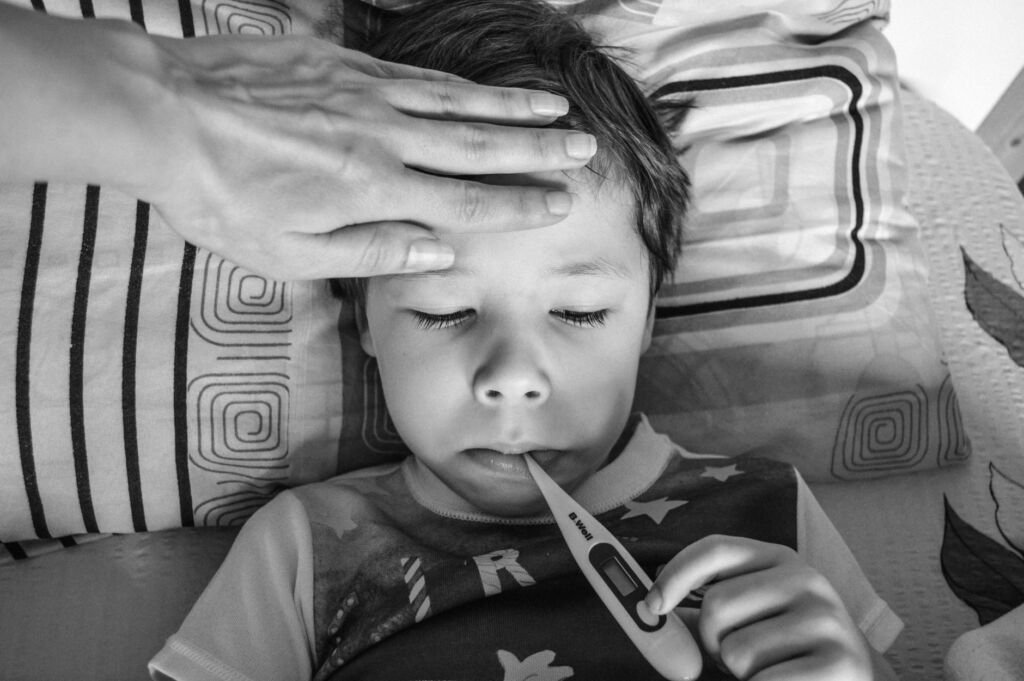
When your child has a fever, your primary goal is to keep them comfortable. Here are some effective home management strategies:
- Keep Them Hydrated: Encourage your child to drink fluids such as water, electrolyte solutions, or clear broths. Staying hydrated is crucial during fever.
- Dress Comfortably: Light clothing and a comfortable room temperature can help regulate body temperature and prevent overheating.
- Rest: Ensure your child gets plenty of rest. Sleep is vital for recovery from illness.
- Sponging: A lukewarm sponge bath can help reduce fever. Avoid cold baths, as they may cause shivering, which can raise body temperature.
- Use Fever Reducers: Consult your pediatrician for appropriate medications to help alleviate discomfort. Do not administer over-the-counter medications without professional guidance.
Remember, while these measures can help your child feel better, they do not cure the underlying illness. Monitoring their condition closely is essential.
Understanding Fever Patterns by Age
Fever patterns can vary significantly across different age groups. Understanding these variations can help you gauge the seriousness of the fever and appropriate responses. Below is a table summarizing fever patterns according to age:
| Age Group | Typical Fever Range | When to Call a Doctor |
|---|---|---|
| Under 3 months | 100.4°F (38°C) or higher | Always |
| 3 to 6 months | 101°F (38.3°C) or higher | Fever lasting more than 24 hours |
| 6 months to 2 years | 102°F (38.9°C) or higher | Fever lasting more than 3 days |
| Over 2 years | 103°F (39.4°C) or higher | Fever accompanied by severe symptoms |
These guidelines are not exhaustive, and variations may occur based on your child’s individual health. Always consult your pediatrician when in doubt.
Preventing Fever: Best Practices
While you cannot prevent every illness that may lead to fever, there are several proactive steps you can take to reduce the likelihood of infections:
- Vaccinations: Stay on schedule with your child’s vaccinations. Immunizations are crucial in preventing many illnesses that can cause fever.
- Hand Hygiene: Teach your children the importance of washing their hands regularly, especially before meals and after using the restroom.
- Avoid Close Contacts: Keep your child away from sick individuals whenever possible, particularly during cold and flu season.
- Healthy Diet: Ensure your child eats a balanced diet rich in fruits, vegetables, and whole grains to support their immune system.
- Regular Check-Ups: Schedule routine pediatric visits to monitor your child’s health and address any concerns early.
By establishing these habits early on, you can foster a healthier environment for your child.
Understanding the Role of Fever in the Immune Response
How Fever Helps Fight Infection
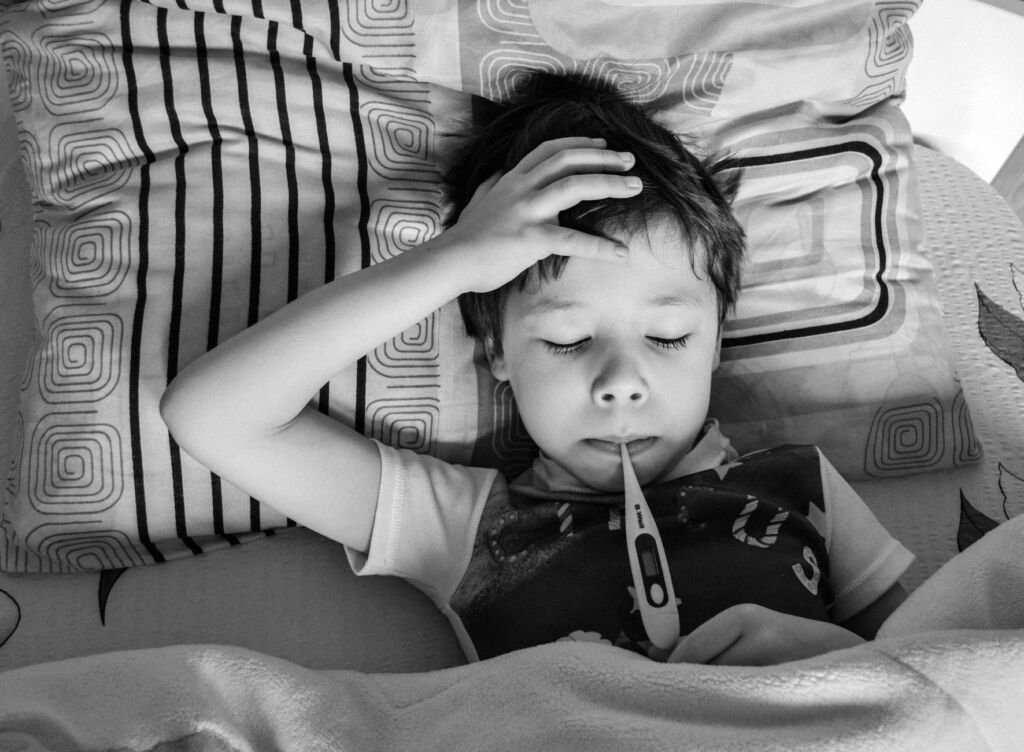
Fever is a natural response by the body to infection. When an infant or child has a fever, it indicates that the immune system is actively working to combat pathogens. The increased body temperature can help inhibit the growth of certain bacteria and viruses, making it more difficult for them to thrive. Additionally, fever enhances the function of white blood cells, which play a crucial role in fighting off infections.
This natural defense mechanism can be beneficial; however, it is important to monitor the fever, especially in young children. A fever itself is not an illness but rather a symptom of an underlying issue. Understanding this can help parents approach fever management with a balanced perspective.
When Fever Might Indicate a Specific Illness
While fever is often associated with common illnesses like colds and flu, it can also signal more serious conditions. Certain infections are characterized by specific fever patterns. For example, a high fever that persists for several days may indicate bacterial infections such as pneumonia or urinary tract infections. On the other hand, a fever that spikes and then drops may suggest viral infections, such as roseola.
Recognizing these patterns can aid in timely diagnosis and treatment. Parents should be aware of the following signs that may accompany a fever, prompting further investigation:
- Persistent fever lasting more than three days
- Fever accompanied by a rash
- Significant lethargy or irritability
- Persistent vomiting or diarrhea
- Difficulty breathing or persistent cough
Alternative Treatments for Managing Fever
Complementary and Alternative Medicine Approaches
Some parents may seek alternative treatments to manage their child’s fever alongside conventional methods. Complementary and alternative medicine (CAM) approaches can include natural remedies, homeopathy, and herbal treatments. However, it is essential to approach these methods with caution and consult a healthcare professional before trying them.
For instance, some parents may use herbal teas like chamomile or ginger, believed to promote sweating and help reduce fever. However, these should be used judiciously and with awareness of the child’s age and health status. Parents are encouraged to keep a close eye on their child’s symptoms and discuss any complementary approaches with their pediatrician.
Hydration and Nutrition Considerations
Maintaining hydration is crucial when a child has a fever. A high temperature can lead to increased fluid loss, so encouraging fluid intake is essential. Offer clear fluids such as water, diluted juice, or electrolyte solutions. In some cases, popsicles or ice chips can be appealing to younger children. Adequate hydration can help reduce fever and support overall well-being.
Additionally, nutrition plays a role in recovery during fever. While a child may have a reduced appetite, it is important to provide nutritious foods when they feel ready to eat. Foods rich in vitamins and minerals, such as fruits, vegetables, and whole grains, can support the immune system. Parents should aim for a balanced diet while being mindful of their child’s preferences and needs.
Emotional and Psychological Aspects of Fever in Children
The Impact of Fever on Child Behavior
Fever can affect not only the physical health of a child but also their emotional and psychological well-being. The discomfort associated with fever can lead to irritability, anxiety, and sleep disturbances. Children may feel vulnerable or frightened when they are unwell, and parents can play a crucial role in providing emotional support during this time.
To help alleviate anxiety, parents should communicate openly with their children about what they are experiencing. Simple explanations about fever and illness can help demystify the situation and reassure children. Additionally, maintaining a calm environment and offering comfort measures, such as cuddling or reading a favorite book, can help soothe a distressed child.
Building Resilience During Illness
Using experiences of illness, including fever, as opportunities for teaching resilience can be beneficial for children. Parents can encourage coping strategies that help children feel empowered even when they are unwell. For example, teaching relaxation techniques such as deep breathing or visualization can provide children with tools to handle discomfort.
Furthermore, parents can involve children in their care by allowing them to choose comforting items, such as a favorite stuffed animal or blanket. This sense of control can foster a positive mindset during an illness. Parents should remember that every child responds differently to fever and illness, and tailoring the approach to the child’s specific needs is vital.

Recognizing Fever Triggers in Children
Environmental Factors
Environmental factors can play a significant role in triggering fevers in children. Common triggers include changes in weather, exposure to allergens, or even overheating due to excessive clothing. Parents should be mindful of their child’s environment, especially during seasonal transitions.
- Monitor room temperature, aiming for a comfortable level between 68°F and 72°F.
- Avoid dressing your child in too many layers, especially when temperatures rise.
- Identify and minimize exposure to known allergens, such as dust mites or pollen.
Vaccination Reactions
Vaccination is a critical component of child health, but it can also lead to fever as a normal immune response. Parents should be informed about which vaccines are likely to cause fevers and when these fevers typically occur. Understanding this can help alleviate concerns during vaccination periods.
- Common vaccines that may cause fever include MMR (measles, mumps, rubella) and DTaP (diphtheria, tetanus, pertussis).
- Fever usually appears within 1-3 days post-vaccination.
- It is typically mild and resolves within a few days.
Understanding Fever Duration and Implications
Short-term vs. Long-term Fever
Fever can be classified based on its duration, which can provide insights into its underlying cause. Short-term fevers typically resolve within a few days and are often linked to viral infections, while long-term fevers lasting more than five days may indicate a more serious underlying condition.
- Short-term fever: usually self-limiting and responds well to home management.
- Long-term fever: may require medical evaluation to rule out serious infections or chronic conditions.
- Persistent fever could be a sign of something requiring immediate medical attention.
Impact of Fever on Hydration
Fever can lead to dehydration, particularly in younger children who may not express their thirst adequately. Monitoring fluid intake is essential to maintain hydration, especially during episodes of high fever. Parents should be vigilant about providing fluids and recognizing signs of dehydration.
- Signs of dehydration include dry mouth, decreased urination, and lethargy.
- Encourage frequent sips of water, electrolyte solutions, or clear broths.
- Offer popsicles or ice chips for children who may not want to drink.
Parental Role in Monitoring Fever
Tracking Fever Patterns
Keeping a detailed record of a child’s fever pattern can greatly aid healthcare providers in diagnosing potential illnesses. Parents should note the time of onset, duration, temperature readings, and any accompanying symptoms. This information can be invaluable during medical consultations.
- Use a thermometer to record temperature accurately at various times of the day.
- Document any other symptoms, such as cough, rash, or vomiting.
- Note any medications administered and their effects on the fever.
Communication with Healthcare Providers
Effective communication with healthcare providers is crucial in managing a child’s fever. Parents should feel empowered to discuss their observations and concerns openly. Clear communication can help ensure that appropriate care is provided in a timely manner.
- Prepare a list of symptoms and questions before the appointment.
- Be honest about any home treatments already tried.
- Ask about the need for further testing if the fever persists.
Related reading: How to Support a Teen Through Exam Stress Effectively and Essential Tips for Talking to Tweens About Social Media Safety.
Trusted sources: HealthyChildren.org (American Academy of Pediatrics), HealthyChildren.org: Toddler.
Frequently Asked Questions
What is considered a high fever in children?
A high fever in children is generally defined as a temperature of 103°F (39.4°C) or higher. However, parents should also consider other symptoms and the child’s behavior.
Can teething cause a fever?
Teething can lead to mild fevers, but it is usually not high. If your child has a significant fever, it may be due to another cause.
What should I do if my child has a fever and is vomiting?
If your child has a fever accompanied by vomiting, it is important to keep them hydrated and consult your pediatrician, especially if symptoms persist.
When should I take my child to the emergency room for a fever?
You should seek immediate medical attention if your child experiences severe symptoms such as difficulty breathing, persistent vomiting, or if they are unresponsive.
The Bottom Line
Fever in babies and kids is a common occurrence that can often be managed at home. By understanding the causes, monitoring symptoms closely, and knowing when to seek help, you can navigate this aspect of parenting with confidence. Always remember that every child is unique, and it’s important to trust your instincts when it comes to their health. Stay informed and proactive, and you’ll be well-equipped to care for your little ones.
Was this article helpful?
Thanks for letting us know! Your feedback helps us make our articles better.

Writer at Apparently a Parent, covering the everyday joys and challenges of raising a family.


One Response