Make Healthy Lunches Kids Will Actually Eat
Discover tips and ideas to create healthy lunches kids will eat, making meal prep enjoyable and nutritious for the whole family.

In this article
Key takeaways
- Involve kids in lunch prep for better acceptance
- Focus on balance: protein, carbs, and fats
- Use fun shapes and colors to entice children
As a parent, you undoubtedly want the best for your children, and that includes their nutrition. Preparing healthy lunches that kids will actually eat can sometimes feel like a daunting task. With a bit of creativity and understanding of your child’s preferences, you can create lunch options that are both nutritious and appealing. In this article, we will explore practical strategies, meal ideas, and tips to ensure that lunch is not just another chore but a delightful part of your child’s day.
Every family is unique, and so are the tastes of your children. Some kids may love vegetables, while others may shun them completely. This article aims to provide flexible ideas that can be adapted to your family’s needs. By collaborating with your kids and incorporating their input, you can make healthy lunches that they will enjoy. Let’s dive into the essentials of creating these nutritious meals.
Healthy lunches should be well-balanced, incorporating the right mix of protein, carbohydrates, and healthy fats. This not only fuels your child’s body but also supports their mental focus throughout the day. As advised by the American Academy of Pediatrics, it’s crucial to set a foundation for healthy eating habits early on, which can have lasting benefits.
Understanding Nutritional Needs
The first step in crafting healthy lunches is understanding your child’s nutritional needs. Children require a balanced diet to support their growth and development. According to the CDC, a typical lunch should include a variety of food groups to ensure they receive adequate vitamins and minerals.
For school-age children, the USDA’s MyPlate guidelines recommend including:
- Fruits: Aim for a variety of colors to ensure a range of nutrients.
- Vegetables: Incorporating different types encourages better acceptance.
- Protein: This can include lean meats, beans, or dairy products.
- Grains: Whole grains are a better choice compared to refined grains.
- Dairy: Offer low-fat options like yogurt or cheese.
To give you a clearer picture, here’s a simple table outlining age-specific recommendations for lunch:
| Age Group | Recommended Food Groups | Portion Size |
|---|---|---|
| 2-3 years | Fruits, Vegetables, Grains, Protein | 1/4 to 1/2 cup each |
| 4-8 years | Fruits, Vegetables, Grains, Protein, Dairy | 1/2 cup each |
| 9-13 years | Fruits, Vegetables, Grains, Protein, Dairy | 1/2 to 1 cup each |
Remember, these are general guidelines, and it’s essential to adjust portion sizes to match your child’s appetite and activity level. Always consult with your pediatrician or a nutritionist for personalized advice.
Engaging Kids in the Lunch-Making Process
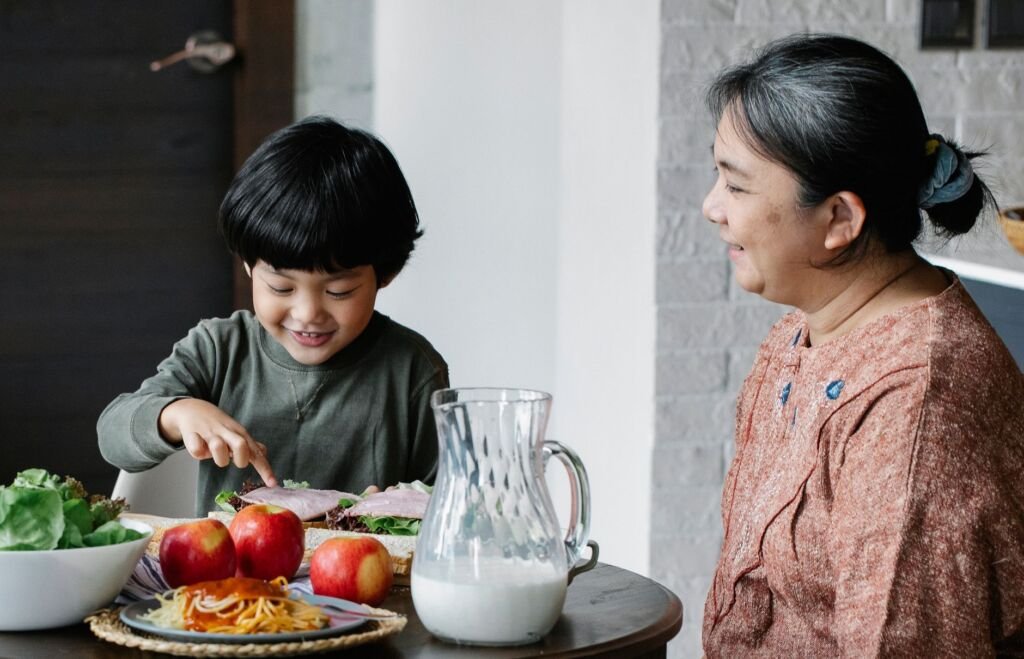
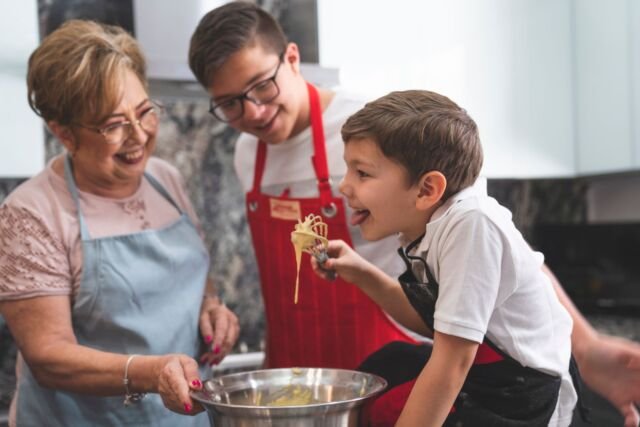
One effective way to ensure your child enjoys their lunch is to involve them in the preparation. Kids are more likely to eat what they help create. This not only makes lunchtime more exciting but also teaches them valuable cooking skills.
Here are several ways to engage your child in lunch prep:
- Plan Together: Sit down with your child and brainstorm lunch ideas. Allow them to suggest different ingredients they’d like to include.
- Grocery Shopping: Take your child grocery shopping. Let them pick out fruits and vegetables they find appealing. This gives them ownership over their meal choices.
- Cooking Tasks: Assign age-appropriate kitchen tasks, like washing vegetables, spreading condiments, or assembling sandwiches.
Not only does this foster a sense of accomplishment, but it also encourages healthier eating habits. Children are more likely to try new foods when they have been a part of the process.
Creative Lunch Ideas That Are Nutritious
Now that you understand the nutritional basics and how to engage your kids, let’s explore some creative lunch ideas that are both healthy and kid-friendly.
Here are several lunch ideas to get you started:
- Wrap It Up: Use whole grain tortillas to wrap lean proteins (like turkey or hummus) and colorful veggies. Cut them into pinwheels for a fun presentation.
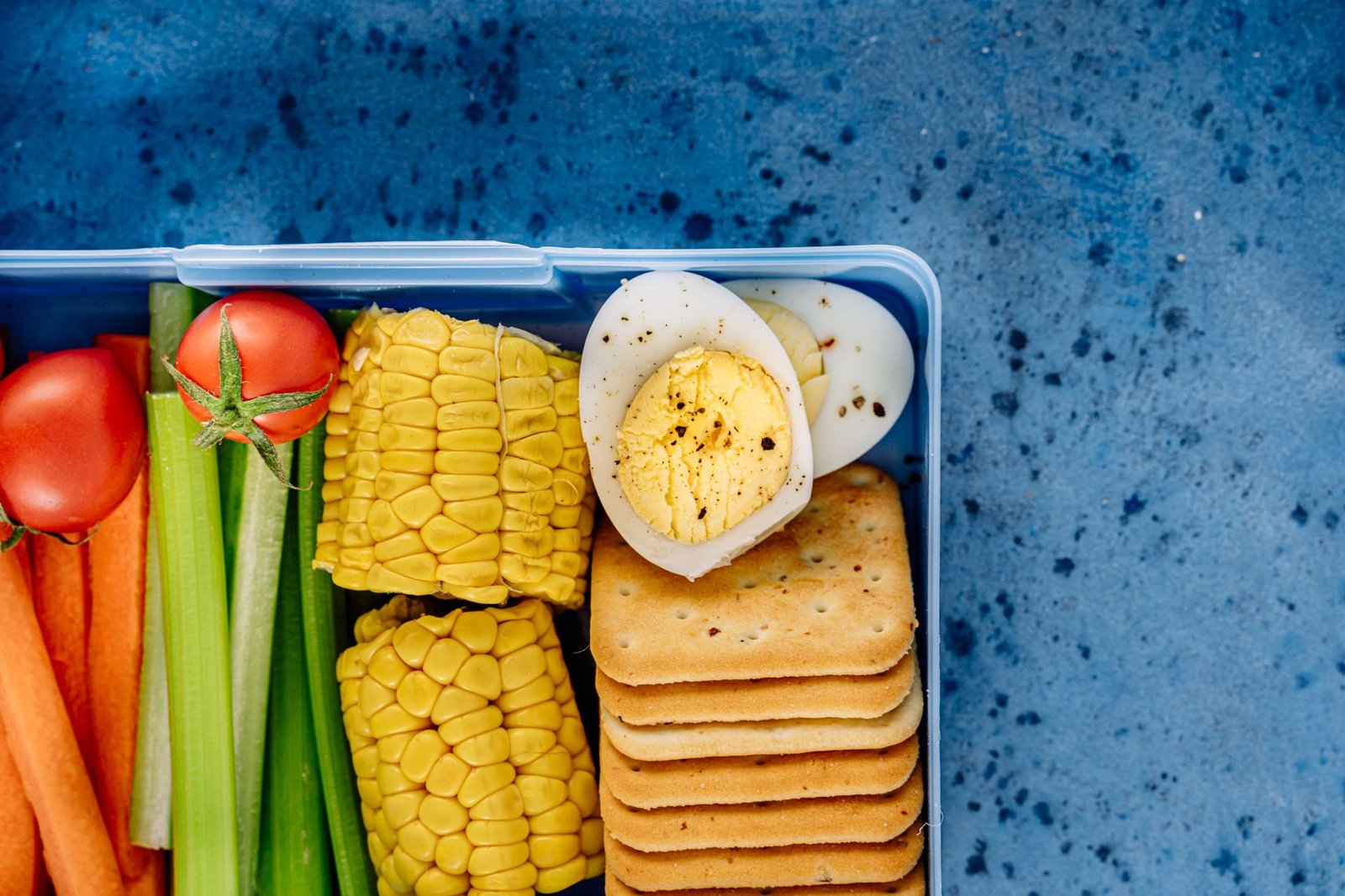
- DIY Lunchables: Create a healthier version of popular packaged lunch kits by including whole grain crackers, cheese slices, and assorted deli meats or veggies.
- Colorful Bowls: Assemble grain bowls with quinoa or brown rice topped with beans, diced avocado, diced tomatoes, and a sprinkle of cheese.
- Fruity Yogurt Parfaits: Layer yogurt with fresh fruits and a sprinkle of granola for a refreshing and filling option.
- Veggie Dippers: Slice up a variety of colorful vegetables and pair them with hummus or yogurt-based dips.
Feel free to mix and match these ideas based on your child’s preferences. Remember, presentation matters! Use fun containers or colorful accessories to make the meals visually appealing.

Making Lunches Fun
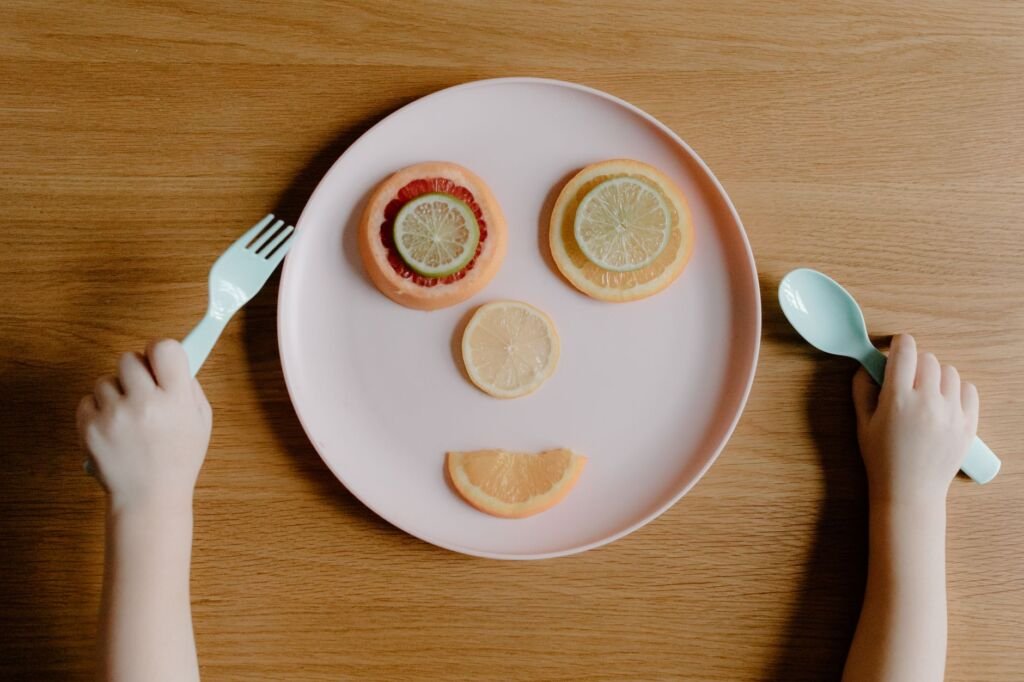
Kids are naturally drawn to fun shapes and colors, so why not bring that into their lunches? Making meals visually appealing can entice your child to try new foods. Here are some ways to add a playful element to lunch:
- Fun Shapes: Use cookie cutters to create sandwiches in star, heart, or animal shapes.
- Color Coordination: Aim for a rainbow of colors in their lunchbox. This not only looks good but also ensures a variety of nutrients.
- Themed Lunches: Create themed lunches based on your child’s interests, like a “beach day” with fish-shaped sandwiches or a “space lunch” with star-shaped fruits.
These little touches can make lunchtime an exciting adventure, encouraging your child to explore their food more than they might otherwise.
Healthy Snacks to Complement Lunch
In addition to their main lunch, including healthy snacks can keep your child energized throughout the day. Snacks play a crucial role in maintaining energy levels and preventing hunger before the next meal.
Consider these nutritious snack options:
- Fresh Fruit: Apples, bananas, and grapes are easy to pack and naturally sweet.
- Veggie Packs: Carrot sticks, cucumber slices, and cherry tomatoes make for crunchy, low-calorie options.
- Trail Mix: Create a blend of nuts, seeds, and dried fruits for a high-energy snack.
- Nut Butter Packs: Individual nut butter packets can be paired with whole-grain crackers or apple slices for a protein boost.
Remember to check for any school policies regarding food allergies, especially with nut products. Always have a variety of snacks available at home to keep things exciting.
Planning and Preparing Ahead
Busy schedules can make it challenging to prepare healthy lunches daily. Planning and prepping meals in advance can save you time and stress during the week. Here are some strategies to help:
- Meal Prep Days: Dedicate one day a week to prepare and portion out lunches. This could involve cooking grains, chopping vegetables, and assembling components.
- Batch Cooking: Prepare larger quantities of meals that can be divided into separate containers for quick grab-and-go options.
- Use Containers: Invest in reusable lunch containers that keep food fresh and make packing easy. Consider compartments for different food groups.
By setting aside time for meal prep, you can ensure that healthy lunches are always ready to go, alleviating the last-minute rush.
Incorporating Diverse Food Groups
Whole Grains
Whole grains are an essential component of a balanced lunch, providing fiber, vitamins, and minerals. Incorporating whole grains into your child’s lunch can help maintain their energy levels throughout the day. Instead of traditional white bread, consider using whole grain bread, quinoa, or brown rice. These options not only enhance nutritional value but also introduce different textures and flavors.
- Whole grain wraps
- Brown rice or quinoa salads
- Oatmeal muffins or bars
Fruits and Vegetables
Fruits and vegetables are vital for providing essential vitamins and minerals. A colorful array of fruits and vegetables can make a lunch visually appealing and nutritionally rich. Encourage your child to try a variety of colors, as different hues often represent different nutrients. For example, orange carrots are rich in beta-carotene, while dark green spinach is high in iron.
- Carrot sticks with hummus
- Fruit salad with berries, apples, and bananas
- Vegetable skewers featuring bell peppers, cherry tomatoes, and cucumbers
Protein Sources
Protein is crucial for growth and development in children. Including a variety of protein sources can help keep your child full and satisfied until their next meal. Lean meats, dairy products, legumes, and nuts are excellent options. Consider involving your child in choosing their protein sources, as this can empower them and increase their willingness to try new foods.
- Grilled chicken or turkey slices
- Hard-boiled eggs
- Chickpeas or black bean salad
Introducing Global Flavors
Exploring International Cuisine
Exposing your child to various cuisines can expand their palate and make lunchtime more exciting. Dishes from different cultures often include unique spices and flavors that can transform a standard lunch into an adventure. Research various international recipes and try to incorporate elements from these cuisines into your child’s lunchbox.
- Mexican: Bean and cheese quesadillas
- Italian: Pasta salad with pesto and cherry tomatoes
- Middle Eastern: Pita pockets with falafel and tzatziki
Flavor Pairing Techniques
Utilizing flavor pairings can enhance the overall taste of your child’s lunch, making it more enjoyable. Consider experimenting with sweet and savory combinations, which can intrigue kids and encourage them to try new foods. For instance, pairing apples with cheese or peanut butter with celery can introduce delightful contrasts that excite the taste buds.
- Cheese and whole grain crackers
- Sliced bell peppers with guacamole
- Yogurt with honey and granola
Interactive Lunch Components
Interactive lunch components, like build-your-own meals, can foster engagement and excitement during lunchtime. Kids enjoy being able to customize their lunches to suit their preferences. Consider creating a lunch that allows for assembly, such as a taco kit where they can choose their fillings or a DIY sushi roll using rice, seaweed, and assorted veggies.
- Build-your-own sandwich bar
- DIY sushi rolls with fillings
- Taco kit with various toppings
Mindful Eating Habits
Encouraging Mindfulness at Lunch
Teaching children about mindful eating can enhance their relationship with food, helping them appreciate flavors and textures. Encourage your child to slow down during meals, focus on their food, and recognize when they are full. Mindful eating can prevent overeating and foster healthier eating habits from a young age.
- Encourage them to chew slowly and savor each bite
- Discuss the flavors and colors of their lunch
- Limit distractions, such as screens, during lunchtime
Creating a Positive Lunchtime Environment
The environment in which your child eats can significantly influence their eating habits. Creating a pleasant and relaxed atmosphere during lunchtime can make meals more enjoyable. Whether at home or in school, consider setting a positive tone by eating together as a family or encouraging social interactions with peers during lunch.
- Share stories or experiences during meals
- Encourage children to eat with friends
- Set a designated eating area free from distractions
Modeling Healthy Eating Behaviors
Children learn by example, so modeling healthy eating behaviors is crucial. Show your child how you enjoy a variety of foods, including fruits, vegetables, and whole grains. By demonstrating your own healthy eating habits, you encourage them to adopt similar behaviors. Share your excitement about trying new foods and discuss the benefits of balanced nutrition.
- Involve them in grocery shopping and cooking
- Express enthusiasm for healthy meals
- Share personal stories about your food experiences
Related reading: Fun Indoor Activities for Kids on Rainy Days.
Trusted sources: MyPlate: Kids, Common Sense Media.
Frequently Asked Questions
How can I encourage my picky eater to try new foods?
Start by introducing new foods alongside their favorites. Be patient and offer a variety of textures and flavors without pressure. Sometimes, it may take multiple exposures before a child is willing to taste something new.
What are some good sources of protein for lunch?
Lean meats, eggs, beans, legumes, and dairy products are excellent protein sources. Tofu and nut butters can also be great options for plant-based protein.
How can I keep lunches fresh until lunchtime?
Use insulated lunch bags and ice packs to help maintain temperature. Invest in airtight containers to keep food fresh and prevent leaks.
What if my child has food allergies?
Always consult with your pediatrician for tailored advice related to food allergies. Be sure to read labels carefully and consider alternative options that suit your child’s dietary restrictions.
The Bottom Line
Creating healthy lunches that kids will eat doesn’t have to be a chore. With a little creativity, engagement, and planning, you can make nutritious meals that your children will enjoy. Remember, every child is different, and it’s essential to tailor your approach based on their preferences and needs. By fostering healthy eating habits early on, you’re setting the groundwork for a lifetime of good nutrition.
Was this article helpful?
Thanks for letting us know! Your feedback helps us make our articles better.

Writer at Apparently a Parent, covering the everyday joys and challenges of raising a family.



One Response