Fun Indoor Activities for Kids on Rainy Days
Discover engaging indoor activities for kids on rainy days that will keep them entertained and learning.


In this article
Key takeaways
- Rainy days don't have to mean boredom.
- Indoor activities can be educational and fun.
- Every child's interests are different; customize activities accordingly.
- Engaging activities foster creativity and family bonding.
Rainy days often bring about a sense of confinement, especially when children are bursting with energy. Instead of letting the gloom set in, why not embrace the opportunity to engage in some fun indoor activities for kids? With a little creativity, you can transform your home into an adventure zone that entertains and educates your children.
Indoor activities not only keep children occupied but also foster creativity, problem-solving skills, and emotional development. As parents, you know your child best, and understanding their unique interests can help you tailor these activities to suit their preferences. From arts and crafts to science experiments, there’s a world of fun waiting to be explored without stepping outside.
This guide will provide you with a variety of indoor activities that are easy to set up and enjoyable for kids of all ages. Let’s dive into the exciting world of indoor play that can make any rainy day a memorable one!
Creative Arts and Crafts
Arts and crafts are fantastic indoor activities that allow children to express their creativity while developing fine motor skills. You can set up a crafting station using simple materials you likely have at home. Gather items like paper, scissors, glue, markers, and recyclable materials to get started.
Consider the following arts and crafts activities:
- DIY Greeting Cards: Encourage your child to create personalized greeting cards for family and friends. This activity not only nurtures creativity but also teaches them about kindness and thoughtfulness.
- Nature Collages: Collect leaves, flowers, and other natural materials from your yard or neighborhood (if weather permits) and use them to create beautiful collages. This allows your child to explore nature and develop an appreciation for the environment.
- Painted Rocks: Gather some smooth stones and let your child paint them with fun designs. These can be used as decorations for your garden or as thoughtful gifts.
For younger children, consider activities like finger painting or coloring books, which are excellent for sensory exploration and can be quite calming.
Engaging Science Experiments
Science experiments are a great way to keep kids entertained while teaching them about the world around them. You can conduct simple experiments using household items that are safe and fun.
Here are a few easy science experiments:
- Vinegar and Baking Soda Volcano: Mix vinegar and baking soda in a container to create an exciting fizzing reaction. This classic experiment is always a hit!
- Homemade Slime: Combine glue, baking soda, and contact lens solution to create stretchy slime. Kids love playing with slime, and it provides a sensory experience.
- Invisible Ink: Use lemon juice to write secret messages on paper. Once dry, hold the paper near a heat source (like a lamp) to reveal the hidden text.
These activities not only entertain but also encourage curiosity and scientific thinking. You can discuss the scientific principles behind each experiment, making it a learning opportunity.
Indoor Treasure Hunts
Treasure hunts are exhilarating indoor activities that can engage children for hours. You can create a treasure hunt tailored to your child’s interests or age group, making it as simple or elaborate as you wish.
To set up a treasure hunt:
- Choose a Theme: Select a theme that your child enjoys, such as pirates, superheroes, or animals.
- Create Clues: Write clues that lead to different locations around your home. For younger children, use pictures or simple riddles.
- Hide the Treasure: The treasure could be a small toy, a treat, or a fun activity voucher for the family.
This activity promotes critical thinking and problem-solving skills while providing physical activity as they search for clues.

Cooking and Baking Together
Cooking and baking are not just practical life skills; they can also be incredibly fun indoor activities. Involving your children in the kitchen can teach them about nutrition, measurements, and the joy of creating something delicious.
Consider the following cooking ideas:
- Homemade Pizza: Allow your child to choose their toppings and create their pizza masterpiece. This fosters creativity and introduces them to basic cooking skills.
- Baking Cookies: Baking cookies is a classic activity where children can measure ingredients, mix, and decorate. Plus, the sweet smell of cookies baking is hard to resist!
- Fruit Salad Fun: Let your kids pick their favorite fruits, and supervise them as they chop (age-appropriately) and mix. This is a great way to encourage healthy eating.
Cooking together not only creates lasting memories but also strengthens your bond with your child.
Building and Constructing
Building activities can keep your child engaged for hours. Whether using blocks, LEGO, or recycled materials, constructing something can be both fulfilling and fun.
Here are a few building ideas:
- Fort Building: Encourage your child to build a fort using blankets, pillows, and furniture. This activity promotes imaginative play and can become a cozy reading nook.
- LEGO Challenges: Set challenges like building a bridge or a skyscraper. This encourages problem-solving and engineering skills.
- Cardboard Creations: Use old boxes to create imaginative structures. Your child can design a castle, spaceship, or anything they can dream up!
These activities can help develop spatial awareness and fine motor skills.

Reading and Storytelling
Reading together can be a calming indoor activity that opens worlds of imagination. Set up a cozy reading corner with blankets and pillows to create a warm environment.
Consider the following reading activities:
- Storytime Sessions: Choose books that interest your child and read together. Discuss the story and characters to enhance comprehension.
- Story Writing: Encourage your child to write their own stories. They can illustrate them afterward, creating their personal book.
- Interactive Reading: Use puppets or stuffed animals to act out the stories as you read. This adds an entertaining element to storytelling.
Reading not only promotes literacy but also fosters empathy and understanding as children explore different narratives.
Family Game Night
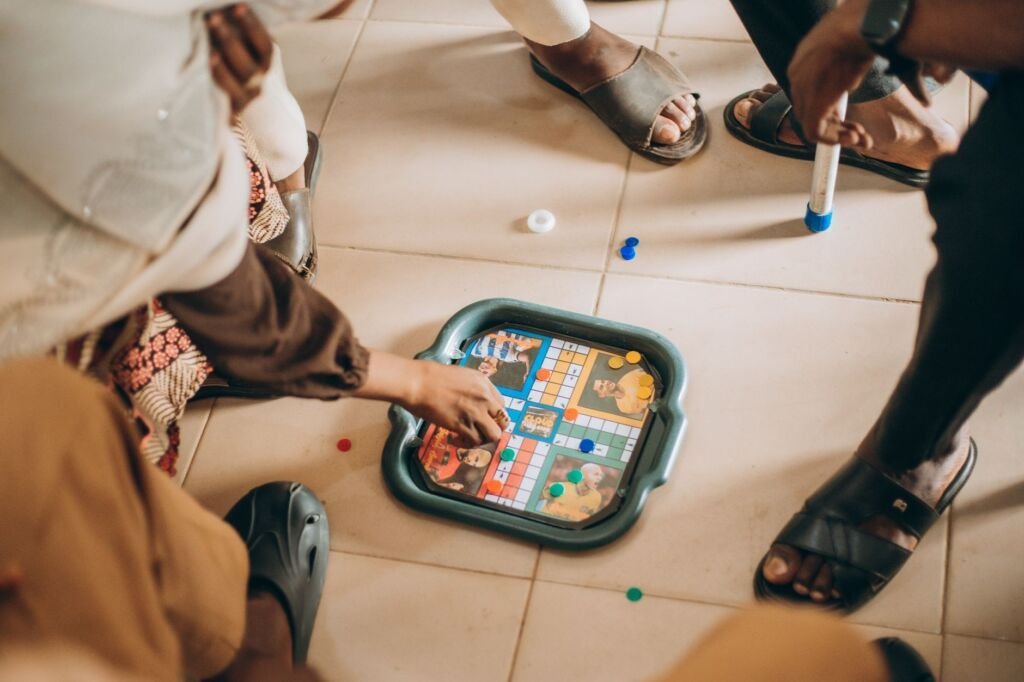
Game nights can be a delightful way to spend time together as a family. Board games, card games, or even video games can create a sense of camaraderie and competition.
Consider these game ideas:
- Classic Board Games: Choose games that are age-appropriate and encourage strategy, teamwork, or creativity.
- Card Games: Games like Uno or Go Fish are simple and fun for all ages.
- Video Games: Cooperative video games can provide fun for the whole family, promoting teamwork and friendly competition.
Family game nights can strengthen family bonds and teach children about sportsmanship and cooperation.
Indoor Fitness Challenges
Obstacle Course
Creating an indoor obstacle course can be a fantastic way to keep kids active and entertained. Use cushions, chairs, and blankets to create different sections of the course. For example, kids can crawl under tables, jump over pillows, and balance on a line of tape on the floor. Encourage them to time themselves or compete against siblings to add a fun competitive element.
To enhance the course, incorporate various activities like hula hooping, skipping rope, or even dancing to their favorite songs at different stations. This will not only get their heart rates up but also develop their agility and coordination.
- Crawl under a table
- Jump over pillow stacks
- Balance on a tape line
- Hula hoop at one station
- Skip rope at another
Yoga and Mindfulness
Yoga and mindfulness activities provide an excellent way for kids to release stress and increase their focus. There are many kid-friendly yoga routines available online that are designed to be both fun and engaging. These sessions can incorporate animal poses like downward dog or cat-cow, making it enjoyable for children to imitate their favorite animals while stretching and strengthening their bodies.
Additionally, introducing mindfulness games, such as breathing exercises or guided imagery, can help children learn to manage their emotions and develop a sense of calm during rainy days. Practicing these skills together as a family can also foster deeper connections and understanding among family members.
- Follow a kid’s yoga video
- Practice breathing exercises together
- Engage in guided imagery sessions
Dance Party
What better way to shake off the rainy day blues than with a spontaneous dance party right in your living room? Create a playlist of your family’s favorite upbeat songs and let everyone take turns showing off their best dance moves. This activity not only encourages physical activity but also promotes creativity and self-expression.
You can add a twist by introducing dance challenges, such as freeze dance, where everyone must freeze when the music stops, or a dance-off where each family member showcases their unique style. These moments can lead to lots of laughter and bonding, making rainy days feel less gloomy.
- Create a fun playlist
- Have a freeze dance competition
- Organize a dance-off with unique styles
Interactive Learning Stations
Math and Puzzle Corner
Setting up a math and puzzle corner can turn a dreary day into an educational adventure. Use everyday items like beans, pasta, or buttons for counting and basic math activities. For older children, create math puzzles that challenge their problem-solving skills while keeping them entertained.
Incorporating board games that involve math skills, such as Monopoly or Yahtzee, can also be a fun way to reinforce learning in a playful context. Additionally, puzzles can range from jigsaw puzzles to brain teasers, promoting critical thinking and patience.
- Use beans or pasta for counting
- Create math puzzles for older kids
- Play math-based board games
Art and History Projects
Combine creativity and learning by diving into art and history projects. Choose a historical event or figure that interests your children, and encourage them to create a project around it. This could be a timeline, a diorama, or even a simple poster presentation that they can share with the family.
Provide materials like colored paper, markers, and craft supplies, and let their imaginations run wild. This activity not only reinforces their knowledge of history but also allows them to express their artistic talents. Additionally, consider virtual museum tours that can inspire their projects and broaden their understanding of art and culture.
- Choose a historical figure or event
- Create a project like a diorama or poster
- Explore virtual museum tours for inspiration
Science Discovery Station
Transform a corner of your home into a science discovery station, where children can explore various scientific concepts through hands-on activities. You can set up different stations focusing on topics like geology, physics, or biology, complete with fun experiments and demonstrations. For instance, create a mini volcano using baking soda and vinegar or explore the properties of magnets with different objects.
Encourage kids to participate by asking them questions about what they observe and predict what will happen next. This promotes curiosity and critical thinking while reinforcing scientific principles in a fun way. You can also incorporate books or videos that align with the topics they are exploring.
- Create a mini volcano with baking soda
- Explore magnet properties with various objects
- Incorporate related books or videos
Imaginative Role Play and Drama
Costume Creation
Encouraging imaginative role play can ignite creativity in children. Have a costume creation session where kids can use old clothes, fabric scraps, and accessories to design their own costumes. This could range from superheroes to historical figures, allowing them to express their interests and imaginations.
Once the costumes are ready, organize a mini fashion show where children can showcase their designs. This not only builds confidence but also allows them to share their unique creations with the family. You can even incorporate a theme, such as “Under the Sea” or “Space Adventure,” to make it more exciting.
- Use old clothes and fabric for costumes
- Organize a mini fashion show
- Incorporate themes for added fun
Drama and Skits
Creating skits or short plays can be an engaging way for kids to express themselves and develop storytelling skills. Encourage them to come up with their own stories or adapt their favorite books into a short performance. Provide props and costumes from your costume creation session to make it more interactive.
Set up a small stage area in your living room and invite family members to watch the performances. This not only boosts the children’s confidence but also enhances their communication skills and creativity. After the performances, engage in discussions about their stories and the characters they portrayed.
- Adapt favorite books into short plays
- Use props and costumes for performances
- Invite family members for a mini-show
Creative Storytelling with Puppets
Puppet shows can be a delightful way to combine storytelling and creative play. Help your kids create puppets using socks, paper bags, or even vegetables. Once the puppets are made, encourage them to come up with a story that incorporates their characters, setting the stage for an imaginative performance.
Children can perform their puppet shows for the family, allowing them to practice public speaking and storytelling skills. This activity also fosters teamwork if they work together to create the story and puppets. Incorporate music or sound effects to make the performances even more engaging.
- Create puppets using socks or paper bags
- Encourage storytelling with the puppets
- Incorporate music for added fun
Related reading: Healthy Breakfast Ideas for Busy Families and Fun Family Game Night Ideas for Every Age Group.
Trusted sources: MyPlate: Kids, Common Sense Media.
Frequently Asked Questions
What are some indoor activities for toddlers?
For toddlers, consider simple crafts like coloring, sensory bins with rice or beans, or building blocks. These activities promote fine motor skills and creativity.
How can I keep my kids entertained without screens?
Encourage hands-on activities like cooking, arts and crafts, or reading. Setting up a schedule can help manage screen time and ensure a variety of activities.
Are indoor activities beneficial for child development?
Yes, indoor activities can enhance cognitive, emotional, and social skills. They provide opportunities for learning and creative expression in a safe environment.
How can I make indoor activities more engaging?
Incorporate themes or challenges to make activities exciting. You can also invite friends over for group activities to enhance social interaction.
The Bottom Line
Rainy days don’t have to be a source of frustration. With a bit of creativity and planning, you can turn your home into a hub of fun and educational indoor activities for kids. Embrace these moments to bond with your children while fostering their creativity and learning. Remember, every child is unique, so feel free to adapt these activities to suit their interests and age levels.
Incorporate your child’s interests into activities for a more engaging experience.
Was this article helpful?
Thanks for letting us know! Your feedback helps us make our articles better.

Writer at Apparently a Parent, covering the everyday joys and challenges of raising a family.




One Response