Engaging Science Experiments for Kids at Home
Explore engaging science experiments for kids at home that foster curiosity and learning in a fun, hands-on way.

In this article
Key takeaways
- Simple experiments can spark a child's interest in science.
- Most experiments use common household items.
- Encourage teamwork and discussion during activities.
- Always prioritize safety and supervision.
As parents, we all want to encourage our children’s curiosity and love for learning. One of the most exciting ways to do this is through simple science experiments for kids at home. These hands-on activities not only ignite a child’s interest in science but also provide opportunities for family bonding and fun.
Science experiments can be a fantastic way to make learning enjoyable. They can be conducted with items you likely already have in your home, making them accessible and budget-friendly. In addition to being fun, these experiments help children understand basic scientific concepts, develop critical thinking skills, and foster creativity.
This guide will explore various simple science experiments suitable for kids of all ages. Whether your child is a budding scientist or just looking for a new way to play, you’ll find engaging activities that can spark their interest in the world around them.
Why Conduct Science Experiments at Home?
Science experiments at home provide numerous benefits. They offer a unique way for children to explore and understand the world around them. Here are a few reasons why these experiments are an excellent addition to your family’s activities:
- Encourages Curiosity: When kids participate in experiments, they ask questions and seek answers, stimulating their natural curiosity.
- Hands-On Learning: Experiments allow children to learn through experience, which can enhance retention and understanding of scientific concepts.
- Promotes Teamwork: Many experiments can be done in groups, fostering collaboration and communication skills.
- Builds Confidence: Successfully conducting an experiment can boost a child’s confidence and encourage them to tackle challenges.
Essential Safety Tips
Before diving into any science experiments, it’s crucial to prioritize safety. Here are some essential safety tips to keep in mind:
- Supervision: Always supervise your children during experiments, especially when using items that may be hazardous.
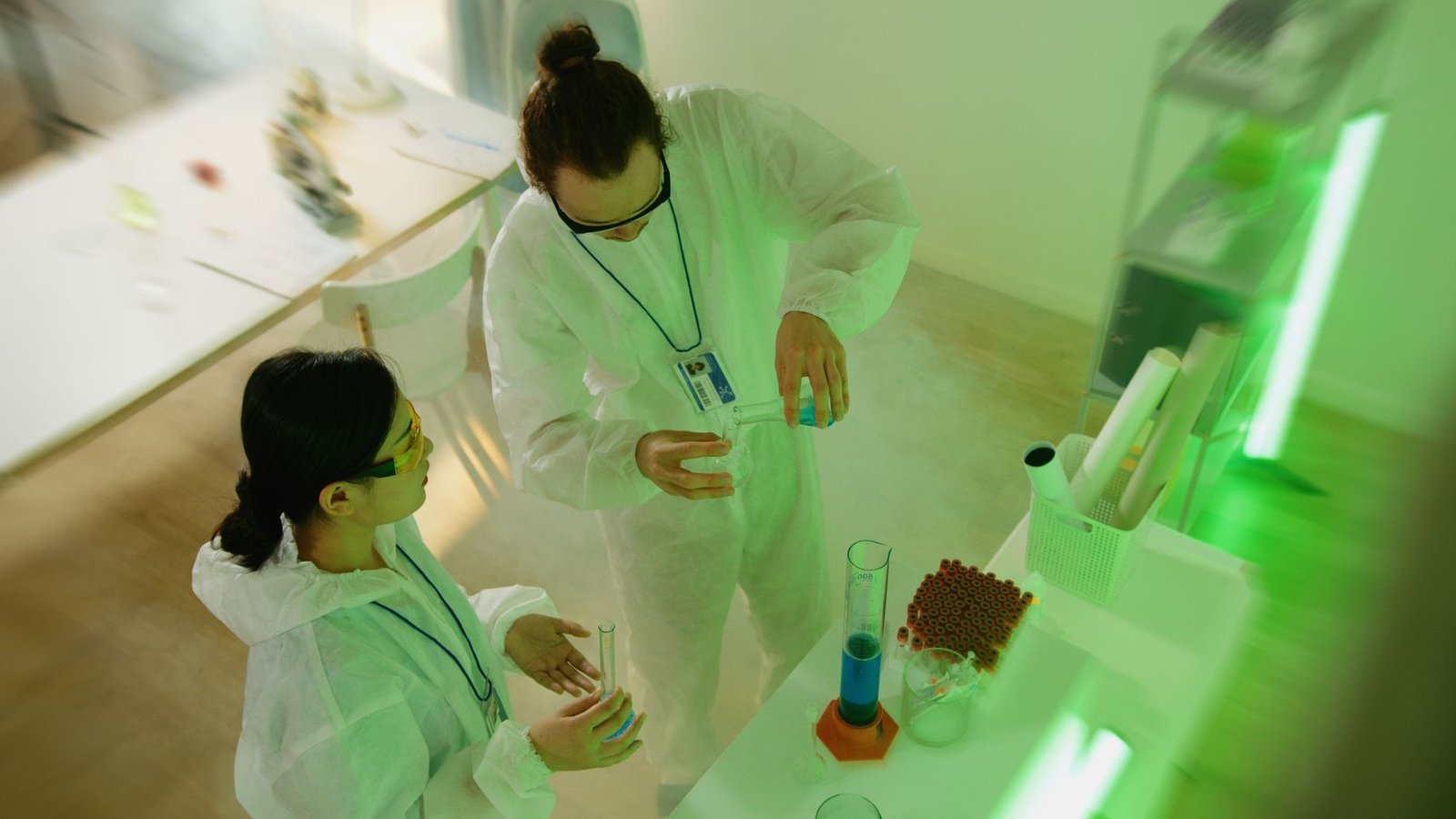
- Protective Gear: Depending on the experiment, consider using gloves, goggles, or aprons to protect against spills or reactions.
- Safe Environment: Ensure the experiment area is safe and free of potential hazards. Use a table or surface that is easy to clean.
- Follow Instructions: Always follow the instructions carefully and ensure children understand the purpose of each step.

Simple Science Experiments for Younger Kids
Young children, particularly toddlers and preschoolers, are naturally curious and eager to explore. Here are a few simple science experiments that are perfect for little ones:
1. Color Mixing
Children are fascinated by colors. This experiment allows them to explore how colors combine to create new ones.
- Materials Needed:
- Clear cups or bowls
- Water
- Food coloring (red, blue, yellow)
- White paper or a dropper (optional)
- Instructions:
- Fill a cup with water and add a few drops of one color of food coloring.
- In another cup, do the same with a different color.
- Ask your child what they think will happen if you mix the two cups together.
- Pour one cup into the other and watch the color change!
- For added fun, use dropper techniques to mix colors on white paper.
2. Homemade Volcano
This classic experiment is a favorite among kids and illustrates chemical reactions in a visually exciting way.
- Materials Needed:
- Small plastic bottle or cup
- Baking soda
- Vinegar
- Food coloring (optional)
- Tray to contain mess
- Instructions:
- Place the plastic bottle on the tray.
- Fill the bottle about a quarter full with baking soda.
- Add a few drops of food coloring if desired.
- Pour vinegar into the bottle and watch the eruption!
3. Tornado in a Bottle
Teach your children about vortexes with this engaging experiment.
- Materials Needed:
- Two plastic bottles (one empty)
- Water
- Clear tape
- Instructions:
- Fill one bottle with water, leaving some space at the top.
- Place the empty bottle upside down on top of the filled one and secure them together with clear tape.
- Turn the bottles upside down and swirl the top bottle to create a tornado effect as the water flows into the bottom bottle.
Fun Experiments for Elementary School Kids
As children enter elementary school, they can handle more complex experiments. Here are some ideas tailored for this age group:
1. Invisible Ink
This experiment teaches children about acids and bases while allowing them to create secret messages.
- Materials Needed:
- White paper
- Lemon juice
- Cotton swabs or paintbrush
- Heat source (light bulb or iron, with adult supervision)
- Instructions:
- Use the cotton swab or paintbrush to write a message with lemon juice on the white paper.
- Allow it to dry completely.
- Carefully hold the paper near a light bulb or gently iron it (with adult supervision) to reveal the hidden message.
2. Simple Circuit
Introduce your child to basic electrical concepts with a simple circuit project.
- Materials Needed:
- Battery (AA or 9V)
- Small light bulb
- Wires with alligator clips
- Instructions:
- Connect one wire from the positive end of the battery to the light bulb.
- Connect another wire from the light bulb to the negative end of the battery.
- Watch the light bulb illuminate! Encourage your child to experiment with different configurations.
3. Egg in a Bottle
This experiment demonstrates air pressure in a fun and surprising way.
- Materials Needed:
- Hard-boiled egg (peeled)
- Glass bottle with a neck slightly smaller than the egg
- Matches or lighter
- Strip of paper
- Instructions:
- Light the strip of paper and drop it into the bottle.
- Quickly place the egg on the mouth of the bottle.
- As the flame goes out, the egg will be sucked into the bottle due to air pressure!
Advanced Experiments for Older Kids
For older children, engaging them in more complex experiments can be very rewarding. These activities challenge their problem-solving skills and enhance their scientific knowledge.
1. Crystal Growing
Kids can watch science take shape as they create beautiful crystals.
- Materials Needed:
- Water
- Sugar or salt
- Glass container
- String or stick
- Instructions:
- Heat water and dissolve as much sugar or salt as possible in it.
- Pour the solution into the glass container.
- Attach a string or stick to the bottom of the container, ensuring it hangs in the solution.
- Leave it undisturbed for several days to observe the crystal growth.
2. Homemade pH Indicator
This experiment teaches kids about acidity and alkalinity using red cabbage.
- Materials Needed:
- Red cabbage
- Water
- Clear cups
- Various household liquids (vinegar, baking soda solution, lemon juice, etc.)
- Instructions:
- Chop the red cabbage and boil it in water to extract the color.
- Strain the mixture into a clear cup to obtain the cabbage juice.
- Test various household liquids by adding a small amount of cabbage juice and observing the color changes.
3. Balloon Rocket
This experiment demonstrates Newton’s third law of motion in a fun and exciting way.
- Materials Needed:
- Balloon
- String
- Straw
- Tape
- Instructions:
- Thread the string through the straw and tie the string tightly between two points (e.g., chairs).
- Blow up the balloon without tying it off and tape it to the straw.
- Release the balloon and watch it fly along the string!
Creating a Science Experiment Journal
Importance of Documentation
Keeping a science experiment journal is an excellent way for children to document their findings, thoughts, and progress over time. This practice not only enhances their understanding of the scientific method but also encourages critical thinking and reflection. By writing down their hypotheses, observations, and conclusions, kids can see their growth as budding scientists. Additionally, having a record can help them when they revisit experiments in the future or share their findings with others.
Documentation fosters a sense of ownership over the learning process. When children write about their experiments, they articulate their thoughts and ideas, which helps consolidate their learning. This reflection can also reveal patterns in their understanding and spark new questions for future exploration.
How to Create a Journal
Starting a science experiment journal can be as simple as using a notebook or creating a digital document. Here are some tips to help your child effectively document their experiments:
- Choose a Format: Decide if you want a physical notebook or a digital format depending on your child’s preference.
- Include Sections: Create sections for the date, experiment title, hypothesis, materials used, steps taken, observations, and conclusions.
- Add Drawings: Encourage your child to include drawings or diagrams to illustrate their experiments.
- Reflect: Include a section for reflections or lessons learned after each experiment.
Sharing Findings
Sharing results fosters communication skills and boosts confidence. Organize a ‘science fair’ at home where your child can present their experiments to family members. This could be a fun way to engage everyone and allow your child to practice explaining their scientific process and findings.
Consider involving friends or neighbors in this sharing process. Virtual meetings can be set up for a broader audience, where your child can present their work via video calls. This interaction can help them gain feedback and learn how to articulate their thoughts effectively.

Exploring Science Through Nature
Outdoor Experiments
Nature is a rich resource for scientific exploration. Conducting experiments outdoors allows children to connect with their environment while observing natural phenomena. Simple experiments can be done using items found in nature, such as leaves, rocks, and water. For example, children can investigate how different leaves react to sunlight by creating leaf prints using sunlight and paper.
Another engaging outdoor experiment involves observing insects and their habitats. Kids can study the behavior of ants or butterflies and document their findings. Comparing the activities of insects at different times of the day can yield interesting results and foster curiosity about ecosystems.
Nature Walks as Learning Opportunities
Taking a nature walk can be turned into a scientific exploration by incorporating observation and data collection. Equip your child with a notebook to jot down observations about different plant species, insects, and any environmental changes they notice. Encourage them to ask questions like:
- What types of plants grow in this area?
- How do different insects interact with their environment?
- What signs of animal life can we find?
This hands-on approach encourages active learning and helps children develop observational skills that are crucial in scientific inquiry.
Creating a Nature-Based Experiment
Consider conducting an experiment that investigates the effects of sunlight on plant growth. Gather different seeds and plant them in various locations with different sunlight exposure. Over a few weeks, measure the growth of each plant and document your findings. This experiment teaches children about plant biology and the importance of sunlight in photosynthesis.
By connecting science with nature, children can appreciate the environment while developing a scientific mindset.
Integrating Technology in Science Exploration
Utilizing Educational Apps and Websites
In today’s digital age, technology can enhance the way children engage with science. Numerous educational apps and websites provide interactive learning experiences that spark interest in scientific topics. For instance, apps that simulate chemical reactions or allow virtual dissections can provide hands-on experiences that would be challenging to replicate at home.
When selecting apps, ensure they are age-appropriate and offer clear educational value. Look for programs that incorporate quizzes or challenges to test knowledge and understanding. Tracking progress within the app can also motivate children to continue learning.
Conducting Virtual Experiments
Virtual platforms can offer children the opportunity to participate in experiments that may not be feasible at home. Websites like LabXchange and PhET Interactive Simulations provide a variety of virtual science experiments across different disciplines. Children can manipulate variables and observe outcomes in a controlled environment, reinforcing concepts they learn in traditional settings.
Encourage your child to explore a variety of experiments, from physics to biology, and discuss their experiences afterward to deepen understanding.
Documenting Digital Experiments
Children can create digital presentations or videos of their virtual experiments. Using tools like PowerPoint, Google Slides, or video editing software, they can compile their findings and present them creatively. This not only reinforces their learning but also builds skills in technology and communication.
Sharing these presentations with family or friends can provide a platform for discussion and feedback, further enhancing the learning experience.
Related reading: Cooking With Kids: Age-Appropriate Kitchen Tasks for Fun and Healthy Lunchbox Ideas Kids Will Actually Eat Every Day.
Trusted sources: MyPlate: Kids, Common Sense Media.
Frequently Asked Questions
What age is appropriate for science experiments?
Science experiments can be tailored to suit various age groups. Younger children can engage in simple activities, while older kids can tackle more complex projects. Always consider your child’s interests and abilities.
How can I encourage my child during experiments?
Encouragement can be as simple as praising their efforts, asking open-ended questions, and discussing their observations. Foster a supportive environment where they feel comfortable exploring and making mistakes.
Are these experiments safe for children?
Most of these experiments are designed to be safe for children when proper precautions are taken. Always supervise your kids and review safety guidelines for each activity.
Can I integrate learning into these activities?
Absolutely! Use experiments as a springboard for discussions about scientific concepts, the scientific method, and real-world applications. This helps deepen their understanding and makes learning more meaningful.
The Bottom Line
Simple science experiments for kids at home can provide endless opportunities for learning and fun. By engaging in these activities, you foster curiosity, creativity, and a love for science in your children. Remember to prioritize safety and supervision, and enjoy the wonderful world of experimentation together.
Was this article helpful?
Thanks for letting us know! Your feedback helps us make our articles better.

Writer at Apparently a Parent, covering the everyday joys and challenges of raising a family.




2 Responses