Cooking With Kids: Age-Appropriate Kitchen Tasks for Fun
Explore age-appropriate kitchen tasks for cooking with kids, fostering skills and confidence while having fun together in the kitchen.

In this article
Key takeaways
- Engaging children in cooking builds confidence.
- Age-appropriate tasks enhance learning and safety.
- Cooking together fosters family bonding.
- Encourages healthy eating habits from a young age.
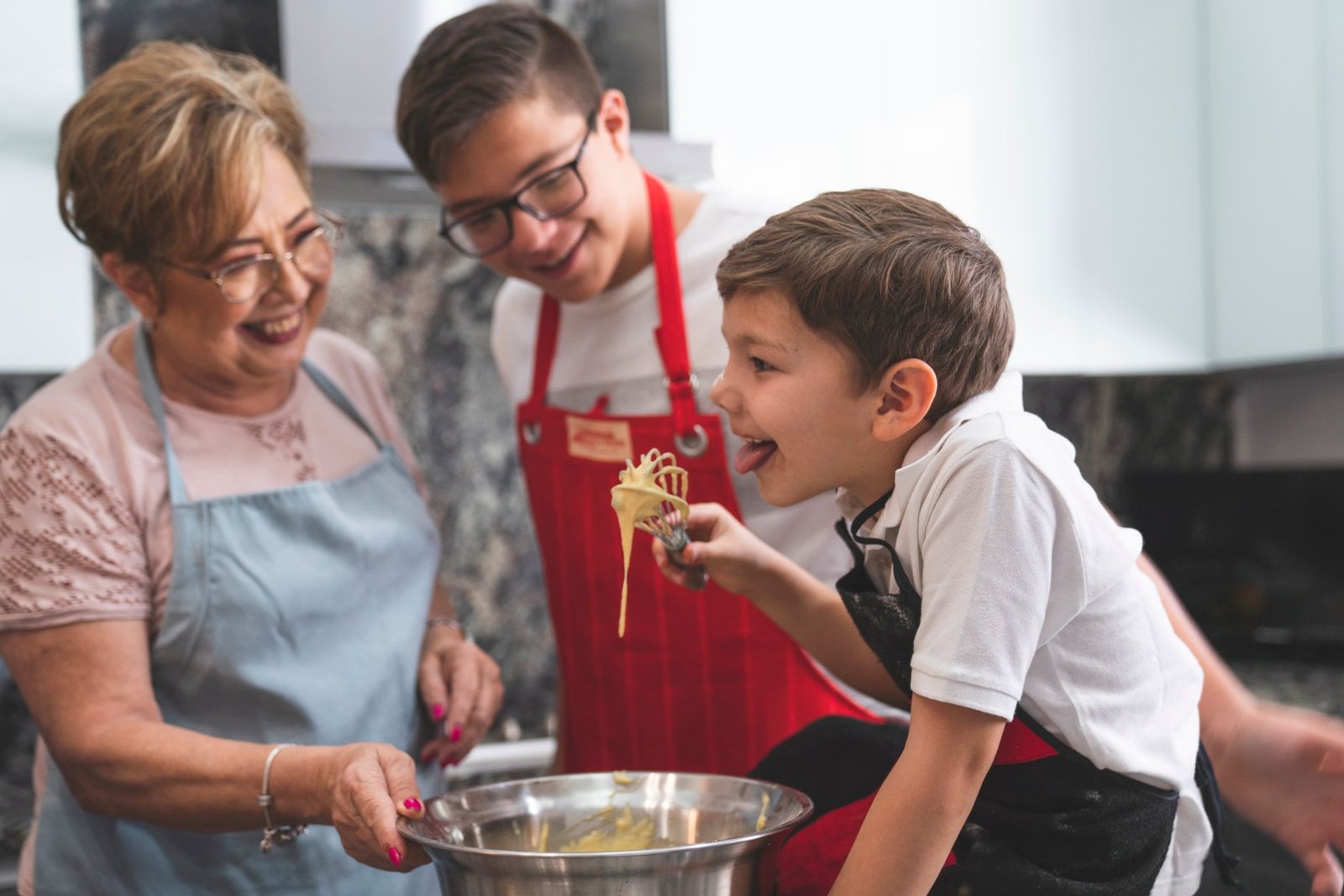
Cooking with kids can be one of the most enjoyable, educational, and rewarding experiences for both parents and children. It is an opportunity to bond, teach valuable life skills, and encourage healthy eating habits. However, knowing which tasks are age-appropriate can be a challenge. The kitchen can be a fun and safe environment when parents guide their children through various cooking tasks that match their developmental stages.
This article breaks down age-appropriate kitchen tasks by age group, providing practical ideas for engaging your children in cooking. From toddlers to teenagers, each stage of development brings unique abilities and interests. By cooking together, you not only teach your children about food and nutrition but also create lasting memories.
Before diving into specific tasks, remember that every child is different. While age can provide a general guideline, consider your child’s individual maturity and skills when assigning kitchen responsibilities.
Cooking with Toddlers (Ages 2-4)
Toddlers are naturally curious and eager to explore. At this age, the focus should be on sensory experiences and simple tasks that promote fine motor skills. Here are some activities suitable for toddlers:
- Washing fruits and vegetables: Toddlers can help rinse produce under cold water, learning about cleanliness and preparation.
- Mixing ingredients: With supervision, toddlers can use a spoon to stir ingredients in a bowl, which helps develop coordination.
- Pouring liquids: Allow your toddler to pour ingredients like water or milk into mixing bowls, helping them practice hand-eye coordination.
While engaging in these tasks, ensure that all ingredients are safe for them to handle and consume. Keep sharp objects and hot appliances out of reach to create a safe cooking environment.
Cooking with Preschoolers (Ages 4-5)
Preschoolers are ready for slightly more complex tasks. They can follow simple instructions and have the motor skills to handle some kitchen tools. Here are some examples of cooking tasks for this age group:
- Cutting soft foods: Using child-safe knives, preschoolers can cut soft fruits like bananas or cooked vegetables, allowing them to practice basic cutting skills.
- Measuring ingredients: Teach your preschooler to measure flour or sugar using cups and spoons, introducing them to concepts of volume and measurement.
- Assembling sandwiches or snacks: Encourage creativity by letting them assemble their own sandwiches, using various ingredients to create unique designs.
During these activities, emphasize safety by supervising closely and providing guidance as needed. The goal is to foster independence while ensuring a safe cooking experience.
Cooking with Early Elementary Kids (Ages 6-8)
As children enter elementary school, their skills and confidence in the kitchen grow. They can handle more responsibility and enjoy contributing to meal preparation. Here are some tasks appropriate for this age:
- Chopping fruits and vegetables: Kids can use a small, safe knife to chop softer items under adult supervision, increasing their dexterity.
- Following simple recipes: Let them read and follow simple recipes, encouraging reading comprehension and sequential thinking.
- Baking: Involve them in baking by measuring ingredients, stirring batter, and decorating cookies or cupcakes.
Encourage your child to ask questions and express their preferences during cooking. This age is perfect for introducing discussions about nutrition and healthy eating habits. You can also involve them in meal planning, exploring healthy lunchbox ideas that kids will actually eat every day.
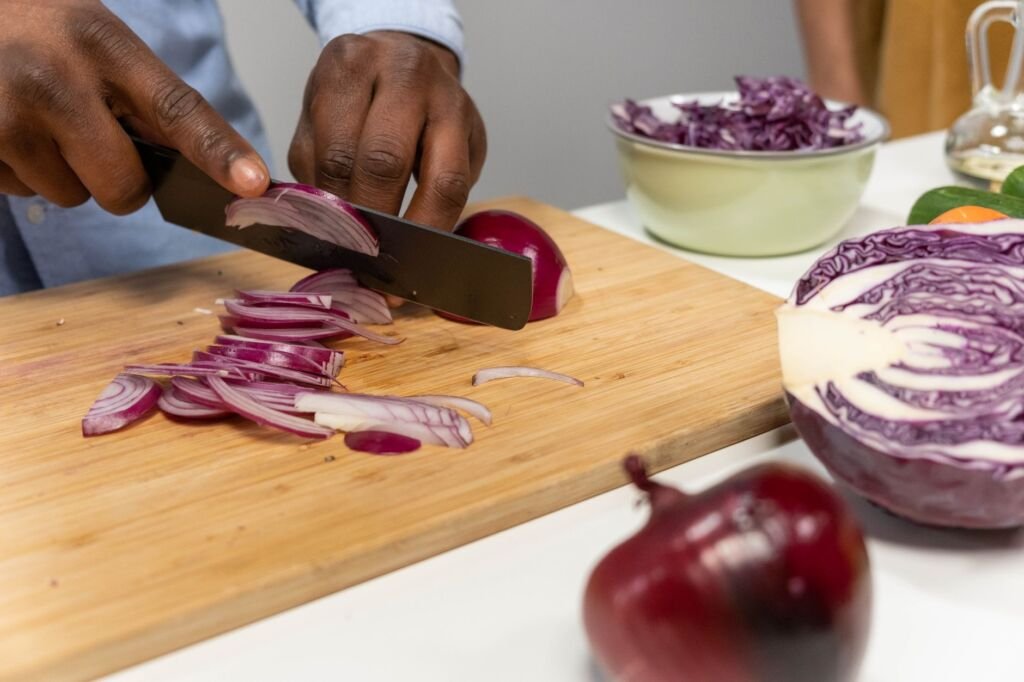
Cooking with Tweens (Ages 9-12)
Tweens are capable of handling more advanced cooking tasks. They often enjoy experimenting in the kitchen and can help with meal prep for the entire family. Here are some suggested tasks for this age group:
- Using kitchen appliances: Teach them how to safely use appliances like blenders, microwaves, and toasters, enhancing their culinary skills.
- Meal planning and grocery shopping: Involve them in planning meals for the week and taking them grocery shopping to learn about budgeting and nutrition.
- Cooking simple meals: Allow them to prepare simple meals, such as scrambled eggs, pasta, or stir-fries, fostering independence and confidence.
During this stage, encourage them to explore new recipes and flavors. Cooking can be a great way to express creativity and try new cuisines together. Make it a fun challenge to cook a meal from a different culture.
Cooking with Teens (Ages 13 and Up)
Teens are often eager to assert their independence, and cooking is an excellent way to do so. They can manage more complex tasks and even cook for the family. Here are some cooking responsibilities suitable for teens:
- Meal prep for the week: Teach them to plan and prepare meals ahead of time, which can help them learn organization and time management.
- Experimenting with recipes: Encourage them to try out new recipes or modify existing ones, allowing them to explore their culinary creativity.
- Cooking for special occasions: Invite them to take the lead in preparing family meals for holidays or celebrations, boosting their confidence and skills.
As teens gain independence in the kitchen, emphasize the importance of kitchen safety and hygiene. Discuss topics such as foodborne illnesses and the significance of proper food storage to instill lifelong healthy habits.
Creating a Safe Cooking Environment
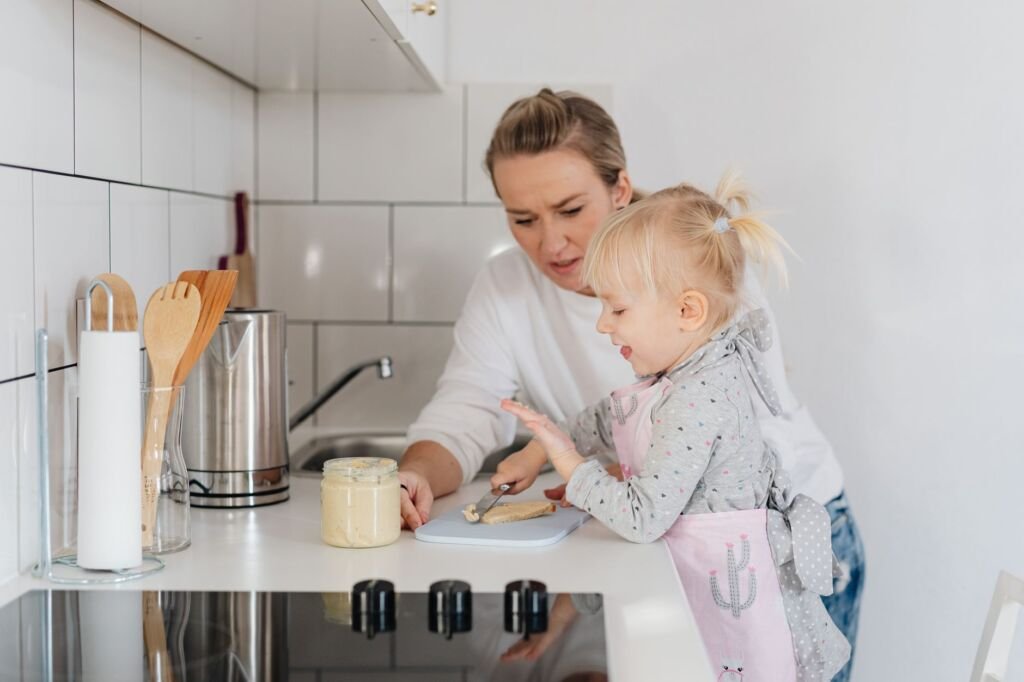
Safety in the kitchen is paramount, especially when cooking with children. Here are several strategies to ensure a safe environment:
- Childproofing the kitchen: Remove sharp objects and hazardous materials from reach, and use safety locks on cabinets containing dangerous items.
- Supervision: Always supervise children according to their age and skill level. Young children should never be left unattended in the kitchen.
- Teach safety rules: Establish clear kitchen safety rules, such as washing hands before cooking, handling knives carefully, and being cautious around hot surfaces.
By prioritizing safety, you create an environment where children can learn without fear and enjoy the process of cooking. Remember, the kitchen should be a space of exploration, creativity, and fun.
Cooking Skills for Children with Special Needs
Understanding Individual Needs
Each child is unique, especially those with special needs, and their cooking experiences should be tailored to their abilities. It’s essential to assess the specific challenges your child may face, whether they relate to motor skills, sensory issues, or cognitive abilities. For instance, children with fine motor difficulties may struggle with tasks that require precision, such as chopping or pouring. On the other hand, children on the autism spectrum might be sensitive to certain textures or smells in the kitchen.
Engaging with your child and observing their preferences is crucial. Here are some tips to help you understand their individual needs:
- Consult with occupational therapists for advice on suitable tasks.
- Incorporate sensory-friendly tools, like non-slip mats or adaptive utensils.
- Use visual aids, such as pictures or step-by-step instructions, to enhance comprehension.
Adapting Recipes for Inclusivity
Once you’ve identified your child’s needs, it’s time to adapt recipes to ensure they can participate fully and safely. This might involve simplifying tasks or selecting recipes that align more closely with their interests and abilities. For example, choosing recipes that require minimal chopping can be beneficial for children with fine motor challenges, while integrating sensory-friendly elements can help those with sensory sensitivities.
Consider these adaptations when cooking together:
- Use pre-cut vegetables or fruits to reduce the need for cutting.
- Incorporate one-pot meals that require less handling of ingredients.
- Allow your child to focus on mixing, stirring, or assembling ingredients rather than cooking them.
Building Confidence Through Cooking
Cooking can be an excellent way to build confidence and independence in children with special needs. Completing a cooking task successfully can provide a sense of accomplishment and encourage further engagement in the kitchen. Celebrate small victories, and make sure to praise your child’s efforts, regardless of the outcome.
Here are some strategies to boost your child’s confidence in cooking:
- Set achievable goals for each cooking session.
- Let your child choose recipes that excite them.
- Encourage creativity by allowing them to customize dishes with their favorite ingredients.
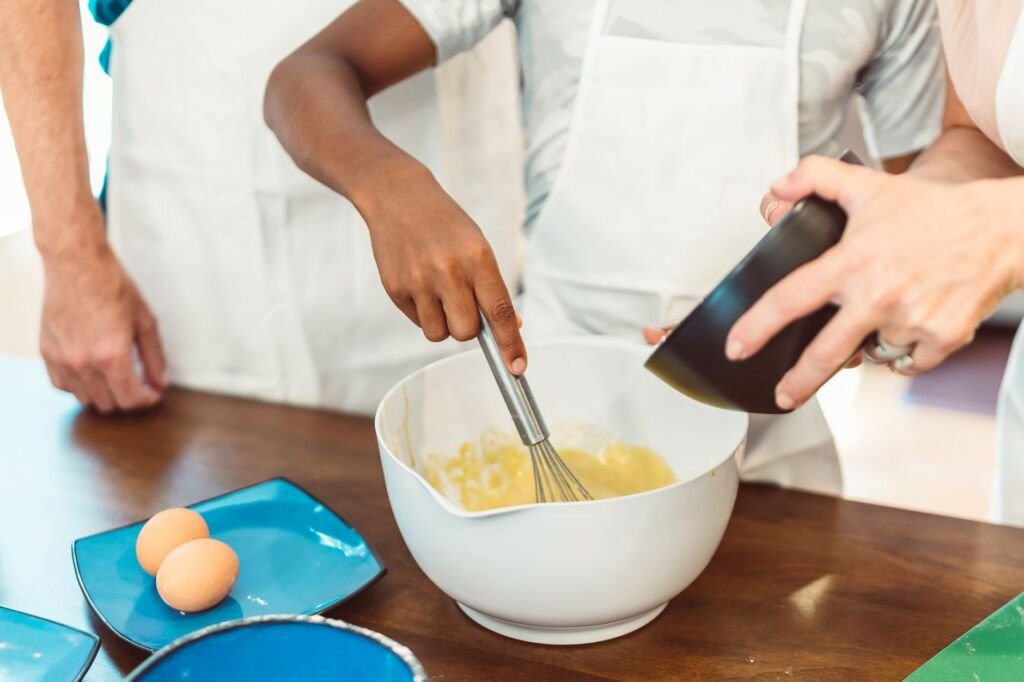
Incorporating Cultural Diversity Through Cooking
Exploring Global Cuisines
Cooking can be a gateway for children to learn about and appreciate various cultures. By exploring global cuisines, you can enrich your child’s understanding of the world while also developing their culinary skills. Each cuisine has unique cooking techniques, flavors, and ingredients, offering a broad spectrum of learning opportunities.
Start by introducing your children to different cultural dishes. Here are some fun ways to explore global cuisines:
- Choose a country each week and prepare a traditional dish from that culture.
- Incorporate stories or history related to the dish to enhance cultural appreciation.
- Attend local cultural festivals or cooking classes that focus on specific cuisines.
Cooking as a Family Tradition
Cooking can serve as a bonding activity that connects families across generations. Sharing family recipes that have cultural significance can help children appreciate their heritage while creating lasting memories. Encourage your children to participate in preparing these family dishes, making it a tradition that can be passed down.
Consider these ideas to strengthen family traditions through cooking:
- Host family cooking nights where everyone contributes to a meal.
- Document family recipes in a cookbook that children can help create.
- Share stories about the origins of each recipe and its significance.
Encouraging Open-mindedness and Acceptance
Cooking different cuisines can also foster open-mindedness in children, teaching them to appreciate diverse flavors and ingredients. This exposure can help them become more accepting of cultures and lifestyles different from their own. Encourage discussions around the dishes you prepare and the cultures they represent, emphasizing the importance of respect and curiosity.
Here are ways to promote acceptance and open-mindedness through cooking:
- Discuss the cultural significance of ingredients and cooking methods.
- Encourage taste-testing of unfamiliar foods without judgment.
- Invite friends or family from diverse backgrounds to share their culinary traditions.
Building Life Skills Through Meal Planning
Understanding Nutrition Basics
Engaging children in meal planning provides an excellent opportunity to teach them about nutrition. Understanding basic nutritional concepts can empower children to make healthier food choices as they grow. Discussing the food groups, portion sizes, and the importance of a balanced diet can lay the foundation for lifelong healthy eating habits.
To introduce nutrition basics, consider these strategies:
- Use visual aids like the Food Pyramid or MyPlate to discuss food groups.
- Incorporate discussions about the benefits of different nutrients found in foods.
- Encourage children to read nutrition labels and understand serving sizes.
Planning Balanced Meals
Once children grasp the fundamentals of nutrition, involve them in planning balanced meals. This can be an engaging way for them to apply what they’ve learned while reinforcing their role in the family kitchen. Teach them to think about including a variety of food groups in each meal, considering taste and presentation as well.
To help children plan balanced meals, use these tips:
- Make it a fun challenge to create meals using specific ingredients.
- Discuss and explore different cooking methods that retain nutritional value.
- Encourage them to try new recipes that incorporate various food groups.
Budgeting Skills in the Kitchen
Meal planning also offers a practical lesson in budgeting. Teaching children about budgeting can help them understand the value of money and how to make cost-effective choices in the kitchen. Involving them in planning meals within a budget can empower them to make informed decisions about food purchases.
Here are ways to incorporate budgeting skills into cooking:
- Set a weekly budget for groceries and let children help in choosing foods within that limit.
- Discuss the cost of ingredients and the importance of price comparison.
- Encourage them to look for sales, use coupons, and consider seasonal produce.
Related reading: Healthy Lunchbox Ideas Kids Will Actually Eat Every Day and Budget Family Vacation Ideas That Kids Love.
Trusted sources: MyPlate: Kids, Common Sense Media.
Frequently Asked Questions
What age should I start cooking with my child?
It’s best to start engaging your child in the kitchen as early as age two. Start with simple tasks that match their developmental abilities.
How can I make cooking more fun for my kids?
Incorporate games, allow them to choose recipes, and encourage creativity in meal presentation to make cooking more enjoyable.
Are there any safety tips for cooking with kids?
Always supervise children in the kitchen, teach them about safe handling of kitchen tools, and ensure hazardous items are out of reach.
How can cooking with kids promote healthy eating?
When kids are involved in preparing their meals, they are more likely to try new foods and develop a positive relationship with healthy eating.
The Bottom Line
Cooking with kids not only provides valuable life skills but also strengthens family bonds and promotes healthy eating habits. By assigning age-appropriate tasks, you create a safe and enjoyable learning environment in the kitchen. Remember that cooking together is about more than just food; it’s about creating memories and fostering a love for culinary exploration.
Encourage your child to ask questions while cooking, fostering curiosity and engagement in the culinary process.[/aap_tip>
Was this article helpful?
Thanks for letting us know! Your feedback helps us make our articles better.

Writer at Apparently a Parent, covering the everyday joys and challenges of raising a family.



One Response