Budget Family Vacation Ideas That Kids Love
Explore budget family vacation ideas that create lasting memories without breaking the bank. Perfect for families of all backgrounds!


In this article
Key takeaways
- Affordable vacations can be fun and memorable.
- Consider local attractions and activities.
- Get the kids involved in planning to boost excitement.
- Plan ahead to ensure a smooth and enjoyable trip.
When it comes to family vacations, the idea of creating lasting memories doesn’t have to come with a hefty price tag. Budget family vacation ideas can provide your loved ones with enriching experiences and fun adventures without straining your finances. In today’s world, where family time is so precious, it’s essential to find ways to explore and bond without breaking the bank.
Every family is different, and what excites one child may not resonate with another. Therefore, tailoring your vacation ideas to fit your family’s unique interests and preferences can make a significant difference. By keeping an open mind and being resourceful, you can discover a world of opportunities right in your own backyard or just a short drive away.
In this guide, we will explore various budget-friendly vacation ideas that your kids will love, along with practical tips to make your family adventure enjoyable and stress-free.
Camping Adventures: Nature Awaits
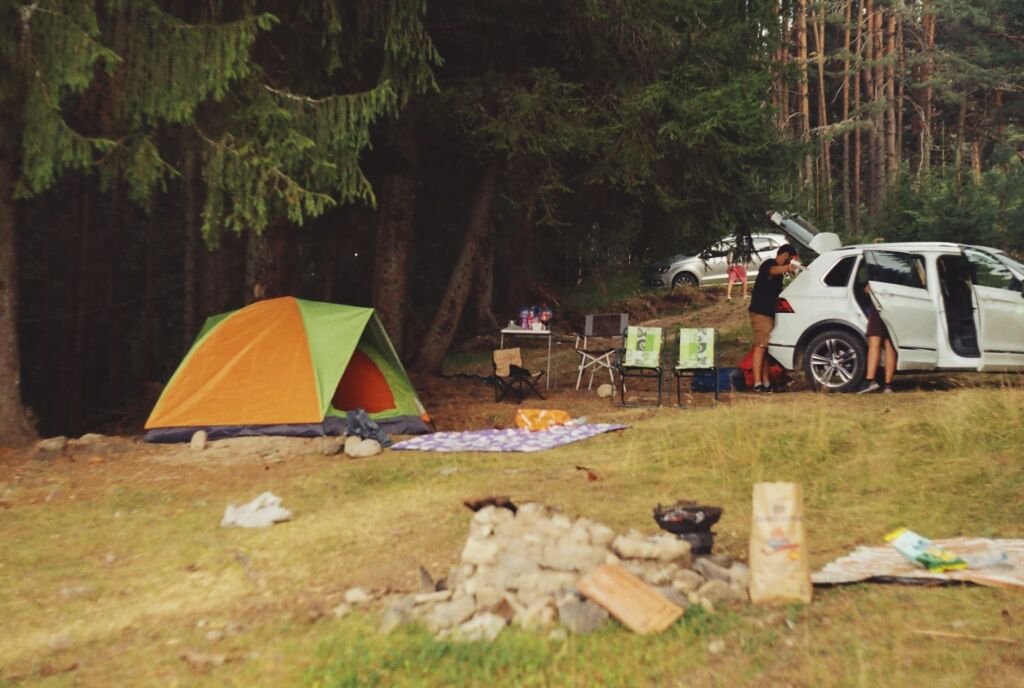
Camping is an excellent budget-friendly vacation idea that allows families to connect with nature while enjoying quality time together. Whether you choose to camp in a tent, RV, or cabin, the experience can be both thrilling and educational for your children.
Setting up camp in a national park or a local campsite offers endless opportunities for exploration. Kids can learn about wildlife, engage in outdoor activities like hiking or fishing, and even discover the basics of campfire cooking. Plus, camping often comes at a fraction of the cost of a traditional hotel stay.
To enhance your camping experience, consider the following tips:
- Involve your kids in planning: Let them help choose the campsite and activities. This will make them more excited and invested in the trip.
- Pack smart: Bring essential camping gear, cooking supplies, and food to avoid unnecessary expenses on the road.
- Explore free activities: Look for hiking trails, swimming spots, and other natural attractions nearby that won’t cost a dime.
Choosing the Right Campsite
When selecting a campsite, keep in mind the following factors to ensure a successful trip:
- Location: Choose a site that is close to home to minimize travel costs and time.
- Facilities: Check for amenities such as bathrooms, showers, and fire pits to make your stay comfortable.
- Safety: Ensure the area is safe for children and offers a range of suitable activities for their age group.
Exploring Local Attractions
Sometimes the best adventures are right in your own community. Exploring local attractions can provide engaging experiences for your family while keeping costs down. Many cities offer free or low-cost activities that can be both fun and educational.
Start by creating a list of nearby attractions such as parks, museums, and historical sites. Many museums have free admission days, and local parks often host events and activities suitable for families. You can also look into community calendars to find festivals, concerts, and other family-friendly events.
Engaging in these activities can help your children appreciate their surroundings and learn more about their local culture.
Ideas for Local Adventures
Here are some budget-friendly local adventure ideas to consider:
- Visit a local museum: Many museums offer free admission on certain days, making it easy to explore art, history, and science without spending much.
- Explore nature trails: Check out nearby nature preserves, parks, or botanical gardens for a day of hiking and outdoor exploration.
- Attend community events: Look for free festivals, fairs, and parades in your area to immerse your family in local culture.
Road Trips: The Journey is the Destination
Road trips are a classic family vacation option that allows for flexibility and adventure without breaking the bank. They provide the opportunity to explore various destinations while creating lasting memories together.
Before hitting the road, plan your route and include stops at interesting landmarks, parks, or attractions along the way. You can make the journey exciting by playing car games, listening to audiobooks, or creating a travel journal where kids can document their experiences.
Road trips can also be an excellent opportunity to bond as a family. Sharing stories, playing music, and enjoying the scenic views can make the drive as enjoyable as the destination itself.
Road Trip Planning Checklist
Planning a successful road trip requires organization. Use this checklist to ensure you’re prepared:
- Route planning: Map out your route and include interesting stops along the way.
- Pack snacks: Bring a variety of healthy snacks to keep everyone satisfied and energized during the drive.
- Prepare entertainment: Download audiobooks, podcasts, or create playlists to keep kids entertained on long drives.
- Emergency kit: Pack a roadside emergency kit, including first-aid supplies, water, and basic tools.

Volunteering Together: A Meaningful Getaway
Consider a vacation centered around volunteering as a family. Participating in community service projects allows you to give back while creating meaningful experiences with your children. Many organizations offer opportunities for families to volunteer together, whether at a local shelter, park restoration project, or wildlife conservation effort.
This type of vacation not only fosters a sense of gratitude and empathy but also helps children develop valuable life skills. They learn teamwork, responsibility, and the importance of helping others.
In addition to volunteering, you can explore the area where you’re helping. This can turn your trip into a unique blend of service and exploration.
Finding Volunteer Opportunities
To find suitable volunteer opportunities for your family, try the following:
- Research local organizations: Look for nonprofits in your chosen destination that welcome family volunteers.
- Contact schools or community centers: These institutions often have connections to local projects that need assistance.
- Explore online platforms: Websites like VolunteerMatch or Idealist can help you find family-friendly volunteer opportunities.

Staycations: Enjoying Home Sweet Home
If traveling far isn’t an option, consider a staycation. This approach allows you to enjoy time off while remaining at home, exploring local activities, and treating your family to a change of pace.
Plan activities that you may not typically do on a regular weekend. This could include visiting local attractions, having picnic lunches in the park, or hosting a movie night with beloved family films. Involve your kids in creating a staycation itinerary to boost excitement and engagement.
Staycations can be just as enjoyable and memorable as traditional vacations, providing families with the opportunity to bond without the stress of travel logistics.
Ideas for an Engaging Staycation
Here are some fun ideas to make your staycation special:
- Host themed dinners: Prepare meals from different cultures and explore their customs and traditions together.
- Have a backyard campout: Set up a tent in your yard for a night of camping under the stars.
- Explore local parks: Spend time outdoors by visiting nearby parks or nature reserves, enjoying picnics or hikes.

Arts and Crafts Retreats: Unleashing Creativity
Engaging in arts and crafts can be a fantastic way for families to bond while fostering creativity. Consider a weekend getaway where your family can participate in various workshops or even set up a mini-arts retreat at home. Here are some ideas on how to plan an arts-focused vacation.
1. Local Art Festivals
Many towns host annual art festivals that feature local artists, live demonstrations, and hands-on workshops for kids. Attending one of these festivals can be both educational and enjoyable. Here are some activities to look for:
- Interactive art stations for children
- Live art demonstrations
- Family-friendly exhibits
These festivals often allow children to interact with artists, learn about different art forms, and even create their own masterpieces. This hands-on experience can inspire children and give them a new appreciation for art.
2. DIY Arts Retreat at Home
If traveling isn’t an option, consider turning your home into an arts retreat for a weekend. Set up various craft stations in different rooms, each focusing on a specific medium, such as painting, sculpture, or photography. Here’s how to organize it:
- Gather art supplies like paints, canvases, clay, and cameras.
- Schedule time for each activity, ensuring everyone has a chance to explore their creativity.
- End the retreat with a mini art show where family members can display their creations.
By creating a structured yet flexible environment, family members can express themselves artistically while also enjoying quality time together.
3. Art Classes and Workshops
Look for local art studios or community centers offering family-oriented art classes. Many of these classes cater to all ages, allowing parents and children to learn new skills together. Popular classes to consider include:
- Pottery making
- Painting workshops
- Crafting with recyclable materials
Participating in these classes not only enhances creative skills but also strengthens family bonds through shared experiences, making for memorable vacations.

Nature Exploration: Beyond Camping
While camping is a popular way to connect with nature, there are many other budget-friendly ways to explore the great outdoors as a family. Nature exploration can include hiking, visiting national parks, or even participating in guided nature walks. Here are a few ideas to consider.
1. Scenic Hiking Trails
Finding local hiking trails can be an affordable way to enjoy nature while getting some exercise. Research nearby trails that are family-friendly and offer varying levels of difficulty. Here are a few tips for a successful hiking trip:
- Pack plenty of snacks and water to keep energy levels high.
- Bring a first-aid kit and any necessary gear.
- Encourage children to engage with nature by looking for unique plants or animals along the way.
Hiking not only promotes physical fitness but also provides opportunities for learning about local ecosystems and wildlife.
2. Nature Scavenger Hunts
Creating a nature scavenger hunt can make exploring the outdoors even more exciting for kids. Prepare a list of items commonly found in your local parks or nature reserves, such as different types of leaves, rocks, or animal tracks. Here’s how to organize one:
- Gather materials like paper bags for collecting items.
- Divide the family into teams and set a time limit for the hunt.
- Offer small prizes for completing the scavenger hunt.
This activity encourages teamwork and helps children appreciate their surroundings while having fun.
3. Educational Nature Tours
Many parks and nature centers offer guided tours that focus on local flora and fauna. These tours can be both informative and engaging for the whole family. Consider the following:
- Look for tours led by naturalists or park rangers.
- Participate in hands-on activities during the tour, such as birdwatching or plant identification.
- Ask questions to deepen your children’s understanding of the environment.
Such experiences can ignite a lifelong love for nature and conservation while providing a budget-friendly educational experience.
Historical Adventures: Learning Through Travel
Exploring historical sites can be an enriching family vacation experience. It provides kids with insights into the past while fostering a sense of curiosity and learning. Here’s how you can plan a historical adventure.
1. Visiting Local Historical Landmarks
Research historical landmarks in your area or in nearby towns. Many sites may offer free or low-cost entry, making them budget-friendly options for a family outing. Popular sites can include:
- Historic homes and museums
- Battlefields or monuments
- Living history farms
These visits often include informative tours that can captivate children’s interest and provide context about the region’s history.
2. Interactive History Programs
Look for programs offered by local historical societies or museums that engage children through interactive learning. These programs may include:
- Costumed reenactments
- Hands-on workshops such as blacksmithing or pottery
- Storytelling sessions about historical events
Such activities can make history come alive for children, allowing them to connect with the past in a meaningful way.
3. Historical Road Trips
Consider planning a historical road trip, where each stop is at a significant landmark or site. Create a themed itinerary that focuses on a specific era or event, such as:
- The Civil War
- The American Revolution
- The Gold Rush
This can turn a simple road trip into an educational journey, enriching family discussions and encouraging kids to research and learn more about each destination beforehand.
Related reading: Flying With a Baby: Essential Tips for a Smoother Flight and Road Trips With Kids: 12 Tips for a Smoother Ride.
Trusted sources: MyPlate: Kids, Common Sense Media.
Frequently Asked Questions
How can I save money on family vacations?
Consider traveling during off-peak times, using coupons or discount sites, and planning activities that are free or low-cost.
What are some tips for traveling with young kids?
Pack snacks, bring entertainment options, and make frequent stops to keep kids comfortable and engaged on long trips.
How do I choose a budget-friendly destination?
Look for places with free attractions, natural beauty, and affordable lodging options. Consider nearby locations to minimize travel costs.
What activities can we do on a budget during vacation?
Explore parks, visit local museums on free days, hike nature trails, and attend community events for free entertainment.
The Bottom Line
Creating unforgettable family memories doesn’t have to come with a hefty price tag. By exploring budget family vacation ideas, you can enjoy meaningful experiences together while staying within your means. Remember to involve your kids in the planning process, be open to local adventures, and embrace the joy of spending quality time together. No matter the destination, the most important part is being together as a family.
Was this article helpful?
Thanks for letting us know! Your feedback helps us make our articles better.

Writer at Apparently a Parent, covering the everyday joys and challenges of raising a family.




2 Responses