Fun Family Game Night Ideas for Every Age Group
Explore engaging family game night ideas suitable for every age group, ensuring fun and connection for the whole family.

In this article
Key takeaways
- Versatile games for all ages promote family bonding.
- Creative themes can enhance the game night experience.
- Incorporating snacks makes game night even more enjoyable.
- Adjusting rules can keep games accessible for younger players.
Family game nights are a splendid way to bring everyone together, enhancing bonds while creating cherished memories. Whether you have toddlers, tweens, or teens, there’s a game suitable for every age. You can transform an ordinary evening into a fun-filled gathering where laughter echoes and connections deepen.
In today’s fast-paced world, it’s essential to carve out time for family activities. Game nights not only provide entertainment but also promote healthy interaction. They teach children important skills such as teamwork, communication, and problem-solving.
This guide explores family game night ideas tailored to various age groups. You’ll find recommendations that cater to different interests, ensuring that everyone is engaged and enjoying the experience.
Game Night for Toddlers (Ages 2-4)
When planning a game night for toddlers, simplicity and sensory play are key. At this age, children are just beginning to understand the concept of games and competition. Focus on activities that encourage movement, creativity, and basic cognitive skills.
Consider starting with games that are easy to understand and require minimal setup. Matching games, simple board games, and interactive storytime can be excellent options. Their short attention spans mean that quick, engaging games are the best fit.
Here are some toddler-friendly game ideas:
- Color Matching Games: Use colored blocks or cards and have the children match them. This helps with color recognition.
- Animal Charades: Act out different animals and let the toddlers guess. This encourages imagination and physical movement.
- Simon Says: A classic game that helps develop listening skills and following directions.
- Storytime Games: Read a book and let the kids act out parts of the story, fostering creativity and comprehension.
Game Night for Preschoolers (Ages 4-5)
Preschoolers are ready for slightly more structured games that still emphasize fun and learning. At this age, they can grasp basic rules and enjoy playing with others. Choose games that incorporate both physical activity and educational elements.
Incorporating themes can make game night even more exciting for preschoolers. For instance, you might choose a favorite character or animal theme. Dress up or use themed decorations to enhance the experience.
Here are some engaging game ideas for preschoolers:
- Memory Game: Create a simple memory card game using images of their favorite characters or animals.
- Obstacle Course: Set up a mini obstacle course in your living room or backyard. Use cushions, chairs, and toys to create fun challenges.
- Musical Chairs: A fun game that involves music and movement, where children must find a seat when the music stops.
- Treasure Hunt: Create a simple treasure hunt with clues leading to small toys or treats around the house.
Game Night for Early Elementary (Ages 6-8)
As children enter elementary school, they develop better critical thinking skills and can handle more complex games. This is an ideal time to introduce board games that require strategy and teamwork. The focus should still be on having fun while fostering important social skills.
Creating a game night tradition can be beneficial. Consider designating one night a week for your family game night. Rotate who chooses the game each week, allowing everyone to have a say and be excited about the upcoming game.
Here are some fantastic game ideas for this age group:
- Uno: A classic card game that teaches counting and strategy while remaining easy to play.
- Connect 4: A fun two-player game that requires players to think ahead to win.
- Pictionary Junior: A drawing game that encourages creativity and teamwork.
- Board Games: Consider games like Chutes and Ladders or The Game of Life which combine fun with educational elements.
Game Night for Tweens (Ages 9-12)
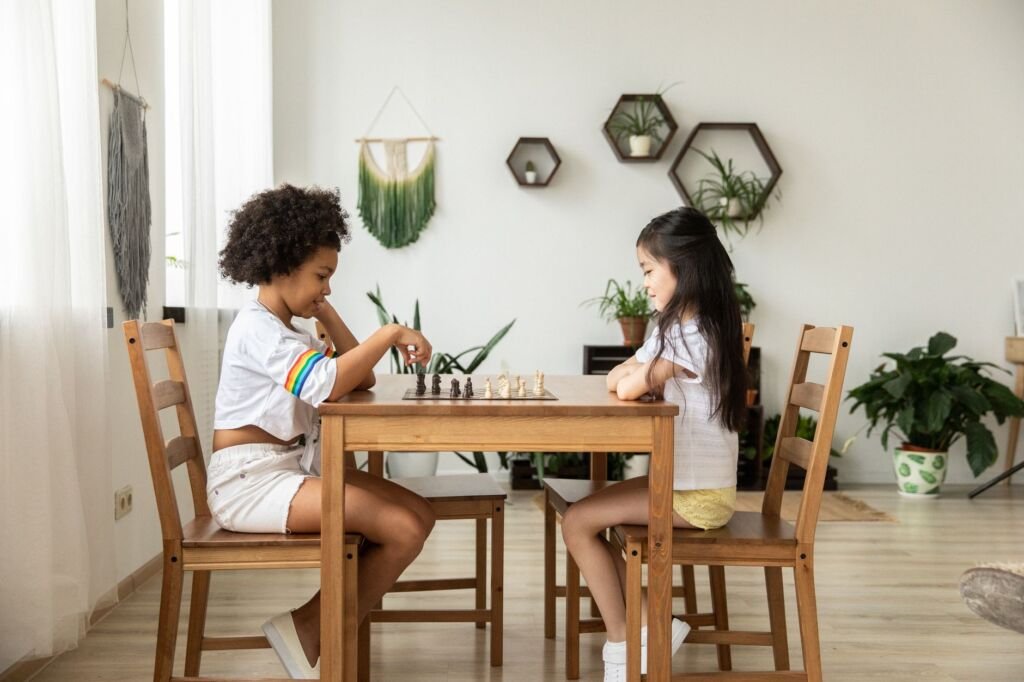
Tweens thrive on social interaction and often enjoy games that allow for more competition and strategy. At this age, they can handle the rules of complex games and are capable of engaging in longer sessions. The goal is to ensure everyone has a chance to participate and have fun.
Consider inviting friends to join the game night, making it a larger social event. This allows kids to bond while playing games that challenge their skills and encourage teamwork.
Here are some great game options for tweens:
- Settlers of Catan: A strategy board game that promotes trading and resource management.
- Taboo: A word-guessing game that encourages communication and quick thinking.
- Charades: A fun game that can be tailored to their interests, allowing them to act out movies, books, or famous people.
- Video Games: Consider multiplayer video games that allow for cooperative play, fostering teamwork.
Game Night for Teens (Ages 13 and Up)
Teenagers typically enjoy games that involve strategy, storytelling, and social interaction. They are also more likely to appreciate humor and creativity in their games. The complexity of rules and themes can be increased, allowing for deeper engagement.
Encourage teens to invite their friends over for a game night. This not only strengthens their social skills but also creates a lively atmosphere filled with camaraderie and laughter.
Here are some engaging game ideas for teens:
- Codenames: A word association game that challenges players to think critically and communicate effectively.
- Cards Against Humanity: A party game for older teens that encourages humor and creativity.
- Dungeons & Dragons: A role-playing game that allows for storytelling and imaginative play.
- Online Multiplayer Games: Encourage cooperative online games that promote teamwork and strategy.
Creating a Themed Game Night
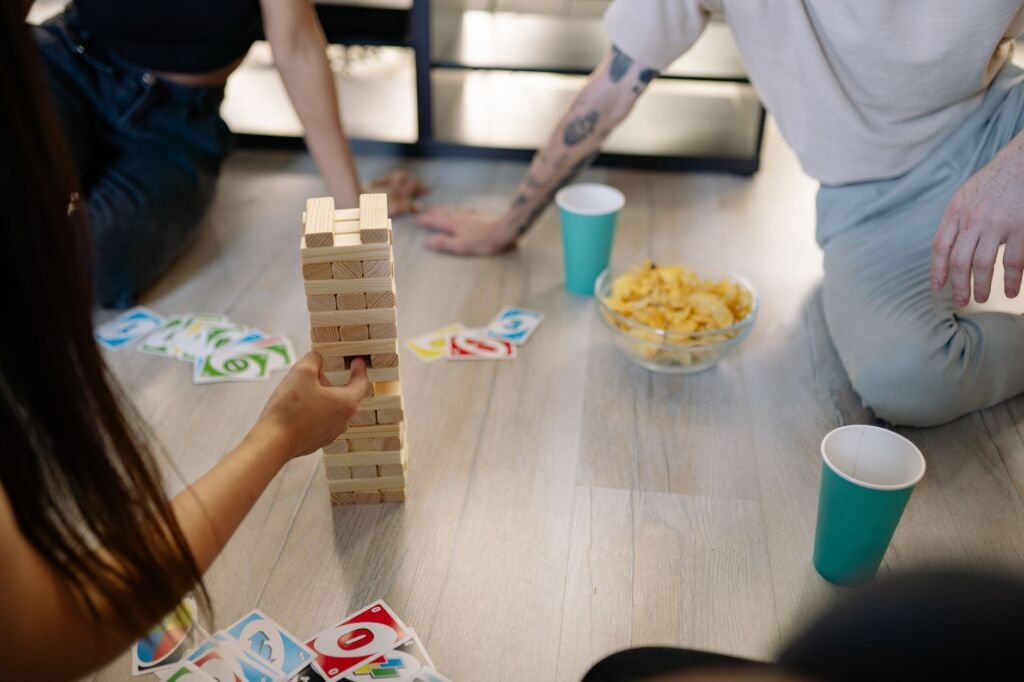
Themed game nights can add an extra layer of excitement and creativity to your regular game night. You can choose themes based on holidays, seasons, or even family interests. Themes allow for dressing up, themed decorations, and specialized snacks that enhance the overall experience.
Here are some exciting theme ideas you might consider:
- Movie Night: Choose a specific movie franchise and have everyone dress up as their favorite character.
- Family History Night: Play games related to family history or trivia about your family.
- Outdoor Adventure Night: If the weather permits, take the games outside for a picnic-style game night.
- Decade Theme: Select a decade and have everyone dress accordingly while playing games from that era.
Snacks and Refreshments for Game Night
No game night is complete without delicious snacks and refreshments. The right snacks can enhance the fun and make the experience even more enjoyable. Consider including a mix of healthy options and indulgent treats to cater to everyone’s preferences.
Here are some snack ideas to consider for your game night:
- Veggie Platter: Pair fresh vegetables with hummus or dip for a healthy option.
- Popcorn: Offer different flavors, from classic butter to spicy or cheesy popcorn.
- Fruit Skewers: Assemble colorful fruit skewers for a fun, healthy treat.
- Mini Sandwiches: Create small sandwiches with various fillings that are easy to grab and eat.

Game Night for Multi-Generational Families
Bridging the Age Gap
Game night can be an excellent opportunity for multi-generational families to bond. The key is to select games that everyone can participate in and enjoy. Board games like Ticket to Ride or Settlers of Catan can cater to a wide age range, as they involve strategic thinking but are easy enough for younger players to grasp with some guidance. Additionally, cooperative games like Forbidden Island encourage teamwork across generations.
When planning your game night, consider introducing a rotating game selection where each family member gets to choose a game. This not only empowers the younger kids to feel included but also gives older generations a chance to share their favorites. Here are some recommended games that work well for all ages:
- Uno – A classic card game that is easy to understand and quick to play.
- Charades – This game encourages creativity and can be tailored to any age group.
- Pictionary – A drawing game that fosters teamwork and can be adapted for difficulty.
Storytelling and Role-Playing Games
Incorporating storytelling into your game night can lead to some unforgettable moments. Games such as Dungeons & Dragons or Once Upon a Time allow players to use their imagination and creativity while fostering collaboration. These games are particularly engaging for families with varying age groups as they can be adapted to different skill levels.
To enhance the storytelling experience, consider setting the scene with themed decorations or costumes that relate to the story. This adds an extra layer of excitement and encourages participation from all family members. Here are some tips to maximize the storytelling aspect:
- Encourage everyone to contribute to the narrative.
- Utilize props or costumes to make the experience more immersive.
- Set a time limit for each storytelling segment to keep the pace lively.
Physical Activity Games
Integrating physical activity into game night can add a fun twist and help promote healthy habits. Games like Twister and Just Dance not only encourage movement but also result in lots of laughter, making them suitable for all ages. Physical games can help younger kids burn off energy while providing a fun challenge for older family members.
Consider organizing mini-tournaments where family members can compete in various physical challenges, such as relay races using household items or scavenger hunts around the house. Here are some engaging physical activity games:
- Simon Says – A classic game that gets everyone moving.
- Balloon Volleyball – Simple yet hilarious, this game can be played indoors or outdoors.
- Obstacle Course – Use furniture and toys to create a fun course that everyone can navigate.
Game Night with a Purpose
Educational Games
Infusing educational elements into game night can make learning fun without feeling like a chore. Games that challenge players’ math, spelling, or problem-solving skills can be both entertaining and beneficial. For instance, games like Scrabble and Math Dice are excellent for encouraging literacy and numeracy skills, respectively.
To enhance the educational aspect, consider setting specific learning goals for each game night. For example, you could focus on vocabulary building one week and math skills the next. Additionally, you could create a reward system where players earn points for successful learning outcomes. Here are some educational games to consider:
- Brain Quest – A trivia game that spans various subjects and age levels.
- ThinkFun Games – A collection of logic and strategy games that challenge critical thinking.
- Story Cubes – A creative storytelling game that promotes language skills.
Charitable Giving Through Games
Consider incorporating a charitable element into your game night by selecting games that promote social skills and empathy. Games like The Game of Life and Compassion teach players about real-world issues and encourage compassion and understanding. Additionally, you can use game night as an opportunity to raise funds or collect items for local charities.
Encourage family members to discuss the importance of giving back while playing these games. You can even create a family challenge where a portion of any winnings from game night goes toward a charity of your choice. Here are some ideas for incorporating charitable giving:
- Choose a charity to support and set a fundraising goal.
- Organize a donation drive alongside your game night.
- Share stories of how the donations will help others in your community.
Creating Meaningful Family Traditions
Making game night a regular tradition can strengthen family bonds and create lasting memories. Establishing specific themes or activities for each game night can elevate the experience and give everyone something to look forward to. For example, you could designate a monthly game night where each family member takes turns choosing the theme, whether it be ‘Retro Night’ featuring classic games or ‘Cultural Night’ where you explore games from different countries.
Encourage family members to document their game nights. Whether through photos, video recordings, or a family journal, capturing these moments can add to the nostalgia and excitement of future game nights. Here are some ideas to start family traditions:
- Create a family game night calendar to keep track of upcoming themes.
- Incorporate a special award for the ‘Game Night Champion’ to encourage friendly competition.
- End each game night with a family reflection on the favorite moments of the evening.
Game Night for Families with Special Needs
Inclusive Game Options
When planning a game night for families with members who have special needs, it is important to choose games that are inclusive and adaptable. Games that focus on turn-taking and cooperative play, such as Cooperative Games or Giant Jenga, can be beneficial. Look for games that offer different levels of difficulty to accommodate varying abilities.
Consider creating a calming game environment that minimizes distractions, making it easier for everyone to focus. You can also use visual aids or simplified instructions to help all players understand the rules better. Here are some games that work well for inclusivity:
- Connect 4 – Simple and straightforward, requiring basic strategy.
- Memory Card Games – Great for memory enhancement and suitable for all ages.
- Animal Upon Animal – Encourages fine motor skills and is visually engaging.
Adapting Rules for Accessibility
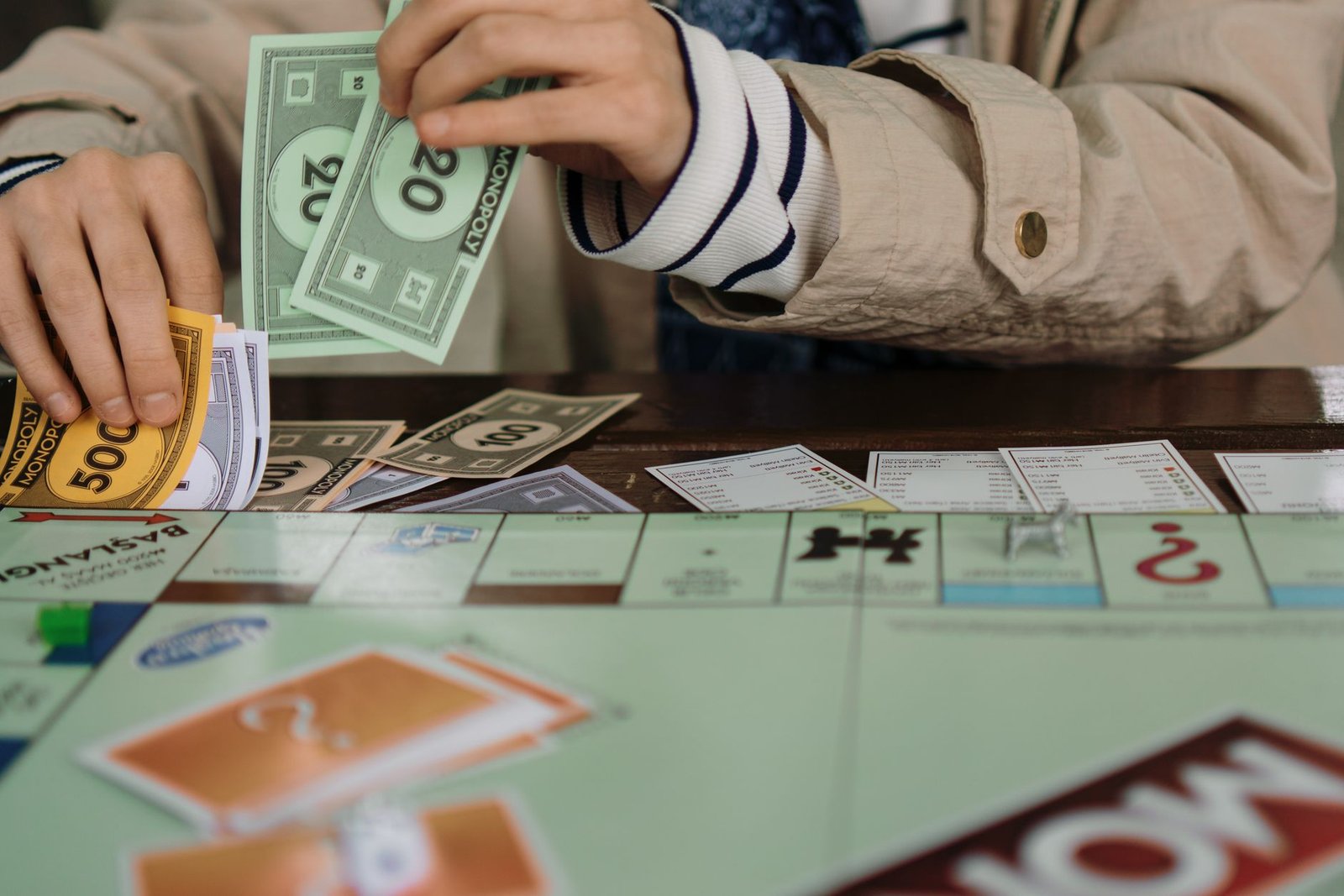
To ensure that everyone can participate, consider adapting the rules of traditional games to better suit your family’s needs. This could involve simplifying rules, using a timer for turns, or allowing for more flexible gameplay. For example, in a game like Monopoly, you could simplify the rules by eliminating certain components to reduce the game’s duration.
Engage family members in discussions about what adaptations would work best for them. This not only empowers those with special needs but also fosters a sense of teamwork. Here are some ways to adapt game rules:
- Allow for longer turn times as needed.
- Provide options for alternative scoring methods.
- Use larger game pieces or tactile materials for better accessibility.
Encouraging Social Skills
Game night is a perfect time to foster social skills, especially for children with special needs. Choose games that emphasize turn-taking, sharing, and communication. Games like Guess Who? or Don’t Wake Daddy can help teach these valuable skills in a fun and engaging way.
You can also incorporate role-playing elements into your game night to practice social scenarios, such as greetings, expressing emotions, or conflict resolution. Using games as a tool for socialization can be beneficial for all family members. Here are some strategies to incorporate social skill development:
- Discuss emotions and strategies during gameplay.
- Use role-playing to practice real-life social situations.
- Encourage positive reinforcement and praise for good social interactions.
Related reading: Celebrate Birthdays Specially Without Breaking the Bank and Engaging Science Experiments for Kids at Home.
Trusted sources: MyPlate: Kids, Common Sense Media.
Frequently Asked Questions
What games are best for large family gatherings?
For larger gatherings, games that can accommodate multiple players, like Charades, Taboo, or team-based games like Capture the Flag, can be great options.
How can I keep younger children engaged during game night?
To keep younger children engaged, choose shorter games with simple rules and include breaks for physical activity. Incorporate snacks to maintain energy levels and interest.
What if my child has a specific interest?
Leverage your child’s interests by selecting themed games that align with their passions, whether it’s superheroes, animals, or a favorite movie franchise.
How often should we have family game nights?
Establishing a weekly game night can create a family tradition that everyone looks forward to. However, adjust the frequency based on your family’s schedule and preferences.
The Bottom Line
Family game nights can be a wonderful way to connect, communicate, and create lasting memories. By tailoring the games and themes to suit every age group, you ensure that each family member feels included and engaged. Enjoy the laughter, the competition, and the joy that comes from spending quality time together. Embrace the fun and let your family game nights become a cherished tradition.
Was this article helpful?
Thanks for letting us know! Your feedback helps us make our articles better.

Writer at Apparently a Parent, covering the everyday joys and challenges of raising a family.




2 Responses