Family Movie Night: How to Pick a Film Everyone Will Enjoy
Make family movie night easy with tips for choosing films for mixed ages, fair ways to pick, cozy setup ideas and kid-friendly snacks.


In this article
Key takeaways
- Choose films that suit your youngest viewer and check detailed parent reviews.
- Use a fair system like taking turns or a movie jar to avoid arguments.
- A cozy setup and simple snacks make the night feel special.
- Talking about the movie afterward builds empathy and connection.
Few things feel as cozy as a family movie night. Blankets on the couch, a big bowl of popcorn and everyone laughing at the same scene can turn an ordinary evening into a favorite memory. But anyone who has tried it knows the reality can look different: a 20-minute debate over what to watch, a preschooler scared by the villain and a teen who rolls their eyes at anything animated.
With a little planning, family movie night can become one of the easiest and most loved rituals in your home. The key is choosing films that work for your whole crew, setting a few simple ground rules and making the night feel special without making it complicated.
This guide covers how to pick a film everyone will enjoy, how to handle mixed ages, snack and setup ideas and ways to turn watching a movie into real family connection.
Why Family Movie Night Is Worth Making a Ritual
It is easy to think of screen time as time apart, but watching a movie together can be the opposite. Shared stories give families something to talk about, laugh about and quote for years. A good film can open conversations about kindness, courage, friendship or loss that might feel awkward to start out of nowhere.
A regular movie night also creates something kids can count on. Predictable rituals help children feel secure, and the weekly anticipation is part of the fun. If you are looking for more ideas like this, our list of simple family traditions to start this year has plenty of low-effort rituals to add.
Pediatricians also encourage families to watch media together when they can. The American Academy of Pediatrics recommends co-viewing, talking about what you see and choosing high-quality content, all of which a planned movie night makes easy.
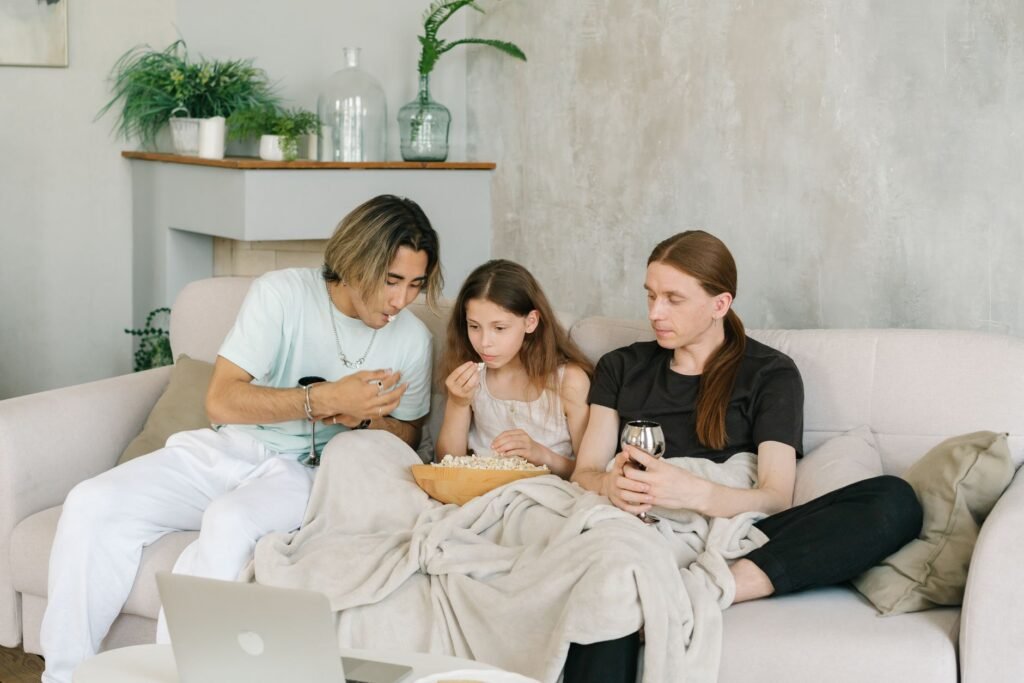
How to Pick a Film Everyone Will Enjoy
Choosing the movie is often the hardest part. These steps help you find something that works for your youngest viewer and still keeps older kids and adults entertained.
Start With Your Youngest Viewer
Always choose a film that is appropriate for the youngest person watching. Older kids can enjoy a family film, but a young child cannot unsee a frightening scene. Check the rating, but do not stop there. Ratings give a rough guide, but they do not tell you about specific scenes that might upset a sensitive child.
Read a Detailed Parent Review
Sites like Common Sense Media break down movies by violence, scary moments, language and positive messages, and they suggest the age where most kids are ready. A two-minute read can save you from an unexpected scene that leads to nightmares.
Watch the Trailer Together
Trailers are a quick way to gauge interest and tone. If your kids are excited after the trailer, you are off to a good start. If your little one looks nervous, pick something else.
Look for Layered Humor
The best family films work on more than one level. Slapstick and bright visuals appeal to younger kids, while clever dialogue and deeper themes keep older kids and adults engaged. Animated films from major studios, classic live-action family films and well-made documentaries about animals or space are often safe bets.
Consider Length and Timing
A two-and-a-half-hour epic is a lot for a four year old on a school night. Aim for films under 100 minutes for young kids, and start early enough that bedtime is not pushed too late.
Movie Ideas by Age Group
Every child is different, but this table gives a general idea of what tends to work at each stage:
| Age | What to Look For | What to Avoid | Ideal Length |
|---|---|---|---|
| 2 to 4 years | Gentle stories, songs, simple plots, animals | Loud villains, peril, separation from parents | Under 75 minutes or short episodes |
| 5 to 7 years | Friendship stories, humor, mild adventure | Intense chase scenes, realistic violence | 75 to 95 minutes |
| 8 to 12 years | Adventure, mystery, sports, fantasy | Graphic content, heavy romance | 90 to 120 minutes |
| Teens | Classics, coming-of-age stories, comedies | Content that conflicts with family values | Any length that fits the evening |
Fair Ways to Choose the Movie
Arguments over what to watch can drain the fun before the opening credits. Try one of these systems to keep things fair:
- Take turns. Rotate who picks each week, with a parent approving the choice.
- Offer three options. A parent narrows the field to three movies and kids vote.
- Use a movie jar. Write approved titles on slips of paper and draw one each week.
- Pick a theme. Choose a month of animal movies, sports films or classics from your own childhood.
- Keep a family watch list. Add movies anyone wants to see so you are never starting from scratch.
Handling Mixed Ages
When you have a toddler and a tween, finding a movie that works for both can feel impossible. A few strategies help:
- Choose classic family films with broad appeal that both ages can enjoy on different levels.
- Give older kids a special role, such as running the snack bar, making tickets or introducing the film.
- Start with a short film or cartoon for the little ones, then let older kids stay up for a longer movie after bedtime.
- Alternate weeks so older kids get a turn with a more grown-up family film.
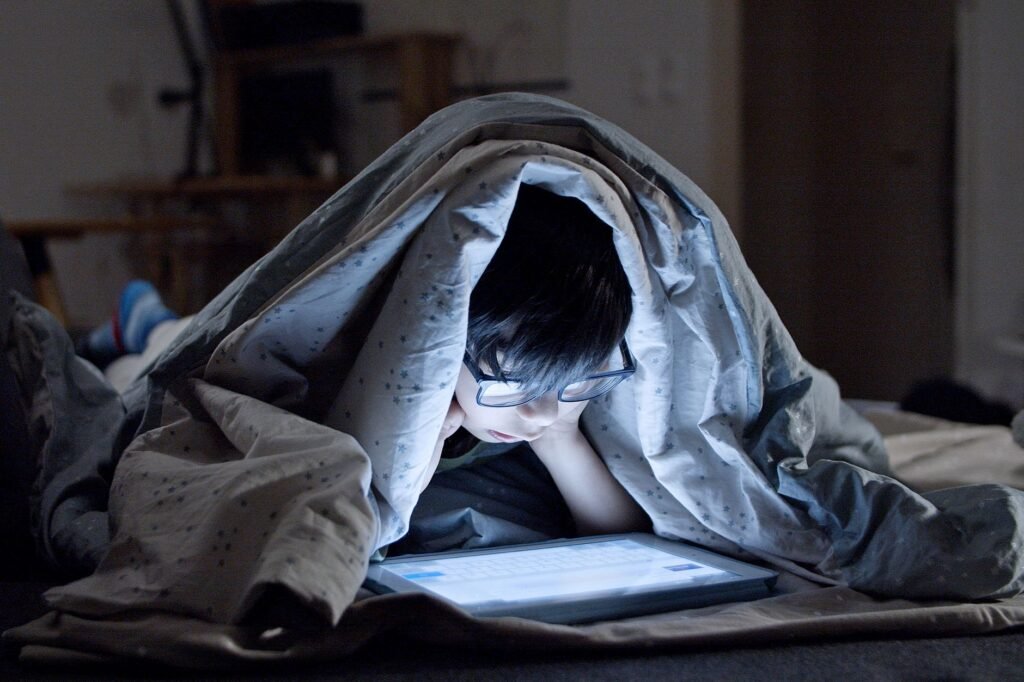
Setting Up the Perfect Family Movie Night
You do not need a home theater to make the night feel special. A few simple touches make a big difference.
Create a Cozy Space
Pile pillows and blankets on the floor, build a blanket fort or drag a mattress into the living room. Dim the lights and close the curtains to make it feel more like a real theater.
Make It Feel Like an Event
Kids love homemade movie tickets, a concession stand with a paper menu or a pre-show countdown. Older kids can design posters or tickets during the afternoon, which doubles as a creative activity.
Put Phones Away
Movie night works best when everyone is actually watching together. Parents included, put phones in another room or a basket. This small rule models the kind of screen habits you want your children to learn.
Snack Ideas for Movie Night
Snacks are half the fun. Keep them simple and let kids help prepare them.
- Popcorn bar with toppings like cinnamon sugar, parmesan or a little melted chocolate
- Homemade mini pizzas on English muffins
- Fruit kabobs or apple slices with peanut butter
- Trail mix that each child builds from a few bowls of ingredients
- Frozen yogurt bark or banana pops
For children under 4, skip popcorn and whole nuts, which are choking hazards. Offer soft, bite-sized snacks instead and have kids sit upright while they eat.
Turn Watching Into Talking
The movie does not have to end when the credits roll. A few questions can turn a film into a meaningful conversation:
- Who was your favorite character, and why?
- What would you have done if you were in that situation?
- Was there a moment that felt unfair or surprising?
- What do you think happens to the characters next?
These chats build empathy and critical thinking. They also help you notice if a scene worried your child so you can talk it through before bed.
When a Movie Is Too Scary
Even with careful planning, some scenes will upset a child. If your child seems scared, pause the movie, sit close and talk about what is happening. Remind young children that movies are pretend and that actors or animators made it. It is always okay to stop and choose something else. Afterward, a calm activity like reading together can help them settle before sleep.
Keeping Screen Time Balanced
A weekly movie night fits easily into a healthy media plan, especially when it replaces solo screen time rather than adding to it. For help setting limits that work across your whole household, see our guide to screen time rules for families. On days when you want to skip screens altogether, try our favorite rainy day activities for kids.

Theme Night Ideas to Keep It Fresh
After a few months, even the best ritual can start to feel routine. Theme nights are an easy way to keep family movie night exciting without extra cost. Match the snacks, decorations or even pajamas to the film you are watching.
- Under the sea night: watch an ocean adventure, make blue gelatin cups and build a fort out of blue blankets.
- Sports night: pick an inspiring sports film, wear team jerseys and serve stadium-style snacks like soft pretzels.
- Space night: choose a space adventure or documentary, hang paper stars from the ceiling and eat moon-shaped cookies.
- Throwback night: parents share a favorite film from their own childhood and tell kids what they remember about seeing it the first time.
- Book to movie night: read a children’s novel together over a few weeks, then watch the film version and compare the two.
Book to movie nights are especially great for school-age kids. They build reading motivation and spark lively debates about which version was better and why the filmmakers changed certain parts.
Making Movie Night Work on a Budget
Family movie night is one of the most affordable family activities around. You do not need a new streaming service each month. Many public libraries lend DVDs and offer free streaming through library apps, and you can rotate one streaming subscription at a time rather than paying for several. Homemade popcorn costs a fraction of microwave bags or theater snacks, and kids enjoy making it together. The feeling of a special night comes from the setup and the time together, not from the price tag.
Including Kids With Different Needs
Some children find loud sound, bright flashing scenes or sitting still for long stretches hard. Turn the volume down, keep a light on low, add subtitles and let kids move around, fidget or take breaks. Sensory-friendly choices such as calm nature documentaries or gentle animated films can help every child feel included. Watching a movie in two parts over two nights is perfectly fine too.
Letting Older Kids Take the Lead
As children grow, give them more ownership of family movie night. A 10 year old can plan the whole evening: choosing between parent-approved films, making the snack menu, designing tickets and leading the after-movie chat. Teens might enjoy introducing the family to a film they love or picking a classic to watch together. This sense of responsibility keeps older kids invested in the ritual at an age when they might otherwise drift toward their own screens and rooms. It also gives parents a window into what their children find funny, moving or meaningful right now, which can be a real gift during the tween and teen years.
Frequently Asked Questions
How often should we have family movie night?
Once a week is a popular rhythm that gives kids something to look forward to without adding too much screen time. Every other week works well too.
What age can kids start family movie night?
Many families start around age 2 or 3 with short, gentle films or episodes. Younger toddlers usually do better with a short show and lots of cuddling.
How do I stop fights over which movie to watch?
Use a clear system such as taking turns, voting between three parent-approved choices or drawing from a movie jar. Deciding ahead of time also helps.
Are ratings enough to tell if a movie is appropriate?
Ratings are a useful starting point, but detailed parent reviews give a better sense of specific scenes. You know your child best, so trust your judgment.
The Bottom Line
A great family movie night is less about the perfect film and more about being together. Choose movies that suit your youngest viewer, use a fair system for picking, create a cozy setup and take a few minutes to talk about the story afterward. With a little planning, family movie night can become a weekly ritual your kids remember long after they have outgrown the blanket fort.
Was this article helpful?
Thanks for letting us know! Your feedback helps us make our articles better.

Writer at Apparently a Parent, covering the everyday joys and challenges of raising a family.