Prepare Your Home for a Newborn: Essential Steps
Learn how to prepare your home for a newborn with essential safety tips, organization strategies, and must-have items to create a nurturing environment.


In this article
Key takeaways
- Create a safe sleeping space for your baby.
- Organize baby essentials for easy access.
- Ensure your home is childproofed and safe.
- Involve family members in the preparation process.
Welcoming a newborn into your home is an exhilarating experience filled with joy and anticipation. However, it can also be an overwhelming task as you prepare for this significant life change. Preparing your home for a newborn involves more than just decorating a nursery; it requires careful planning and organization to ensure a safe and nurturing environment for your little one.
Every family is unique, and your approach to preparing for a new baby will depend on your individual circumstances. Whether you are a first-time parent or welcoming another child into your family, this guide will help you navigate the essential steps needed to create a home that is ready for your newborn.
As you prepare your home for a newborn, remember that safety is paramount. Following guidelines from trusted sources such as the American Academy of Pediatrics (AAP) and the World Health Organization (WHO) can help you make informed decisions. In this comprehensive guide, we will walk through essential preparations, organization tips, safety measures, and what to consider for each area of your home.
Creating a Safe Sleeping Environment
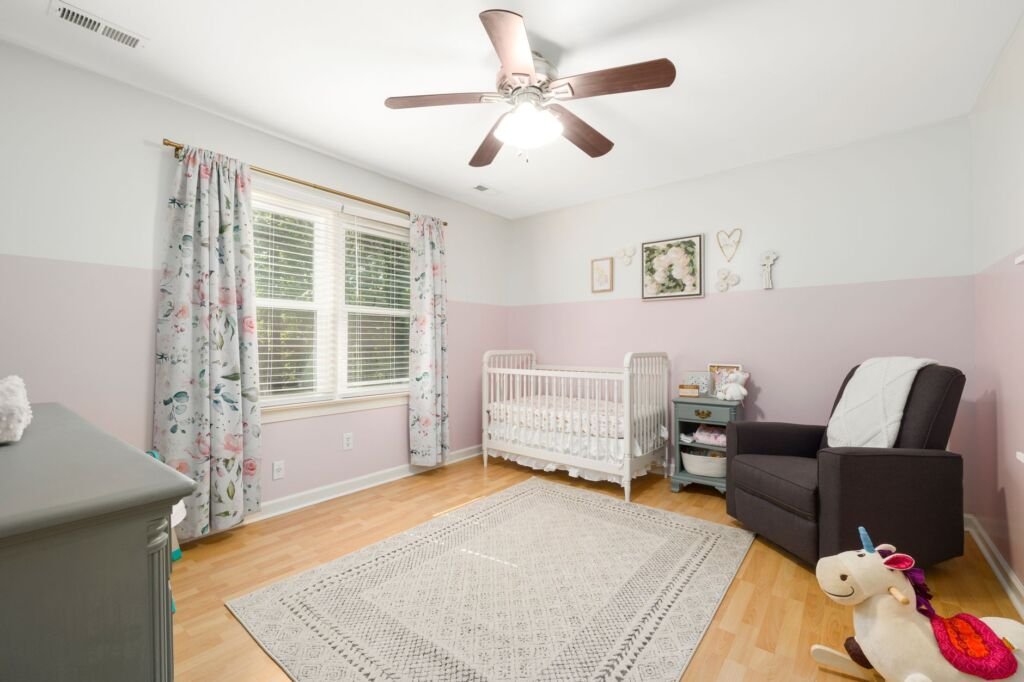
The first step in preparing your home for a newborn is ensuring a safe sleeping space. The American Academy of Pediatrics recommends that infants sleep in the same room as their parents for at least the first six months, ideally in a crib or bassinet. This setting helps reduce the risk of Sudden Infant Death Syndrome (SIDS).
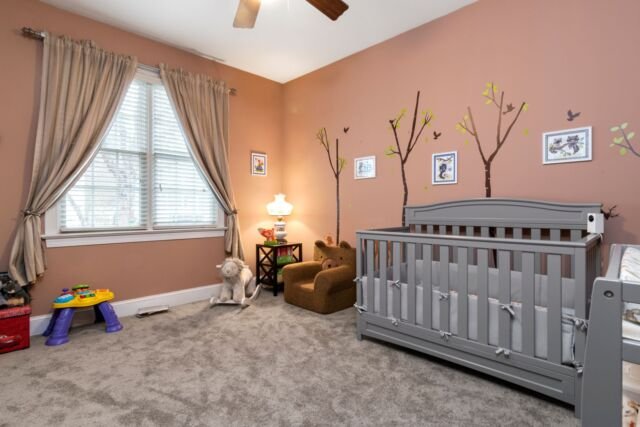
When choosing a crib or bassinet, ensure that it meets current safety standards. The mattress should be firm and fit snugly within the crib, with no gaps that could pose a suffocation hazard. Avoid using soft bedding, stuffed animals, or pillows in the crib, as these items can also increase the risk of SIDS.
Additionally, consider the placement of the crib. It should be away from windows, cords, and other potential hazards. Installing a baby monitor can provide peace of mind, allowing you to keep an eye on your baby from another room. Look for essential baby monitor features that suit your family’s needs, such as video capabilities or smartphone connectivity.
Checklist for a Safe Sleeping Space
- Choose a crib or bassinet that meets safety standards.
- Use a firm, well-fitting mattress.
- Avoid soft bedding, pillows, and stuffed animals in the crib.
- Place the crib away from windows and cords.
- Consider installing a baby monitor for added reassurance.
Organizing Baby Essentials
Once you have a safe sleeping environment established, the next step is to organize all the necessary baby essentials. Having everything ready and easily accessible will make the transition smoother for you and your baby. Consider creating a dedicated space, such as a changing station, where you can keep diapers, wipes, and other necessities on hand.
Baby clothing should also be organized for easy access. Consider sorting clothes by size or season and storing them in drawers or bins labeled clearly. Remember that newborns grow quickly, so having a mix of sizes on hand is essential. You might also want to keep a few outfits in various sizes ready for your baby’s changing needs.
Additionally, stock up on essential items that you will use frequently, such as diapers, wipes, and formula (if applicable). Having a good supply will help you avoid last-minute trips to the store when you are likely to be tired or busy with your newborn.
Baby Essentials Organization Tips
- Create a designated changing station with all necessary supplies.
- Sort baby clothes by size and label storage bins.
- Stock up on diapers and wipes to avoid running out.
- Keep frequently used items within easy reach.
- Consider using clear containers for visibility and organization.
Childproofing Your Home
As you prepare your home for a newborn, it’s important to think ahead about childproofing. While your newborn will not be mobile right away, this process will save you time and effort later on. Childproofing involves minimizing potential hazards that could pose a danger to your baby as they grow and begin to explore their surroundings.
Start with the basics, such as securing heavy furniture to walls to prevent tipping and covering electrical outlets with safety plugs. Store hazardous materials, such as cleaning supplies and medications, in locked cabinets out of reach. Consider using corner guards on sharp furniture edges and ensuring that small objects are kept away from areas where your baby could crawl.
In the kitchen, keep knives, hot pots, and other dangerous items out of reach. Consider using child safety locks on cabinets and drawers that contain hazardous items. In the living areas, clear away any choking hazards and keep cords from blinds or curtains securely out of reach.
Childproofing Checklist
- Secure heavy furniture to walls.
- Cover electrical outlets with safety plugs.
- Store hazardous materials in locked cabinets.
- Use corner guards on sharp furniture edges.
- Clear away choking hazards from living areas.
Preparing the Bathroom
Bathrooms can be a significant area of concern when preparing your home for a newborn. While your baby will not use the bathroom immediately, ensuring safety and organization in this space is crucial. Start by securing any medications, toiletries, and cleaning supplies in high cabinets or locked drawers.
Consider implementing a safe bathing routine early on. A soft baby bathtub can provide a safe space for bath time. Always keep one hand on your baby while bathing, and never leave them unattended, even for a moment. Additionally, ensure that the water temperature is comfortable and safe by testing it with your wrist or elbow before placing your baby in the bath.
As your baby grows, they will become curious about their surroundings. Installing a toilet lock can help prevent accidents, and keeping the bathroom door closed will add an extra layer of safety. Ensure that any small items, such as cotton swabs or hair ties, are stored out of reach.
Bathroom Safety Tips
- Secure medications and cleaning supplies in high cabinets.
- Use a soft baby bathtub for safe bathing.
- Never leave your baby unattended during bath time.
- Test water temperature before bathing.
- Install a toilet lock to prevent access.
Preparing the Kitchen
The kitchen is often the heart of the home, but it also poses unique challenges when preparing for a newborn. As your baby grows and begins to explore, it is essential to create a safe environment in this busy space. Start by removing any sharp objects or potentially dangerous items from countertops and tables.
Consider using child safety locks on kitchen cabinets that contain hazardous items, such as knives, cleaning supplies, or glassware. Store frequently used items at waist height to avoid the need for climbing or stretching. As your child grows, be mindful of their curiosity regarding the stove and oven; using stove knob covers can help prevent accidental burns.
When it comes to food preparation, follow safe food handling practices, especially if you plan to introduce solid foods. Keep your kitchen clean and organized, and always wash your hands before handling food. Familiarize yourself with safe food storage practices to prevent contamination.
Kitchen Safety Checklist
- Remove sharp objects from countertops.
- Use child safety locks on hazardous cabinets.
- Store frequently used items at waist height.
- Install stove knob covers to prevent burns.
- Practice safe food handling and storage.

Involving Family Members in Preparation
Bringing a newborn into your home is a family affair, and involving your partner and other family members in the preparation process can ease stress and create a sense of unity. Discuss what needs to be done and delegate tasks based on individual strengths and schedules. This collaboration can help ensure that everyone feels included and ready for the new arrival.
Consider setting up a family meeting to discuss expectations and responsibilities once the baby arrives. This discussion can help prevent misunderstandings and ensure that everyone is on the same page regarding household duties and childcare. By addressing these topics early, you can foster a supportive environment that benefits the entire family.
Additionally, don’t hesitate to ask for help from family and friends. Whether it’s assistance with household chores, meal preparation, or simply providing emotional support, having a support system in place will make the transition smoother for you and your newborn.
Family Involvement Tips
- Delegate tasks to family members based on strengths.
- Hold a family meeting to discuss responsibilities.
- Encourage open communication about expectations.
- Seek help from friends and family when needed.
- Foster a supportive environment for the entire family.
Setting Up a Feeding Station
Choosing the Right Location
Feeding your newborn can be a demanding task, and having a designated feeding station in your home can make the process smoother and more enjoyable. Select a quiet, comfortable spot in your home that is easily accessible, ideally near the nursery or your bedroom. This location should have adequate lighting, either natural or a soft lamp, to help you see your baby during nighttime feedings.
Consider the following factors when choosing the right location:
- Proximity to your sleeping area
- Access to necessary supplies
- Comfortable seating options
Stocking Your Feeding Station
Once you have identified the perfect spot, it’s time to stock your feeding station with all the essentials you’ll need. This includes feeding supplies, comfort items, and entertainment for both you and your baby. A well-prepared feeding station can alleviate stress during feedings and ensure you have everything you need at your fingertips.
Your feeding station should include:
- Bottles and formula or breast pump supplies
- Burp cloths and bibs
- Breastfeeding pillow for comfort
- A small trash can for easy disposal of waste
- Books or toys to engage your baby during feedings
Creating a Calm Atmosphere
To create a peaceful feeding experience, consider adding elements that promote relaxation. Soft music, white noise machines, or essential oil diffusers with calming scents can help set the mood. Ensure that the temperature of the room is comfortable as well, as newborns are sensitive to temperature changes.
Additionally, practice deep breathing techniques and mindfulness while feeding to foster a calming environment for both you and your baby. This can aid in better bonding during these intimate moments.

Establishing a Cleaning Routine
Understanding Baby-Safe Cleaning Products
With a newborn in the house, maintaining a clean environment is crucial for their health and safety. However, it’s essential to use baby-safe cleaning products that are free from harsh chemicals and toxins. Look for brands that are labeled as non-toxic, hypoallergenic, and fragrance-free to minimize any risk of irritation or allergic reactions.
Some popular baby-safe cleaning options include:
- Vinegar and water solution for surface cleaning
- Baking soda for deodorizing
- Castile soap for general cleaning
Creating a Cleaning Schedule
Establishing a routine cleaning schedule can help you keep your home tidy without feeling overwhelmed. Assign tasks to specific days or times, ensuring that high-traffic areas are cleaned regularly to reduce the risk of germs and allergens. For instance, you might designate Mondays for sanitizing surfaces, Wednesdays for laundry, and Fridays for vacuuming.
Additionally, consider enlisting family members to help with the cleaning tasks, creating a collaborative effort to keep the home clean and welcoming for the newborn.
Decluttering for a Healthier Environment
Decluttering is an essential step in preparing your home for a newborn. Reducing clutter not only makes your living space safer but also helps in maintaining a more organized environment. Begin by going through each room, focusing on areas where your baby will spend the most time, such as the nursery, living room, and kitchen.
Some tips for effective decluttering include:
- Sort items into keep, donate, and discard piles
- Utilize storage bins and baskets to keep items organized
- Regularly reassess and remove items that are no longer needed
Preparing for Visitors
Establishing Guidelines for Visitors
Welcoming friends and family after the arrival of your newborn can be exciting but also overwhelming. Establishing clear guidelines for visitors is essential to ensure the health and well-being of your baby. Communicate your preferences regarding visits, such as limiting the number of visitors at a time and ensuring that they wash their hands before holding the baby.
Consider implementing the following visitor guidelines:
- Limit visits during the first few weeks for bonding time
- Encourage visitors to stay healthy and avoid contact if sick
- Request that visitors refrain from kissing the baby to prevent illness
Creating a Comfortable Environment for Guests
While it’s important to prioritize your newborn’s needs, you also want your visitors to feel welcome and comfortable. Prepare a designated area for guests to sit and relax, ensuring it is tidy and inviting. Having refreshments available, like snacks and drinks, can also make guests feel appreciated during their visit.
Additionally, consider having blankets and pillows on hand to make the space cozy, which can help create a friendly atmosphere for everyone.
Setting Boundaries with Family Members
Family dynamics can sometimes create challenges when it comes to visitors. Be open and honest about your boundaries, and don’t hesitate to assert your needs. Whether it’s regarding the frequency of visits or specific activities, being clear about your expectations can help prevent misunderstandings.
Communicating your preferences respectfully will foster a supportive environment for both you and your family during this significant life transition.
Related reading: How to Handle Your Child’s First Day of School.
Trusted sources: HealthyChildren.org (American Academy of Pediatrics), HealthyChildren.org: Toddler.
Frequently Asked Questions
What are the essential items I need for a newborn?
Some essential items for a newborn include a crib or bassinet, diapers, wipes, baby clothes, a changing station, and bathing supplies. You can also refer to our article on newborn essentials for a complete list.
How can I ensure my baby’s sleep is safe?
To ensure safe sleep, always place your baby on their back in a crib with a firm mattress and no soft bedding, pillows, or toys. Room-sharing with the baby in a separate sleep space is also recommended.
When should I start childproofing my home?
Childproofing should begin before your baby arrives, focusing on areas they will access as they grow, such as the living room, kitchen, and bathroom. It’s never too early to create a safe environment.
What should I do if I have concerns about my baby’s health?
If you have any health concerns about your baby, consult your pediatrician. They can provide guidance tailored to your baby’s specific needs and circumstances.
The Bottom Line
Preparing your home for a newborn involves thoughtful planning and organization. By ensuring a safe sleeping environment, organizing baby essentials, childproofing your home, and involving family members in the preparation process, you can create a nurturing space for your little one. Remember that every family is different, so adapt these guidelines to fit your unique situation. Enjoy this special time as you prepare to welcome your new addition!
Was this article helpful?
Thanks for letting us know! Your feedback helps us make our articles better.

Writer at Apparently a Parent, covering the everyday joys and challenges of raising a family.


One Response