Newborn Essentials: What to Buy Before Baby Arrives
Prepare for your little one with our guide to newborn essentials, ensuring you have everything you need before baby arrives.

In this article
Key takeaways
- Gather essential clothing for comfort and ease.
- Create a safe sleep environment for your newborn.
- Stock up on feeding supplies to support breastfeeding or formula feeding.
- Ensure you have necessary health and safety items.
Welcoming a new baby into your family is an exciting and transformative experience. As you prepare for your little one, it’s essential to gather the right newborn essentials that will help you navigate those first few weeks and months. You might feel overwhelmed by the variety of products available, but with the right guidance, you can make informed choices that suit your family’s unique needs.
Every family is different, and your newborn’s requirements may vary based on your lifestyle, preferences, and space. This guide will help you understand what to buy before baby arrives, ensuring that you feel ready and confident as you embark on this incredible journey of parenthood.
From clothing and feeding supplies to safety gear and nursery items, we will cover everything you need to set up for your newborn’s arrival. Remember to consult with your pediatrician or healthcare provider for personalized advice tailored to your specific situation.
Essential Clothing for Newborns
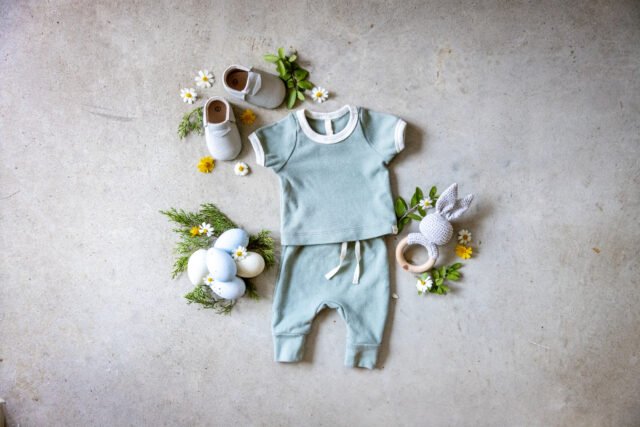
One of the first things you’ll need to consider is clothing for your newborn. Babies grow quickly, but in the initial weeks, comfort and ease of dressing are paramount. Look for soft, breathable fabrics that are gentle on their sensitive skin.
Here’s a list of essential clothing items you should consider:
- Bodysuits: A mix of short-sleeve and long-sleeve bodysuits can be used as a base layer. Choose ones with snap closures for easy diaper changes.
- Sleepers: These all-in-one outfits keep your baby warm and cozy. Opt for those with zippers or snaps for quick changes, especially during nighttime.
- Hats: A soft hat can help regulate your newborn’s body temperature, especially in cooler environments.
- Booties and Socks: These will keep your baby’s feet warm. Look for ones that stay on to avoid losing them.
- Swaddles: Swaddling can help your newborn feel secure. Choose breathable materials and consider those with Velcro or zippers for convenience.
When purchasing clothing, avoid buying too many items in one size. Babies grow fast, and you may find that your little one outgrows their clothes sooner than you expect. A few outfits in various sizes will ensure you’re prepared without overwhelming your storage space.
Creating a Safe Sleep Environment
One of the most critical aspects of preparing for your newborn is establishing a safe sleep environment. The American Academy of Pediatrics (AAP) recommends that babies sleep on their backs on a firm mattress covered with a fitted sheet. Avoid placing soft toys, pillows, or blankets in the crib to reduce the risk of suffocation and Sudden Infant Death Syndrome (SIDS).
Here are some key items to consider for a safe sleep environment:
- Crib or Bassinet: Choose a crib or bassinet that meets current safety standards. Check for recalls on any products you intend to use.
- Firm Mattress: A firm mattress will provide the support your baby needs. Make sure it fits snugly in the crib or bassinet to prevent gaps.
- Fitted Sheets: Use only fitted sheets designed for the specific mattress you have, ensuring a tight fit.
- Wearable Blankets: Instead of traditional blankets, consider using wearable blankets or sleep sacks to keep your baby warm without the risk of suffocation.
It’s also important to set up a safe sleeping area in your bedroom, especially if you plan to have your baby sleep in a bassinet beside your bed. This arrangement can help with nighttime feedings while keeping your newborn close by.
Feeding Supplies: Breastfeeding and Formula Feeding
Feeding your newborn is another fundamental aspect of their care. Whether you choose to breastfeed, formula feed, or do a combination of both, having the right supplies on hand will make the process smoother. If you are breastfeeding, it’s helpful to have a few essentials ready.
Here’s a list of feeding supplies to consider:
- Nursing Pillow: A nursing pillow can help position your baby comfortably during breastfeeding, reducing strain on your back and arms.
- Breast Pump: If you plan to express milk, a good breast pump will allow you to store milk for later use. Make sure to consult with a lactation consultant if you have questions about which pump is right for you.
- Milk Storage Bags: These are essential for storing expressed breast milk safely and efficiently in the freezer.
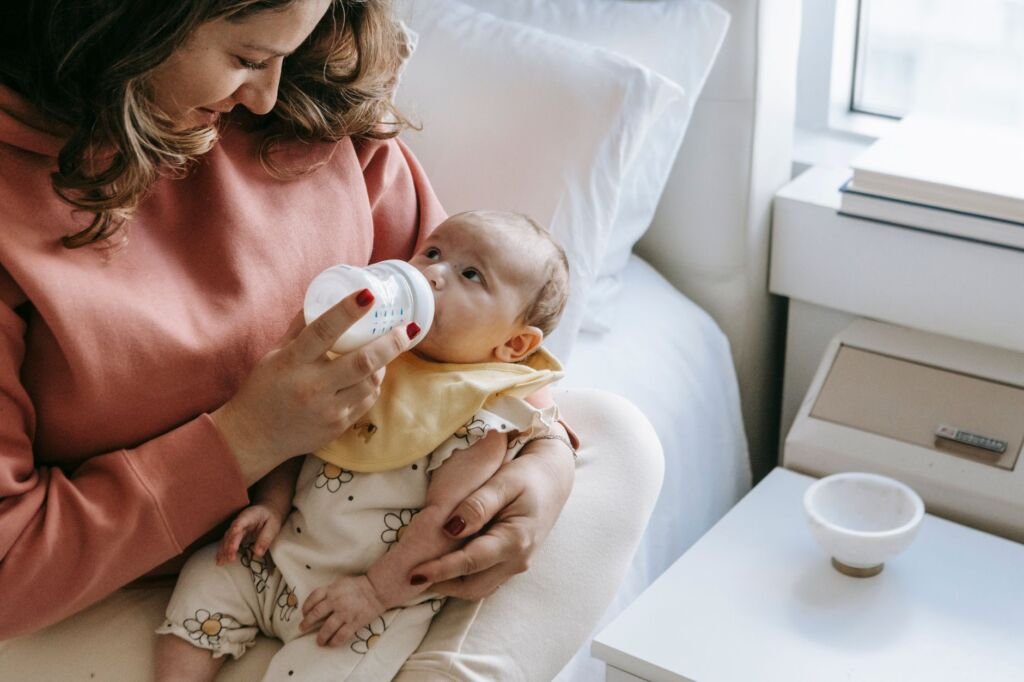
- Bottles and Nipples: If you plan to bottle-feed, invest in a variety of bottles and nipples to find what your baby prefers.
- Formula: If you choose formula feeding, consult with your pediatrician on the best formula options for your newborn.
Remember, there is no one-size-fits-all approach to feeding. Your choice will depend on your comfort level and what works best for you and your baby. If you need further guidance, consider reaching out to a lactation consultant or your pediatrician.

Health and Safety Gear
Ensuring your newborn’s health and safety is a top priority. There are essential items you should consider adding to your list to keep your baby safe and healthy during those early weeks.
Here are some important health and safety items:
- Baby Monitor: A reliable baby monitor will help you keep an eye (and ear) on your baby while they sleep. Look for options with video capabilities if desired.
- First Aid Kit: A basic first aid kit should include items like infant acetaminophen, a digital thermometer, and antiseptic wipes. Consult your pediatrician for further recommendations.
- Car Seat: A properly installed car seat is essential for safely transporting your newborn. Make sure it meets safety standards and is appropriate for your baby’s weight and size.
- Thermometer: A digital thermometer is a must-have for monitoring your baby’s temperature. Make sure to familiarize yourself with how to use it before your baby arrives.
- Baby Nail Clippers: Newborns have sharp nails, so having a safe set of baby nail clippers or a file will help prevent scratches.
As you prepare for your newborn, consider creating a dedicated space for health and safety items. Keeping these essentials organized will allow you to access them quickly when needed.
Diapering Essentials
Diapering is a significant part of caring for your newborn. You’ll want to be well-equipped to handle diaper changes efficiently. Whether you choose disposable or cloth diapers, having the right supplies will make this task easier.
Here are the diapering essentials you should consider:
- Diapers: Stock up on newborn-sized diapers, as babies typically go through 10-12 diapers a day in the early weeks.
- Wipes: Choose sensitive wipes that are gentle on your baby’s skin. You may also want to have a few soft washcloths for cleaning during diaper changes.
- Changing Pad: A changing pad will provide a safe and clean surface for diaper changes. Look for one with a waterproof cover for easy cleaning.
- Diaper Cream: Having a good diaper cream on hand can help prevent diaper rash. Consult your pediatrician for recommendations.
- Diaper Bag: A spacious diaper bag with compartments will help you stay organized when on the go. Include essentials like extra diapers, wipes, and a change of clothes.
Organizing a diapering station in your nursery or a convenient location in your home will make diaper changes more manageable. Remember to keep it stocked to avoid last-minute scrambles.

Bathing Supplies
Bathing your newborn can be a delightful experience, but it’s essential to have the right supplies ready to ensure a safe and enjoyable time. In the early weeks, your baby will likely have sponge baths until their umbilical cord stump falls off.
Consider these bathing essentials:
- Baby Bathtub: A small, infant bathtub is useful for bath time. Look for options that provide support and safety.
- Soft Washcloths: Choose soft washcloths for gentle cleaning. You may want to have a few dedicated for bathing.
- Baby Shampoo and Soap: Use mild, tear-free baby shampoo and body wash that are specifically formulated for infants.
- Towels: Soft, hooded towels will keep your baby warm after bath time. Look for ones that are gentle on their skin.
- Bath Thermometer: A bath thermometer can help ensure the water is at a safe temperature for your newborn.
Bathing your newborn should be a calm and comforting experience. Make sure to never leave your baby unattended in the water, even for a moment.
Choosing the Right Nursery Furniture
Cribs and Bassinets
When selecting a crib or bassinet for your newborn, safety should be your top priority. The American Academy of Pediatrics (AAP) recommends that cribs meet current safety standards and are free from any decorative elements that could pose a strangulation risk. Look for cribs that have adjustable mattress heights, allowing you to lower the mattress as your baby grows and starts to pull up. A bassinet can be a great option for the early months, providing a cozy sleeping space that is easily accessible for nighttime feedings.
Some important features to consider when choosing a crib or bassinet include:
- Sturdy construction with no loose or broken parts
- No drop-side rails, which have been banned in many areas due to safety concerns
- A firm mattress that fits snugly in the crib or bassinet
- Non-toxic finishes that are free from harmful chemicals
Changing Tables and Storage Solutions
A changing table is an essential piece of furniture that can make diaper changes easier and more organized. It should have a safety strap and guardrails to prevent your baby from rolling off during changes. Look for changing tables with ample storage, such as shelves or drawers, to keep diapers, wipes, and other changing essentials within reach.
When setting up your nursery, consider integrating storage solutions to keep the space tidy. Here are some ideas:
- Use baskets or bins to organize toys and clothes
- Install shelves for books and baby supplies
- Consider multi-functional furniture, such as a changing table that doubles as a dresser
Creating a Baby Care Station
Essentials for Care on the Go
As a new parent, being prepared for outings with your newborn is crucial. A baby care station can make it easier to manage diaper changes or feedings while away from home. Start with a well-equipped diaper bag that includes all the necessities for your baby.
Your baby care station should include:
- Diapers and wipes
- A changing pad for sanitary diaper changes
- Extra clothing in case of spills or accidents
- A portable bottle cooler for breast milk or formula
- Pacifiers and toys to keep your baby entertained
Setting Up a Home Care Station
In addition to a portable care station, having a designated area at home can streamline your daily routine. This station should be located in a convenient spot, such as near your nursery or living area. Include a changing mat, diapers, wipes, and any other supplies you regularly use.
Consider these tips when creating your home care station:
- Keep items within reach to save time
- Use clear bins or labels for easy identification
- Regularly stock supplies to avoid running out
Monitoring Baby’s Development: Tools and Resources
Growth Tracking Tools
Monitoring your newborn’s growth is essential for ensuring they are developing appropriately. A growth chart can help you visually track your baby’s weight, length, and head circumference against standard growth percentiles. Many pediatricians provide growth charts during your baby’s well visits, but you can also find printable versions online.
Consider using the following tools to aid in tracking your baby’s growth:
- A digital scale for accurate weight measurements
- A soft measuring tape to measure length
- Mobile apps designed for tracking infant growth milestones
Resources for Developmental Milestones
Along with physical growth, it’s important to monitor your baby’s developmental milestones. The AAP outlines key milestones for the first year, including social, emotional, and motor skills. Regular check-ups with your pediatrician will help you stay informed on your baby’s progress.
To support your baby’s development, consider these resources:
- Pediatrician consultations for personalized guidance
- Parenting books focused on child development
- Online resources or apps that provide milestone checklists
Related reading: Baby Registry Checklist: What You Really Need and Best Toys by Age: A Parent’s Guide to Play That Builds Skills.
Trusted sources: Safe Kids Worldwide, HealthyChildren.org (American Academy of Pediatrics).
Frequently Asked Questions
How many diapers should I buy before my baby arrives?
It’s recommended to have around 200-300 newborn diapers on hand. Babies typically go through 10-12 diapers a day, so having a good supply will help you manage those first few weeks.
What type of crib is best for newborns?
Choose a crib that meets current safety standards and has a firm mattress. Look for cribs that have adjustable mattress heights and avoid those with drop-side rails.
Do I need a diaper pail?
A diaper pail can be beneficial for containing odors and keeping your space clean. Look for a pail designed for diaper disposal that seals odors effectively.
When should I start using baby lotion?
It’s usually safe to start using baby lotion after your newborn’s first bath. However, always consult your pediatrician if your baby has sensitive skin or any skin conditions.
The Bottom Line
Preparing for a newborn can feel overwhelming, but by focusing on the essentials, you can create a nurturing environment for your little one. From clothing and feeding supplies to safety gear and bathing items, the right preparations will help ease your transition into parenthood. Remember to consult with healthcare professionals for personalized advice and support. You are not alone in this journey, and with the right tools, you can confidently welcome your baby into the world.
Was this article helpful?
Thanks for letting us know! Your feedback helps us make our articles better.

Writer at Apparently a Parent, covering the everyday joys and challenges of raising a family.


2 Responses