How to Start Solid Foods: A Stage-by-Stage Plan for Parents
Learn how to start solid foods with your baby through a step-by-step guide that ensures a smooth transition to new flavors and textures.

In this article
Key takeaways
- Introduce solids around six months for most babies.
- Start with single-grain cereals or pureed fruits and vegetables.
- Gradually increase variety and texture as your baby adapts.
- Always consult your pediatrician for personalized guidance.
Starting your baby on solid foods is an exciting milestone in their development. It opens up a new world of flavors and textures that can be both fun and nourishing. This guide will walk you through a stage-by-stage plan for introducing solid foods, ensuring that you feel confident and informed every step of the way.
Each child is unique, and what works for one family may not work for another. The journey into solid foods should be tailored to your baby’s readiness and your family’s lifestyle. Always remember to consult with your pediatrician or healthcare provider before making any significant changes to your baby’s diet.
In this article, we will cover the basics of when to start solids, what foods to introduce, signs of readiness, and tips to make the process smooth and enjoyable.
When to Start Solid Foods
The American Academy of Pediatrics recommends introducing solid foods to your baby around six months of age. However, each baby develops at their own pace, and some may be ready a little earlier or later. Signs that your baby may be ready for solids include:
- Your baby can sit up with minimal support.
- Your baby shows interest in food, reaching for or watching you eat.
- Your baby has lost the tongue-thrust reflex, allowing them to swallow food more easily.
- Your baby can hold their head steady and upright.
Starting too early can increase the risk of choking and digestive issues, while waiting too long can lead to nutritional deficiencies. If you’re unsure, discussing your observations with your pediatrician can provide clarity and reassurance.
Stage 1: First Foods
Once your baby is ready, it’s time to introduce the first foods. Usually, this starts with single-grain cereals or pureed fruits and vegetables. Here are some recommended first foods:
- Iron-fortified single-grain cereal (such as rice or oatmeal)
- Pureed fruits (like apples, bananas, or pears)
- Pureed vegetables (such as sweet potatoes, carrots, or peas)
Start with a small amount, about one teaspoon, and gradually increase as your baby gets used to the new tastes and textures. Mix cereals with breast milk or formula to make them smoother and easier for your baby to swallow.
It’s important to introduce one new food at a time, waiting about three to five days before trying another. This allows you to monitor for any allergic reactions. Common allergens such as eggs, peanut butter, and dairy can be introduced around this stage, but consult with your pediatrician if you have any concerns.
Stage 2: Exploring More Flavors
As your baby becomes accustomed to eating solids, you can begin to introduce a wider variety of foods. At this stage, your baby may be ready for:
- Mixed cereals
- Puréed meats (like chicken or turkey)
- Full-fat yogurt
- Cooked and mashed beans or lentils
Continue to offer a variety of fruits and vegetables, experimenting with combinations to keep mealtime interesting. For instance, mixing spinach with applesauce can introduce your baby to greens without overwhelming them with a new taste. Textures can also be varied, start with purees and gradually move to softer mashed foods as your baby develops chewing skills.
Remember to maintain a positive environment during mealtime. Sit together as a family when possible. This not only promotes healthy eating habits but also allows your baby to observe and mimic the way you eat.

Stage 3: Finger Foods and Self-Feeding
By around 8 to 10 months, most babies are ready to explore self-feeding. This stage is crucial for developing motor skills and independence. Offer soft, bite-sized pieces of food that are easy for your baby to grasp. Good options include:
- Small pieces of soft fruits (like banana or avocado)
- Steamed vegetables (such as broccoli or carrots)
- Cheese cubes
- Soft cooked pasta or rice
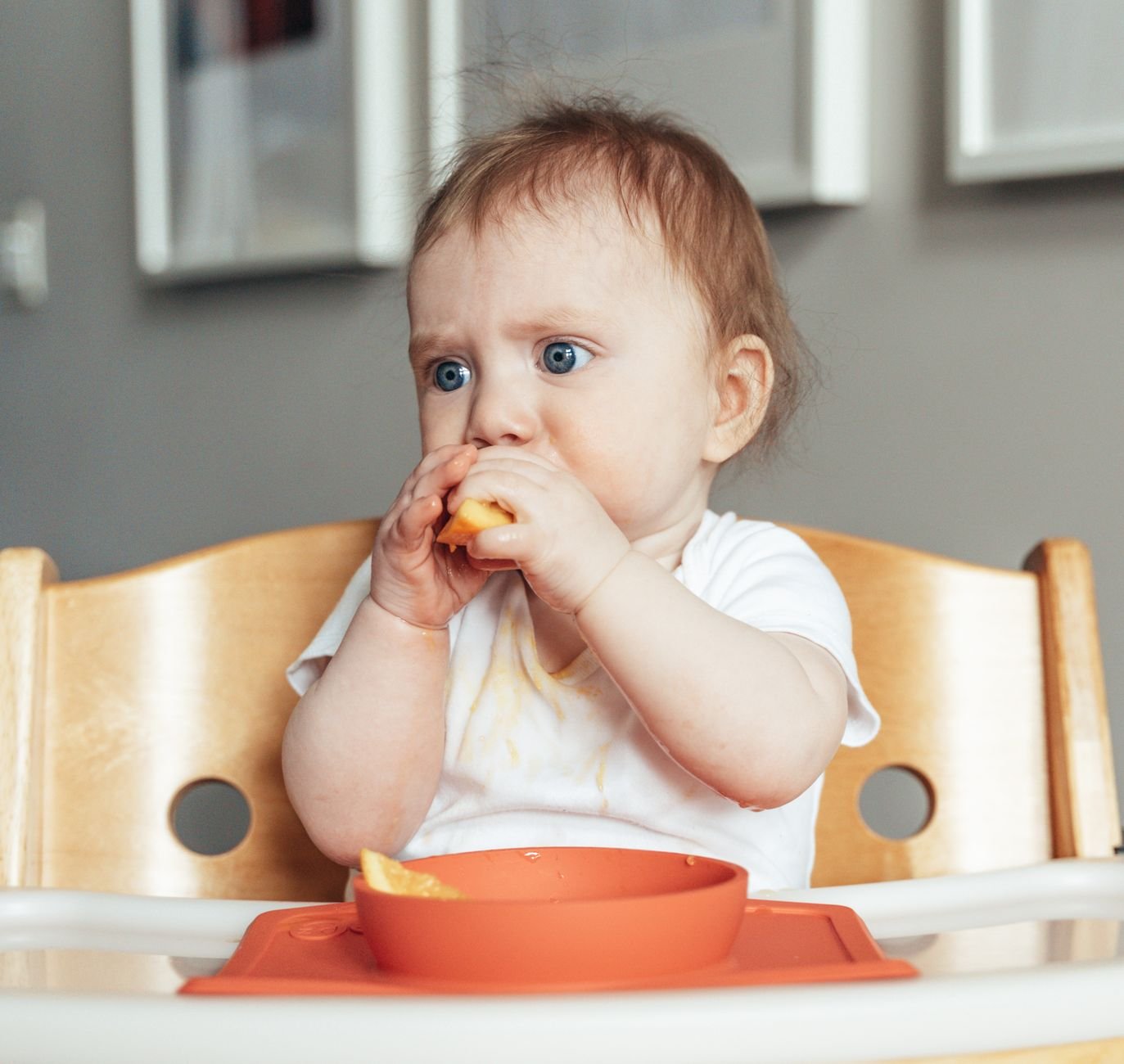
Allow your baby to experiment with different textures and flavors. This stage can be messy, but it’s a vital part of their learning process. You might consider using a high chair with a tray that’s easy to clean, as your baby will likely enjoy exploring food with their hands.
Encouraging self-feeding can also help your baby learn to listen to their hunger cues. Allow your child to decide how much they want to eat, rather than pressuring them to finish a certain amount.
Safety Considerations
When introducing solid foods, safety is paramount. Always supervise your baby during meal times to prevent choking. Here are some tips to keep in mind:
- Cut food into small, manageable pieces.
- Avoid foods that are hard, round, or sticky, such as whole grapes, nuts, or popcorn.
- Keep your baby in a high chair while eating to reduce the risk of choking.
It’s also essential to be aware of potential food allergies. If your baby has a family history of allergies, discuss this with your pediatrician. They may recommend introducing certain foods under supervision or at a specific time.
Introducing Allergenic Foods
Recent guidelines suggest introducing allergenic foods earlier than previously thought. Foods such as peanuts, eggs, and fish can be introduced around 6 months, especially if there is no family history of allergies. The approach involves:
- Starting with small amounts of the allergenic food.
- Observing for any signs of an allergic reaction, such as rash, vomiting, or difficulty breathing.
- Consulting your pediatrician before introducing multiple allergenic foods.
For additional guidance on allergies, consider resources like HealthyChildren.org. They provide helpful information on how to safely introduce allergenic foods.

Stage 4: Building a Balanced Diet
Understanding Nutritional Needs
As your baby grows and starts to consume a wider variety of solid foods, it becomes essential to ensure their diet is balanced and nutritious. At around 8 to 12 months, your baby’s nutritional requirements start to shift. During this period, they need a good mix of carbohydrates, proteins, and healthy fats, as well as essential vitamins and minerals. A balanced diet will support their rapid growth and development.
Key nutrients to focus on include:
- Iron: Important for cognitive development and energy levels. Sources include fortified cereals, beans, and pureed meats.
- Calcium: Crucial for bone health. Found in dairy products, fortified plant-based milks, and leafy greens.
- Vitamins A and C: Support immune function and vision. Carrots, sweet potatoes, and citrus fruits are excellent sources.
Incorporating a variety of foods from different food groups is essential. Aim for a colorful plate, which often indicates a range of nutrients. For instance, pairing iron-rich foods with vitamin C sources can enhance iron absorption, making meals both nutritious and delicious.
Meal Planning Strategies
Meal planning is a practical approach to ensure your baby receives a balanced diet. Here are some strategies to help you create nutritious meals:
- Batch Cooking: Prepare large quantities of baby-friendly meals and freeze them in portions. This will save time and ensure you always have healthy options available.
- Incorporate Family Meals: Allow your baby to share meals with the family. This not only makes meal times more enjoyable but also exposes them to a variety of flavors and textures.
- Variety is Key: Rotate different food options to prevent your baby from getting bored. Introduce new foods alongside familiar favorites to encourage acceptance.
Consider creating a weekly menu that includes breakfast, lunch, and dinner ideas. Planning helps reduce last-minute stress and ensures that your baby gets a diverse range of nutrients throughout the week.
Stage 5: Transitioning to Family Foods
Recognizing Readiness for Table Foods
As your child approaches their first birthday, they’re likely ready to start eating more table foods. This transition can be exciting, but it also requires careful consideration. Look for signs that your baby is ready to move beyond pureed foods, such as showing interest in what others are eating, demonstrating the ability to chew, and being able to pick up food with their fingers.
When introducing table foods, prioritize soft, easy-to-chew options that require minimal preparation. Some examples include:
- Soft-cooked vegetables (like carrots and peas)
- Small pieces of soft fruits (such as bananas and avocados)
- Shredded chicken or turkey
- Scrambled eggs
Encourage your child to try different textures and flavors. This will help them develop a diverse palate and reduce the chances of picky eating later on.
Encouraging Family Involvement
Involving your child in family meals can enhance their enjoyment of food and promote healthy eating habits. Here are some ways to encourage participation:
- Meal Preparation: Let your child assist in simple meal prep tasks, such as washing fruits and vegetables or stirring ingredients. This can create excitement around food.
- Table Setting: Allow your child to help set the table. This teaches them about mealtime routines and the importance of family meals.
- Family Cooking Nights: Designate a night each week for the family to cook together. This not only makes mealtime fun but also creates lasting memories.
By fostering a positive mealtime environment, you can help your child build a healthy relationship with food that lasts a lifetime.
Stage 6: Navigating Picky Eating
Understanding Picky Eating Behavior
As your child grows, they may enter a phase of picky eating, which is common among toddlers. This behavior can stem from a variety of factors including developmental changes, increased independence, and a natural instinct to be cautious about new foods. Understanding these behaviors can help you navigate this challenging stage with patience and creativity.
Common signs of picky eating include:
- Refusal to try new foods
- Preference for familiar textures and flavors
- Changes in appetite or interest in food
While it can be frustrating, remember that this phase is often temporary. Consistency and a positive attitude toward food can make a significant difference in your child’s willingness to try new things.
Strategies to Encourage Healthy Eating
Here are some effective strategies to help your child overcome picky eating:
- Offer Choices: Allow your child to choose between two healthy options at meals. This gives them a sense of control and may encourage them to try new foods.
- Create Fun Meals: Use cookie cutters to create fun shapes out of fruits and vegetables or arrange food in a colorful pattern on the plate. Making food visually appealing can spark interest.
- Consistent Exposure: Continue to offer new foods even if your child initially refuses them. Research shows that repeated exposure can increase acceptance over time.
Be patient and maintain a calm demeanor during mealtimes. Celebrate small victories and avoid pressure, as this can lead to negative associations with food.

Understanding Nutritional Needs at Each Stage
Macronutrient Focus
As your baby grows, their nutritional needs evolve significantly. In the early stages of solid food introduction, the emphasis should be on providing adequate carbohydrates, proteins, and fats. Carbohydrates can come from fruits and vegetables, which also provide essential vitamins and minerals. Proteins are crucial for growth and can be sourced from pureed meats, legumes, and dairy products, while healthy fats, particularly from sources like avocados and olive oil, support brain development.
Micronutrient Considerations
Micronutrients, including vitamins and minerals, play a vital role in your baby’s health. Iron and zinc are particularly important as they support growth and development. Iron-rich foods such as fortified cereals and pureed meats should be introduced early, while zinc can be found in foods like beans and yogurt. It’s essential to balance these micronutrients to prevent deficiencies, which can affect your child’s overall development.
- Iron-rich foods: Fortified cereals, pureed meats
- Zinc sources: Beans, dairy products
- Vitamin C sources: Citrus fruits, bell peppers
Meal Planning for Busy Parents
Batch Cooking and Freezing
Preparing solid foods for your baby can be time-consuming, but batch cooking can make this process easier. Dedicate a day each week to prepare purees and other foods in larger quantities. Once cooked, these can be frozen in ice cube trays for convenient portioning later. This method not only saves time but also ensures that healthy, home-cooked meals are always on hand.
Incorporating Family Meals
As you transition your baby to solid foods, consider incorporating family meals into their diet. This approach allows your child to experience the flavors and textures of the foods you enjoy. Ensure that family meals are prepared with minimal salt and sugar, and serve safe, age-appropriate portions to your baby. This encourages healthy eating habits early on.
- Choose meals that can easily be modified for your baby.
- Use herbs and spices for flavor without added salt.
- Involve your baby in family meal times to promote social eating.
Encouraging Healthy Eating Habits
Modeling Behavior
Children learn by observing their parents. Modeling healthy eating habits is crucial. Make sure to eat a variety of foods in front of your child, demonstrating enthusiasm for fruits, vegetables, and whole grains. This behavior sets a positive example, encouraging your child to try new foods themselves.
Creating a Positive Mealtime Environment
Establishing a pleasant mealtime atmosphere can make a significant difference in your child’s willingness to try new foods. Keep distractions to a minimum, such as turning off the TV and putting away devices. Engage in conversation, and make mealtime a family affair. This approach not only promotes healthy eating habits but also strengthens family bonds.
- Establish consistent meal and snack times.
- Encourage exploration of new foods without pressure.
- Celebrate small victories when your child tries new foods.
Related reading: When Do Babies Start Teething? Signs and Soothing Tips and Fixing Breastfeeding Latch Problems for New Parents.
Trusted sources: HealthyChildren.org (American Academy of Pediatrics), HealthyChildren.org: Toddler.
Frequently Asked Questions
What foods should I avoid giving my baby?
Avoid foods that pose a choking hazard, such as whole grapes, nuts, or hard candies. Foods high in sugar or salt should also be limited.
How do I know if my baby is allergic to a certain food?
Signs of a food allergy can include hives, difficulty breathing, vomiting, or diarrhea shortly after eating the food. If you notice any of these symptoms, contact your pediatrician immediately.
Can I mix different foods together from the start?
While introducing new foods, it’s best to start with single items to monitor for allergies. Once you confirm that your baby tolerates each food, feel free to mix them together.
How do I handle food refusal?
It’s common for babies to refuse certain foods. Continue to offer the food without pressure and try again later. It may take several exposures before they accept a new flavor.
The Bottom Line
Starting solid foods is a significant and rewarding journey for you and your baby. By following a thoughtful, stage-by-stage approach, you can help your little one develop healthy eating habits that will last a lifetime. Remember to consult with your pediatrician for personalized advice and to ensure that you’re meeting your baby’s nutritional needs. Enjoy this new adventure together!
Was this article helpful?
Thanks for letting us know! Your feedback helps us make our articles better.

Writer at Apparently a Parent, covering the everyday joys and challenges of raising a family.




One Response