Safe Sleep for Babies: The ABCs Every Parent Should Know
Safe sleep for babies explained: the ABCs of Alone, Back and Crib, room-sharing, swaddling, naps and travel, plus steps that lower SIDS risk.

In this article
Key takeaways
- Follow the ABCs: Alone, on the Back, in a bare Crib or bassinet.
- Room-share without bed-sharing, ideally for at least six months.
- Keep pillows, blankets, bumpers and soft toys out of the sleep space.
- Move babies from car seats, swings and loungers to a flat surface to sleep.
Few things feel as precious, or as nerve-racking, as watching your newborn sleep. Many new parents find themselves checking on their baby again and again, wondering whether the room is too warm, the blanket too loose or the mattress too soft. Those instincts come from love, and the good news is that following a few clear, research-backed steps greatly lowers the risks.
Safe sleep for babies centers on reducing the risk of sudden infant death syndrome (SIDS) and accidental suffocation or strangulation during sleep. The American Academy of Pediatrics sums up the most important advice in three simple letters: the ABCs of safe sleep.
This guide explains the ABCs, how to set up a safe sleep space, what to avoid, how to handle naps, travel and swaddling, and how to find practical solutions when you are exhausted. Talk to your pediatrician about your baby’s individual needs, especially if your baby was born early or has medical conditions.
Why Safe Sleep Matters
SIDS is the sudden, unexplained death of a baby under one year old, usually during sleep. Sleep-related deaths also include accidental suffocation and strangulation, often linked to soft bedding, shared sleep surfaces or unsafe products. The risk is highest between one and four months of age, and most sleep-related deaths happen before six months, though safe sleep practices are recommended for the whole first year.
Since public health campaigns began encouraging parents to place babies on their backs to sleep, SIDS rates have dropped dramatically. That progress shows how powerful everyday safe sleep habits can be. The Safe to Sleep campaign from the National Institutes of Health offers helpful materials for parents and caregivers.
The ABCs of Safe Sleep
A is for Alone
Your baby should sleep in their own sleep space, without pillows, blankets, bumpers, positioners or stuffed animals. The American Academy of Pediatrics recommends room-sharing without bed-sharing, ideally for at least the first six months. That means placing your baby’s crib or bassinet in your room, close to your bed but separate from it.
B is for Back
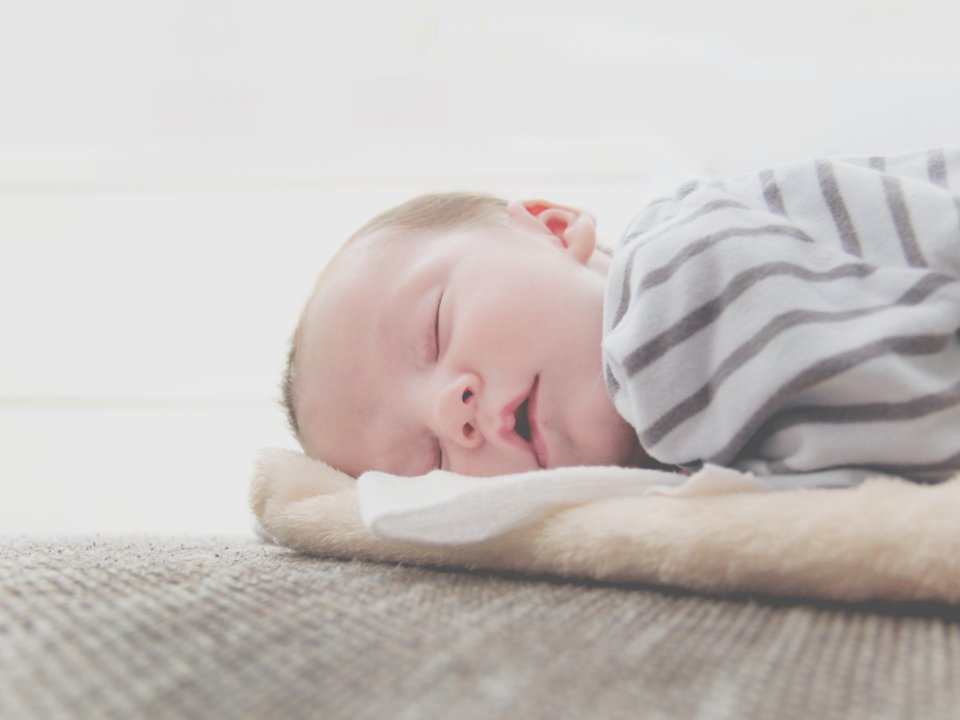
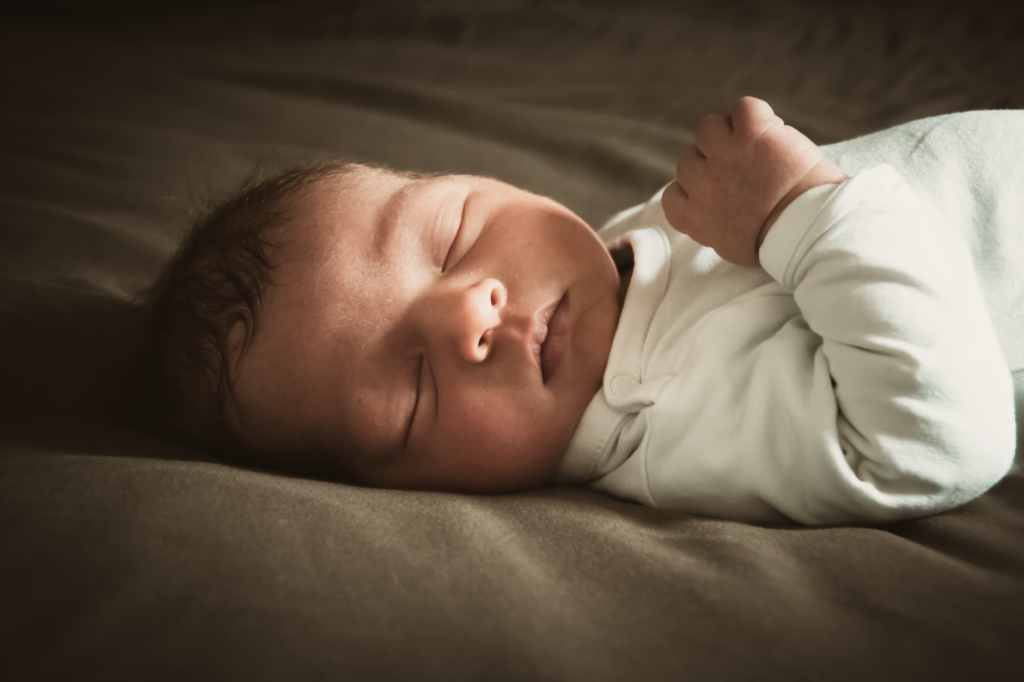
Always place your baby on their back to sleep, for naps and at night, until their first birthday. Back sleeping keeps the airway clear and has been shown to greatly reduce SIDS risk. Healthy babies naturally protect their airway if they spit up while on their back. Once your baby can roll from back to tummy and tummy to back on their own, you do not need to turn them back over, but keep putting them down on their back.
C is for Crib
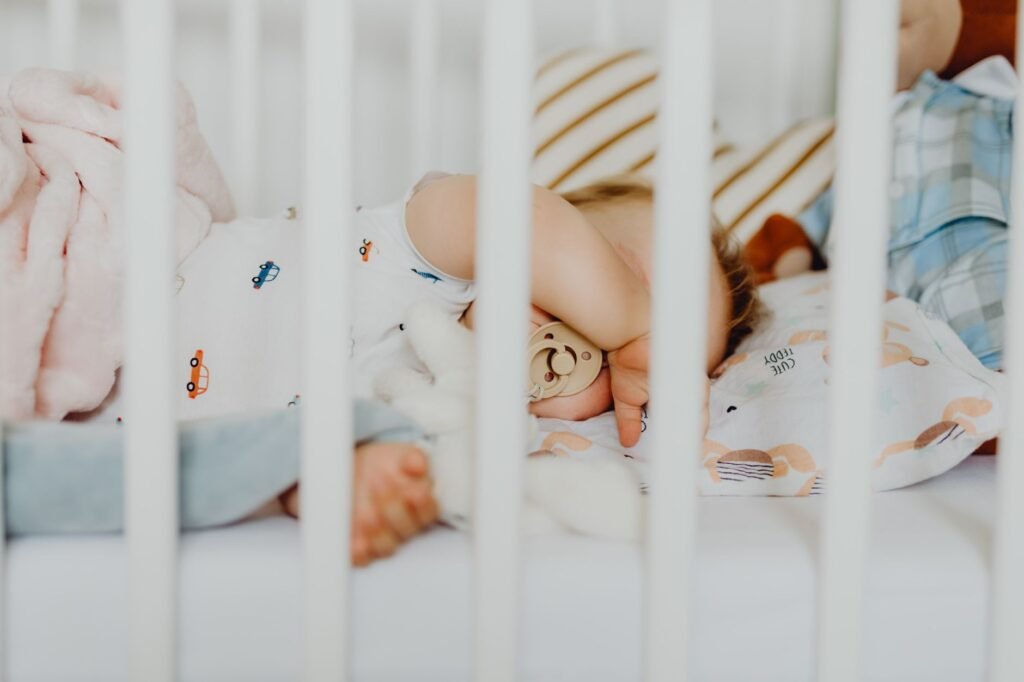
Use a crib, bassinet or play yard that meets current safety standards, with a firm, flat mattress and a tightly fitted sheet. The sleep surface should not be inclined. Car seats, swings, bouncers and loungers are not designed for sleep. If your baby falls asleep in one, move them to a flat, safe sleep surface as soon as you can.
Setting Up a Safe Sleep Space
| Do | Avoid |
|---|---|
| Firm, flat mattress made for the crib | Soft mattresses, pillows, sofas and armchairs |
| Tightly fitted sheet only | Loose blankets, quilts and duvets |
| Wearable blanket or sleep sack | Weighted sleep sacks or blankets |
| Crib in your room, near your bed | Bed-sharing, especially in high-risk situations |
| Room at a comfortable temperature | Hats indoors and heavy layers that cause overheating |
| Bare crib | Bumpers, positioners, wedges and soft toys |
Choosing a crib or bassinet
Look for products that meet current safety standards in your country and have not been recalled. Check that slats are close enough together that a soda can cannot pass through, that there are no missing or loose parts, and that the mattress fits snugly with no gaps at the edges. Be cautious with secondhand or very old cribs, which may not meet today’s standards.
Dressing your baby for sleep
Dress your baby in no more than one extra layer than an adult would wear to be comfortable in the same room. A wearable blanket keeps babies warm without loose fabric. Check for overheating by feeling the back of the neck or chest. Sweating, flushed skin or damp hair are signs your baby is too warm.
What to Know About Bed-Sharing
Bed-sharing, when a baby sleeps in an adult bed with a parent, increases the risk of sleep-related infant deaths, and the American Academy of Pediatrics does not recommend it. The risk is much higher in certain situations.
- The baby is under four months old or was born early or small
- An adult in the bed smokes, or the mother smoked during pregnancy
- An adult has had alcohol, sleep aids or other sedating substances
- The surface is soft, such as a waterbed, old mattress or sofa
- There are pillows, heavy duvets or other people or pets in the bed
Falling asleep with a baby on a sofa or armchair is especially dangerous. If you think you might fall asleep while feeding, it is safer to feed in your bed with pillows and covers moved away than on a couch, and to return your baby to their own space as soon as you wake.
Other Ways to Lower the Risk
- Breastfeeding is linked with a lower risk of SIDS. Any amount of breast milk helps.
- Offer a pacifier at naps and bedtime once breastfeeding is established. If it falls out, you do not need to put it back in. Do not attach it to strings or clothing during sleep.
- Avoid smoke exposure during pregnancy and after birth, including vapes and secondhand smoke.
- Avoid alcohol and drugs during pregnancy and when caring for your baby.
- Keep up with vaccinations, which are associated with a lower SIDS risk.
- Get regular prenatal care during pregnancy.
- Avoid products that claim to prevent SIDS, such as wedges and positioners. None have been proven to work, and some are dangerous.
Swaddling Safely
Many newborns sleep better when swaddled. If you swaddle, always place your baby on their back, keep the swaddle snug around the chest but loose around the hips so the legs can bend, and make sure your baby does not overheat. Stop swaddling as soon as your baby shows signs of trying to roll, which often happens around two to four months. A wearable blanket with arms free is a good next step.
Tummy Time While Awake
Back sleeping is essential, but babies also need supervised tummy time when they are awake. It strengthens the neck, shoulders and core, supports motor development and helps prevent flat spots on the back of the head. Start with a few minutes several times a day in the newborn weeks and build up gradually. You can find more about typical development in our milestone tracker.

Naps, Travel and Sleep Away From Home
Naps
Every nap counts. Place your baby on their back in a safe sleep space for naps just as you would at night, even for short sleeps.
Car seats and strollers
Car seats are essential for travel, but they are not designed for routine sleep outside the car. If your baby falls asleep in a car seat or stroller, move them to a flat surface once you reach your destination. Our guide to car seat stages covers safe use on the road.
Grandparents and childcare
Make sure everyone who cares for your baby knows the ABCs. Safe sleep advice has changed over the years, so grandparents may have learned different rules. Share information kindly and check the sleep setup in any home or childcare setting.
Travel
Bring a portable play yard or book accommodation that provides a safety-approved crib. Avoid improvised beds made from pillows, sofa cushions or adult beds.
Coping With Exhaustion Safely
Newborn sleep deprivation is real, and it can make safe sleep feel harder to follow at 3 a.m. Plan ahead so safe choices are easy.
- Keep the crib or bassinet within arm’s reach of your bed.
- Share night feeds with a partner if possible, so each of you gets a longer stretch of sleep.
- Nap when your baby naps, at least once a day.
- Ask family or friends to watch the baby while you rest.
- Talk to your pediatrician if feeding or settling is especially difficult.
If you are struggling with extreme tiredness or low mood, reach out for support. Our postpartum recovery guide covers where to find help.
Safe Sleep Checklist
- Baby on their back for every sleep
- Firm, flat, safety-approved crib, bassinet or play yard
- Fitted sheet only, with no soft objects or loose bedding
- Crib in your room, separate from your bed
- Comfortable room temperature and light clothing
- No smoking around your baby
- Everyone who cares for your baby knows the ABCs
Trusted sources: HealthyChildren.org (American Academy of Pediatrics).
Safe Sleep as Your Baby Grows
Your baby’s sleep needs and abilities change quickly during the first year. The core safe sleep rules stay the same, but a few details shift with each stage.
Newborn to three months
This is the period of highest risk, so consistency matters most. Newborns sleep 14 to 17 hours a day in short stretches. Keep every sleep on the back in a bare crib or bassinet, and keep the sleep space in your room. Swaddling can help settle young babies, as long as you stop at the first signs of rolling.
Three to six months
Many babies begin rolling during this stage. Transition out of the swaddle into a sleep sack with arms free. Check the bassinet’s weight and development limits, since many are only designed for babies who cannot yet roll or push up. Moving to a full-size crib in your room is often the next step.
Six to twelve months
By now, many babies roll, sit and pull up. Lower the crib mattress to its lowest setting before your baby can pull to stand, so they cannot climb or fall out. Remove any mobiles or hanging toys once your baby can push up on hands and knees, and keep cords from blinds and monitors well out of reach. Continue placing your baby on their back, and keep soft bedding and pillows out of the crib until at least the first birthday.
Common Safe Sleep Myths
- Myth: Babies will choke if they sleep on their backs. Healthy babies have natural reflexes that protect their airway when they spit up. Back sleeping does not increase choking risk.
- Myth: Bumpers make cribs safer. Bumpers pose suffocation and strangulation risks and are not recommended.
- Myth: Inclined sleepers help with reflux. Sleeping at an incline is not recommended, even for babies with reflux. Talk to your pediatrician about reflux management.
- Myth: It is fine for babies to sleep in car seats at home. Car seats are designed for travel. Move your baby to a flat surface once you arrive.
For more guidance on sleep at every age, visit the HealthyChildren.org baby sleep section from the American Academy of Pediatrics.
Frequently Asked Questions
When can my baby sleep with a blanket?
Keep soft bedding out of the crib for at least the first year. A wearable blanket is a safe way to keep your baby warm until then.
Is it safe for my baby to sleep on their side?
No. Side sleeping is not recommended because babies can easily roll onto their tummies. Always place your baby on their back.
What if my baby rolls onto their tummy during sleep?
If your baby can roll both ways on their own, you do not need to reposition them. Keep placing them on their back at the start of every sleep, and keep the crib clear.
Are baby monitors that track breathing necessary?
Consumer monitors can offer peace of mind but have not been shown to prevent SIDS. They should never replace safe sleep practices.
The Bottom Line
Safe sleep for babies comes down to the ABCs: Alone, on their Back, in a Crib or bassinet with a firm, flat mattress and no soft objects. Room-share without bed-sharing, avoid smoke and overheating, offer a pacifier and breastfeed if you can. Make sure every caregiver follows the same rules. These simple habits, repeated every sleep, are one of the most powerful ways to protect your baby.
Was this article helpful?
Thanks for letting us know! Your feedback helps us make our articles better.

Writer at Apparently a Parent, covering the everyday joys and challenges of raising a family.


2 Responses