Safe Foods During Pregnancy: What to Eat and What to Skip
A guide to safe foods during pregnancy: what to eat, what to avoid and why, how much caffeine is okay and food safety tips for each trimester.

In this article
Key takeaways
- Enjoy fruit, vegetables, whole grains, lean protein, pasteurized dairy and low-mercury fish.
- Avoid high-mercury fish, raw or undercooked animal foods, unpasteurized products and alcohol.
- Keep caffeine under about 200 milligrams a day.
- Most people need no extra calories in the first trimester.
Food is one of the first things many people think about after a positive pregnancy test. Suddenly, everyday meals come with questions. Is this cheese okay? How much coffee is too much? Can I still eat sushi? The rules can feel confusing, especially when advice from friends, family and the internet does not agree.
The reassuring truth is that eating well in pregnancy is mostly about balance, variety and a handful of important food safety rules. Knowing which foods are safe during pregnancy, and which are best skipped, lets you enjoy meals with confidence instead of worry.
This guide covers the nutrients that matter most, the foods to enjoy, the foods to avoid and why, simple food safety habits, sample meal ideas and how to cope when nausea or cravings take over. Guidance can differ slightly between countries, so check with your midwife or doctor about your own needs.
Why Food Safety Matters More in Pregnancy
Pregnancy changes your immune system so your body can support a growing baby. That makes you more vulnerable to some foodborne infections, which can be more serious for you and your baby. Listeria, salmonella and toxoplasma are the main concerns.
Listeria is especially important. It is rare, but it can cross the placenta and cause miscarriage, stillbirth or serious illness in a newborn, sometimes even when the pregnant person feels only mildly unwell. Most food safety advice in pregnancy is designed to reduce the risk of listeria and other infections.
Certain foods are also limited because of what they contain, such as mercury in some fish, high levels of vitamin A in liver, or caffeine in drinks. The goal is not perfection. It is simply lowering risk where it is easy to do so.
Key Nutrients for a Healthy Pregnancy
A varied diet provides most of what you need, alongside a prenatal vitamin recommended by your provider. These nutrients deserve special attention.
| Nutrient | Why it matters | Good food sources |
|---|---|---|
| Folic acid (folate) | Helps prevent neural tube defects | Leafy greens, beans, fortified cereals, plus a supplement |
| Iron | Supports increased blood volume and prevents anemia | Lean red meat, beans, lentils, spinach, fortified cereals |
| Calcium | Builds your baby’s bones and teeth | Milk, yogurt, pasteurized cheese, fortified plant milks |
| Vitamin D | Helps absorb calcium | Oily fish, eggs, fortified foods, sunlight, supplements |
| Iodine | Supports brain development | Dairy, fish, eggs, iodized salt |
| Omega-3 (DHA) | Supports brain and eye development | Low-mercury fish such as salmon and sardines |
| Protein | Builds your baby’s tissues and supports your body | Poultry, fish, eggs, beans, tofu, dairy |
| Fiber | Eases constipation | Whole grains, fruit, vegetables, legumes |
Pairing iron-rich plant foods with vitamin C, such as beans with tomatoes or spinach with citrus, helps your body absorb more iron.
Safe Foods to Enjoy During Pregnancy
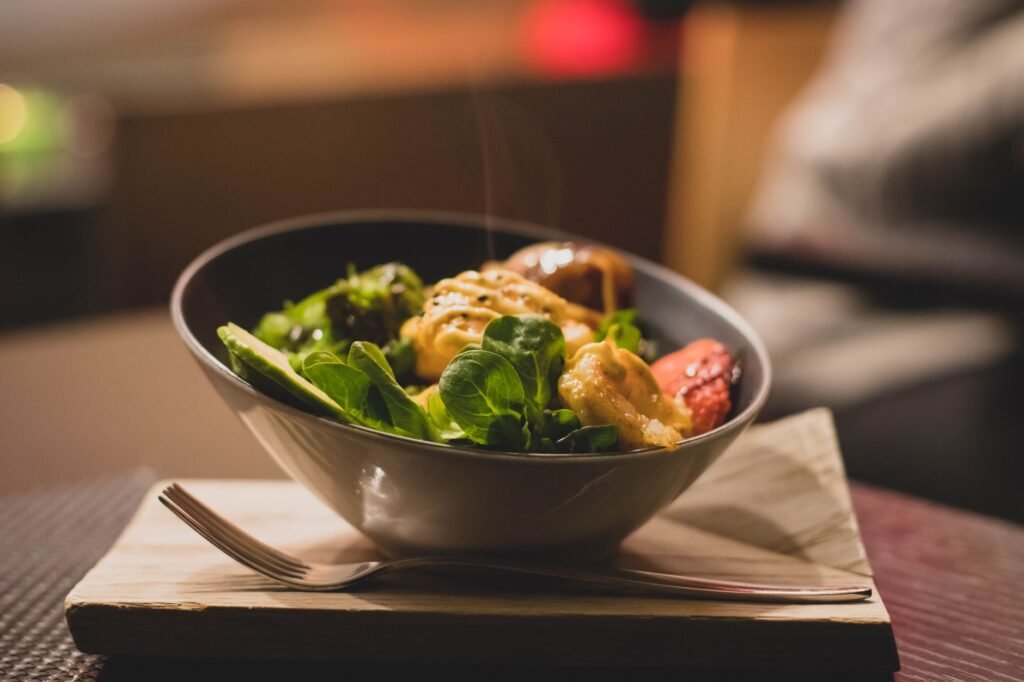
Most everyday foods are safe during pregnancy when stored and cooked properly. Here are the foundations of a healthy pregnancy diet.
Fruit and vegetables
Aim for a rainbow of colors every day. Fresh, frozen and canned all count. Wash produce well under running water to remove soil, which can carry toxoplasma.
Whole grains
Oats, brown rice, whole wheat bread and pasta, quinoa and barley provide energy, fiber and B vitamins.
Lean protein
Chicken, turkey, lean beef and pork cooked all the way through are excellent sources of protein and iron. Beans, lentils, chickpeas, tofu and nuts are great plant-based options.
Pasteurized dairy
Pasteurized milk, yogurt and hard cheeses such as cheddar and parmesan are safe and provide calcium and protein. Many soft cheeses made from pasteurized milk are also considered safe in the United States, though advice differs by country.
Fully cooked eggs
Eggs are a nutritious, affordable protein. In most guidance, eggs should be cooked until the yolk and white are firm. Some countries, such as the UK, consider runny eggs from certified schemes safe, so check local advice.
Low-mercury fish
Fish is one of the best sources of omega-3 fats for your baby’s brain development. The FDA advice about eating fish recommends two to three servings a week, about 8 to 12 ounces in total, of lower-mercury choices such as salmon, sardines, shrimp, cod, tilapia, pollock and canned light tuna.
Foods to Avoid or Limit During Pregnancy
A few foods carry a higher risk and are best skipped or handled carefully.
| Food | Why | Safer alternative |
|---|---|---|
| High-mercury fish (shark, swordfish, king mackerel, tilefish, bigeye tuna, marlin, orange roughy) | Mercury can harm the developing nervous system | Salmon, sardines, cod, shrimp |
| Raw or undercooked fish and shellfish, including many types of sushi | Risk of bacteria and parasites | Cooked sushi rolls, well-cooked seafood |
| Raw or undercooked meat and poultry | Risk of toxoplasma, salmonella and E. coli | Meat cooked until no pink remains |
| Deli meats, hot dogs and refrigerated paté | Risk of listeria | Heat until steaming hot, or choose shelf-stable paté |
| Unpasteurized milk, juice and cheese | Risk of listeria and other bacteria | Pasteurized versions |
| Raw sprouts | Risk of bacterial contamination | Cooked sprouts |
| Liver and liver products | Very high vitamin A levels | Other iron-rich meats and legumes |
| Alcohol | No known safe amount in pregnancy | Sparkling water, mocktails |
The NHS list of foods to avoid in pregnancy offers more detail, including advice on specific cheeses.
What About Caffeine?
You do not have to give up coffee entirely. Most guidelines recommend keeping caffeine under 200 milligrams a day during pregnancy. Higher intakes have been linked to a greater risk of low birth weight and miscarriage.
- A 12-ounce cup of brewed coffee: roughly 200 milligrams, depending on strength
- A shot of espresso: about 60 to 75 milligrams
- A cup of black tea: about 40 to 50 milligrams
- A can of cola: about 30 to 40 milligrams
- Dark chocolate and energy drinks also contain caffeine, so count them too
Caffeine content varies widely by brand and brewing method, so treat these as estimates.
Simple Food Safety Habits in the Kitchen
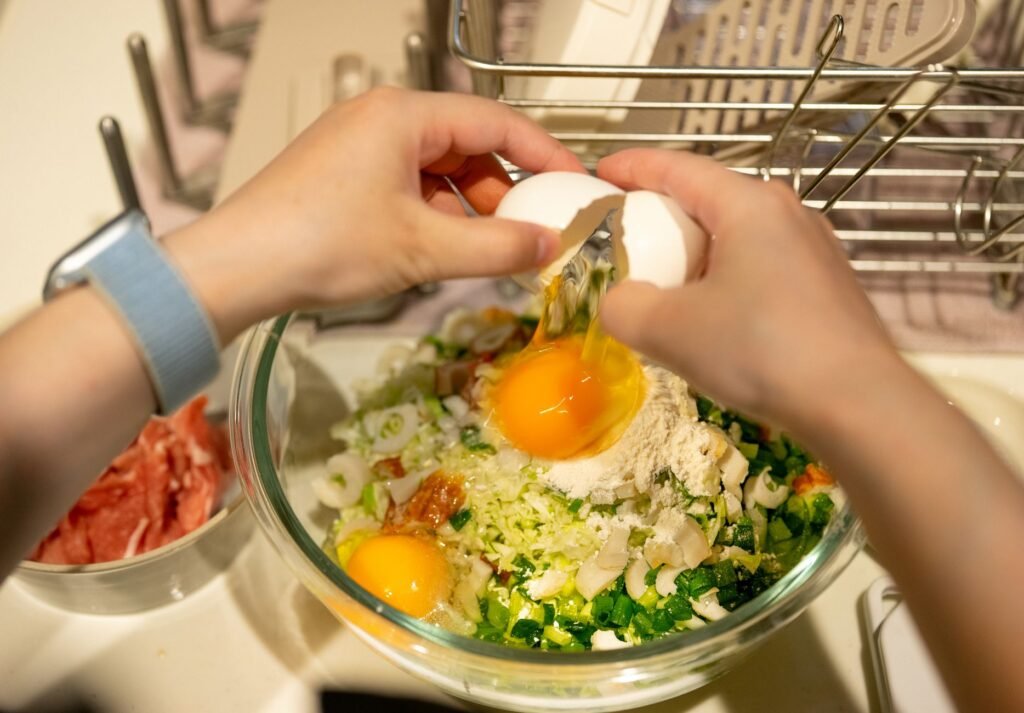
- Wash your hands before cooking and after handling raw meat, eggs or soil.
- Keep raw and cooked foods separate, using different cutting boards for raw meat.
- Cook thoroughly. A food thermometer helps confirm meat and poultry are cooked safely.
- Chill leftovers quickly and eat them within a day or two, reheating until steaming hot.
- Keep your fridge cold, at 40°F (4°C) or below.
- Check use-by dates, especially on ready-to-eat foods.
- Wear gloves when gardening and wash hands afterward to reduce toxoplasma risk.
How Much Should You Eat?
The idea of eating for two is a myth. In the first trimester, most people do not need extra calories. In the second trimester, many need roughly an extra 340 calories a day, and in the third trimester about 450, although needs vary. That is closer to an extra snack or small meal than a second dinner.
Healthy weight gain depends on your weight before pregnancy. Your provider will guide you, but typical ranges for a single pregnancy are shown below.
| Pre-pregnancy BMI | Typical total weight gain |
|---|---|
| Under 18.5 | 28 to 40 pounds (about 12.5 to 18 kg) |
| 18.5 to 24.9 | 25 to 35 pounds (about 11.5 to 16 kg) |
| 25 to 29.9 | 15 to 25 pounds (about 7 to 11.5 kg) |
| 30 or higher | 11 to 20 pounds (about 5 to 9 kg) |
Sample Day of Pregnancy-Friendly Meals
- Breakfast: oatmeal made with milk, topped with berries and a spoonful of nut butter.
- Snack: Greek yogurt with sliced fruit.
- Lunch: whole grain wrap with chickpeas, spinach, peppers and pasteurized cheese.
- Snack: apple slices with a handful of almonds.
- Dinner: baked salmon, brown rice and roasted vegetables.
- Evening: a glass of milk or fortified plant milk and a couple of whole grain crackers.
Coping With Nausea, Aversions and Cravings
In early pregnancy, the healthiest diet is often whatever you can keep down. If nausea hits hard, focus on small, frequent, bland meals and stay hydrated. Cold foods often smell less strong than hot ones. Our guide to the first trimester week by week has more tips for managing morning sickness.
Cravings are common and usually harmless. It is fine to enjoy treats in moderation. The exception is pica, a craving for non-food items such as ice in large amounts, dirt or chalk, which can signal low iron and should be mentioned to your provider.
Special Diets in Pregnancy
Vegetarian and vegan
A well-planned vegetarian or vegan diet can support a healthy pregnancy. Pay extra attention to protein, iron, calcium, iodine, omega-3 and especially vitamin B12, which usually needs a supplement for vegans.
Gestational diabetes
If you are diagnosed with gestational diabetes, your care team will help you plan meals that keep blood sugar steady, usually with balanced portions of carbohydrates spread through the day.
Hydration Matters Too
Your blood volume increases significantly in pregnancy, so fluids are important. Water is the best choice, and milk, herbal teas considered safe in pregnancy, and water-rich foods also count. A good sign that you are drinking enough is pale yellow urine. Staying hydrated also helps with constipation, headaches and swelling.
Related reading: First Trimester Week by Week: Symptoms and Baby Growth.
Eating Well on a Budget
Healthy pregnancy eating does not have to be expensive. Some of the most nutritious foods are also the most affordable, and a little planning stretches your grocery budget further.
- Buy frozen fruit and vegetables. They are picked and frozen at peak ripeness, keep for months and cost less than many fresh options.
- Lean on beans and lentils. Dried or canned, they are rich in protein, iron, folate and fiber for very little money.
- Choose canned fish. Canned salmon, sardines and light tuna are budget-friendly sources of omega-3s.
- Cook in batches. Soups, stews and chili freeze well and make busy evenings easier.
- Shop seasonally. Seasonal produce is usually cheaper and tastier.
- Look into support programs. In some countries, programs help pregnant people buy healthy food. Ask your provider or local health department what is available.
Eating Out and Takeaway While Pregnant
You can still enjoy restaurants and takeaway during pregnancy. A few simple choices lower the risk.
- Order meat, poultry and seafood well done or fully cooked.
- Choose freshly cooked hot dishes over buffets and salad bars where food may have been sitting out.
- Ask whether sauces such as hollandaise, aioli or Caesar dressing are made with raw egg.
- Skip unpasteurized cheeses and cold smoked fish unless they are cooked into a hot dish.
- Pick cooked or vegetarian sushi rolls.
- Choose mocktails, sparkling water or juice instead of alcohol.
Food Safety at Parties and Holidays
Celebrations often mean platters of cold meats, cheese boards and dishes left out for hours. Enjoy the company and fill your plate wisely. Choose hot foods, freshly cut fruit and vegetables, hard cheeses and baked treats, and avoid anything that has been sitting at room temperature for more than two hours. If you are hosting, it is perfectly fine to make a couple of pregnancy-friendly dishes you know you can enjoy.
Supplements Your Provider May Recommend
Even with a great diet, a prenatal vitamin is usually recommended. It typically includes folic acid, iron, iodine and vitamin D. Some providers also suggest an omega-3 supplement if you do not eat fish, or extra iron if blood tests show you are low. Avoid doubling up on multiple supplements, as too much of some vitamins, especially vitamin A, can be harmful. Bring your supplements to your appointments so your provider can check them.
Frequently Asked Questions
Can I eat cheese while pregnant?
Yes. Hard cheeses and pasteurized soft cheeses are generally considered safe in the United States. Avoid unpasteurized cheese, and check local advice about mold-ripened and blue cheeses, which some countries recommend avoiding unless cooked.
Is it safe to eat eggs during pregnancy?
Fully cooked eggs are safe and nutritious. Guidance on runny eggs varies by country, so follow your local health advice.
Can I drink herbal tea while pregnant?
Some herbal teas are considered safe in moderation, but others are not well studied or may not be recommended. Check with your provider or pharmacist about specific herbs.
What if I already ate something on the avoid list?
Try not to panic. The risk from a single exposure is usually small. Watch for symptoms such as fever or stomach upset, and call your provider if you are worried or feel unwell.
The Bottom Line
Knowing which foods are safe during pregnancy makes mealtimes feel easier. Enjoy a varied diet of fruit, vegetables, whole grains, lean protein, pasteurized dairy and low-mercury fish. Avoid high-mercury fish, raw or undercooked animal foods, unpasteurized products, liver and alcohol, and keep caffeine under 200 milligrams a day. Practice simple kitchen safety, take your prenatal vitamin and ask your provider about anything you are unsure of.
Was this article helpful?
Thanks for letting us know! Your feedback helps us make our articles better.

Writer at Apparently a Parent, covering the everyday joys and challenges of raising a family.


One Response