First Trimester Week by Week: Symptoms and Baby Growth
Your first trimester week by week: how your baby grows, common symptoms, prenatal appointments and tips to feel your best in weeks 1 to 13.


In this article
Key takeaways
- The first trimester runs from week 1 to the end of week 13.
- Your baby's heart starts beating around week 6 and all major organs form by week 10.
- Nausea and fatigue often peak around weeks 7 to 9 and ease by weeks 12 to 16.
- Heavy bleeding, severe pain or fever need prompt medical attention.
The first trimester is a time of huge change, much of it invisible from the outside. In just 13 weeks, a single cell becomes a tiny, moving fetus with a beating heart, fingers and toes. Meanwhile, your body is working overtime, which is why you may feel exhausted, queasy and emotional before you even look pregnant.
Following your first trimester week by week helps you understand what is happening, what symptoms are normal and which appointments and decisions are coming up. It can also be reassuring on the days when you feel more tired than excited.
This guide covers weeks 1 through 13, including your baby’s development, common symptoms, prenatal care milestones and practical tips for feeling your best. Every pregnancy is different, so always follow the advice of your own midwife or doctor.
How Pregnancy Weeks Are Counted
Pregnancy is usually dated from the first day of your last menstrual period, not from conception. That means you are not actually pregnant during weeks 1 and 2. Ovulation and conception typically happen around the end of week 2, and a full-term pregnancy is about 40 weeks from that first day.
The first trimester runs from week 1 to the end of week 13. The second trimester covers weeks 14 to 27, and the third trimester runs from week 28 until birth. If you are not sure of your dates, our due date calculator works out how far along you are and when your baby is expected. Your provider may adjust your dates after an early ultrasound.
| Weeks | Baby’s approximate size | Key development |
|---|---|---|
| 4 | Poppy seed | Implantation, early cell layers form |
| 6 | Lentil | Heart begins to beat |
| 8 | Raspberry | Limb buds become arms and legs |
| 10 | Strawberry | Officially a fetus, vital organs formed |
| 12 | Lime | Reflexes develop, kidneys start working |
| 13 | Lemon | Vocal cords and fingerprints begin forming |
Weeks 1 to 4: Conception and Implantation
What is happening
During weeks 1 and 2, your body prepares for ovulation. If an egg is fertilized around the end of week 2, it begins dividing as it travels toward the uterus. By week 3 or 4, this cluster of cells, called a blastocyst, implants in the uterine lining and begins producing the hormone hCG.
How you might feel
Most people feel nothing different yet. Some notice light spotting around implantation, mild cramping or early breast tenderness. By the end of week 4, a sensitive home pregnancy test may turn positive around the time of your missed period.
What to do now
- Take a daily prenatal vitamin with at least 400 micrograms of folic acid, if you are not already.
- Stop drinking alcohol and smoking.
- Review any medicines with your doctor or pharmacist.
- Contact your provider to book your first prenatal appointment.

Weeks 5 and 6: The Heart Begins to Beat
Baby’s development
The embryo is now forming its neural tube, which becomes the brain and spinal cord. This is why folic acid matters so much early on. Around week 6, a simple heart begins to beat, and it may be visible on an early ultrasound.
Common symptoms
- Fatigue that can feel overwhelming
- Nausea, which may start around week 6
- Tender, swollen breasts
- Needing to pee more often
- Mood swings from shifting hormones
These symptoms are caused by rising hormone levels and are a normal sign that your body is adapting. Some people have few symptoms, which is also normal.
Weeks 7 and 8: Rapid Growth
Baby’s development
Your baby is growing fast. Limb buds are becoming arms and legs, and tiny fingers and toes are starting to form. The face is taking shape, with the beginnings of eyes, ears and a nose. By week 8, your baby is about the size of a raspberry.
How you might feel
For many people, weeks 7 to 9 bring the peak of nausea and tiredness. Food aversions and cravings are common, and smells you used to love may suddenly be unbearable.
Your first prenatal visit
Many first appointments happen between weeks 8 and 12. Your provider will usually take your medical history, confirm the pregnancy, run blood tests, check your blood pressure and talk through your due date. It is a great time to ask questions, so write them down beforehand.
Weeks 9 and 10: Officially a Fetus
Baby’s development
By the end of week 10, the embryo is officially called a fetus. All major organs have formed and will now grow and mature. Tiny movements begin, though you will not feel them for several more weeks.
Screening options
From around week 10, many providers offer optional genetic screening, such as a blood test that analyzes fragments of the baby’s DNA in your blood. Screening tests estimate the chance of certain chromosomal conditions. They do not give a definite diagnosis, and choosing whether to have them is personal. Your provider can explain the options available to you.
Weeks 11 to 13: Turning a Corner
Baby’s development
Your baby is now practicing reflexes such as opening and closing fingers, and the kidneys begin producing urine. By week 13, your baby is about the size of a lemon, with fingerprints beginning to form.
How you might feel
For many people, nausea and fatigue begin to ease toward the end of the first trimester. You may notice a small bump starting, especially if this is not your first pregnancy.
The dating or first-trimester scan
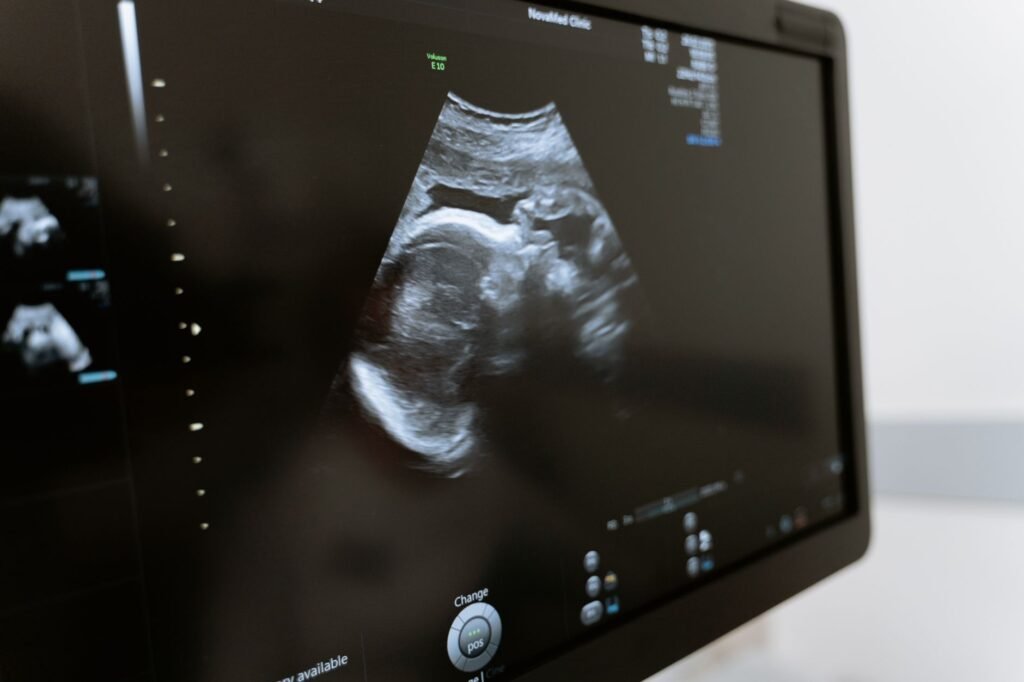
Many people have an ultrasound between weeks 11 and 14. It confirms your due date, checks how many babies there are and may include a nuchal translucency measurement as part of screening. Seeing your baby move on screen is an unforgettable moment for many parents.
Common First Trimester Symptoms and How to Cope
| Symptom | What helps |
|---|---|
| Nausea | Small, frequent meals; bland snacks; ginger; fresh air |
| Fatigue | Early nights, short rests, gentle activity |
| Sore breasts | A supportive, well-fitting bra |
| Frequent urination | Keep drinking fluids, but cut back just before bed |
| Constipation | More fiber, water and daily movement |
| Heartburn | Smaller meals and staying upright after eating |
| Mood swings | Rest, support and talking about how you feel |
If you are struggling to keep food or fluids down, tell your provider. Severe, persistent vomiting, called hyperemesis gravidarum, needs medical care and is very treatable.
Eating Well in the First Trimester
You do not need to eat for two yet. Most people do not need extra calories in the first trimester. Focus instead on variety and food safety. Choose fruit, vegetables, whole grains, protein and dairy when you can, and do not worry if nausea limits you to plain foods for a while.
Some foods carry a higher risk of infection or contain substances best avoided in pregnancy. Our full guide to safe foods during pregnancy explains what to enjoy and what to skip, and the NHS pregnancy guide is another trusted resource.
Staying Active and Resting
Gentle exercise such as walking, swimming and prenatal yoga is safe for most healthy pregnancies and can ease fatigue, improve sleep and lift your mood. The American College of Obstetricians and Gynecologists generally encourages about 150 minutes of moderate activity each week if your provider agrees. Listen to your body and rest when you need to. Growing a baby is hard work.
Your Emotions in Early Pregnancy
Feeling thrilled one minute and anxious the next is completely normal. Hormones play a part, and so does the reality of a big life change. Some people wait until after the first trimester to share their news, while others tell close family right away. There is no right choice.
If worry, low mood or anxiety feels constant or overwhelming, talk to your provider. Mental health is part of prenatal care, and support is available.
Planning Ahead for the Second Trimester
As you finish the first trimester, it is a good time to start thinking about what comes next. Many people find energy returns in the second trimester, making it a good window for practical planning.
- Research childbirth classes and when to book them.
- Think about maternity leave and talk to your employer when you are ready.
- Start a simple budget for baby essentials. Our baby registry checklist focuses on what you really need.
- Consider comfortable maternity clothes as your bump grows.

What to Avoid in the First Trimester
Your baby’s organs form during these early weeks, which makes the first trimester an especially important time to avoid certain exposures. You do not need to live in a bubble, but a few sensible precautions go a long way.
Alcohol, smoking and drugs
No amount of alcohol is known to be safe in pregnancy, so the simplest advice is to avoid it completely. Smoking and vaping expose your baby to nicotine and other chemicals that affect growth and development. Recreational drugs, including cannabis, are also best avoided. If you need help quitting, your provider can connect you with support without judgment.
Medicines and supplements
Some prescription and over-the-counter medicines are not recommended in pregnancy, while others are important to keep taking. Never stop a prescribed medicine without talking to your doctor first. Check with a pharmacist before taking anything new, including herbal products and high-dose vitamins. Too much vitamin A, for example, can be harmful.
Hot tubs and saunas
Raising your core body temperature significantly in early pregnancy has been linked to a higher risk of neural tube defects. Skip hot tubs and saunas, and let a fever be checked rather than waiting it out.
Infections
- Wash your hands often, especially after handling raw meat, gardening or changing diapers.
- Avoid changing cat litter if you can, or wear gloves and wash up afterward, to reduce the risk of toxoplasmosis.
- Ask your provider about recommended vaccines during pregnancy.
- Tell your provider if you are exposed to chickenpox, rubella or other infections and are unsure of your immunity.
Workplace hazards
If your job involves chemicals, radiation, heavy lifting or long hours on your feet, talk with your employer and provider about adjustments. Many workplaces are required to support safe working conditions during pregnancy.
Partners in the First Trimester
Partners often feel a little on the sidelines in early pregnancy, since there is not much to see yet. There is plenty they can do, though. Taking on more cooking and chores, coming to appointments, learning about pregnancy together and simply listening can make a big difference to how supported the pregnant partner feels. It is also a good time for both of you to talk about hopes, worries and the kind of parents you want to be.
Sleep in Early Pregnancy
First trimester fatigue is real, and it often catches people off guard. Rising progesterone levels have a sedating effect, and your body is busy building the placenta. Many people need more sleep than usual, even after a full night.
- Go to bed earlier and protect your wind-down time.
- Take a short nap if your schedule allows.
- Cut back on fluids an hour or two before bed to reduce night-time bathroom trips.
- Keep your bedroom cool, dark and quiet.
- Ask for help with chores so you can rest when you need to.
Sleeping on your back is fine in the first trimester. Later in pregnancy, side sleeping is recommended, so it can help to start getting used to it now.
Frequently Asked Questions
When will I start to show?
Many first-time parents start to show between weeks 12 and 16, while people in later pregnancies may notice a bump earlier. Body shape and muscle tone make a big difference.
Is cramping normal in the first trimester?
Mild cramping is common as the uterus grows and stretches. Severe cramping, one-sided pain or cramping with heavy bleeding should be checked by a provider right away.
When does morning sickness usually stop?
For most people, nausea eases between weeks 12 and 16. A smaller number experience it for longer. Talk to your provider if it is severe or lasting.
Can I exercise in the first trimester?
Yes, for most healthy pregnancies. Moderate activity such as walking and swimming is usually encouraged. Avoid contact sports and activities with a high risk of falls, and check with your provider about your specific situation.
The Bottom Line
The first trimester is a time of rapid development for your baby and big adjustments for you. Following your first trimester week by week helps you understand symptoms, prepare for appointments and make informed choices. Take folic acid, rest when you can, eat what you can manage, and lean on your provider for support. Before long, many of the hardest symptoms will ease, and the second trimester will arrive with new energy and milestones.
Was this article helpful?
Thanks for letting us know! Your feedback helps us make our articles better.

Writer at Apparently a Parent, covering the everyday joys and challenges of raising a family.



2 Responses