What to Expect at Your First Prenatal Appointment
Discover what to expect at your first prenatal appointment, including tests, questions, and tips for a smooth experience during this exciting time.


In this article
Key takeaways
- Your first appointment sets the tone for your pregnancy.
- Prepare for questions about your health and family history.
- Medical tests may be conducted to ensure your well-being.
- Don't hesitate to ask your provider any questions you have.
Congratulations on your pregnancy! As you embark on this beautiful journey, one of the first milestones you will encounter is your first prenatal appointment. This visit is not only a chance to confirm your pregnancy, but it also serves as an essential step in establishing a healthy foundation for both you and your baby.
Your first prenatal appointment typically occurs around 8-10 weeks into your pregnancy, although every situation is unique, and some may schedule earlier if there are concerns or complications. Understanding what to expect during this appointment can help ease any anxiety and allow you to prepare effectively. This guide will walk you through the details of your first prenatal visit, including potential tests, questions you may be asked, and tips for maximizing your time with your healthcare provider.
It’s essential to remember that every pregnancy is different. The information provided here aims to serve as a general guide, but always consult with your healthcare provider for personalized advice tailored to your specific circumstances.
What to Bring to Your Appointment
Before you head to your first prenatal appointment, it’s helpful to prepare and gather a few essential items. Ensuring you have everything you need will help your visit go smoothly.
- Identification and Insurance Card: Bring a form of identification and your insurance card if you have health insurance.
- Medical History: Prepare a summary of your medical history, including any past surgeries, chronic conditions, and medications you are currently taking.
- Family Health History: It’s useful to have information about your family’s health history, particularly regarding genetic disorders or pregnancy complications.
- List of Questions: Write down any questions or concerns you have in advance. This ensures you won’t forget them during the visit.
By organizing these items before your appointment, you can create a more productive and focused experience.
What Happens During the Appointment
Your first prenatal appointment typically includes a series of assessments to ensure both your health and the health of your growing baby. Here’s a breakdown of what you can expect:
- Health Assessment: Your healthcare provider will review your medical history, perform a physical examination, and check your vital signs, such as blood pressure and weight.
- Laboratory Tests: Blood tests are commonly conducted to check for conditions like anemia, blood type, and infections. Urine tests may also be performed to check for protein levels and signs of infection.
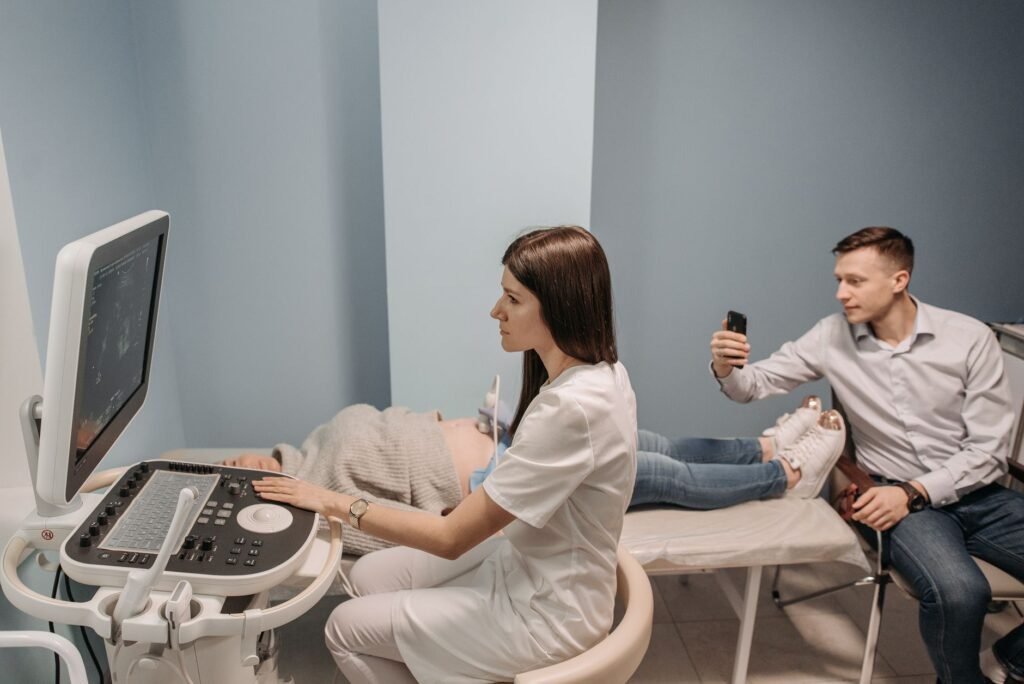
- Ultrasound: Depending on your provider and your specific situation, you may have an early ultrasound to confirm your pregnancy and check for the baby’s heartbeat. This is an exciting moment!
Each of these assessments helps lay the groundwork for a healthy pregnancy. Your healthcare provider will explain each step, so don’t hesitate to ask questions if you need clarification.
Common Questions You Might Be Asked
<pDuring your first prenatal appointment, your healthcare provider will ask several questions to gather essential information about your health and pregnancy. Here are some common questions you might encounter:
- Last Menstrual Period: When was your last period? This information helps determine your due date.
- Medical History: Do you have any chronic conditions or past surgeries? It’s important for your provider to understand your overall health.
- Family History: Are there any hereditary conditions in your family? This information can help assess risks for your baby.
- Medications: Are you currently taking any medications or supplements? Your provider will want to know this to ensure safety during pregnancy.
Answering these questions honestly and thoroughly is vital for the best care. Remember, there are no wrong answers; your healthcare provider is there to help you.
Medical Tests and Screenings
Your first prenatal appointment may include various tests and screenings, which are critical for monitoring your health and the health of your baby. Here are some common tests you might expect:
- Blood Tests: These tests check for anemia, blood type, Rh factor, and infections such as syphilis and HIV, among others. Your provider will explain the purpose of each test.
- Urinalysis: A urine test helps detect conditions like urinary tract infections and checks for protein levels, which could indicate potential complications.
- Genetic Screening: Depending on your family history and other factors, your provider may offer genetic screening to assess the risk of certain genetic disorders.
Understanding these tests can help you feel more prepared and informed. Don’t hesitate to ask your provider any questions you have about the tests and their significance.
Nutrition and Lifestyle Recommendations
Your healthcare provider will likely discuss nutrition and lifestyle habits during your first appointment. Here are some common recommendations:
- Balanced Diet: Eating a variety of foods, including fruits, vegetables, whole grains, lean proteins, and healthy fats, is crucial for your health and your baby’s development. You can learn more about safe foods during pregnancy in our article on safe foods during pregnancy.
- Hydration: Staying hydrated is essential. Aim for plenty of water throughout the day to support your health and maintain energy levels.
- Exercise: Regular physical activity can improve your mood, energy levels, and overall well-being. Your provider can guide you on safe exercises during pregnancy.
Incorporating these healthy habits can contribute to a positive pregnancy experience. Always remember to consult your healthcare provider before making any significant changes to your lifestyle or diet.
Preparing for Future Appointments
Your first prenatal visit is just the beginning of your healthcare journey during pregnancy. Here’s how you can prepare for future appointments:
- Keep a Pregnancy Journal: Document your experiences, thoughts, and any questions you have. This can help you stay organized and focused during your visits.
- Schedule Regular Appointments: Prenatal visits typically occur every four weeks during the first 28 weeks, every two weeks until 36 weeks, and then weekly until delivery. Stay proactive in scheduling these appointments.
- Educate Yourself: Continue to learn about pregnancy, childbirth, and parenting. Our article on first trimester week by week offers valuable insights into your pregnancy journey.
Being proactive about your healthcare will empower you throughout your pregnancy.
Understanding Prenatal Care Goals
During your first prenatal appointment, it’s essential to understand the overall goals of prenatal care. This encompasses monitoring the health of both the mother and the developing fetus, ensuring that the pregnancy progresses normally, and preparing for a healthy delivery.
Monitoring Maternal Health
A significant focus of prenatal care is monitoring the mother’s health. Regular check-ups allow healthcare providers to track weight gain, blood pressure, and other vital signs that can indicate potential complications. This monitoring is crucial for early identification of issues such as gestational diabetes or preeclampsia.
- Weight Tracking: Understanding healthy weight gain based on your pre-pregnancy BMI.
- Blood Pressure Monitoring: Keeping track of blood pressure readings for signs of hypertension.
- Emotional Well-being: Discussing mental health and any concerns about anxiety or depression.
By addressing these aspects, healthcare providers can offer personalized advice and interventions to support the mother’s health throughout her pregnancy journey.
Fetal Development Monitoring
The second critical goal of prenatal care is to monitor the development of the fetus. This includes assessing growth patterns and ensuring that the fetus is developing appropriately for its gestational age. Healthcare providers will often use ultrasound technology to visualize fetal development and check for any abnormalities.
- Ultrasound Examinations: Understanding when and why ultrasounds are performed during pregnancy.
- Fetal Heart Rate Monitoring: Learning about normal heart rate ranges and what deviations may indicate.
- Growth Assessments: Knowing what to expect regarding fetal size and development throughout the trimesters.
These steps are vital, as they help identify any potential complications early on, enabling timely interventions if necessary.
Building a Support System
Having a robust support system is an often-overlooked but critical aspect of a healthy pregnancy. Building a network of support can improve your emotional well-being and provide practical assistance during this transformative time.
Involving Your Partner
Your partner plays a crucial role in your prenatal journey. Their involvement can significantly impact your emotional health and the overall experience of pregnancy. Encouraging them to attend appointments with you can foster better communication and understanding between both parents.
- Discuss Roles: Talk about how your partner can support you during pregnancy and after delivery.
- Attend Classes Together: Consider enrolling in prenatal classes to learn about childbirth and newborn care.
- Share Responsibilities: Divide household and planning tasks to reduce stress for both partners.
Involving your partner can help strengthen your relationship and foster a shared commitment to the health of your family.
Engaging Family and Friends
Beyond your partner, involving friends and family can also provide emotional and practical support. Sharing your pregnancy journey with trusted individuals can create a network of care that enhances your experience.
- Communicate Needs: Let family and friends know how they can assist you, whether through emotional support or physical help.
- Plan for Help Postpartum: Discuss potential support postpartum, especially during the initial weeks after delivery.
- Join Community Groups: Look for local or online groups where you can connect with other expectant parents.
Having a supportive circle can alleviate stress and provide a sense of belonging during the changes that come with pregnancy.
Understanding Your Rights and Choices in Prenatal Care
Understanding your rights and choices during prenatal care is crucial for advocating for your health and preferences. As an expectant mother, you have the right to be involved in decision-making processes regarding your care.
Informed Consent
Informed consent is a fundamental principle in healthcare. It means that you have the right to receive all necessary information about any tests, procedures, or treatments and to make decisions about them without coercion. During your first appointment, discuss your preferences and ask questions about any recommended procedures.
- Ask About Risks and Benefits: Make sure you understand both the advantages and potential risks associated with any procedure.
- Explore Alternatives: Inquire about alternative options if you’re uncomfortable with a specific recommendation.
- Clarify Your Choices: Be clear about your wishes regarding interventions during pregnancy and childbirth.
Being well-informed allows you to participate actively in your prenatal care and make choices that align with your values and comfort level.
Choosing the Right Healthcare Provider
Choosing the right healthcare provider is a significant decision in your prenatal care journey. Consider what type of provider aligns with your needs, whether an obstetrician, midwife, or family doctor. Each may offer different approaches and philosophies regarding prenatal care and childbirth.
- Research Credentials: Investigate the qualifications and experience of potential providers.
- Assess Communication Style: Choose someone you feel comfortable discussing personal and sensitive issues with.
- Evaluate Practice Policies: Understand the policies regarding appointments, emergencies, and support during labor.
Finding a provider who respects your wishes and understands your concerns is key to a positive prenatal experience.
Understanding the Role of Your Healthcare Provider
Types of Healthcare Providers
During your prenatal journey, you may encounter various healthcare providers, each playing a unique role. Obstetricians are the most common choice for expectant mothers, focusing on pregnancy and childbirth. Midwives, on the other hand, offer a more holistic approach, often supporting natural childbirth practices. Family practitioners can also provide prenatal care, especially for those seeking a more personalized family-oriented experience.
Establishing a Relationship
Building a rapport with your healthcare provider is crucial for a positive prenatal experience. A strong relationship can enhance communication, making it easier to express concerns and ask questions. Consider scheduling a meet-and-greet appointment to discuss your preferences, birth plan, and any worries you may have. This early interaction can help you feel more comfortable and secure in your choices.
When to Seek Additional Support
During your prenatal journey, there may be instances where you require additional support. If you have a pre-existing medical condition or experience complications, your healthcare provider may refer you to a specialist, such as a maternal-fetal medicine doctor. Additionally, mental health professionals can offer support if you experience anxiety or depression during your pregnancy.
Understanding Prenatal Genetic Testing
What is Genetic Testing?
Genetic testing is a process that can provide information about the health of your unborn child. This testing can identify certain genetic disorders and chromosomal abnormalities. Common tests include non-invasive prenatal testing (NIPT) and amniocentesis, each with distinct benefits and risks.
Benefits and Risks
While genetic testing can offer peace of mind and early detection of potential issues, it is essential to understand the implications of the results. Benefits may include informed decision-making and preparedness for any special care your baby may need. However, the risks involve anxiety from uncertain outcomes and the potential for false positives.
Discussing Options with Your Provider
Before proceeding with genetic testing, it’s vital to discuss your options with your healthcare provider. They can help you understand which tests are appropriate based on your medical history and risk factors. Consider creating a list of questions to ask during this conversation, such as:
- What tests do you recommend and why?
- What will the tests reveal?
- What are the risks and benefits of testing?
- How will my results be handled?
Emotional Preparedness for Parenthood
Recognizing Emotional Changes
Pregnancy brings numerous emotional changes, influenced by hormonal shifts and the anticipation of becoming a parent. It is normal to experience a wide range of feelings, from joy to anxiety. Acknowledging these emotions is crucial for your mental wellness. Journaling can be a helpful tool for expressing your thoughts and feelings during this transformative time.
Connecting with Other Expecting Parents
Building connections with other expecting parents can provide valuable support. Consider joining a prenatal class or a parenting group where you can share experiences and advice. These interactions can foster a sense of community, helping you feel less isolated during your pregnancy.
Seeking Professional Support
If you find that your emotional challenges are overwhelming, seeking professional support from a therapist or counselor may be beneficial. Many practitioners specialize in maternal mental health and can provide coping strategies tailored to your needs. Remember, prioritizing your emotional health is just as important as your physical health during pregnancy.
Trusted sources: ACOG: Women's health, NHS: Pregnancy.
Frequently Asked Questions
What should I expect during my first prenatal appointment?
Your first appointment typically includes a health assessment, laboratory tests, and a discussion about your medical and family history. You may also have an ultrasound to confirm your pregnancy.
How can I prepare for my first prenatal visit?
Gather your identification, insurance information, medical history, family health history, and prepare a list of questions you want to ask your provider.
What types of tests will be performed during the appointment?
Common tests include blood tests, urinalysis, and possibly genetic screenings, depending on your individual circumstances and family history.
How often will I need to see my healthcare provider during pregnancy?
Generally, you will have appointments every four weeks during the first 28 weeks, every two weeks until 36 weeks, and then weekly until delivery.
The Bottom Line
Your first prenatal appointment is an essential step in your pregnancy journey. It sets the stage for your care and helps ensure the health of both you and your baby. By preparing in advance, understanding what to expect, and maintaining open communication with your healthcare provider, you can navigate this exciting time with confidence. Always remember to reach out to your provider with any questions or concerns you may have. Wishing you a healthy and joyful pregnancy!
Was this article helpful?
Thanks for letting us know! Your feedback helps us make our articles better.

Writer at Apparently a Parent, covering the everyday joys and challenges of raising a family.




2 Responses