Best Toys by Age: A Parent’s Guide to Play That Builds Skills
Find the best toys by age, from baby rattles to tween strategy games, plus safety tips and simple ways to avoid toy overload at home.

In this article
Key takeaways
- Simple, open-ended toys support learning better than flashy gadgets.
- Match toys to the skills your child is building right now.
- Keep small parts, button batteries and magnets away from young kids.
- Fewer toys, rotated often, lead to deeper and longer play.
Walk down any toy aisle and you will find hundreds of products that promise to make your child smarter, faster or more creative. Many of them flash, beep and come with a hefty price tag. Yet child development experts agree that the best toys are often the simplest ones: blocks, balls, dolls, puzzles, crayons and dress-up clothes that let kids lead the play.
Choosing the best toys by age is less about finding the latest trend and more about matching toys to what your child is learning right now. A 6 month old is discovering cause and effect. A 2 year old is practicing words and big movements. A 7 year old is building strategy, patience and friendships. The right toy supports those skills without doing the playing for them.
This guide breaks down what children need at each stage, the types of toys that fit best, safety tips and ways to avoid toy overload in your home.
What Makes a Great Toy?
Before looking at specific ages, it helps to know what separates a great toy from a forgettable one. The American Academy of Pediatrics encourages parents to choose toys that spark imagination, invite interaction with caregivers and support a child’s growing skills, rather than relying on screens or electronic features.
Look for toys that are:
- Open-ended: they can be used in many ways, such as blocks, play dough or scarves.
- Child-powered: the child does the work, instead of pressing a button and watching.
- Social: they invite play with parents, siblings or friends.
- Durable: they stand up to chewing, dropping and years of use.
- Age-appropriate: they are safe and match your child’s current abilities.
- Just challenging enough: kids can succeed with a little effort, without getting frustrated.
A useful rule of thumb is that a good toy is 10 percent toy and 90 percent child. The more your child brings to the play, the more they learn from it.
Best Toys for Babies (0 to 12 Months)
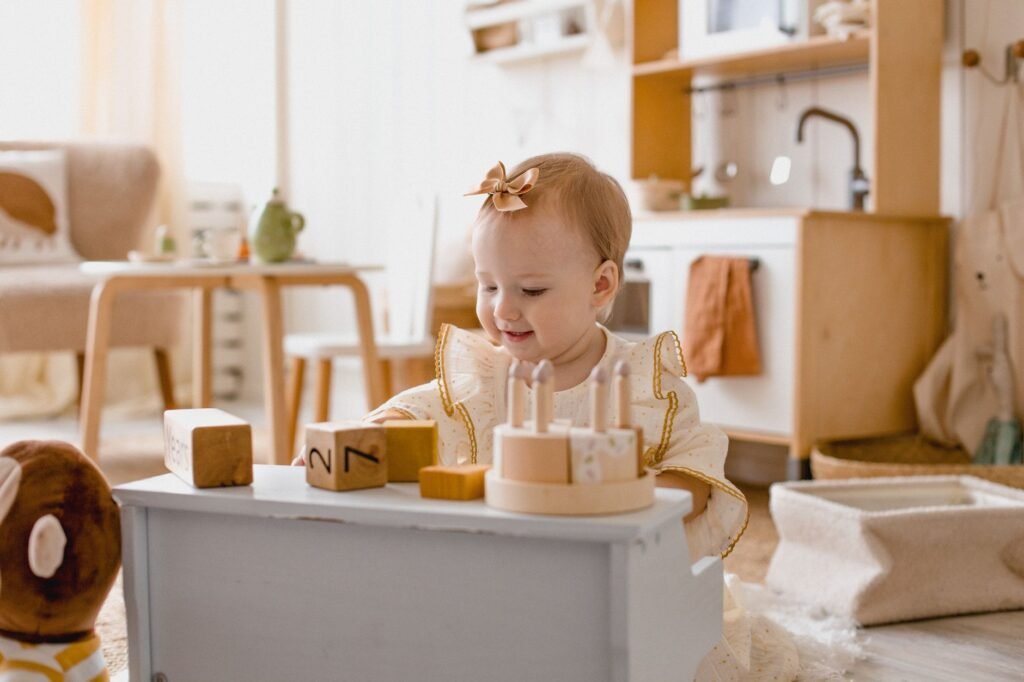
In the first year, babies learn through their senses. They explore by looking, listening, grasping, mouthing and shaking. Their favorite toy is usually your face and voice, so the best baby toys are ones you use together.
0 to 6 Months
- High-contrast board books and cards for early visual development
- Soft rattles and easy-to-grasp rings
- Activity gyms or play mats for tummy time
- Unbreakable baby-safe mirrors
- Soft cloth books with crinkly pages
6 to 12 Months
- Stacking cups and rings
- Soft blocks and large, lightweight balls
- Shape sorters with a few simple shapes
- Push toys once baby starts pulling to stand
- Board books with flaps and textures
- Teething toys made from safe, firm materials
Babies also love everyday objects like wooden spoons, measuring cups and empty boxes. Keep the toy collection small and rotate items so each one feels new. If you are still planning for your baby, our baby registry checklist includes a short list of first toys worth having.
Best Toys for Toddlers (1 to 3 Years)
Toddlers are on the move and bursting with curiosity. They are learning to walk, run and climb, stringing together words and starting to play pretend. They also crave independence and can get frustrated when things do not go their way, which is completely normal at this age.
- Building toys: large blocks, chunky interlocking bricks and wooden train sets
- Pretend play: toy kitchens, play food, baby dolls, toy phones and simple dress-up clothes
- Movement toys: ride-on toys, push walkers, balls and low climbing structures
- Art supplies: chunky crayons, washable markers, finger paint and play dough
- Puzzles: knob puzzles and simple 3 to 12 piece puzzles
- Music: drums, shakers, xylophones and bells
- Books: sturdy board books with rhymes, repetition and familiar objects
Toddlers also benefit from toys that help them practice everyday skills, like dolls with buttons or zippers and sorting games. When frustration strikes, a calm response and a simpler toy can help. Our guide to toddler tantrums has more tips for those big moments.
Best Toys for Preschoolers (3 to 5 Years)
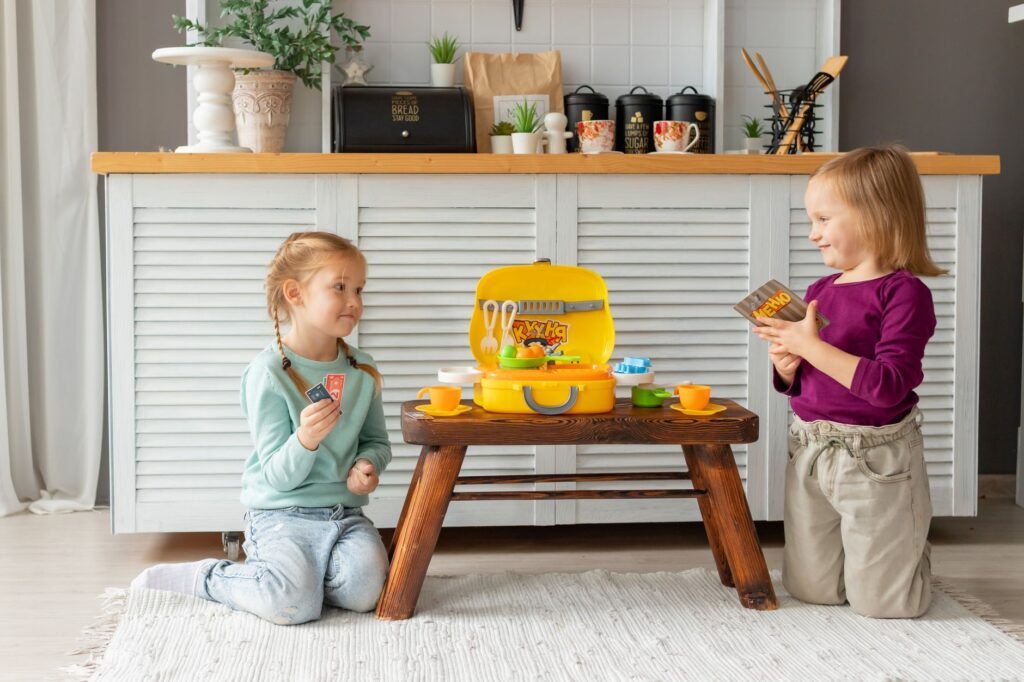
Preschoolers are master storytellers. Their pretend play becomes more detailed, they enjoy playing with other children and they are building fine motor skills needed for writing. They are also asking lots of questions about how the world works.
- Imaginative play: dollhouses, puppets, costumes, play stores and toy doctor kits
- Construction: magnetic tiles, wooden blocks and beginner building sets
- Early games: simple matching games, memory games and cooperative board games
- Art and craft supplies: safety scissors, glue sticks, stickers, beads and easels
- Science and nature: magnifying glasses, bug catchers and simple magnets
- Active play: tricycles, balance bikes, jump ropes and outdoor balls
- Puzzles: 24 to 48 piece puzzles and pattern blocks
This is a great age to introduce cooperative games, where everyone works together to win. They teach turn taking without the sting of losing.
Best Toys for School-Age Kids (6 to 8 Years)
School-age kids are building reading, math and reasoning skills. They enjoy rules, challenges and projects they can see through from start to finish. Friendships become more important, and many kids develop strong interests in particular topics.
- Board and card games: strategy games, word games and classic card games
- Building kits: detailed brick sets, marble runs and engineering kits
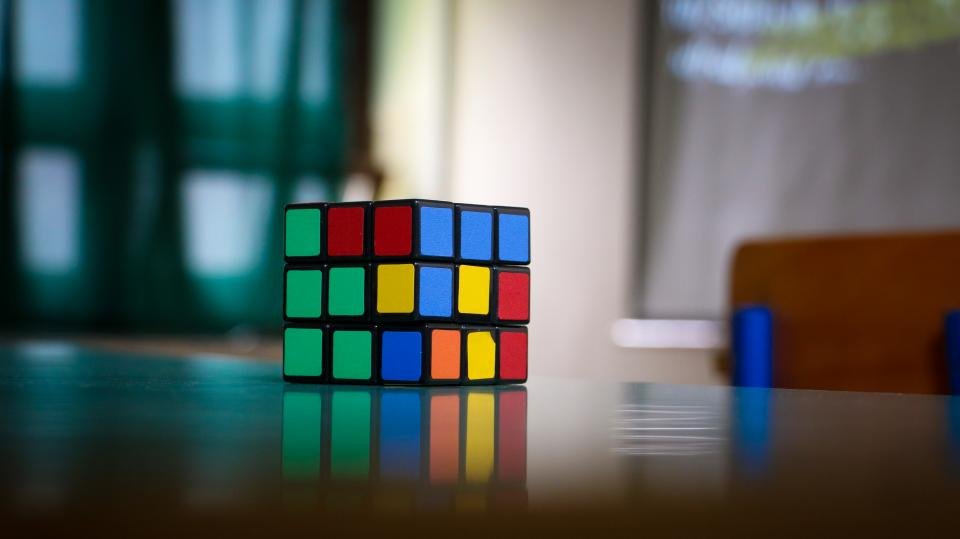
- STEM toys: science kits, beginner coding robots and simple circuit sets
- Creative kits: jewelry making, weaving, sewing and painting sets
- Active gear: bikes, scooters, sports equipment and kites
- Books: early chapter books, graphic novels and nonfiction on favorite topics
Toys that let kids master a skill are especially powerful at this age. Finishing a tricky building set or learning a new game builds real confidence. For more ways to support that, see our tips to build confidence in kids.
Best Toys for Big Kids (9 to 12 Years)
Tweens want toys and activities that feel grown up. They are ready for more complex projects, deeper strategy and hobbies they can dive into.
- Complex strategy and cooperative board games
- Advanced building and engineering kits
- Art supplies like sketchbooks, quality colored pencils and craft kits
- Musical instruments
- Outdoor gear such as skateboards, sports equipment and camping supplies
- Books series and puzzle books
- Cooking or baking kits for kids
Many tweens gravitate toward screens and video games. Balance is key. Our guide to screen time rules for families can help you set limits while still leaving room for hands-on hobbies.
Best Toys by Age at a Glance
| Age | What They Are Learning | Best Toy Types |
|---|---|---|
| 0 to 6 months | Seeing, hearing, grasping | Rattles, play mats, high-contrast books, mirrors |
| 6 to 12 months | Cause and effect, sitting, crawling | Stacking cups, soft blocks, balls, push toys |
| 1 to 3 years | Walking, words, early pretend play | Blocks, play kitchens, crayons, simple puzzles |
| 3 to 5 years | Storytelling, social play, fine motor | Dress-up, magnetic tiles, art supplies, cooperative games |
| 6 to 8 years | Reading, rules, problem solving | Board games, building kits, STEM toys, bikes |
| 9 to 12 years | Strategy, hobbies, independence | Complex games, instruments, craft and science kits |
Safe Kids Worldwide offers more toy safety resources and recall information for parents.
How to Avoid Toy Overload
More toys do not mean more play. In fact, children often play longer and more creatively when they have fewer options. Try these strategies:
- Rotate toys. Keep a small selection out and store the rest. Swap every week or two.
- Use open storage. Low shelves and clear bins help kids see and choose toys independently.
- Donate regularly. Pass along toys your child has outgrown.
- Ask for experiences. Suggest relatives give classes, museum passes or outings instead of more things.
- Follow the one in, one out rule. When a new toy arrives, an old one leaves.
The Best Toy of All Is You
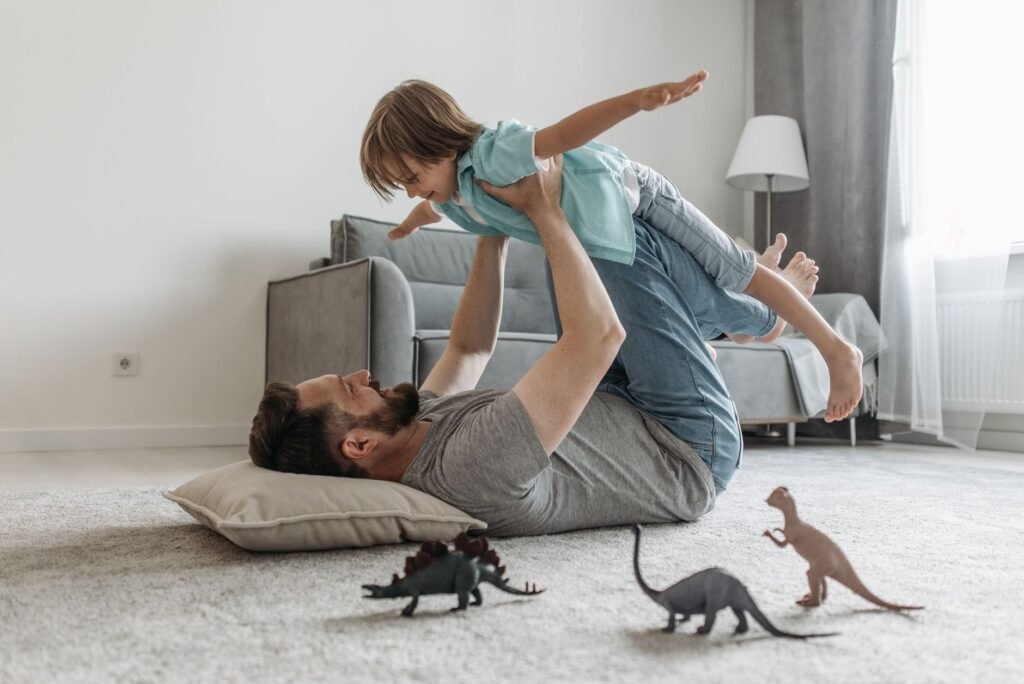
No toy can replace time with a caring adult. Talking, singing, reading and playing together builds language, emotional security and problem solving in ways no product can. ZERO TO THREE highlights that everyday back-and-forth interaction is one of the most powerful drivers of early brain development. Even ten minutes of focused play a day, where your child leads and you follow, can make a big difference.
Choosing Toys for Kids With Different Needs
Every child develops at their own pace, and age ranges on toy boxes are only a starting point. If your child has a developmental delay, a sensory processing difference or a physical disability, choose toys based on their current skills and interests rather than their birthday. A 5 year old who loves cause and effect may still enjoy a pop-up toy made for toddlers, and that is perfectly fine.
Look for toys with large, easy-to-grip pieces, adjustable difficulty, bright contrast or gentle sounds, depending on what helps your child engage. Sensory toys like textured balls, fidget toys and weighted lap pads can be calming for some children. Your child’s pediatrician, therapist or teacher can also suggest toys that support specific goals such as fine motor strength or speech.
Budget-Friendly Ways to Build a Great Toy Collection
Great toys do not need to be expensive. Some of the most loved playthings cost little or nothing:
- Cardboard boxes that become cars, castles and spaceships
- Pots, pans and wooden spoons for a kitchen band
- Scarves, old hats and grown-up clothes for dress-up
- Library toy lending programs and book loans
- Toy swaps with friends, neighbors or local parent groups
- Secondhand shops and online marketplaces for sturdy classics like blocks and train sets
When buying secondhand, check for recalls, broken parts and loose pieces, and clean toys well before use. Classic toys like wooden blocks and puzzles often last for decades and can be passed down to younger siblings or cousins.
Using Toys to Beat Indoor Boredom
Toys are especially handy on long days stuck at home. Pull out a stored bin of toys your child has not seen in a while, set up a building challenge or turn stuffed animals into a pretend classroom. For even more ideas, try our list of rainy day activities for kids, many of which use toys and supplies you already have.
Giving Toys as Gifts
When buying for someone else’s child, it helps to ask parents what their child is into right now and whether they have any rules about noisy toys, screens or small parts. Gifts that add to something a child already loves, like a new set of pieces for an existing train track or a book in a favorite series, are almost always a hit. When in doubt, choose a classic open-ended toy, a set of art supplies or a quality picture book. Adding a note about why you chose it, such as a book you loved as a child, makes the gift even more meaningful.
Frequently Asked Questions
How many toys does a child really need?
Fewer than you might think. A small, well-chosen collection of open-ended toys, rotated regularly, usually leads to deeper play than a room full of options.
Are electronic toys bad for kids?
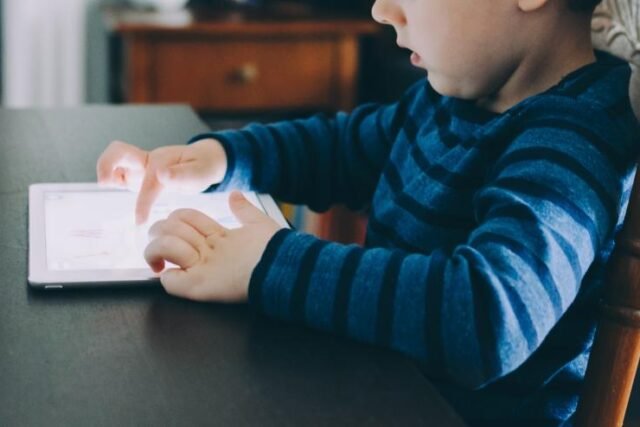
Not always, but many electronic toys do the work for the child and can reduce conversation with parents. Balance them with simple, hands-on toys and plenty of interactive play.
Should I follow the age labels on toys?
Yes, especially for safety. Age labels often reflect choking hazards and other risks, not just skill level. Keep toys for older kids away from babies and toddlers.
What is the best toy for a 1 year old?
Blocks, stacking cups, push toys, balls and sturdy board books are all excellent choices that support movement, language and early problem solving.
The Bottom Line
The best toys by age are simple, safe and matched to what your child is learning right now. Babies love sensory toys, toddlers thrive with blocks and pretend play, preschoolers build worlds with dress-up and construction, and school-age kids enjoy games, kits and hobbies. Keep the collection small, rotate often and remember that your time and attention are the most valuable gift of all.
Was this article helpful?
Thanks for letting us know! Your feedback helps us make our articles better.

Writer at Apparently a Parent, covering the everyday joys and challenges of raising a family.