25 Rainy Day Activities for Kids Using What You Already Have
Stuck inside? Try these 25 rainy day activities for kids, from obstacle courses and crafts to kitchen science, using supplies you already have.


In this article
Key takeaways
- Alternate active, creative, cozy and curious activities to beat boredom.
- Most ideas use everyday supplies like boxes, blankets and paper.
- Match activities to your child's age and supervise water, heat and small parts.
- A rainy day box of special supplies makes indoor days feel exciting.
Rain drumming on the windows, plans canceled and a houseful of restless kids. Rainy days can test any parent’s patience, especially when screens start to look like the easiest answer. But a day indoors can also become one of the most memorable days of the week, with a little imagination and a few everyday supplies.
You do not need expensive kits or a craft store haul. Most of the best rainy day activities for kids use things you already have: cardboard boxes, blankets, paper, kitchen staples and a bit of creativity. The key is having a list of ideas ready before boredom strikes.
Below are 25 rainy day activities for kids, grouped into active games, creative projects, cozy activities and curious experiments. Each includes what you need and the ages it suits best, plus tips for keeping the day calm and the mess manageable.
Setting Up for a Successful Rainy Day
A little structure helps kids and parents get through a long day inside. Try alternating active and calm activities, building in snack breaks and letting children choose some of the plans. Rotating through different types of play keeps boredom away and prevents energy from boiling over.
| Time of day | Type of activity | Example |
|---|---|---|
| Morning | Active | Obstacle course or dance party |
| Late morning | Creative | Cardboard box city |
| After lunch | Cozy | Blanket fort reading hour |
| Afternoon | Curious | Kitchen science experiment |
| Late afternoon | Calm | Puzzle or board game |
Get Moving: Active Rainy Day Activities
Kids need to burn energy even when they cannot go outside. These ideas get bodies moving safely indoors.
- Indoor obstacle course. Use cushions, chairs, tunnels made from blankets and tape lines on the floor. Kids crawl, jump, balance and time themselves. Great for ages 3 and up.
- Dance party. Put on favorite songs and dance. Add freeze dance, where everyone stops when the music pauses. Perfect for all ages, including toddlers.
- Balloon volleyball. Tie a string between two chairs as a net and keep a balloon in the air. Safe, silly and great for ages 3 and up. Always supervise young children around balloons.
- Animal yoga. Stretch like a cat, stand tall like a flamingo and roar like a lion. Calming yet active, and ideal for ages 2 to 8.
- Hallway bowling. Set up plastic cups or empty bottles as pins and roll a soft ball. Keep score for older kids. Good for ages 3 and up.
- Indoor scavenger hunt. Hide small objects around the house and give clues or a picture list. Suits ages 3 to 10, with harder clues for older kids.
Get Creative: Art and Making Projects
Creative projects let kids express themselves and often keep them busy for a long stretch.
- Cardboard box city. Turn boxes into houses, cars, rockets or a whole town. Kids decorate with markers, paper and tape. Great for ages 3 to 10.
- Paper plate masks. Cut eye holes in paper plates and decorate them as animals, superheroes or monsters. Ideal for ages 3 to 8.
- Salt dough creations. Mix flour, salt and water into dough, shape it, then bake at a low temperature and paint. Ages 3 and up, with adult help for the oven.
- Puppet show. Make puppets from socks or paper bags and put on a show behind the sofa. Great for ages 3 to 10.
- Family comic strip. Fold paper into panels and create a comic starring the family. Ages 6 and up love this.
- Collage from old magazines. Cut out pictures and words to create a themed collage, such as dream vacation or favorite foods. Good for ages 4 and up with safety scissors.

Get Cozy: Calm Indoor Activities
Quieter activities help everyone recharge, especially after a busy morning.
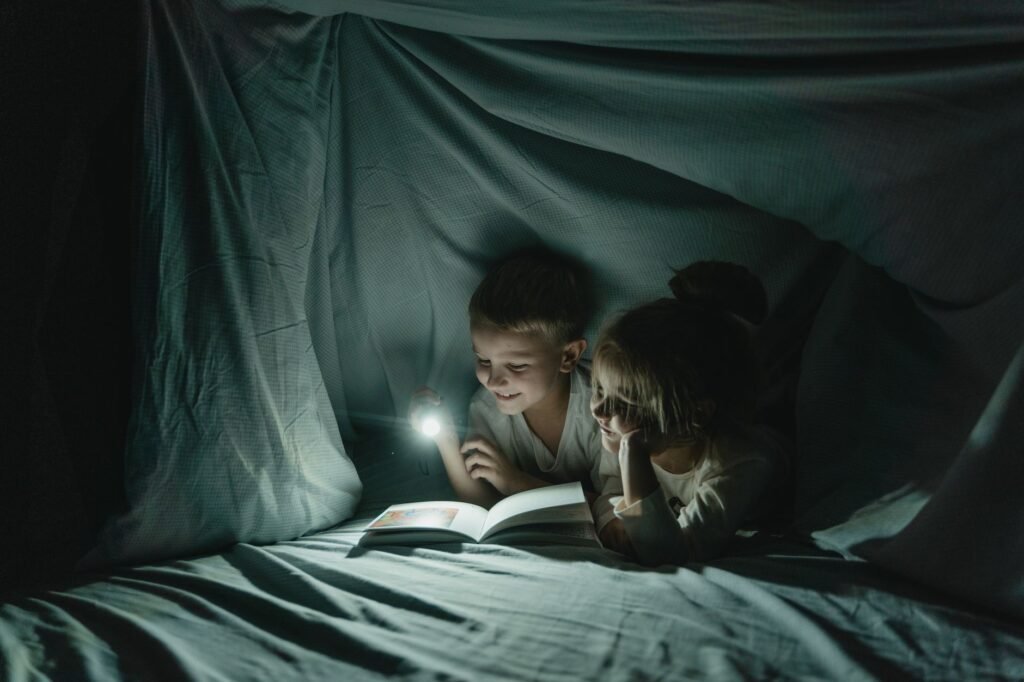
- Blanket fort reading hour. Build a fort with blankets and chairs, add pillows and a flashlight and read together inside. Perfect for all ages.
- Indoor picnic. Spread a blanket on the floor and enjoy lunch picnic style. Simple and magical for younger kids.
- Flashlight shadow puppets. Dim the lights and make animal shapes on the wall. Ages 3 and up.
- Puzzle marathon. Work on a jigsaw puzzle together. Choose piece counts that match your child’s age and patience.
- Board game tournament. Play a few classic games and keep a leaderboard. Great for ages 4 and up.
- Write letters to grandparents. Kids can draw pictures or write letters to family and friends, then mail them when the rain stops. Wonderful for ages 4 and up.
Get Curious: Science and Learning Activities
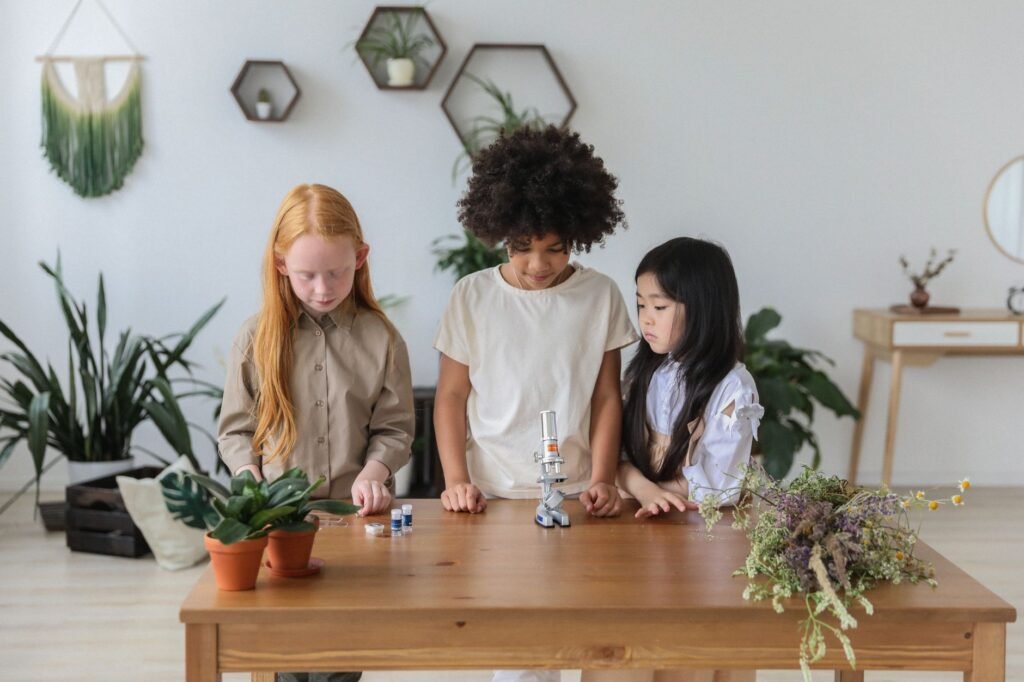
Rainy days are perfect for simple experiments that spark curiosity.
- Kitchen science volcano. Mix baking soda and vinegar with a drop of dish soap and food coloring for a fizzing eruption. Ages 3 and up with supervision.
- Ice excavation. Freeze small toys in a container of water, then let kids free them with warm water, spoons and salt. Great for ages 3 to 8.
- Sink or float test. Gather objects, predict whether they will sink or float, then test in a tub of water. Ages 3 and up.
- Paper airplane contest. Fold different designs and see which flies farthest. Perfect for ages 5 and up.
- Grow a bean in a jar. Place a dried bean between a damp paper towel and the side of a clear jar and watch it sprout over the coming days. Ages 3 and up.
- Build a marble run. Use cardboard tubes, tape and boxes to create a run on a wall or stairs. Ages 5 and up, with supervision around small marbles for younger siblings.
- Bake muffins together. Measuring, mixing and waiting for the oven teaches math, patience and teamwork. Plus, you get a snack. Ages 3 and up with help.
Activities by Age
| Age | Great picks from this list |
|---|---|
| Toddlers (1 to 3) | Dance party, animal yoga, indoor picnic, blanket fort |
| Preschoolers (3 to 5) | Obstacle course, salt dough, ice excavation, sink or float |
| Early school age (5 to 8) | Cardboard city, puppet show, volcano, paper airplanes |
| Older kids (8 to 12) | Comic strips, marble run, baking, board game tournament |
Keeping the Mess Manageable
- Lay down an old shower curtain or tablecloth for messy crafts.
- Set up water and science activities in the bathtub or kitchen.
- Use smocks or old T-shirts for painting.
- Make cleanup part of the activity, with a song or timer challenge.
- Limit the number of supplies out at once.
What About Screen Time?
There is nothing wrong with a family movie on a rainy afternoon. Choose a film together, make popcorn and turn it into an event. Our guide to family movie night shares tips for picking a film everyone enjoys. Balancing screen time with active and creative play helps kids sleep better and stay happier. For more ideas, see our screen time rules for real families. The American Academy of Pediatrics’ family media resources also help you plan balanced media use.
Safety Tips for Indoor Play
- Clear space and move breakable items before active games.
- Keep small objects, marbles and deflated balloons away from children under 3, as they are choking hazards.
- Supervise any activity involving water, heat, the oven or scissors.
- Use non-toxic art supplies.
- Make sure blanket forts are built with stable furniture that will not tip.
For more on home safety, Safe Kids Worldwide offers practical checklists.
Turning Rainy Days Into Traditions
Some families make rainy days special with small rituals, such as pancakes for breakfast, a new library book or a puddle-jumping walk when the rain eases. These traditions give kids something to look forward to when the forecast looks gloomy. Our list of simple family traditions has more ideas to try.
How to Build a Rainy Day Routine
Kids handle long indoor days best when the day has a loose shape. You do not need a rigid schedule, but a simple rhythm helps everyone know what comes next and cuts down on the constant question of what to do now. Try breaking the day into blocks of about 45 minutes to an hour, and switch the type of activity at each block.
- Morning: start with something active, like a dance party or an obstacle course, while energy is highest.
- Late morning: move to a creative project such as crafts, building or drawing.
- Lunch: let kids help make a simple meal or an indoor picnic on a blanket.
- Early afternoon: plan quiet time with books, audiobooks or puzzles so everyone can recharge.
- Late afternoon: finish with a game, a science experiment or a short family show.
Write the plan on a whiteboard or a piece of paper taped to the fridge. Younger kids love checking off each block, and older kids like having a say in what goes where.
Why Indoor Play Matters So Much
It is easy to think of rainy day activities as a way to fill time, but play is how children learn. When kids build a fort, they practice planning and problem solving. When they play pretend, they build language and empathy. When they follow the rules of a board game, they practice patience, turn taking and handling a loss. Even a simple game of balloon volleyball builds coordination and balance.
Pediatric experts consistently point to unstructured play as one of the best things for a child’s development. A rainy day gives you a natural reason to slow down and let that kind of play happen without the pull of errands, practices and appointments.
Keeping Kids of Different Ages Happy Together
Siblings with a big age gap can make indoor days tricky. A toddler wants to knock the tower down, while a nine year old wants to build it taller. A few simple strategies can keep the peace:
- Give older kids a leadership role, such as running the obstacle course timer or reading the story aloud.
- Choose open-ended activities like play dough, blanket forts and art that work at any skill level.
- Set up separate zones for part of the day so older kids can focus on a longer project.
- Rotate who picks the next activity so everyone feels heard.
Create a Calm-Down Corner
Long days inside can lead to big feelings, especially by late afternoon. A calm-down corner gives kids a cozy place to reset. Add a few pillows, a soft blanket, a couple of favorite books and a small basket with a squishy ball or a glitter jar. Present it as a special spot to relax rather than a punishment, and use it yourself too. Kids learn a lot from watching a parent take a few deep breaths when things get noisy.
When the Rain Lets Up
A light rain does not have to keep everyone inside. If there is no thunder or lightning, put on rain boots and raincoats and head out for a short puddle walk. Kids can race leaves down the gutter, look for worms, measure rainfall in a cup or listen to the sound of rain on an umbrella. Come back in for warm towels and a cup of cocoa, and the whole day suddenly feels like an adventure. Always head inside right away if you hear thunder.
Frequently Asked Questions
What can I do with a toddler on a rainy day?
Toddlers love simple, sensory activities such as dancing, blanket forts, water play in the sink, stacking cups and reading together.
How do I keep kids busy indoors without screens?
Rotate between active games, creative projects, cozy activities and simple experiments, and let kids choose some of the plans.
What supplies should I keep for rainy days?
Paper, crayons, tape, glue, cardboard boxes, a few puzzles, board games, play dough and basic baking ingredients cover most activities.
Is it okay to let kids be bored sometimes?
Yes. A little boredom can spark creativity and independent play. You do not need to entertain your children every minute.
The Bottom Line
Rainy day activities for kids do not need to be complicated or expensive. With a mix of active games, creative projects, cozy downtime and simple experiments, a day indoors can become a favorite memory. Keep a list and a rainy day box ready, let your kids help choose, and enjoy the extra time together while the rain falls outside.
Was this article helpful?
Thanks for letting us know! Your feedback helps us make our articles better.

Writer at Apparently a Parent, covering the everyday joys and challenges of raising a family.